international · travel

My First Safari!

No trip to Kenya would be complete without a safari. There are many safari options at different price points, but I decided to go to Nairobi National Park, since it was located within the city limits and is easily accessible. Don’t let the fact that the park is within the city deceive you – it is quite large and many African animals can be seen there. The only noticeablly absent animal is the elephant, though pachyderm devotees can check out the elephant orphanage within the park that gives care to orphaned calves.

There isn’t much to say: the animals were majestic, and I can’t put into words how much I enjoyed this experience.  Here are the photos. Enjoy!


IMG_3228

life curation · reading list

Book Review: How to Think Like Leonardo da Vinci by Michael J. Gelb

I’m a bit behind with my book reviews, but it’s great to finally get caught up.  February’s book selection was  “How to Think Like Leonardo da Vinci” by Michael J. Gelb.

I enjoyed that this book is broken down into 7 broad concepts, and the author goes to great lengths to describe how da Vinci embodied those concepts

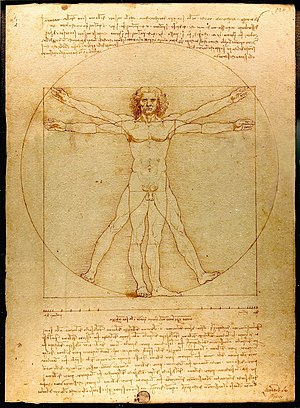
The seven Da Vincian principles – Curiosita (curiosity), Dimostrazione (closely examining beliefs and learning via questioning), Sensazione (fully engaging the senses), Sfumato (embracing uncertainty and ambiguity), Arte/Scienza (balancing between arts and sciences), Corporalita (physical health and fitness), Connessione (understanding relationships between and connection among all things)- are the building blocks for living a genius life. Gelb provides examples from da Vinci’s life, as well as practical exercises, to describe how these principles worked in the past and how we can make these work in the present day.


300px-Da_Vinci_Vitruve_Luc_Viatour

I especially appreciated how Gelb provided exercises for embodying the Da Vincian principles at work and while parenting. He took great care to show how these concepts can be applied wholistically. I feel that many books exclude multiple groups in favor of focusing on one particular group. But this is a testament to Gelb’s application of da Vinci’s stance of connessione: all groups are connected, related and at some level inseparable.

I thoroughly enjoyed this book and will definitely reread it! I think I’ll draw upon these concepts for future posts, because I strongly feel that this multidimensional approach to life is crucial. In these times, where change can happen in an instant and we need to be able to respond quickly, I feel there is so much benefit to training ourselves to be the best thinkers that we can be.

Make sure that you check this one out! You won’t regret it!

life curation · travel

Another Weekend in Charlotte, NC

Happy Monday, beautiful ones! I hope your week has gotten off to a pleasant start.

I just returned from a girlfriends getaway in Charlotte, NC. I told you all about a trip that I took to Charlotte a few months ago, but I just visited again over the weekend. It was a good weekend for a trip: St Patrick’s Day festivities and warmer weather were just what I needed.

maxresdefault

We had plans of getting out into nature and spending some time on the trails, but we couldn’t quite get things to work out as we planned. As you know, plans are great but the decider is fate, so we rolled with the schedule changes and still had a blast. After all, it’s really about the COMPANY, and not the activities. And the company I enjoyed on this trip was superb!

We had a fantastic weekend and I can’t wait to return! I’ll post more specifics about our trip in a few days (including a hotel review) but, in the meantime, enjoy this video about Charlotte, the Queen City, that I found on YouTube. Talk to you all soon!

https://youtu.be/OhMCfA7FPcw

art · culture

My Current Favorite App

As a fan of all things art and culture related, I find it challenging to locate tools and apps that satisfy both of my interests simultaneously. That is, until the Google Art and Culture App came into my life.

Screenshot 2018-01-30 at 6.11.36 PM - Edited

I love being able to instantly access all sorts of interesting art and culture articles. Even better, I love being able to virtual tour museums that I have not yet visited in person. The app allows you to view famous artworks up close, without having to peer through crowds to see it (anything in the Louvre comes to mind).

It’s possible to find art by searching by the title of the work or by an artist’s name. For an example of what you can find on the app, I searched for Edmonia Lewis (I’ve known about her for a long time, but a recent podcast by Art History Babes renewed my interest in her story). Here is some screenshots of what Google Art and Culture had about Edmonia Lewis:

Even cooler, the app has a feature that allows users to take a selfie and find their art “doppelganger”. It’s a fun feature that’s sure to expose users to artwork they’ve never seen before!

Have you downloaded the Google Art and Culture app? How have you been enjoying it? Let me know in the comments below!


art · luxury

Art Collector Conundrum: Affordability

As part of this (informal) series, I want to explore some of the difficulties I see within the art world. These things aren’t obstacles, per se, but they can be challenging for people that are on the outside “looking in”. As I learn more and find myself exploring the business, historical, and aesthetic side of art, I can see the individual factors that make art collecting and the entire business of art frustrating and intimidating to the average person.

One of the biggest obstacles to pursuing either a career in or a collection of art is affordability. Prestigious disciplines and hobbies have always been cost prohibitive, and rightly so: this maintains the integrity, prestige and lucrative nature. But in these increasingly egalitarian times, the question remains: how can affordability be part of the art world while maintaining esteem?

Screenshot 2018-01-27 at 7.45.32 PM - Edited

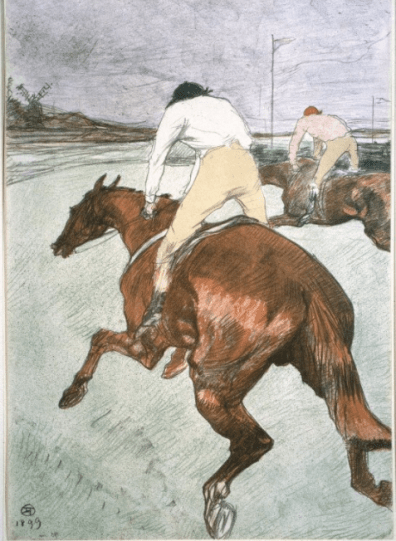
Le Jockey by Henri de Toulouse-Lautrec (uploaded by the Brooklyn Museum)

The best recommendation I can pose is this: start where you are. That applies no matter where you want to fit into within the art world. Instead of aiming to have a personal art collection on the level of the Louvre, new collectors that have less capital to invest should start where they are and purchase what they enjoy and can afford. People aspiring to be curators and consultants should start by educating themselves as affordably as possible: attend free or low-cost art courses (some of which can be done online), volunteer at a museum or gallery, or even purchase used art textbooks and read the material.

The key to avoiding overwhelm is to take it one step at a time.

There are some entities that are striving to make art more affordable. Educators like ALISON, Coursera and Saylor (especially the Saylor Legacy Courses) make art education affordable. Taking classes at local museums, galleries, art organizations, and community colleges is also another another way to obtain art knowledge at a low cost.

Entering the art collecting world need not be expensive. New collectors should seek out local artists that are talented but not yet famous. Being an “early adopter” often means securing wonderful artwork at an affordable price. Also, it’s important to support smaller artists that may one day become one of the big names in the art world.

brooklynmuseum-o4399i000-21.125_SL1

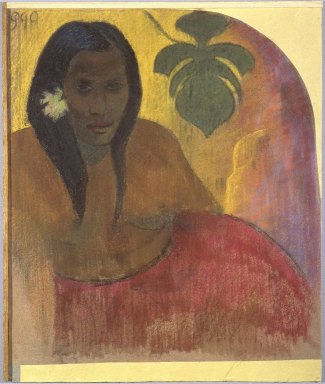
Tahitian Woman by Paul Gauguin (uploaded by the Brooklyn Museum)

There are also companies that will finance the purchase of high dollar art. One of these is ArtMoney, a company that offers financing options for people that want to buy art. ArtMoney is currently affiliated with 500 galleries nationwide to help art appreciators acquire works of art that would normally be out of their budgets. Also, there are innovative artists that offer lease and lease-to-own option for interested parties. This allows collectors to enjoy the art of their choice on the terms that best suit them.

So there are always ways to navigate around issues of affordability. Many times, this means setting aside preconceived limitations and approaching a solution with a fresh perspective. By exploring unorthodox and less popular strategies, it’s possible to make any part of the art world affordable.

food · relaxation

A Brief Guide to Hot Tea

As National Hot Tea Month draws to a close, I’m a little sad. I’ve shared all of my hot tea pics with you all on Instagram, I’ve made a post about tea on this blog, and now I need to find some new content for February! However, given the big trip I’m taking in a couple of weeks (more about that coming soon!), I’m sure that I’ll have plenty of writing fodder.

IMG_2840

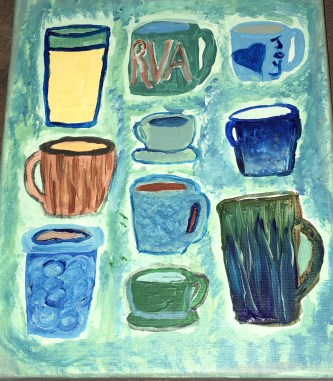
My tea and coffee-inspired painting that I did when I went to a Creativity Workshop at Blue Bee Cider a couple of weeks ago

 To close out the month, I want to share some of my tea drinking tips with you all. These are just a few of my observations, but I’d love for you all to weigh in with any tea tips that you may have!

 –          Have a dedicated tea cup. There’s something so soothing about the ceremony of using a dedicated tea cup (or, in my case, a tea mug) to drink your beverage. If you associate tea drinking with relaxation, then the very sight of your tea cup will put you at ease. Since I drink lots of tea, I have three cups that I use. I enjoy each of them.

–          Know that there is a tea for everyone. Even if you aren’t a fan of black tea, there are so many varieties, with so many flavors, that it’s pretty impossible to conclude that there is NO tea that you enjoy. Keep trying, and don’t be afraid to reach out to tea professionals to learn more about the available tea options.

–          Carefully follow the instructions on your tea packaging. This is especially crucial for expensive teas. If the instructions say to steep for 3 – 5 minutes, don’t cut that time short (you’ll end up with a weak tea) nor exceed it (you’ll have an overpowering and likely bitter beverage at the end). Certain teas are best enjoyed when using very hot water, as opposed to boiling water. So pay attention to the instructions and follow them!

–          Feel free to dress up your teas. Honey, lemon, cream, sugar: add whatever you like. However, NEVER mix cream and lemon – the combination will curdle in your cup (yuck!)

–          Listen to your body and only drink teas that make you feel good. I used to like a tea that was designed as a detox (more about that in the next tip). However, it’d leave me feeling faint when I drank it. I had to cut it out, even though I enjoyed it. Likewise, some of my favorite teas can only be enjoyed before 12 PM, because I’m very caffeine-sensitive and drinking caffeinated tea at a later hour will keep me awake all night. Listening to my body and adjusting accordingly was a wise move for me, and I advise that you all do it, too.

–          Drop any notion that a tea will help you lose fat or “detox” your body. I know celebrities are constantly selling tea and other beverages designed to help people shed weight quickly. Don’t fall for the hype. You may temporarily lose water weight or even speed up your metabolism a bit, but the best way to lose weight or detox is a healthy diet full of high quality, well-prepared foods and exercise that both safely increases your heart rate and effectively strengthens the muscles.

–          Visit a tea room. This is on my to-do list for the year. Every friend of mine that has done it highly recommends it. The owners of these tea rooms are genteel, knowledgeable and friendly. They are a great resource for learning about tea and how to pair tea with foods. A visit to a tea room is also a great reason to get dressed up and spend time with friends!

That’s it for me, beloveds! I look forward to chatting with you all soon!
life curation · relaxation

My Desk Altar

Happy Tuesday, dear friends! I wanted to share the space that has helped refresh and restore me, even when I’m hard at work.

When I transitioned into my dream job last year, I was determined to make the best of it (one of these days, I’ll tell the story of how I landed this job). I was really maintaining my positivity and wanted nothing more than to create a much healthier environment than what I’d experienced in previous positions.

So I brainstormed how to best create my ideal workspace. And thus, my desk altar was born.

IMG_1693

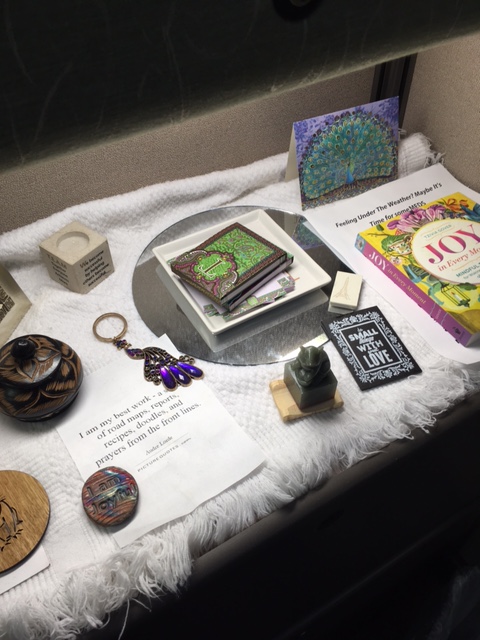
No, I don’t actually worship at this altar. In fact, it’s mainly trinkets from my travels and memorabilia from previous positions. It’s a tribute to where I’ve been, and all of the magnificent experiences that have made me the woman that I am. I wanted a sacred space that was infused with positive energy: indeed, even the items from previous jobs were items that brought back good memories.

I started a practice to help set my day on a positive note. I would think about someone that inspired me and I’d search on Google for quotes that were attributed to him or her. Then, I’d write the quotes on small, ornate notepaper, and place it on the altar. Whenever I’d hit a low point during my week, I’d look through the quotes and it would be an instant mood lifter. I’d also flip through my “Joy in Every Moment” book and find a passage or two that spoke to me.

Admittedly, I didn’t need this mood lifting practice often. In fact, the only thing that I can recall making me feel less-than-delighted with my new position was the fact that I missed my old teammates and felt kind of isolated. Other than that, my position was interesting enough and fulfilling enough to keep me happy most of the time.

Since I believe that our spaces should reflect our ever-changing selves, I’ll be updating my desk altar soon. When I’ve finished adding/removing/rearranging items, I’ll be sure to post an updated photo.

Do you all have altars or sacred spaces? Or do you have practices that help you get into a positive headspace? I’d love to hear about it in the comments below!