life curation · words of wisdom · writing

Reblog: A Guide to Severing Ties and Moving On

Today, I’m doing a reblog of a post that I released 9 (!) years ago, almost to the day (originally posted August 11, 2012). I remember writing it, but I honestly couldn’t remember what I wrote! So it was fun to read through my old musings. I didn’t bother to edit it, since the typos and grammar errors I noted were minimal. So here you go: my guide to severing ties and moving on. Enjoy!

“Last July, I wrote a post about inconsiderate people, and different tactics for dealing with them. After giving people some time to correct course, you may find it necessary to cut the person loose. I don’t particularly enjoy severing ties with people, but SELF-PRESERVATION comes above all else. In my case, “self” extends to those that I love and want to protect from inconsiderate individuals. There is NO ONE that I will allow to mistreat me. Please do not misunderstand me: there are people that are supposed to love you, that can, and will, mistreat you, ignore your concerns, and regard you with little respect.

********************

What does it take to cut someone loose? You must first decide to do it. You can’t simply talk about it: in fact, I recommend you stop talking about it. At the point where severing ties becomes necessary, you’re probably tired of talking. I don’t recommend that you talk until you are weary, but if the relationship means enough to you, you’ve probably tried to talk and mend/correct things until you are blue in the face. Save your energy, and decide to just let the person go.

Eliminate contact with the individual. No more texting, phone calls, emails, letters, or homing pigeons LOL! Don’t announce to the person that you are ceasing contact with them: simply do it. If you feel compelled to tell someone “I’m cutting you off” then you probably haven’t made a firm decision to get rid of the individual. Giving an inconsiderate person a goodbye speech only opens the door for more dialogue, delay in correcting action, and more time to HURT YOU. So close the door, do it quietly, and deadbolt it.

I know that *someone* will want to do the “cutting you off” speech. If it gives you a feeling of closure, then go for it. I personally feel that true closure comes from making a decision and sticking to it, and having the satisfaction of knowing that the other person didn’t see it coming, nor do they know all the details behind your decision. But if finale speeches are your thing, then go ahead and do you. The best way to do it is to lower the boom, while ensuring that the other person CANNOT RESPOND TO YOU. If that means blocking a few phone numbers, sending emails to the junk folder automatically, and blocking them on all forms of social media, so be it. The last thing that you want is an open door; open doors only lead to more suffering.

********************

Now that the door is closed and a particular person is cut off, what do you do? MOVE AHEAD. Don’t dwell on your decision: when you find yourself regretting your actions, take time to remember all of the things that preceded your decision. Hopefully, you did not cut someone off hastily. More than likely, however, you have given the person adequate time and warning to correct course, yet they insist on staying the same. When you start regretting the decision to move on, you must not doubt yourself! If your life and routine feel weird after removing certain people, it’s probably because you’ve become accustomed to the dysfunctional relationship. You probably aren’t missing that person, you are just feeling awkward because you are readjusting to normal living.

Removing inconsiderate people from your life is a lot like having sea legs. After spending some time on a boat, you may feel weird when you start walking on dry land again. But the problem isn’t the ground that you stand on: it’s the abnormal condition (walking on a sea vessel) to which your body got adjusted. You’ve had to learn to keep your balance in a naturally unbalanced environment; likewise, dealing with inconsiderate people can cause you to adapt to their off-kilter ways. But, just like sea legs, you will adjust to normal living again- in time. The key is to keep moving on dry land, or, in the case of someone post-cutoff, immerse yourself in normal living.

Immersion into a normal lifestyle is the key to moving on after severing ties. But how is this done? For a time, avoid the places, people, and activities that remind you of that individual. Did you two enjoy a particular restaurant, entertainment venue or activity? Now is the time to stop going, at least until you can go without reminiscing over the relationship. Did you two have mutual friends? You may even want to avoid them for a spell. Of course, you may want to stay in touch with any of your mutual friends that are mature enough to neither take sides nor do anything that will distract you from your goal of eliminating the toxic person.

Get involved in any activity that will keep you from thinking too much about the person that you cut off. This *could* mean throwing yourself into your work, if you find that you are just as or more productive than before. But don’t get absorbed in work if you find it draining or depressing. Now is the time to meet new people, do new things, and get caught up in a whirlwind of enjoyable activity. Make plans to do all the things that you couldn’t enjoy with the inconsiderate person, or that you didn’t have time to do, because Mr. or Ms. Inconsiderate tied up your time, zapped your energy, criticized your dream, etc.,. Have you always wanted to travel out of the country? Start setting aside money for your trip (preferably in a bank account that you find it difficult to access.) Want to finish school? Sign up for a class and move heaven and earth to attend it regularly. Always been interested in painting? Buy some watercolors and a canvas and have at it.

One of my favorite recommendations for satisfying distraction is retail therapy (also known as shop ’til you drop LOL!) Retail therapy can be great and very satisfying (as well as distracting!) But if you indulge, keep all of your receipts and make sure that you know the store’s return policies. Last thing that you want to do is buy something far too expensive, something that you’ll NEVER enjoy, or a ‘spite” gift (i.e., buying red lipstick because the inconsiderate person hated it and thought that red lipstick looks cheap) just because you needed a pretty distraction. Buyer’s remorse is bad enough, but being able to undo the madness is golden. Done responsibly, retail therapy can be effective at helping you move ahead.

********************

That’s just a few of my tips for severing ties and moving on.  I hope you all enjoyed it. Please look out for more posts soon: my maternity leave will be over in a few weeks, so I got to get as much writing done as possible, before I’m thrown back into the working world LOL! Until next time …”


business · career · writing

Writers Wednesday – Is a Writing Coach Necessary?

Happy Writers Wednesday! Today’s topic came to me after I spoke to several people that are part of writer support groups, or they have gotten writing coaches to assist with creating their books. Further, I’ve seen numerous advertisements for writing coaches that are appearing on the scene, all claiming that they will help the aspiring authors to finally release their works into the world.

The question on my mind (and possibly your mind) is this: is a writing coach necessary?

Personally, I’ve never used a writing coach, but given how many delays I’ve encountered on my writing journey, perhaps a coach would be a good investment! That being said, I will admit that I don’t think a writing coach is necessary for *most* people. I think that there is only a tiny subset of people that actually need a writing coach. However, I believe there are enough people in the subset to provide an abundance of potential clients for writing coaches.

My recommendation for anyone considering hiring a writing coach is to go through this list of questions and see where you fall on the writer spectrum.

  • Are you having difficulties with determining which direction your writing needs to take?
  • Do you need regular external motivation in order to work on your writing project?
  • Do you struggle with structuring your writing?
  • Do you have questions about writing that can’t be answered through other means?
  • Do you generally respond better to verbal instruction, as opposed to written directions?

Answering “yes” to any of these questions may make you a prime candidate for a writing coach. I’m still of the mindset that the best way to write is to problem solve for yourself, then, after you’ve hit a wall, consider reaching out for help. However, everyone is different, and what works for me may not work for you. I do think there’s some value in the practice of solving your own problems through your own efforts, but I’ll be the first to admit that time is precious and if a coach can save you time and energy, then it may be a worthwhile investment.

I’m curious: have any of you ever hired a writing coach? What was that experience like? Also, if you’re a writing coach, please comment on what that experience is like for you, and how you can help aspiring authors. You can leave your comments below.

That’s it for today! I look forward to talking to you all tomorrow. Take care!

goals · life curation · words of wisdom

The Three Hardest Lessons I Had to Learn

There’s nothing quite like reflecting and seeing how much you’ve grown over time. The older I get, the more I recognize the changes that have occurred in me, and how those changes have impacted my overall quality of life. I feel inspired to share some of those lessons that have come to me when I sit in silence and allow the highs – and lows – to show me what I need to master. Here are three of the hardest lessons that I’ve had to learn, and how I’ve approached and incorporated each of these lessons in my life.

The hardest lesson I’ve had to learn is the art of being gentle with myself. I often behave as if I have inexhaustible energy (despite having fibromyalgia for the past several years), so when I fall short of the goals that I’ve set for myself, I tend to beat myself up over it. My fibromyalgia diagnosis was a turning point for me, since I found myself physically unable to complete activities that I once enjoyed. I felt a tremendous amount of guilt over the fact that I had to rest more and stop feeling bad for it. For me, resting and being gentle with myself felt like laziness.

,This is something that I still struggle with, though mindfully practicing gentleness every day (slowing down and grounding myself daily, yoga, and gratitude practices help) has made it a little easier to accept that this is the path I have to walk, and there is no shame in it. I continue to indulge these practices, as well as listen to YouTube videos of people advocating for gentleness with ourselves, like Alina Alive, Sarah Armide and Ella Ringrose.

Another difficult lesson I am still working on is setting boundaries based on love, not anger. I think it’s normal to react to a hurtful or angering incident with the immediate establishment of a boundary. But I’ve been playing around with proactively setting boundaries based on loving myself and having love for others. This sounds a little contradictory, because in American culture, we’re taught that love is supposed to be without boundaries, all-absorbing and unconditional. However, I’ve found that the most loving that that we can do is have boundaries that maintain our dignity and sense of self.

Again, I struggle with this because I was previously more reactionary as a default. But, with time, I realized I feel more relieved by setting boundaries before offenses happen, as well as standing resolutely with my boundaries when others – even well-intended loved ones – attempt to encroach them. I have to practice this daily as part of my self care, since I have a few of my family members living with me. Some powerful tools that I’ve utilized on my journey have been the book Boundaries by Drs. Henry Cloud and John Townsend, as well as YouTube videos published by Dr. Ramani Durvasula, Dr. Tracey Marks, and Irene Lyon.

The third hardest lesson for me to learn was learning to play, particularly, how to do so without guilt. Going back to the art of being gentle with myself, I had to learn ways to care for myself that would help me to heal my body and mind. For me, that involved recreating periods of joy in my life, and that meant I had to reflect back on the times when I was unabashedly, overwhelmingly happy. I found most of those times occurred during my childhood, so I had to start indulging myself and doing the things that made me happy again, which, for me, was playing games and creative expression.

The same guilt behind being gentle with myself crops up when I’m indulging in play. I have to continually remind myself that playing *is* productive, and more play = more creativity, which I can channel into other, more “adult” tasks. It has become easier for me to participate in play, because I have several younger children in my circle of family and friends, but I also have to indulge in play by myself, usually in the form of painting, making jewelry, working on a puzzle, or playing in makeup. I also find it helpful to connect with personalities that are light and playful, which is why I often go to YouTube for inspiration. I really enjoy play and fun from various perspectives, so I love videos by Mintfaery, Darling Desi and The Unexpected Gypsy.

Are there any difficult lessons that you’ve had to learn? I’d love to hear about them in the comments below. Also, if there’s any way that I can support you all, please feel free to leave a comment or send me a message. This journey through life isn’t an easy one: the most important thing we can do is share resources with each other, so that we can make our journeys a little smoother.

Take care, and I’ll talk to you all tomorrow.

style

My Latest Thrifted Finds

Happy Monday, friends! I hope you all had an amazing weekend. Here in the DMV region, the weather was rainy on Saturday and then we got typical summer heat on Sunday. I made the best of it, and I’m happy to welcome this new week.

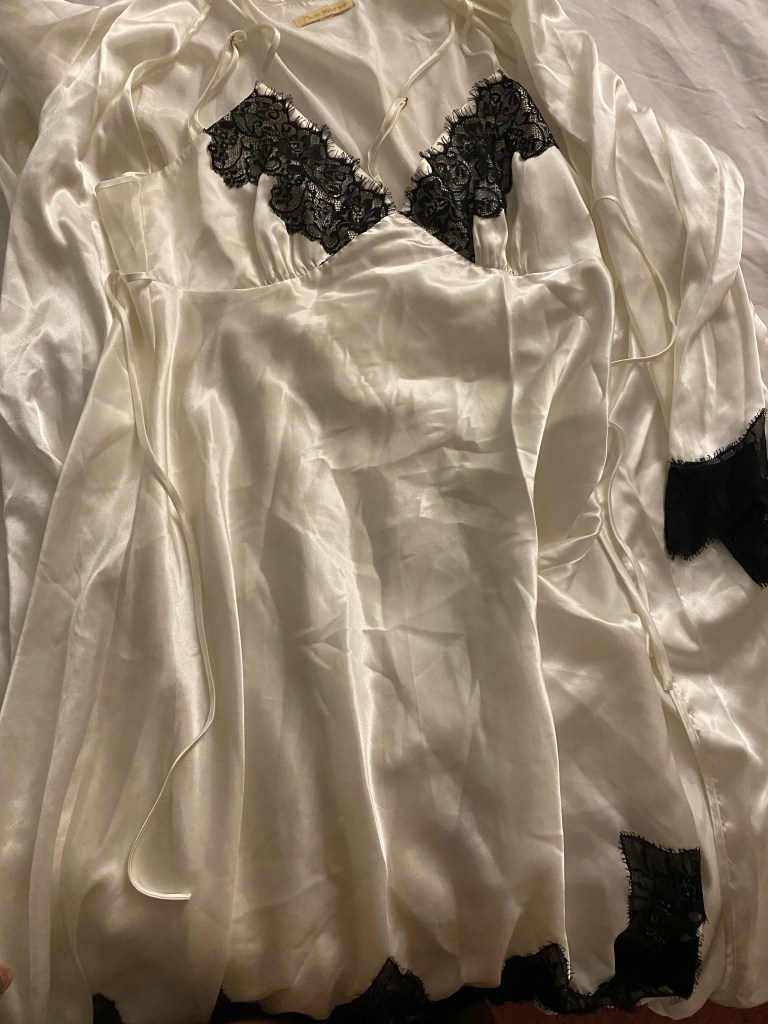
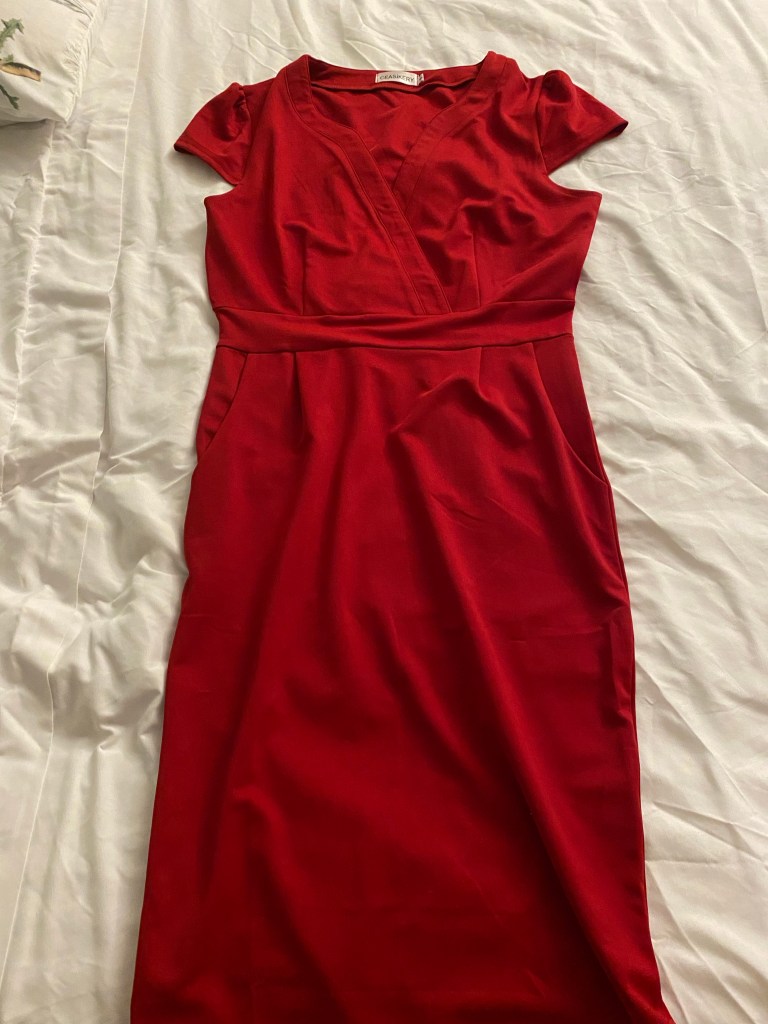
I’ve thrifted for all of my life, though it isn’t always my first choice when it comes to certain ensembles. When I need something specific, I will go to either Amazon, Nordstrom or White House Black Market, where I’m (almost) guaranteed to find what I’m want. But, for unique ensembles and accessories, I prefer to thrift.

Here are some of my latest finds. I often go to one or two thrift stores a week, though there are periods where I don’t thrift for a few weeks at a time (this usually happens when my schedule is hectic). I’m thinking about writing a post on “How to Thrift”. If you’d like to see that, let me know in the comments below!

Peignoir set by Flora Nikrooz
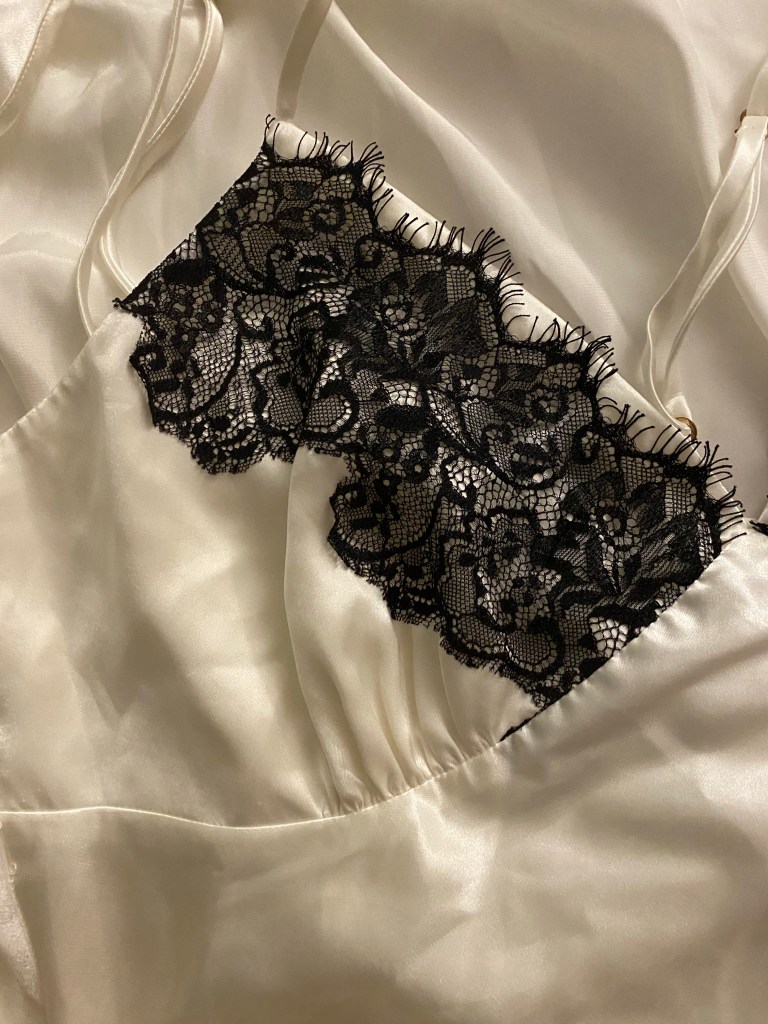
Lace detailing on peignoir
Ceasikery faux wrap dress
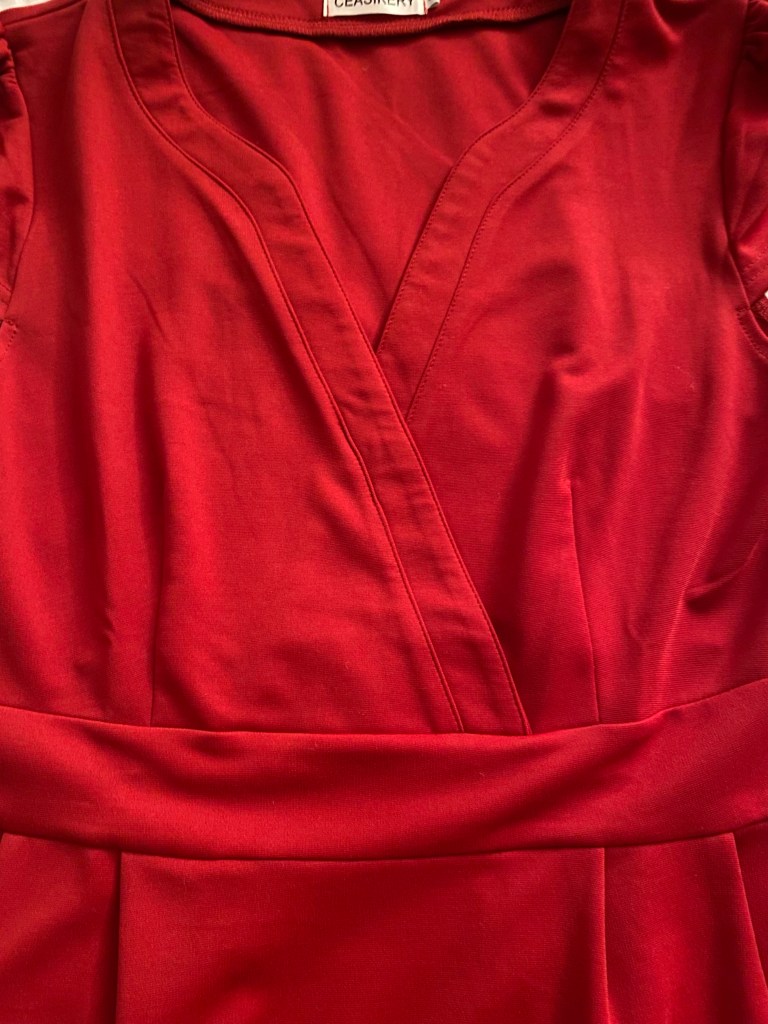
Closeup of the faux wrap bodice
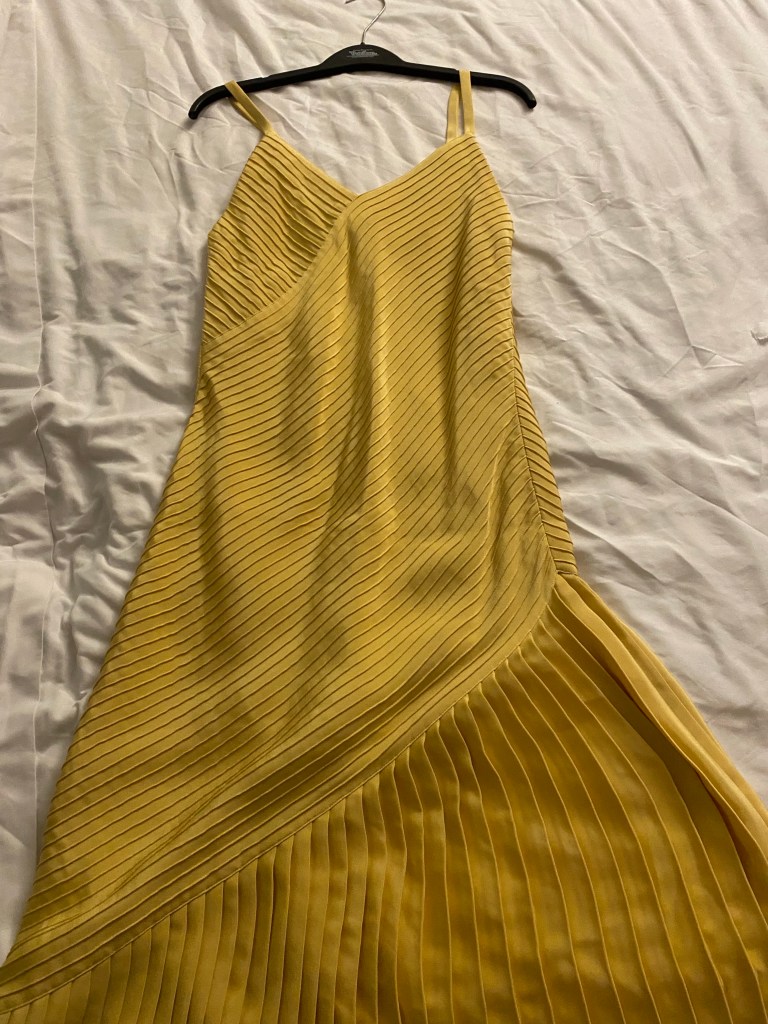
Vintage Bergdorf Goodman pleated dress
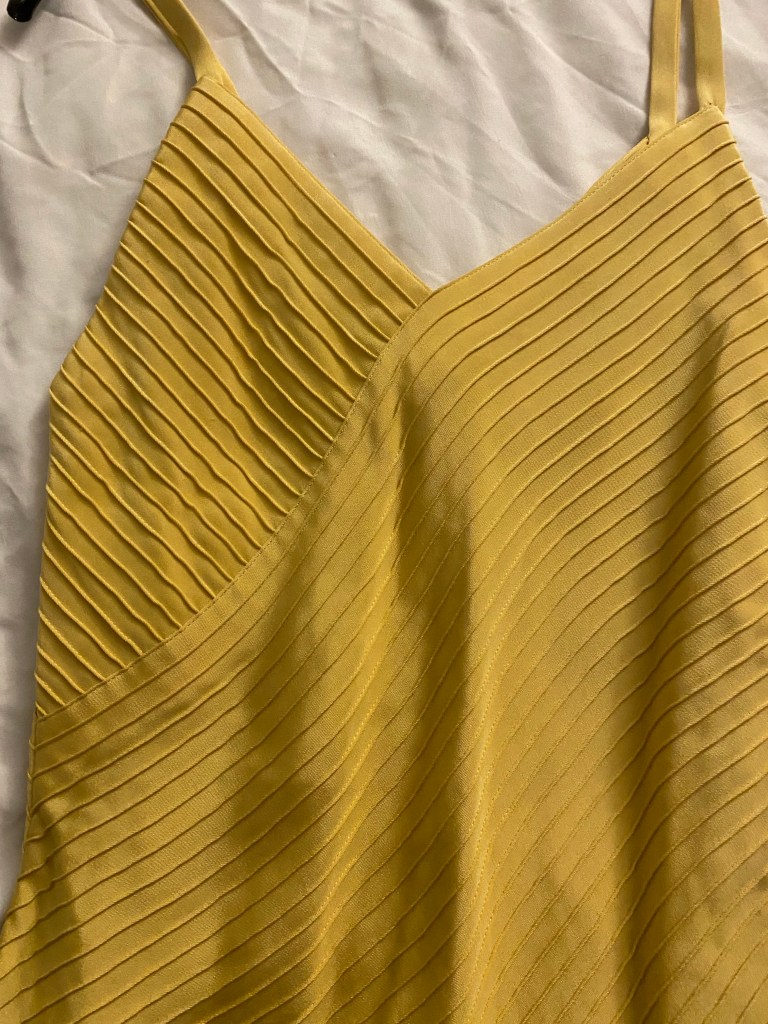
Closeup of the bodice
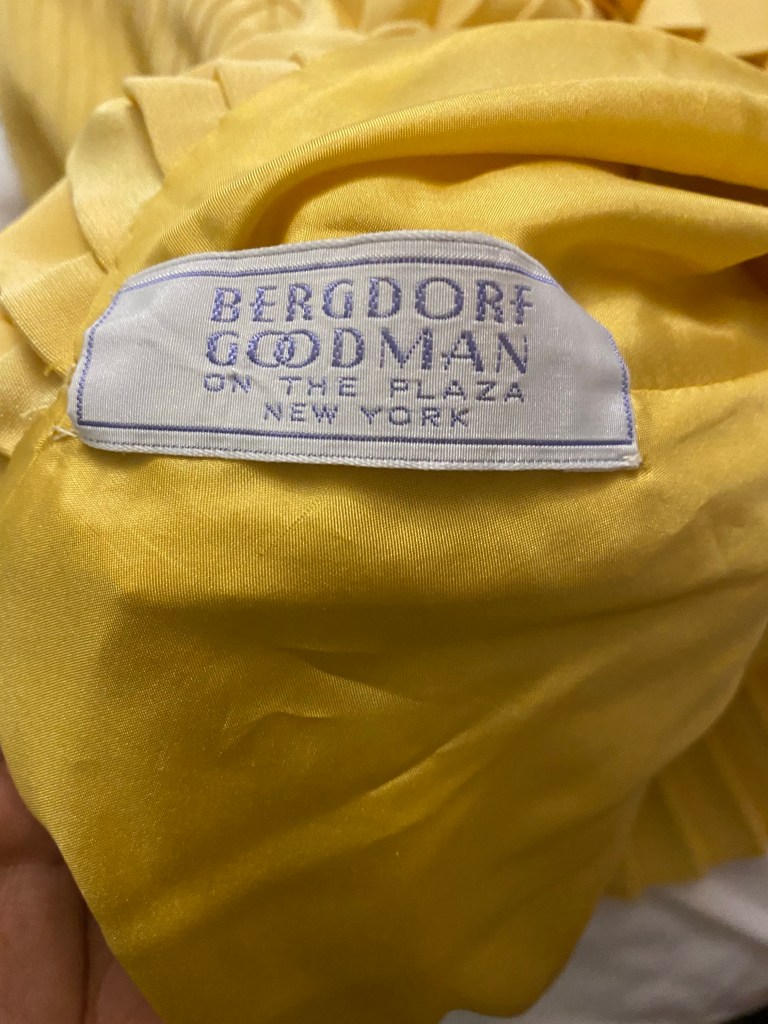
Tag inside the dress
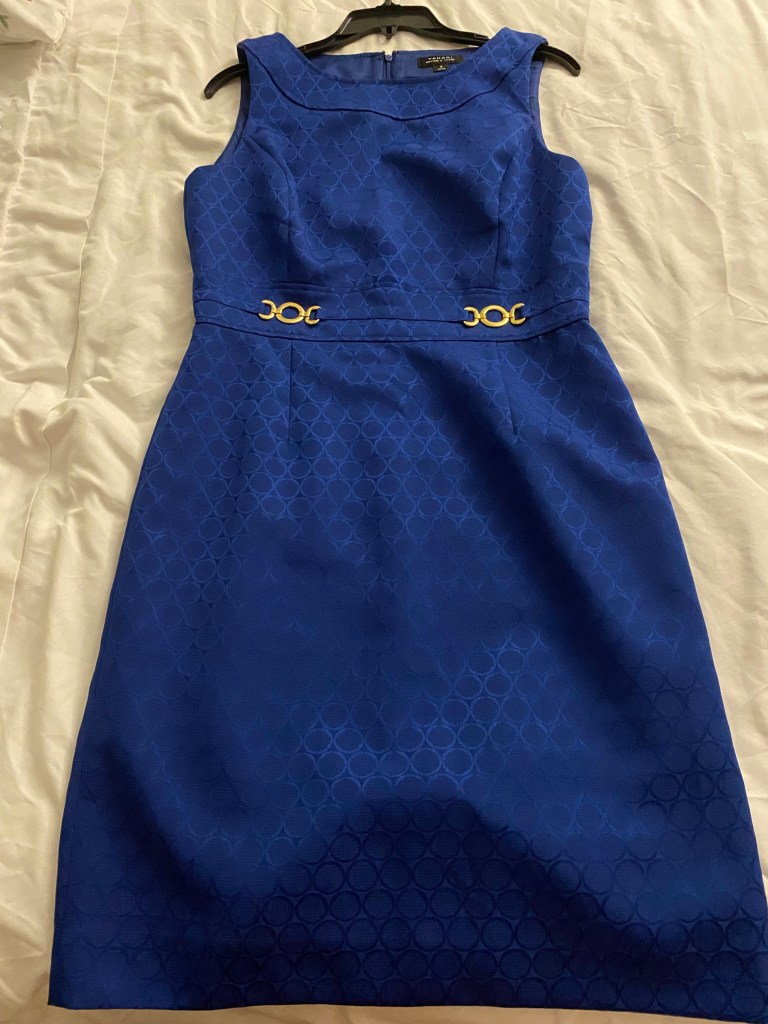
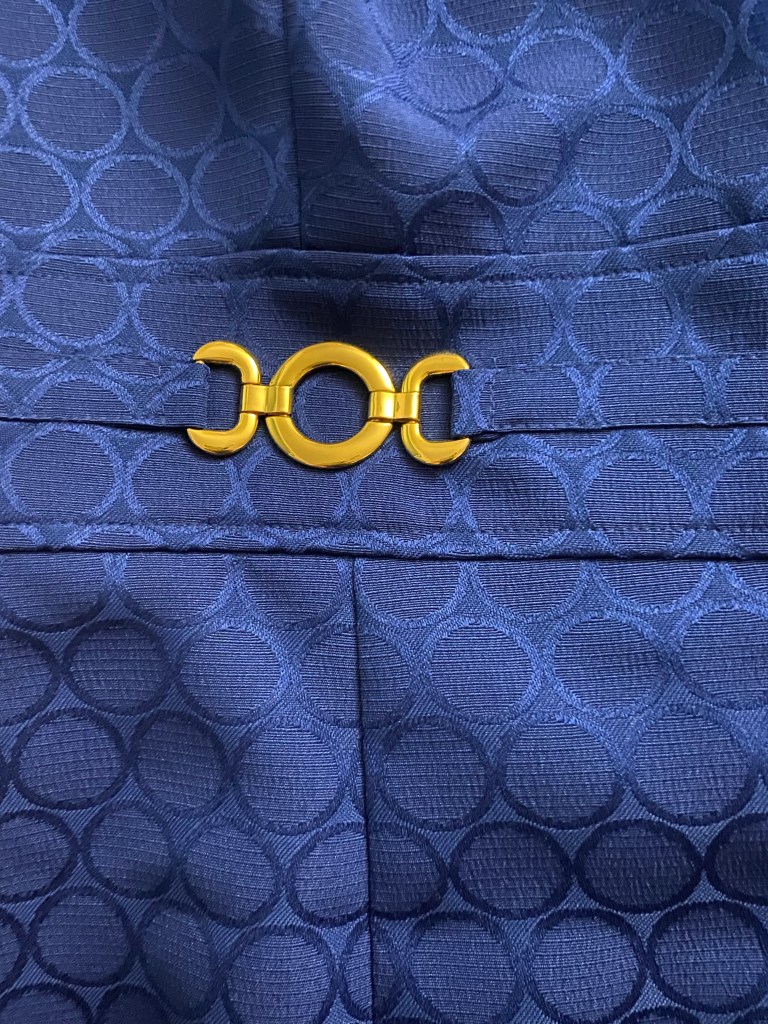
Tahari shift dress
Gold detailing on the dress
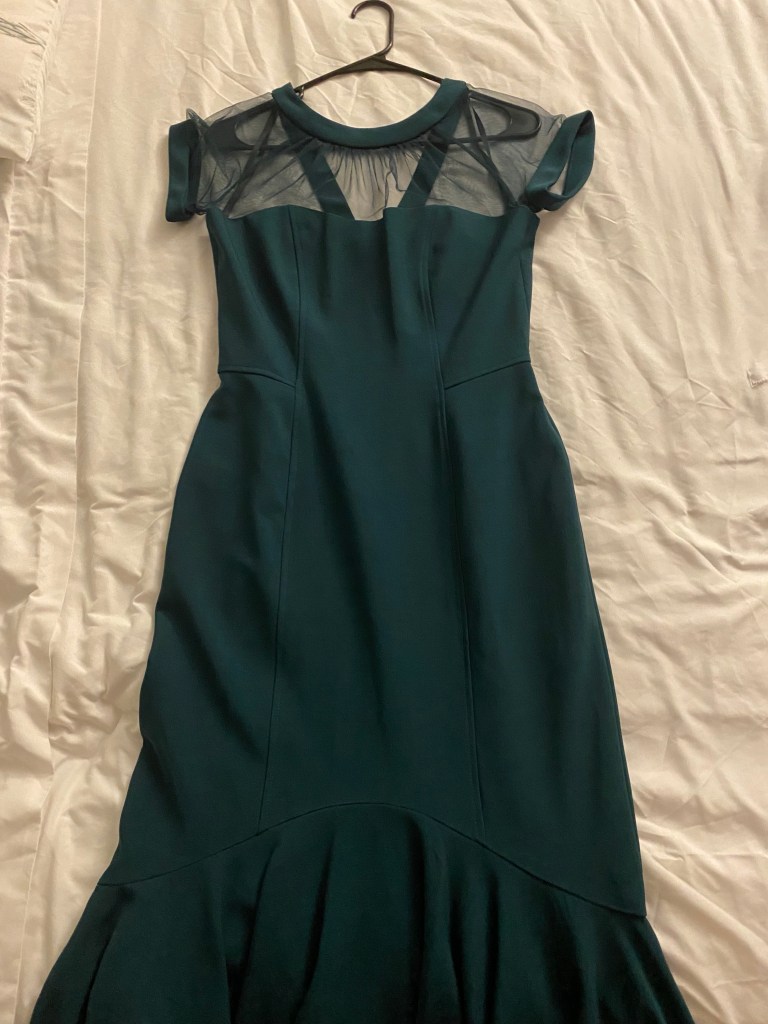
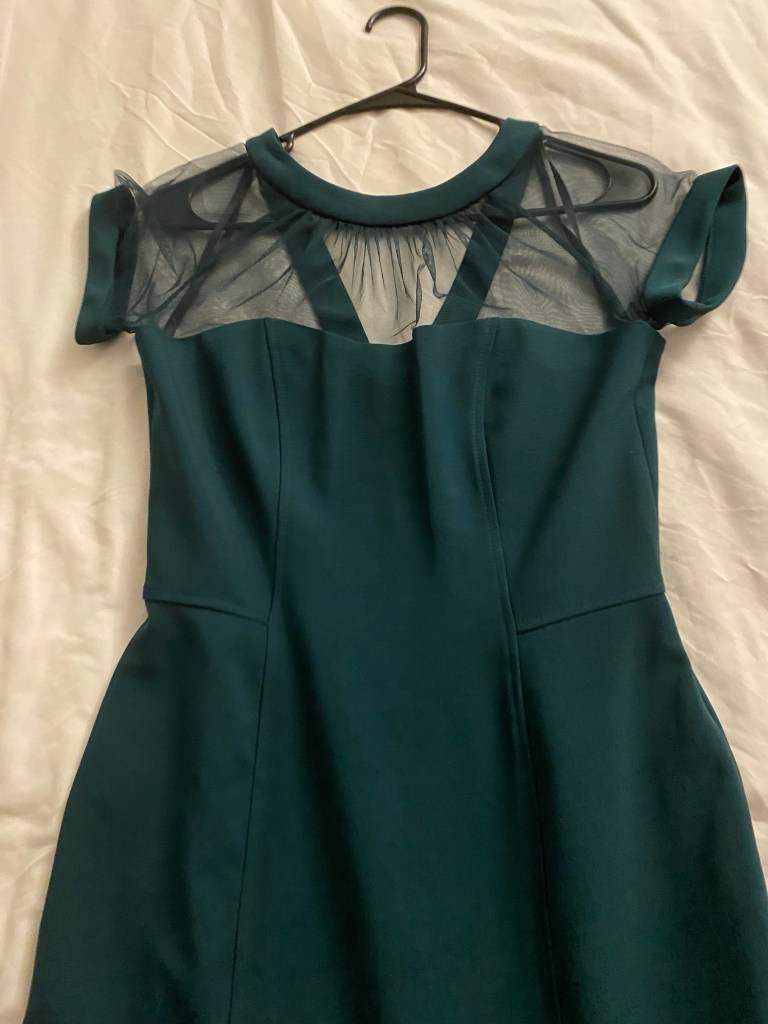
Maggy London dress
Closeup of the architecture of the dress
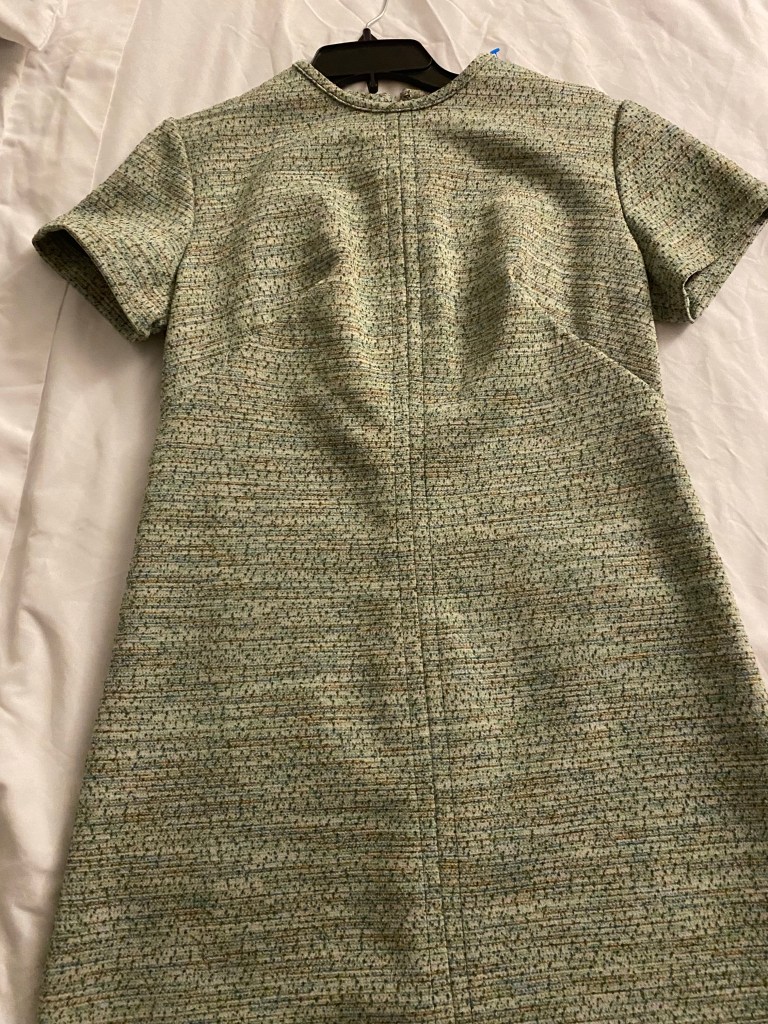
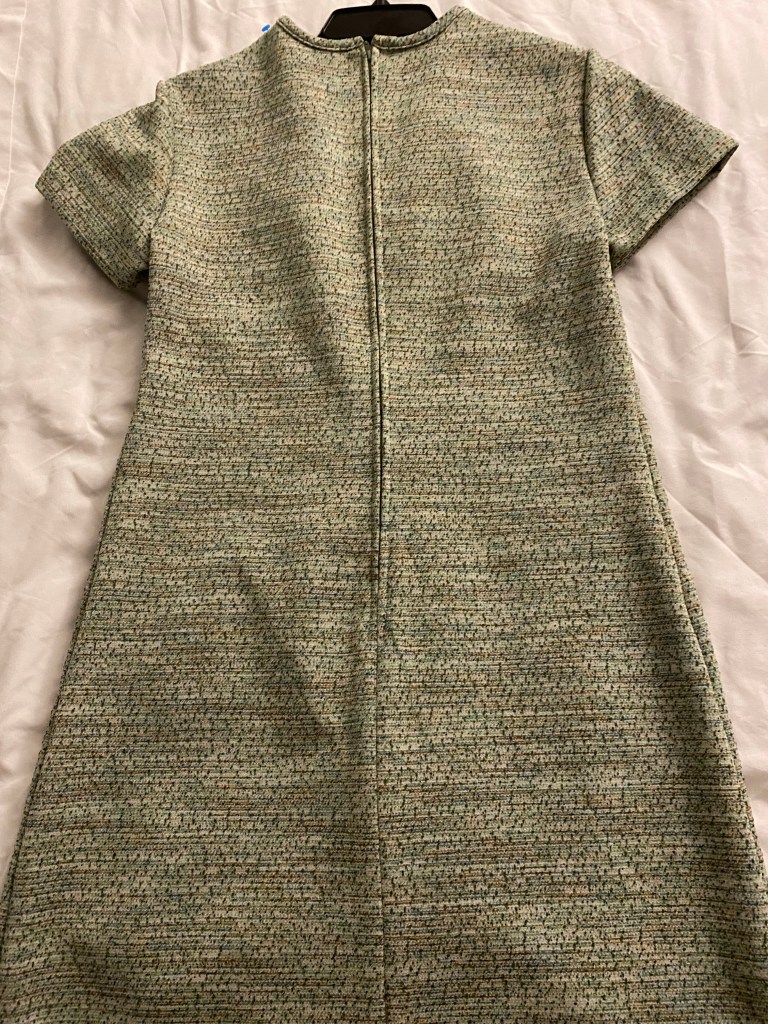
Vintage dress by NPC Fashions
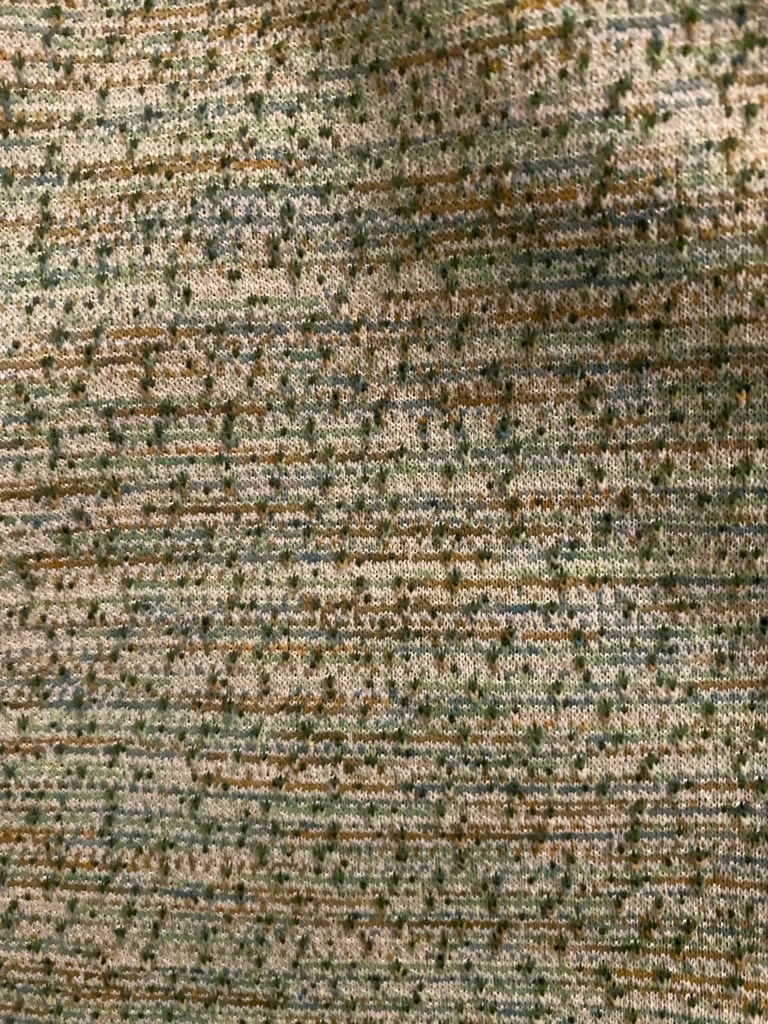
Closeup of the fabric
Back of the NPC Fashions dress

That’s it for today. I’ll be back tomorrow, with a topic that I’ve been eager to discuss. Talk to you all soon!

goals · health

Fibro Friday – The Berg Protocol

Happy Fibro Friday! I always love sharing information and updates regarding the world of fibromyalgia, but I realized as I started typing this post that I haven’t provided an update on my personal health. I think I am overdue for a discussion about my fibro journey and experience. So I’ll give you a brief update on my health, then I’ll dive into the Berg ProtocoI haven’t been in much pain recently, and my energy levels, while lower than I’d like, are stable. I’m still using gabapentin and I haven’t felt a need to increase my dosage. I’m thankful that I am still in the low dosage range and haven’t needed to implement any additional pain relievers. Overall, so far, so good.

Now, back to today’s topic. Today we’re exploring the recommendations for treating fibromyalgia that are promoted by Dr. Eric Berg. Dr. Berg is a chiropractor that offer his health perspective and recommendations on YouTube. I would be remiss if I didn’t discuss the fact that Dr. Berg is at the center of a controversy involving his son, Ian. Ian revealed that Dr. Berg is a Scientologist and a narcissist that mistreats individuals that decide to leave the Church of Scientology. These facts have given me pause when it comes to purchasing Dr. Berg’s products, and even promoting his videos can be an indirect way of supporting him. Further, I don’t want to victimize Ian further by indirectly supporting his father.

That being said, I want to add that disclaimer so you can decide whether you want to continue reading this post or whether you want to skip this week’s Fibro Friday. I don’t want to skip over the statements against Dr. Berg just because he offers solutions that may work for one of us fibro warriors. Dr. Berg offers some treatment options for fibromyalgia that may be worth considering, especially for those of us who prefer natural and alternative treatments. While Dr. Berg doesn’t have a large collection of videos dedicated to fibromyalgia, he does have a few videos discussing conditions that may be misdiagnosed as fibro. Also, he provides tips on reducing chronic fatigue and pain that comes along with fibromyalgia. Here is one of Dr. Berg’s videos that you may find informative:

The Berg Protocol can be summarized as follows:

  • Consider whether your fibromyalgia may be related to a congested gallbladder; if so, start supporting healthy gallbladder function to get relief
  • Increase vitamin D3 intake in order to reduce or eliminate pain
  • Try acupressure for relief
  • Ketogenic dieting and intermittent fasting are recommended

I think that Dr. Berg’s recommendations are very similar to Dr. Berry’s statements (which I reviewed last week). However, Dr. Berg’s experience as a chiropractor means that his perspective originates from a different point that Dr. Berry (who is a MD). While I haven’t explored all of Dr. Berg’s recommendations, I have been increasing my vitamin D3 intake and it does seem to give me a bit of an energy boost (though my chronic fatigue is still in full effect).

That’s all for my brief overview of Dr. Berg’s protocol. If you’ve implemented any of his tips, I’d love to hear about your experience in the comments below.

Have a great weekend! I’ll talk to you all soon.

art

A Trip to the Dirty South

After many months of staying inside and avoiding gathering in public places, I finally ventured out and visited my beloved local museum, the Virginia Museum of Fine Arts (VMFA). The museum reopened a while ago but it’s been well over a year since I’ve visited. It was a little eerie to return to the museum: it took me a moment to reacquaint myself with the layout. But once I started walking around a bit, it all came back to me.

For anyone that has not visited VMFA before, let me tell you, it is a gorgeous museum with incredible permanent and visiting exhibitions. If you’re in the area, it’s definitely worth checking out. And, if you’re visiting anytime before September 6, 2021, you can view a very special exhibition that highlights Southern artistry and creativity. The Dirty South: Contemporary Art, Material Culture, and the Sonic Impulse gives visitors a peak into the energy and dynamism of 20th century Southern Black American culture and artistry. According to VMFA’s website, the exhibition, “[…] chronicles the pervasive sonic and visual parallels that have served to shape the contemporary landscape, and looks deeply into the frameworks of landscape, religion, and the Black body—deep meditative repositories of thought and expression.” This fascinating exhibition combines both visual and audio art, to create a truly immerse creative experience.

Naturally, I took pictures while I was at the museum though, for this visit, I focused more on savoring the fact that I was finally visiting this beautiful space after a long year. Here’s a little bit of the Dirty South experience:

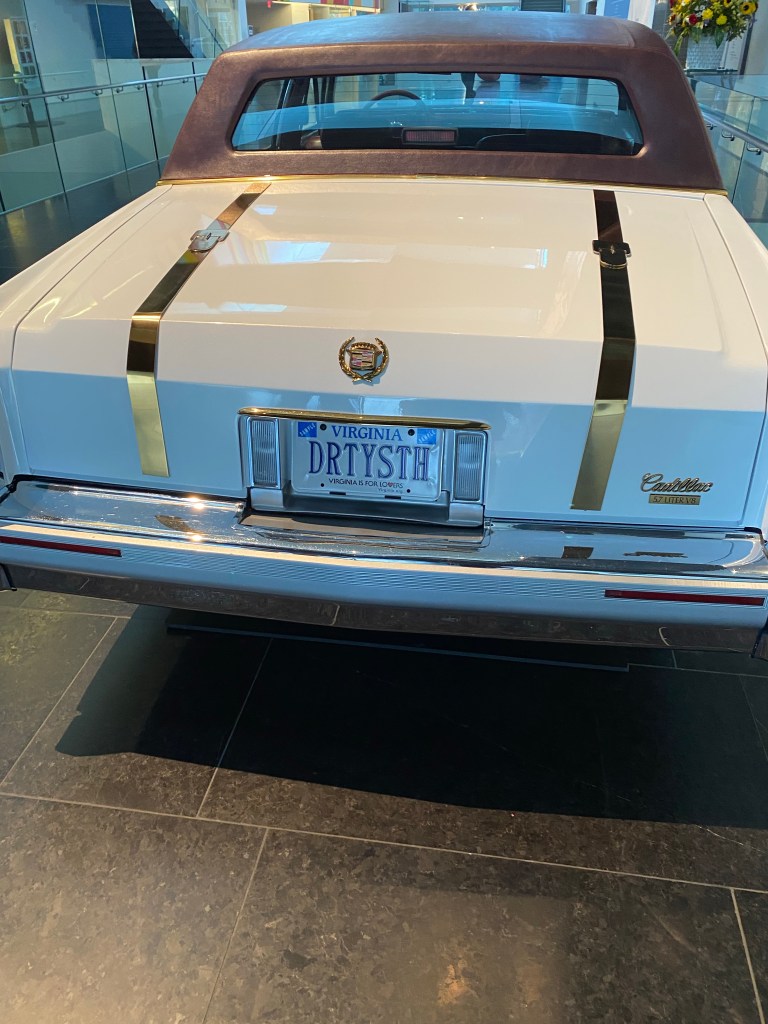
Cadillac in the museum atrium that greets visitors
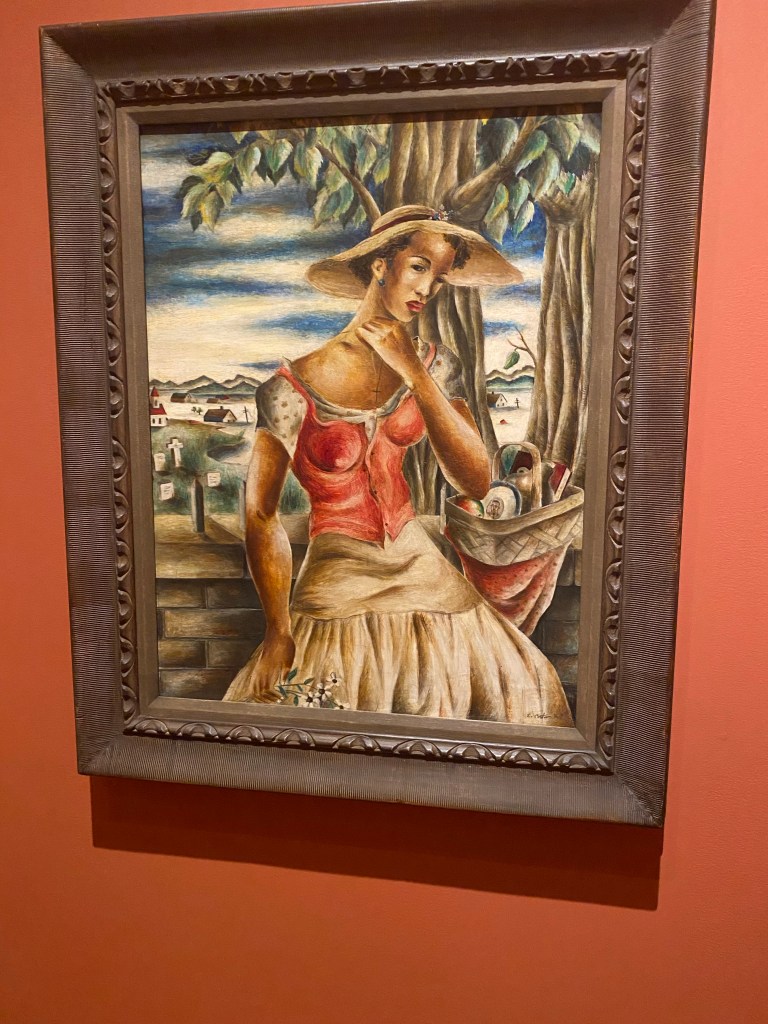
Southern Landscape (1941) by Richmond’s own Eldzier Cortor (1916-2015)
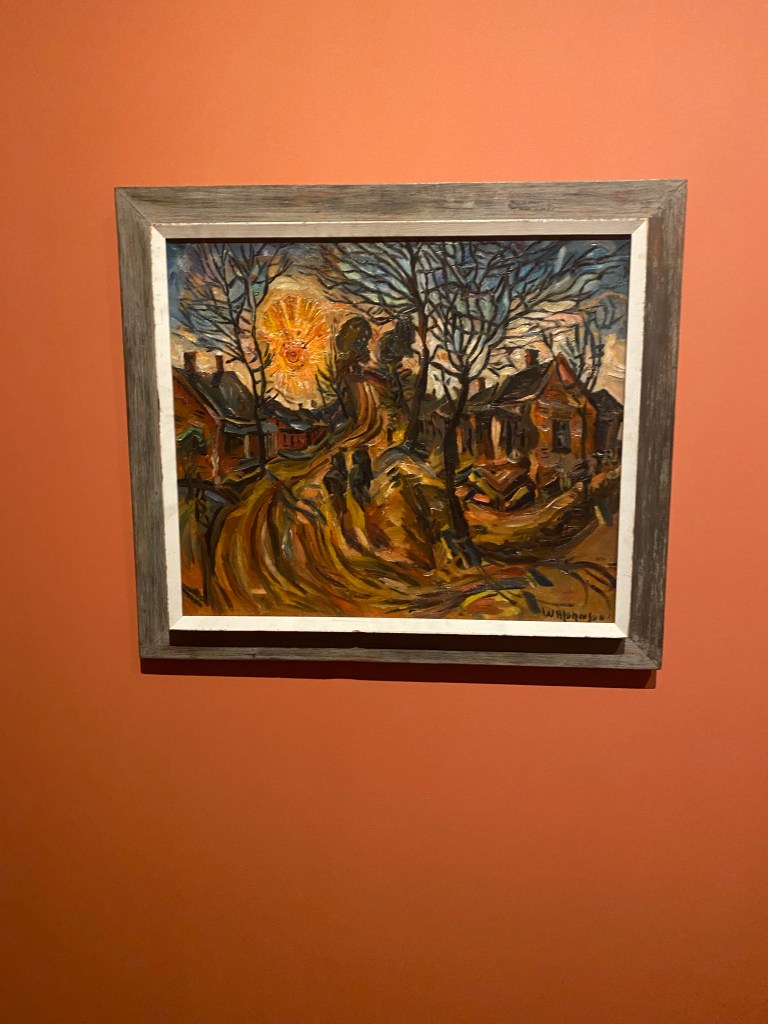
House Sun Tree (Landscape with Sun Setting, SC) (nd) by William H. Johnson (1901-1970)
Saint Expedite I (1971) by Joe Overstreet (1933-2019)
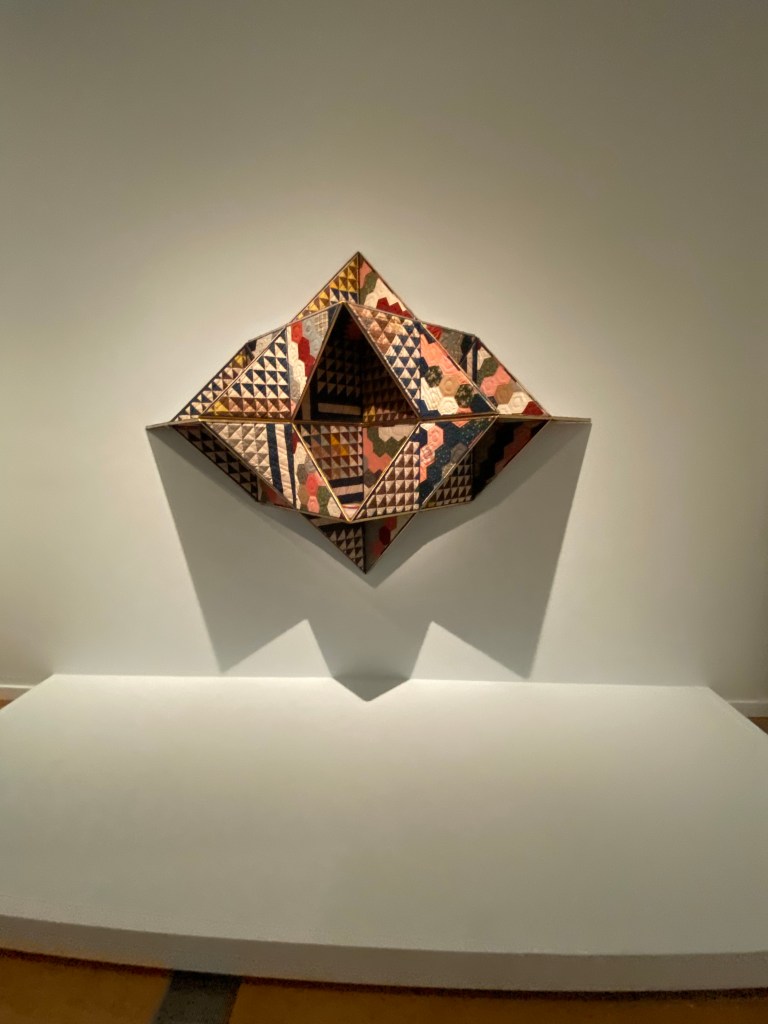
Khemestry (2017) by Sanford Biggers (born 1970)
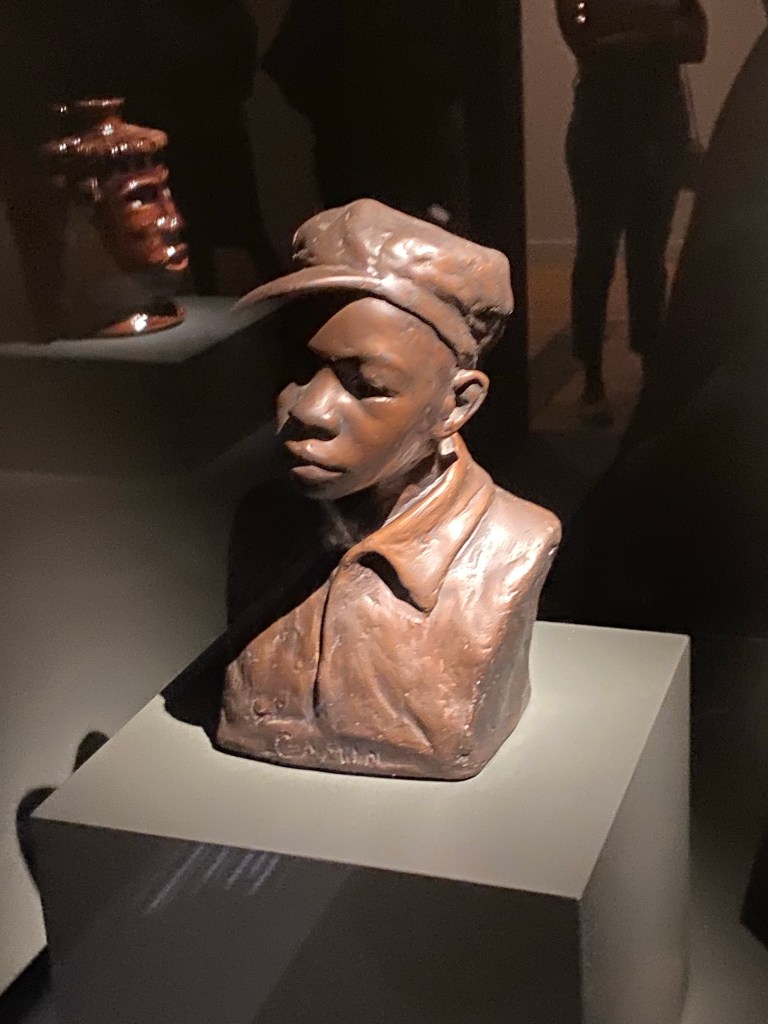
Gamin (1940) by Augusta Savage (1892-1962)
From Asterisks in Dockery (2012) by Rodney McMillan (born in 1969)

I hope you all enjoyed the photographs! And if you have a chance to visit the exhibition, I highly recommend that you check it out: it’s worth a visit, for sure!

writing

Writers Wednesdays – I Met My Publishing Goal!

Happy Writers Wednesday! It’s official: I met my publishing goal for 2021!

*insert happy dance here*

I added two more of my children’s books to my current series. I’m still keeping the majority of my focus on creating books that educate children on Asian countries, but – considering that I will eventually be finished writing about all of the Asian countries – I’ve started branching out into writing books on European and African countries. The two latest books that I’ve published are Let’s Go To South Korea and Let’s Go To Portugal.

It was a little more challenging to write these books, but not because there was an issue with the content. These books – in particular, the Portugal one – were more difficult to write because I like to use royalty-free photographs for my books, and finding relevant free photos taken in South Korea and Portugal was HARD! So I’m thrilled that these two are behind me, and I don’t have to think about having to find pictures for those two countries again.

I anticipate my next book will be an African country, then I’ll follow with another Asian book, then another European book, an African book, and just keep that rotation until I am ready to branch out into South America. I’ll work in Australia at some point, just so that I can cover the entire globe.

I’m so happy to share with you all that I’ve published FIVE books this year! I’m looking forward to publishing even more children’s books, but also publishing a couple of my works-in-progress that I’ve had on my desk for quite some time. It’ll be nice to see those labors of love FINALLY out in the world and making the impact that I intend for them to make.

That’s it for today. Thanks for stopping by to celebrate with me! I’ll talk to you all tomorrow.

*This post has affiliate links.

life curation · luxury · style

My Luxury Purchase Goals Are Changing …

This one published before I could finish writing it! Here’s the finished post.

As I mentioned in last week’s post about my 2021 goals, I reflected upon my luxury purchase goals and something about it just didn’t resonate anymore. Make no mistake: I still LOVE luxury and I enjoy spending a bit more in order to have something truly unique or expertly crafted. However, I noticed that nowhere on my list were any designers of color.

And that, dear friends, is unacceptable.

I realize that there is a need to shine a bigger spotlight on creatives – especially in the fashion world – that are also people of color (POC). As a Black American woman that enjoys supporting local Black-owned businesses and creatives, I am eager to extend that same energy into my bigger purchases. So I’m revising my luxury purchase goal list to reflect only Black, Indigenous, and other People of Color (BIPOC) designers. My purchase priority is also in that same order: I’m prioritizing Black American – specifically, American Descendants of Slavery (ADOS) – creatives, then Indigenous creatives (especially Native American and other people indigenous to the Americas), and then other POC.

I’ve decided to rank my purchase priority in this way (placing special emphasis on ADOS creatives) because oftentimes these designers end up reinvesting into other ADOS designers. I admire any group that prioritizes the fostering and development of talent of individuals that share their background and culture. As someone that admires this trait, I’m delighted that I as an ADOS, can participate in encouraging the development of ADOS talent by supporting ADOS designers.

While I’m excited to start actively supporting BIPOC designers, that takes me back to teh drawing board as regards my luxuruy list. I need to research new designers and figure out who excels in the kinds of designs that I favor. On the bright side, this exercise will force me to be more specific when it comes to filling gaps in my wardrobe. I’ll be more focused on getting items that truly “complete” my closet, instead of just buying things because I feel like spending some money.

In the weeks to come, I’ll share more details as I craft my new luxury purchase list, and I’ll let you all know what items I’ve purchased as I go through the remainder of the year.

That’s it for today! I’ll talk to you all tomorrow. Take care!

reading list

Books Read in July 2021

Happy Monday! Today, I’m doing a quick rundown of all of the books I read in July 2021. This month, I didn’t have as much free time, so I had to listen to audiobooks instead of trying to read paperbacks and ebooks. I still met my goal of 10 books for the month, so I’m please. Here’s what I read:

Wayne Dyer, Manifest Your Destiny

Wayne Dyer, Real Magic

Wayne Dyer, Everyday Wisdom

Francesc Miralles and Hector Garcia, Ikigai

Neville Goddard, The Feeling is the Secret

Neville Goddard, At Your Command

Henry Harrison Brown, Dollars Want Me

Annie Rix Militz, Prosperity Through the Knowledge and Power of the Mind

Elizabeth Towne, Just How to Wake the Solar Plexus

Mark Twain, Luck

Most of the books I read were related to mindset, abundance, and law of attraction. I find that it is very easy to listen to these sorts of books, since they feel very encouraging while providing instruction. In August, I’m intending to read far more physical and electronic books, though I’ll still probably have one or two audiobooks on my roster.

Per my current count, I’ve read 34 books this year. However, the springtime was considerably busier so I wasn’t able to read as much. In light of this fact, I’m confident I’ll still meet my goal for the year. I’m keeping my fingers crossed and feeling hopeful!

food · health

Fibro Friday – The Berry Protocol

Happy Friday! We made it through another week, and boy, what a week it’s been! I entertained a few of my younger relatives for four days, and those little ones WORE ME OUT! I loved having them around, so, despite being exhausted, I will certainly have them visit again very soon!

Anyhoo, today is Fibro Friday, so we’ll be discussing another protocol that may offer some fibromyalgia relief. Today’s post looks at the protocol promoted by Dr. Ken Berry. I first mentioned Dr. Berry a few weeks ago, in the Fibro Friday post discussing some of the latest fibromyalgia research. I’ve been following Dr. Berry for a few years now, and I enjoy his practical wisdom about healthcare and living optimal lifestyles. Dr. Berry has been practicing medicine for over 20 years, and he encourages his audience to adjust their diets and daily habits in order to reduce or eliminate symptoms from chronic illnesses.

Dr. Berry has multiple videos addressing his approach when it comes to fibromyalgia treatment. He recommends a ketogenic diet, as well as going through the steps of determining whether you actually have fibromyalgia (requesting specific lab work to ensure that you haven’t been misdiagnosed). Here is Dr. Berry’s protocol, explained by the doctor himself:

Some of the key takeaways for me were:

  • Focus on rebuilding health cells and healthy myelin sheaths
  • Remove as much processed carbohydrates from the diet as possible
  • Pay attention to “sneaky” carbohydrates that spike blood sugar, such as honey, agave nectar, tubers and other starchy vegetables
  • Eat lots of healthy fatty options, like high-quality meats and seafood
  • Determine if you have other underlying issues, such as hypothyroidism or depression, that may have symptoms that can be confused with fibromyalgia
  • Check both your A1c and C-Peptide levels, to determine if you are experiencing symptoms related to elevated levels

Dr. Berry’s recommendations are worth a try, especially if you are curious about reducing your fibromyalgia pain without relying upon prescription medication. I appreciate the fact that Dr. Berry doesn’t promise a “cure”, but he advises his viewers that starting with his recommendations may provide significant relief for fibro symptoms.

Have you heard of Dr. Berry before? Have tried any of the tips that he outlines in his video? I’d love to hear about your experiences in the comments below.

Have a fantastic weekend, friends! I’ll talk to you all soon.