art · beauty · culture · hollywood glamour · international · life curation · luxury · style · travel

The Most Brilliant of Exiles: American Women in Paris at The National Portrait Gallery

Recently, I visited one of my favorite museums, The National Portrait Gallery in Washington DC. This museum is located right by Chinatown in downtown, a stone’s throw away from Capital One Arena. I was in the area while one of my friends visited from Atlanta, and we took advantage of a sunny afternoon and explored downtown DC on foot. She had never visited this museum before and, since the Portrait Gallery shares a building with the Smithsonian American Art Museum, I thought it would be a great time to visit both. I also got a chance to show her one of my favorite sculptures, The Death of Cleopatra by Edmonia Lewis (I wrote about this breathtaking work in this post).
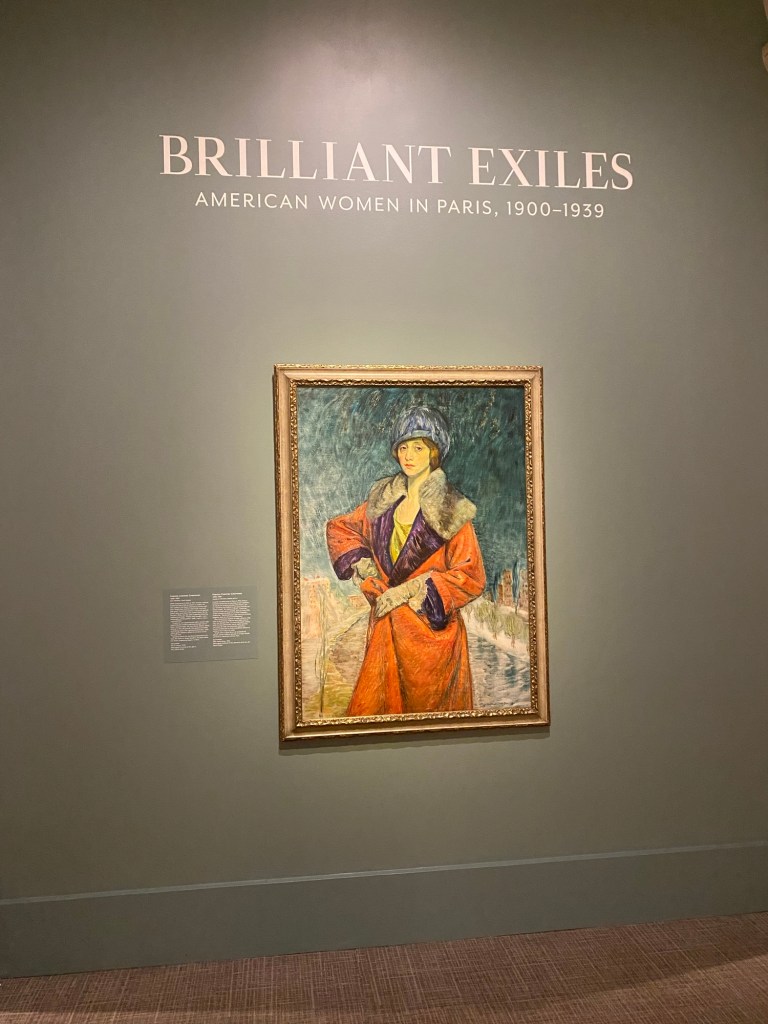
As it just so happens, the museum had two exhibitions that were perfect for our artistic preferences. In this post, I’ll discuss one of those exhibitions (I’ll share the other exhibition in a separate post). Brilliant Exiles: American Women in Paris, 1900–1939 is a stunning collection of works from the various genius women that found themselves living in Paris pre-WWII for the same reason. Paris, during this time, was progressive enough for female creatives who wished to hone their crafts, giving them an environment to do so without the stigmas, pressures, or expectations of life in America. The women were often in Paris for art school, but ending up in some cases staying longer than expected, so they could continue to enjoy the freedom that Parisian life offered.

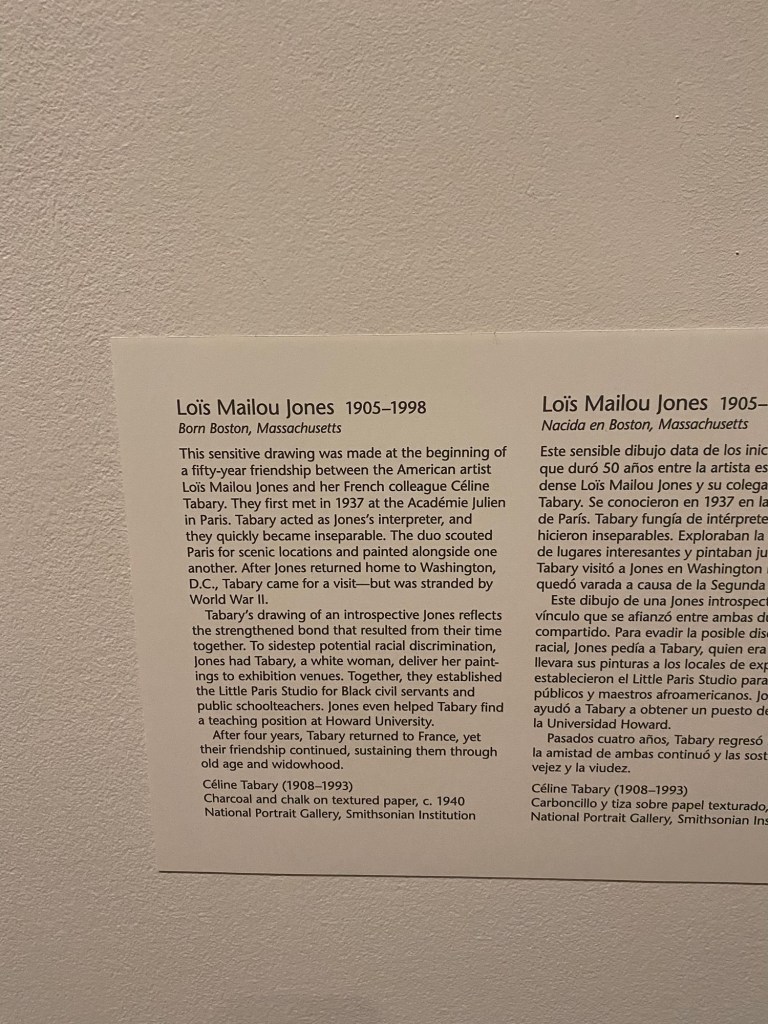
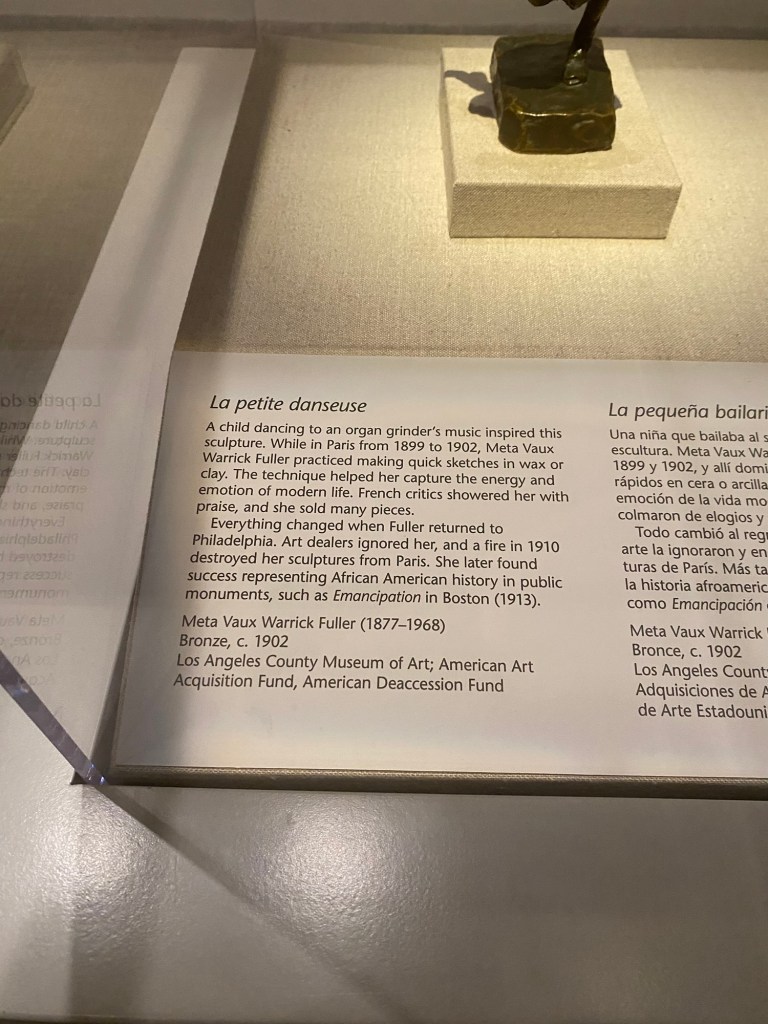
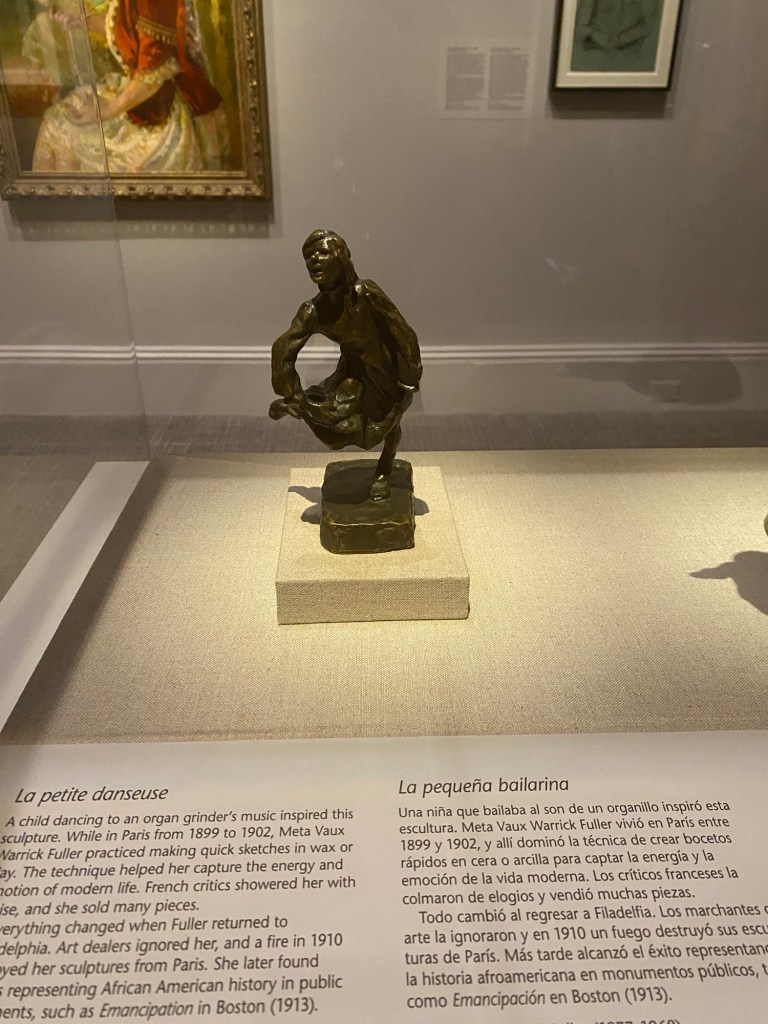
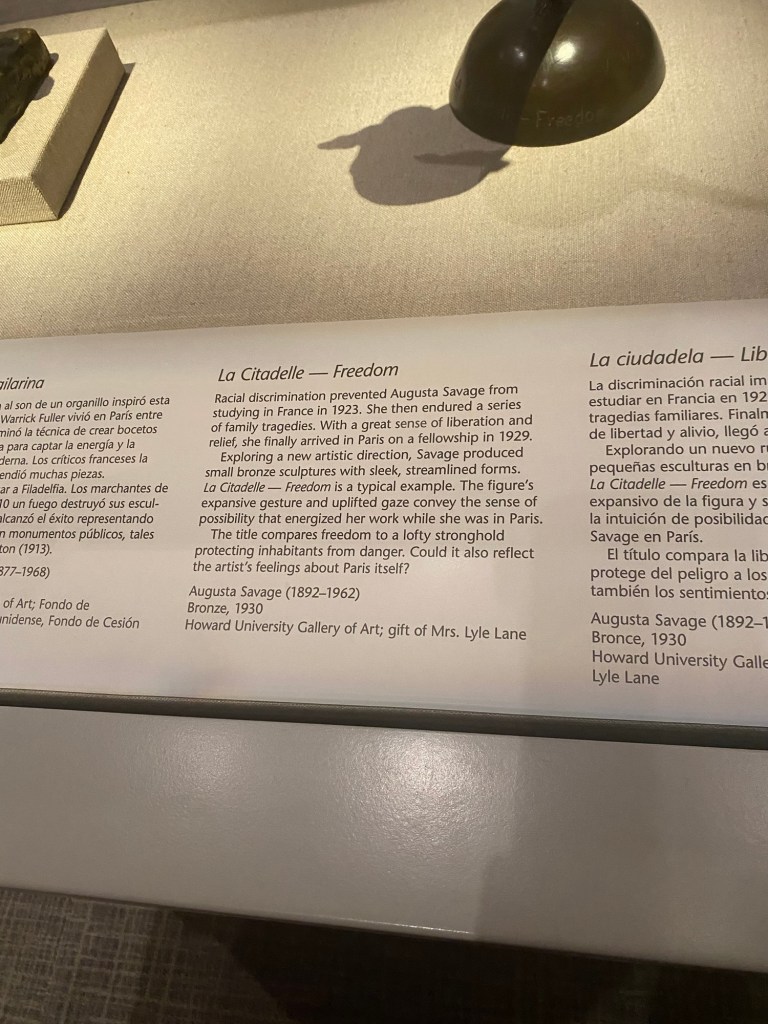
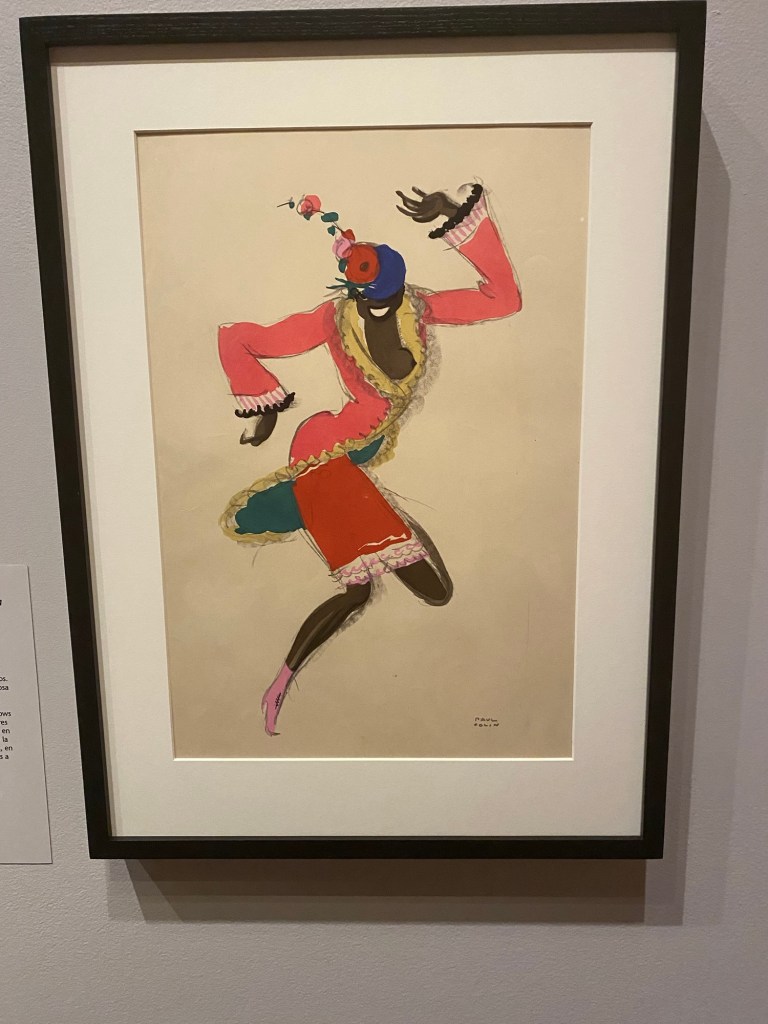
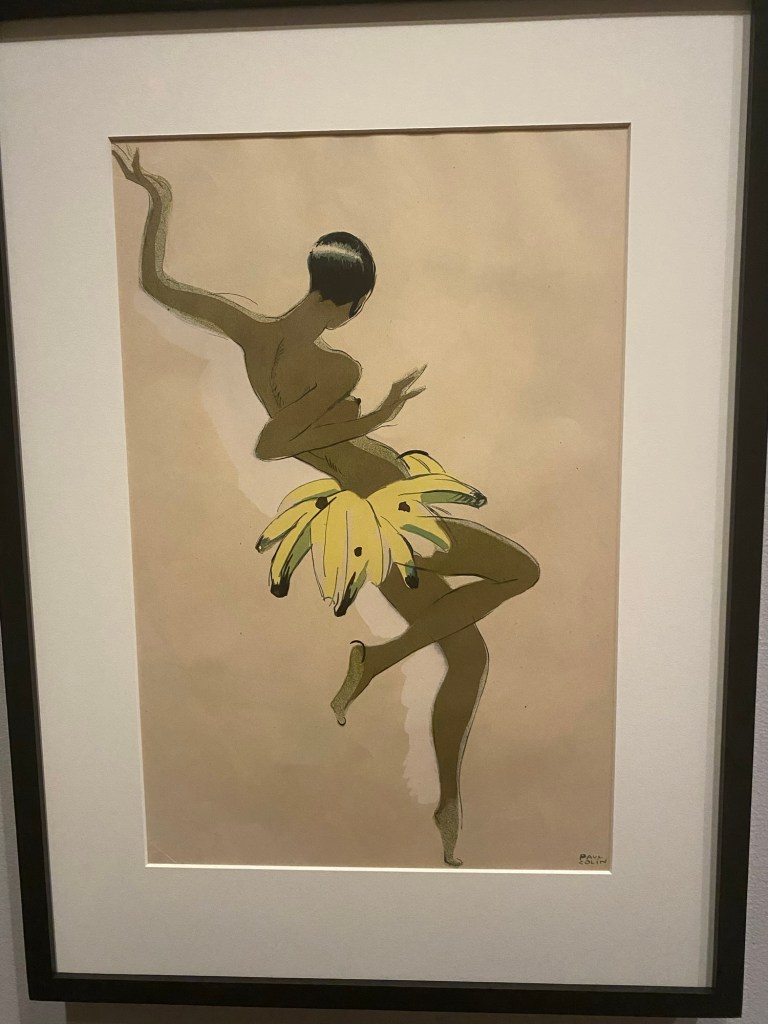
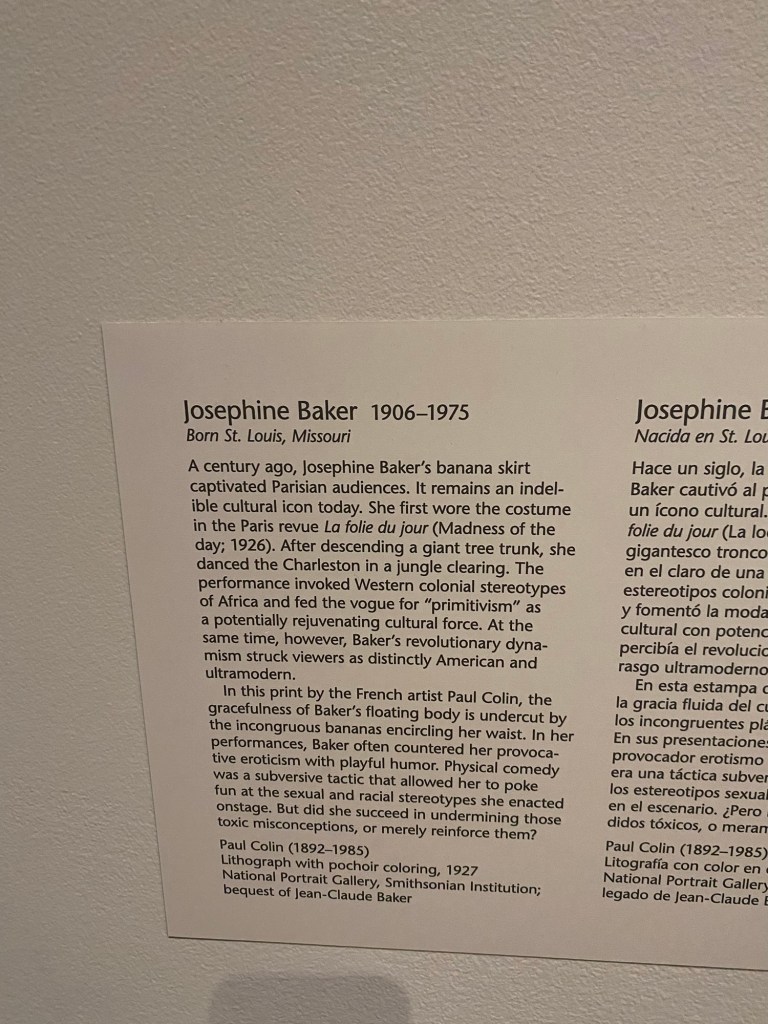
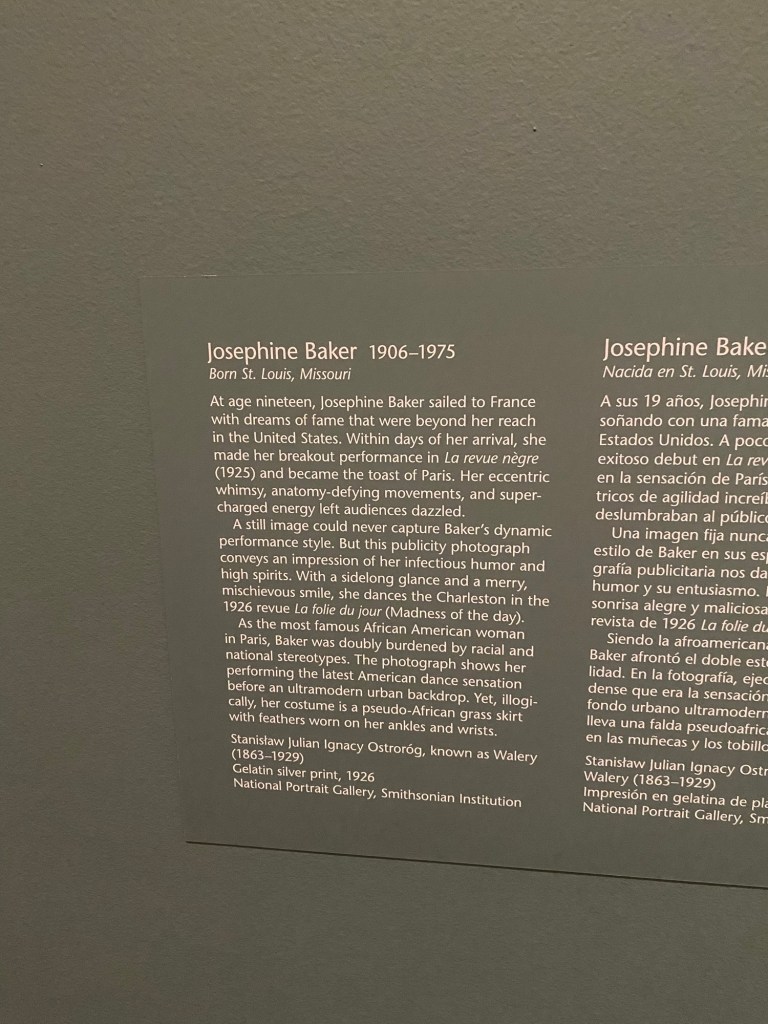
I focused on the Harlem Renaissance section of the exhibition, since this period fascinates me and offers many relevant lessons for creatives in the current day. I was thrilled to see some of my favorite artists represented in the collection, including Lois Maillou Jones, Augusta Savage, and Meta Vaux Warrick Fuller. And, naturally, no exhibition about the Harlem Renaissance would be complete without a Josephine Baker feature.

Sculptress Augusta Savage
Sketch of Lois Maillou Jones

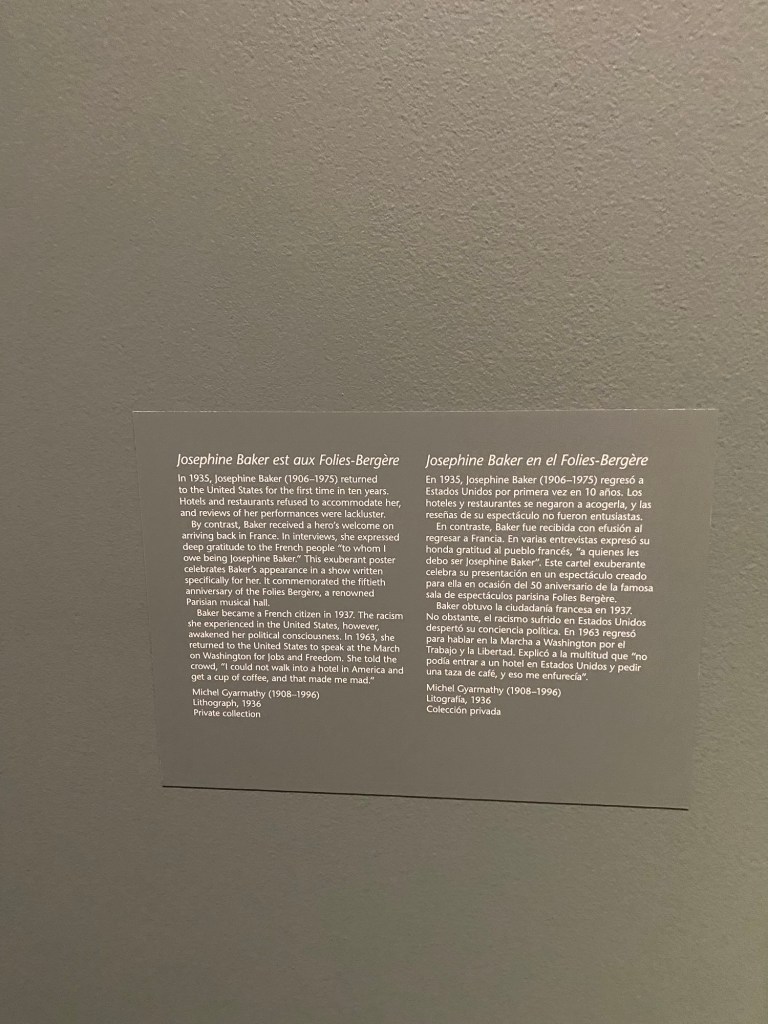
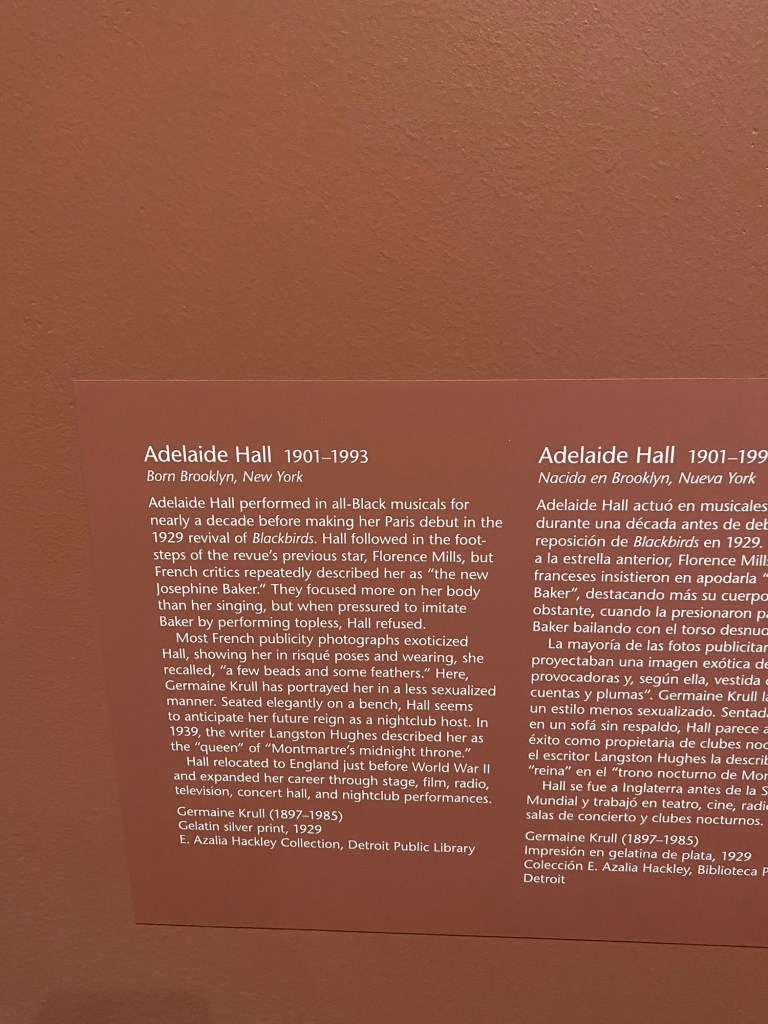
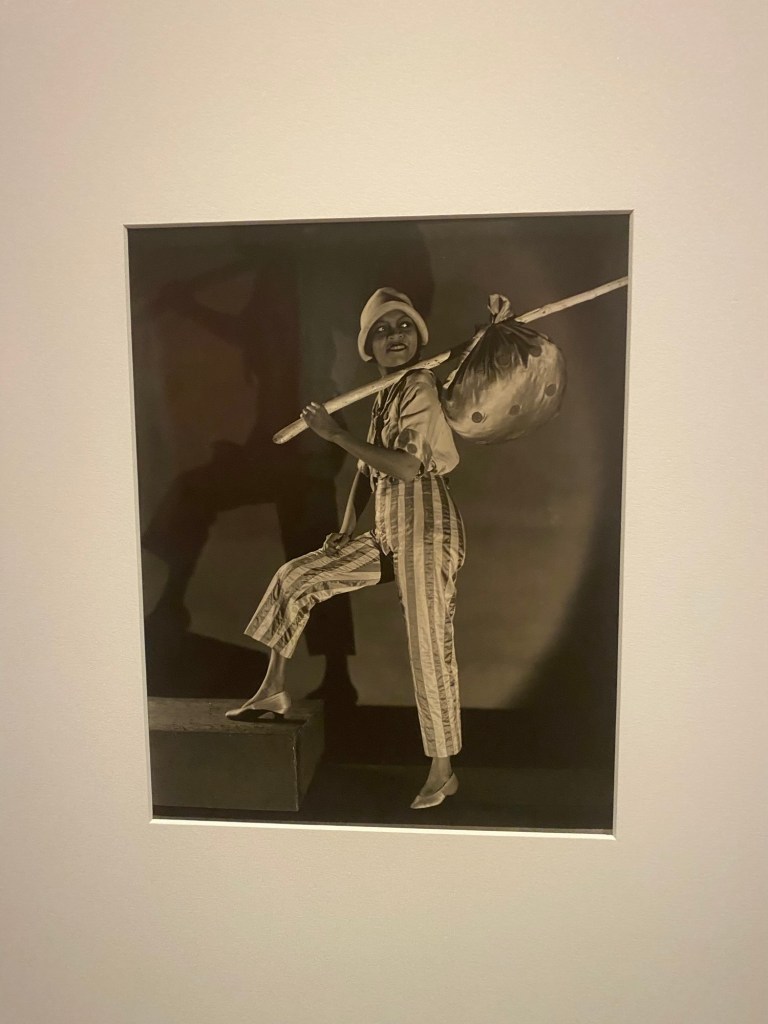
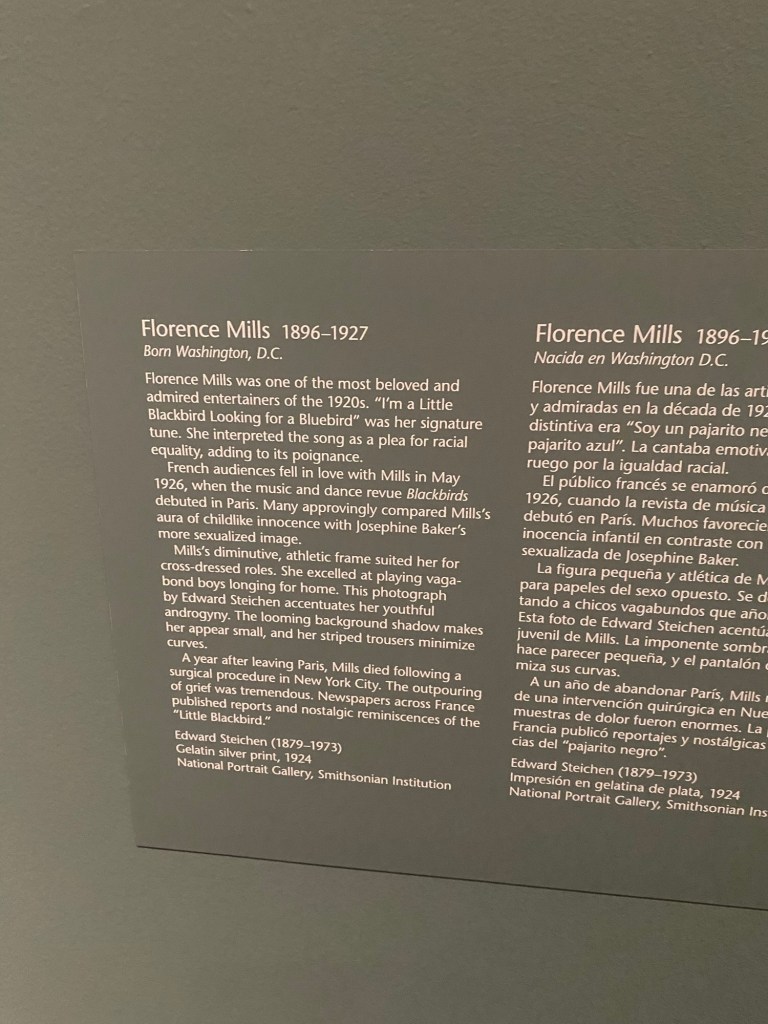
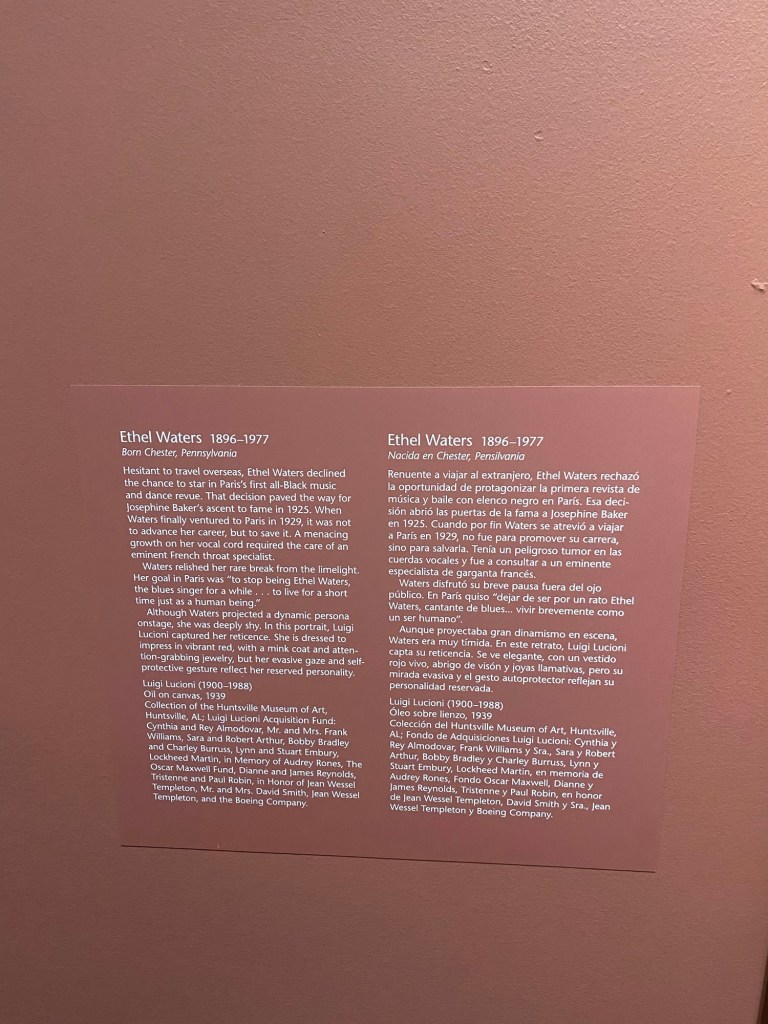
I was delighted to see other singers that are sometimes overlooked during the conversations around influential vocalists during this period. Florence Mills, Nora Holt, Adelaide Hall and Ethel Waters were also highlighted in this exhibition, which was a refreshing surprise.

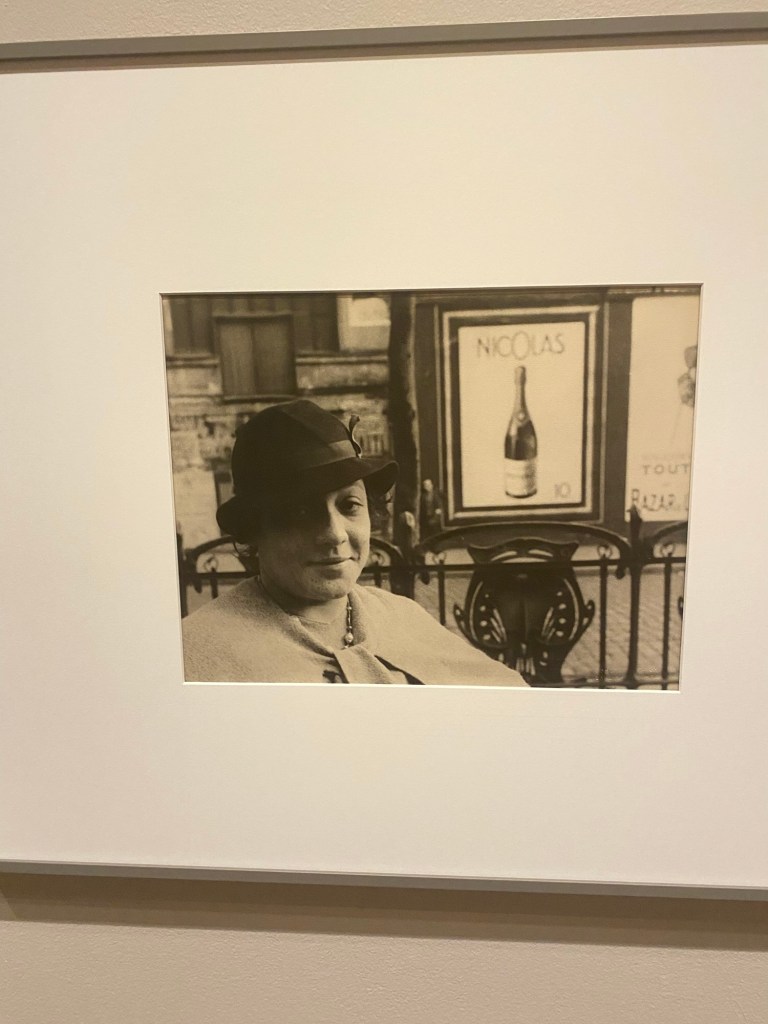
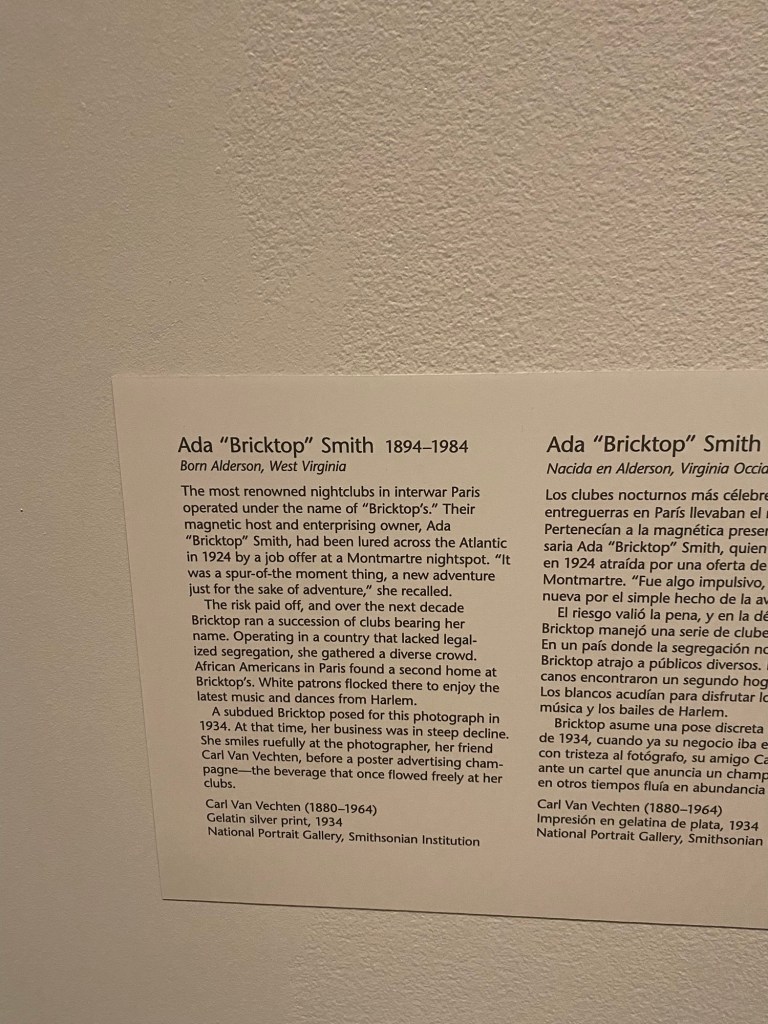
I was tickled to see a photograph of one of my favorite jazz-era entrepreneurs, Ada “Bricktop” Smith. Her Paris nightclub realized a level of success that Smith could have not even fathomed in America. I love that her entrepreneurial spirit led her to a foreign country, where she enjoyed a long and fruitful career.
This collection also introduced me to Laura Wheeling Waring, an African American female portraitist that captured some of the most brilliant women of the time. I fell in love with her portrayal of Jessie Redmon Fauset, the poet and literary editor of The Crisis, a magazine that published the works of a number of Harlem Renaissance greats (such as Langston Hughes, Claude McKay, Nella Larsen, and many others).
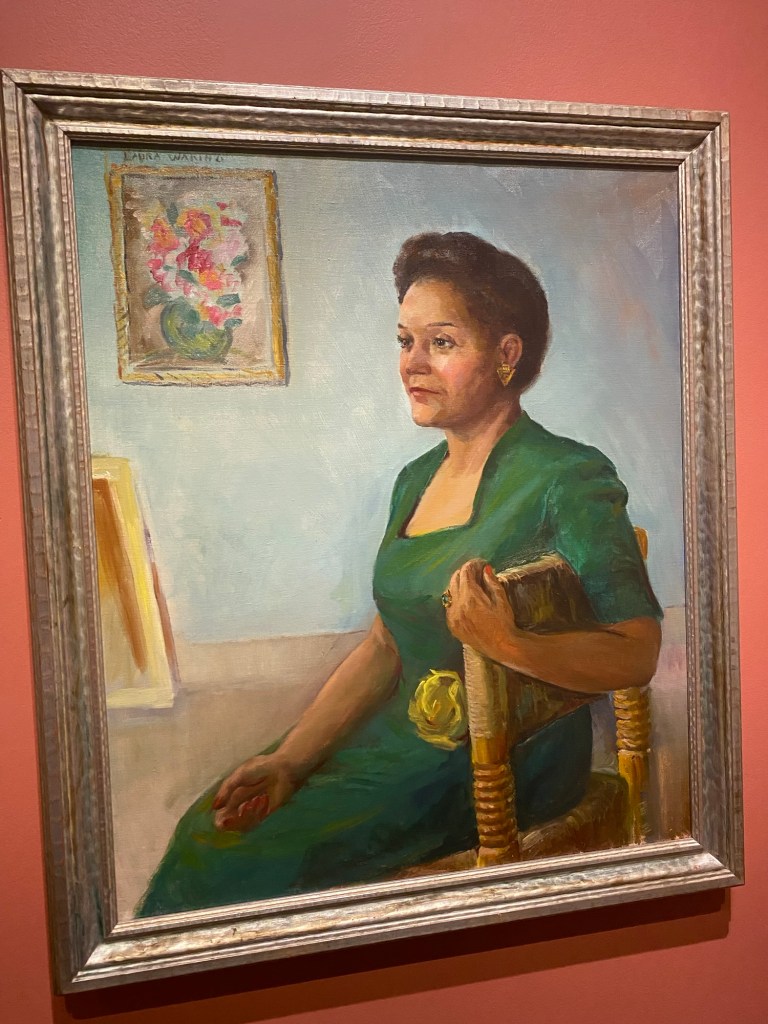
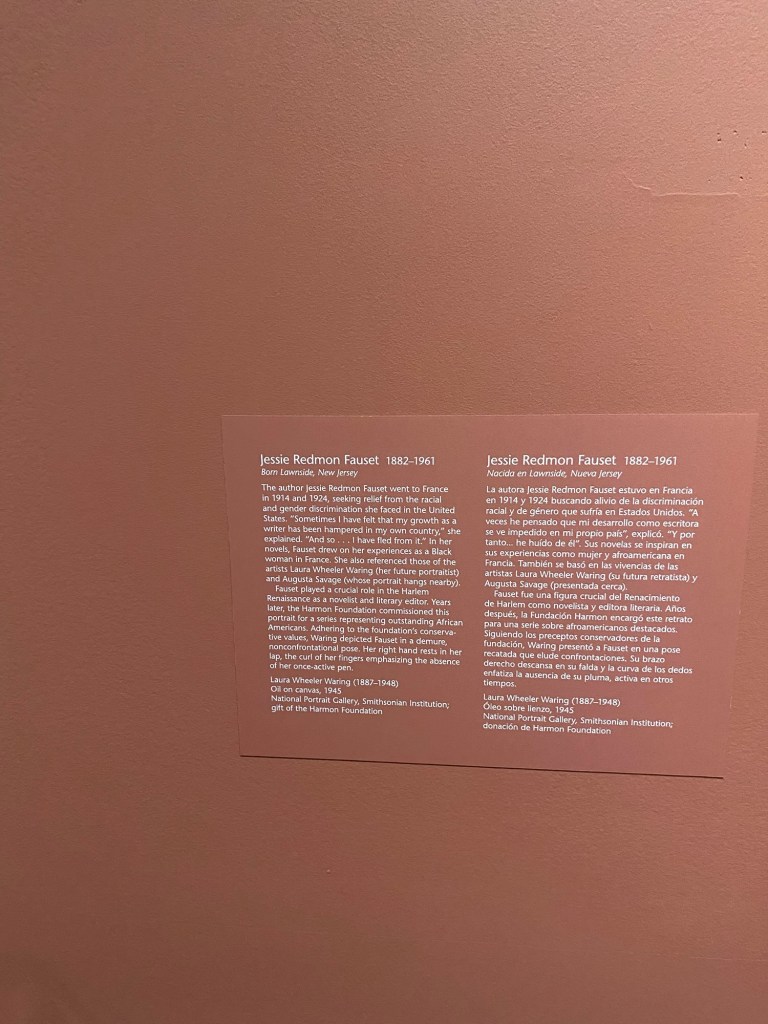
Jessie Redmon Fauset by Laura Wheeling Waring

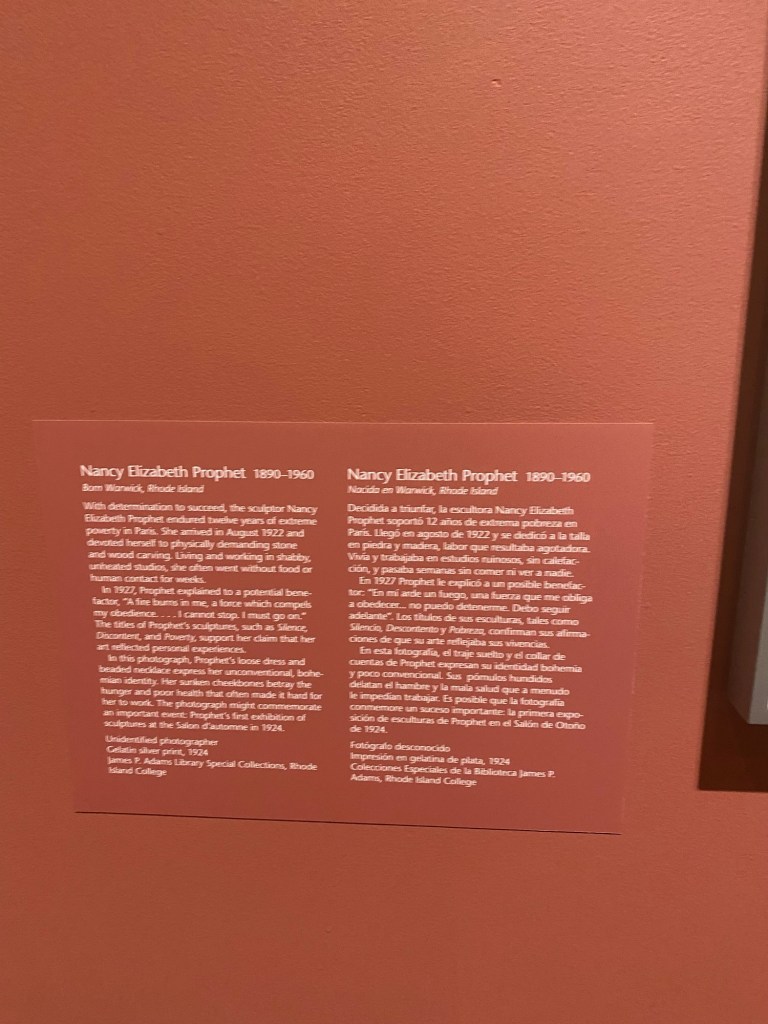
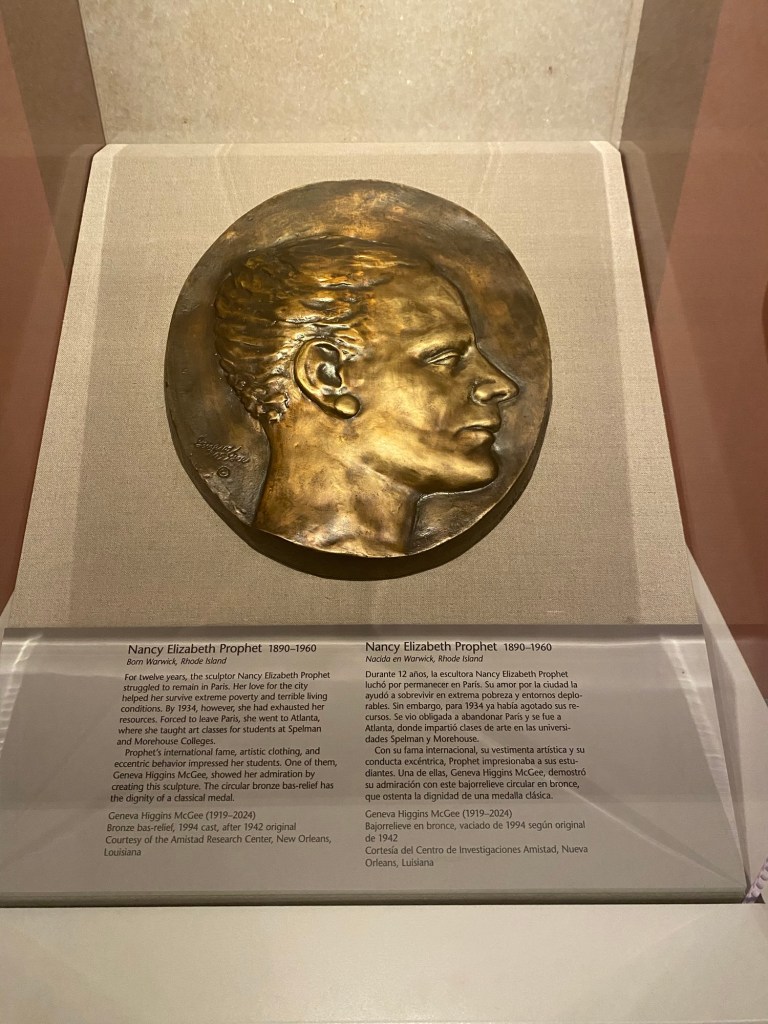
The exhibition also re-introduced me to Nancy Elizabeth Prophet, a sculptor that I’m excited to learn more about. I was captivated by her story, especially her diligence to her craft. She was so devoted to sculpting that she suffered through extreme poverty and physically demanding tasks (like carving stone and wood) in France, just to ensure that she could bring forth the art she desired to create. These hard times took a toll on her, but her efforts paid off, and she enjoyed success during her lifetime.
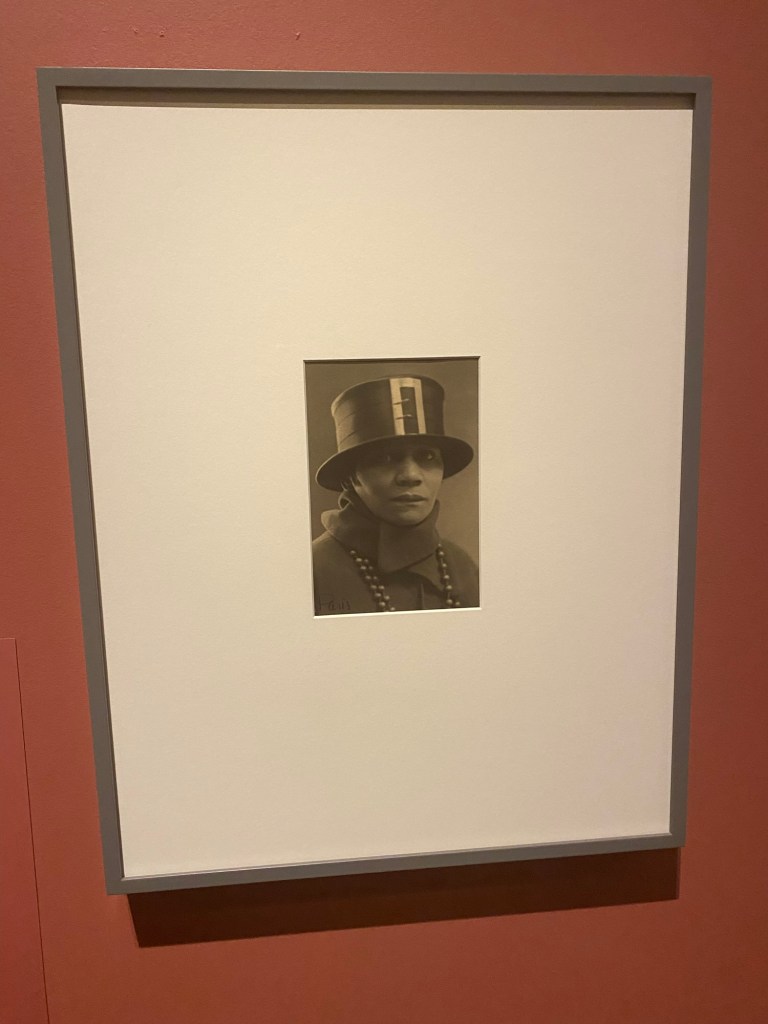
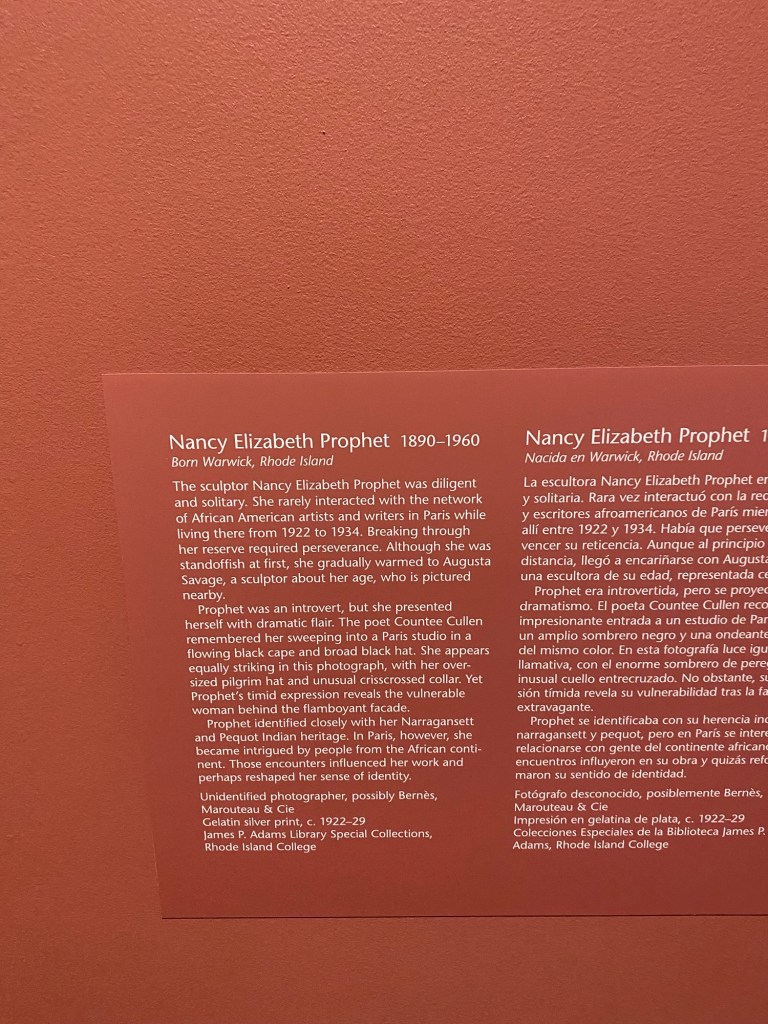
It warms my heart to know that, during a period of time where Black women in America were often pigeonholed into careers that were neither financially nor emotionally fulfilling, there were some brave and fortunate women that got to leave the States and experience peace and freedom in Paris. I am blessed to see portraits of these women, and even artwork that they created, during this exciting time in history.

The exhibition runs until February 23, 2025. I hope you all get a chance to check it out!
books · culture · reading list · relaxation · words of wisdom · writing

Writers Wednesdays: What I’m Reading This Month

Happy Black History Month! I know I’m a bit late with this post, but I’ve been trying to get back on track with my writing and filming schedule (no easy feat, but I’m getting there!)

I posted a video on my YouTube channel last week, discussing the Black authors that I will be reading this month (I originally had five hardback and paperback books, but also added some digital books to the mix, just in case I finished before the end of the month). I’m focusing on reading up on a few different topics (not just self help!) and branching beyond American-centered stories, which is new for me.

Here is my book list for the month: I’m looking forward to diving into these.

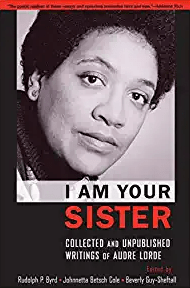
I Am Your Sister by Audre Lorde is the book I’m reading first. You all already know about my love for Audre (I posted some of my favorite Audre quotes a few years back). This book is DENSE, so I already know it’s going to take me a bit more time, and a subsequent read (or two, or three . . . ) to get a good grasp of what she believed and taught. After I finish that, I’ll dive into Things Fall Apart by Chinua Achebe. I’ve heard the title before but I’m completely unfamiliar with the plot of the book so I’m really looking forward to this one.

It wouldn’t be my book list is I didn’t include at least one self-help/advice book. Drop the Ball by Tiffany Dufu promises to show me how to achieve more while doing less. Less effort, more results? Sign me up!

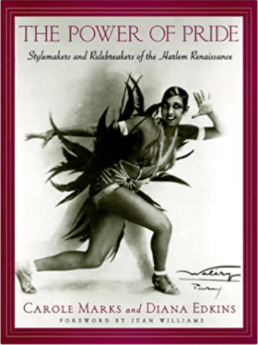
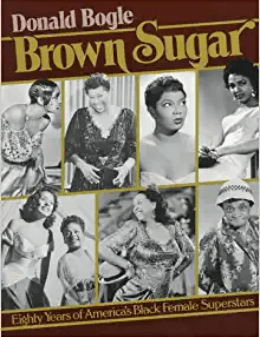
The next two books are about the history of Black entertainment in the US. The Power of Pride by Carole Marks and Diana Edkins spotlights the superstars of the Harlem Renaissance, including some lesser-known luminaries of note. Then, I’ll be enjoying Brown Sugar by Donald Bogle which focuses on Black actresses, singers and other entertainers from the 1920s to 1970s. I’m really excited for both of these books, since I’m in love with all things vintage.

*If* I can get through the main book list, then I have a few others that I can read, that should cover me until the end of the month. The first is The Source of Self Regard by Toni Morrison, a book that I purchased last year in anticipation of a book club meeting that I planned – and failed – to attend. In any case, I’ve always loved Toni Morrison (I’ve posted about her here and I also wrote about her here, after her passing) and enjoyed her works immensely, so this should be a great one.

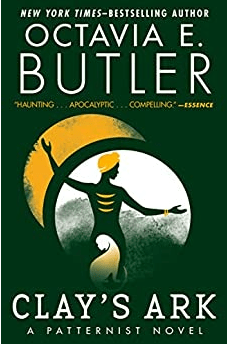
Finally, I have one more book that made it onto my back-up list: Clay’s Ark by Octavia Butler (I previously read Wild Seed and Mind of My Mind, in this set: “Seed to Harvest: The Patternist Series“). As a huge Octavia Butler fan (I posted about her ages ago), I’ve been eager to get back into reading her books, and Clay’s Ark was next on my list. And, since March is Women’s History month, I can always continue my reading streak and carry this book and the Toni Morrison one into the next month, if I run out of time in February.

That’s my reading list for the month: I’m looking forward to each of these! Do you have any books you’re reading this month? I’d love to hear all about them in the comments below. Also, here’s my YouTube video, discussing these books a bit more:

(This post contains affiliate links)

art · culture

Celebrating the Arts

One of the greatest joys of my life was visiting museums. Prior to 2019, I regularly worked in Washington, DC, which meant that I could easily go to a major museum during my lunch break or after work. I loved walking those corridors and taking in art from all around the world, as well as art that documented the history of America. Nothing was as soothing to me as spending time at the Smithsonian and checking out the latest exhibitions.

However, things changed drastically at the end of 2018. I was unable to walk more than a few feet without getting winded, I could only sleep for an hour or so at a time, and the unrelenting body aches that I experienced left me frustrated and frightened. As someone that was used to being far more active, I was terrified of these mysterious symptoms that took away my basic abilities to navigate the world like I’d previously done. As it turns out, I had fibromyalgia, and I immediately started a telework schedule that would allow me to rest as needed throughout the day. Unfortunately, my condition made traveling to DC absolute torture. So, I had to put my museum mini-trips on hold until my health improved.

I still haven’t gone back to visit the museums in DC, though I have spent some time at my local museum earlier this year (I was thrilled to finally be able to walk around a bit without experiencing excruciating pain). However, it’s National Arts and Humanities Month, and I just want to take a moment to share some of the amazing things happening at the Smithsonian in honor of this month-long celebration.

On October 23rd, the Smithsonian will be kicking off its own craft show. The show will occur virtually, and the theme is Celebrating American Artistry. The crafts featured in the show are created by carefully selected artisans that create work that reflects American aesthetics and sensibilities. What better way to celebrate art than to purchase some for yourself? Interested shoppers can securely purchase items through the Smithsonian platform, adding a layer of assurance for both shoppers and the craftspeople that are involved in the exchange. The event ends on October 31st.

The Arthur M. Sackler Gallery, the Asian art museum within the Smithsonian, is the host of the DC Turkish Film Festival. The films that are featured in this festival are all available online for free, so anyone can enjoy from the comfort of their homes. The films will be available through the Sackler Gallery through October 31st.

The companion to the Sackler Gallery is the Freer Gallery. At the Freer Gallery, the Hokusai: Mad About Painting exhibition is a fascinating dive into the art of Katsushika Hokusai, a Japanese artist that is arguably among the country’s most famous painters. The Freer Gallery has an impressive collection of Hokusai’s work, and anyone interested in learning more about this gifted artist would do well to check out this exhibition. But hurry: it will only be at the gallery until January 9, 2022.

The National Museum of African Art (located just one block from the Free and Sackler Galleries) is currently displaying Heroes: Principles of African Greatness, an exhibition that centers on how art is used to tell the stories of heroism and the traits of effective African leaders. This one is definitely worth checking out sooner rather than later, since the end date for this exhibition is still to be announced. Nothing is worse that postponing a visit and finding out that you mistimed your travel and lost the opportunity to do something that you wanted to do (trust me: it’s happened to me, and it was no fun!)

Finally, the Archive of American Art is hosting the exhibition, What is Feminist Art? This exhibition is a continuation of a discussion that was initiated back in 1976, and some of the same artists that participated in the 1970s also participated this time around. This exhibition promises to be an eye-opening discussion on feminism and how it has changed, or remained the same, over the past 45+ years. This exhibition closes on December 31st.

Would you check out any of these exhibitions? Or, do you have other plans to celebrate National Arts and Humanities Month? I’d love to hear all about it in the comments below!

art · culture · music

Giving Gladys Her Flowers

During one of my many jaunts down the Google rabbit hole, I found myself in 1930s-40s-50s Black American music history. I always love looking at the style of clothing, listening to the recordings of the artists, and finding out some of the fascinating backstory that led to their rises to fame and, many times, their untimely and tragic demises.

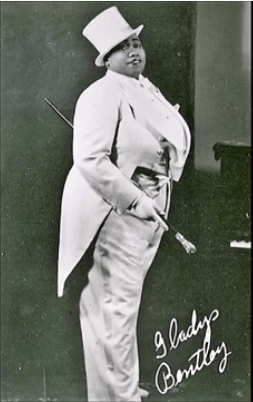
Every now and then, I find myself in an interesting corner of Black American history. One such corner is the part of history that contains the legacies of LGBTQIA+. In this corner is where I found Gladys Bentley, lesbian icon, trailblazer, and unapologetic star.

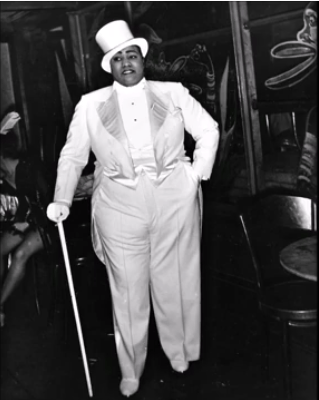
Prior to this year, I was completely unfamiliar with Ms. Bentley’s story. However, when I read about her, I made sure to jot her name down so I could write about her when I had the chance. I’m fortunate to be able to discuss her life and legacy now. When I saw a photo of her, I was immediately struck by her impeccably tailored white suit (at least, I think it was a white suit: the photo was in Black and white, after all), her matching cane, and a white top hat worn at a jaunty angle. Everything about her screamed stylish and confident star.

But it was her story that made me want to both cheer and weep. Ms. Bentley was a cross-dressing star during the Harlem Renaissance, a period of time that embrace the avant garde and brilliant creative endeavors of Black performers. During this time, she thrived due to the novelty of her act, but her talent is what kept people hooked on Gladys. She could sing well, play piano, and work a crowd like no other. Her song selections were risque and fit the vibe of the smoky speakeasies where she performed. She didn’t try to pass as a man: she made no attempt to hide her full bust or wide hips. She achieved major success for several years, and she lived luxuriously during this time.

Sadly, her story had a heartbreaking beginning and a tragic end. Ms. Bentley was initially rejected at birth by her mother, who wanted a son. While her mother eventually started to care for her a few months after her birth, the trauma (and, no doubt, toxic messaging that was doled out over time) lingered and was what she believed was the root cause of her sexual orientation. Years later, as her career declined, she tried to live as a heterosexual woman, marrying and divorcing twice. She eventually died at the age of 52 from pneumonia. She claimed to have been “cured” of her homosexuality, with her cure curiously coinciding with the McCarthy Era. This is just my humble opinion, but I suspect that the claim of a “cure” was probably Ms. Bentley’s way of protecting herself from additional harassment and potential abuse. But that’s just a speculation.

I had a chance to check out some of her discography, and I enjoyed listening to Ms. Bentley’s full, resonant voice. Anyone that has listened to recordings from the first half of the 1900s knows how difficult it is to enjoy some of the songs. The recording quality, as well as the style of singing preferred by the public, is quite different from the music preferences of the past 30 years or so. That being said, I found that her voice was closer to being “timeless” than some other artists of that period. If any of her original records could be digitally enhanced, I’m sure that many of her songs would have experience a revival of sorts, becoming popular with a new generation, nearly 100 years after she first sang them.

I wish Gladys Bentley was more well-known today, and I sincerely hope that this post, though simple, honors her memory. Instead of focusing on the tragedy that she experienced, I will share the gift of her music with you all. Here is a YouTube video of one of her songs. Enjoy.

art

A Trip to the Dirty South

After many months of staying inside and avoiding gathering in public places, I finally ventured out and visited my beloved local museum, the Virginia Museum of Fine Arts (VMFA). The museum reopened a while ago but it’s been well over a year since I’ve visited. It was a little eerie to return to the museum: it took me a moment to reacquaint myself with the layout. But once I started walking around a bit, it all came back to me.

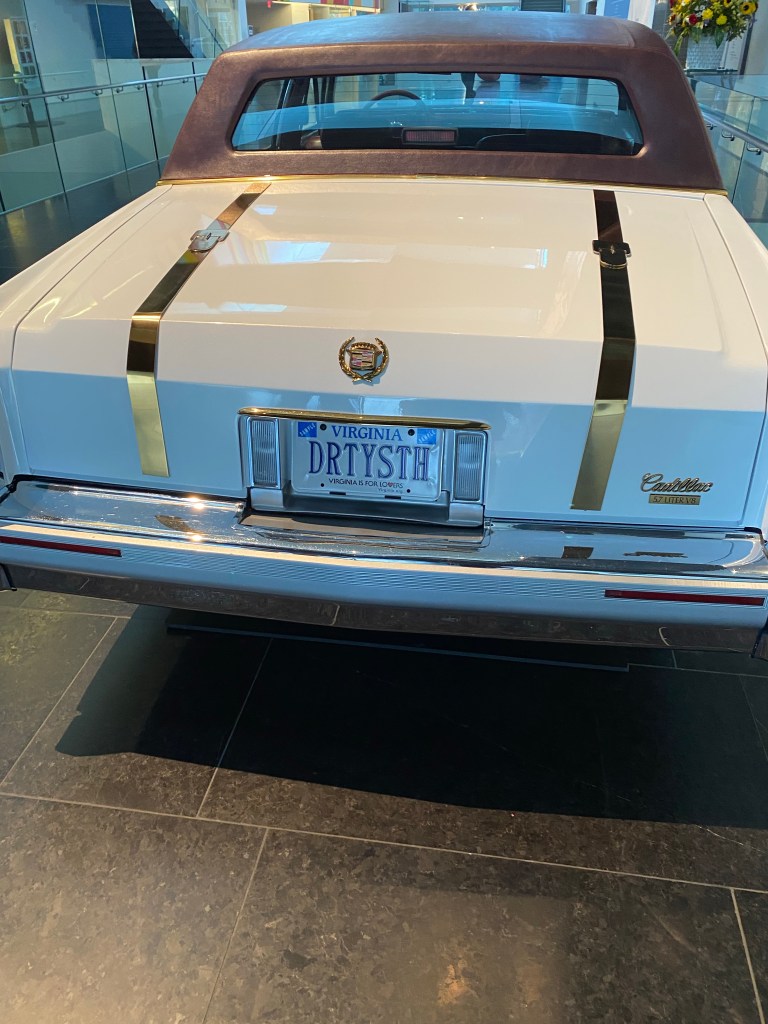
For anyone that has not visited VMFA before, let me tell you, it is a gorgeous museum with incredible permanent and visiting exhibitions. If you’re in the area, it’s definitely worth checking out. And, if you’re visiting anytime before September 6, 2021, you can view a very special exhibition that highlights Southern artistry and creativity. The Dirty South: Contemporary Art, Material Culture, and the Sonic Impulse gives visitors a peak into the energy and dynamism of 20th century Southern Black American culture and artistry. According to VMFA’s website, the exhibition, “[…] chronicles the pervasive sonic and visual parallels that have served to shape the contemporary landscape, and looks deeply into the frameworks of landscape, religion, and the Black body—deep meditative repositories of thought and expression.” This fascinating exhibition combines both visual and audio art, to create a truly immerse creative experience.

Naturally, I took pictures while I was at the museum though, for this visit, I focused more on savoring the fact that I was finally visiting this beautiful space after a long year. Here’s a little bit of the Dirty South experience:

Cadillac in the museum atrium that greets visitors
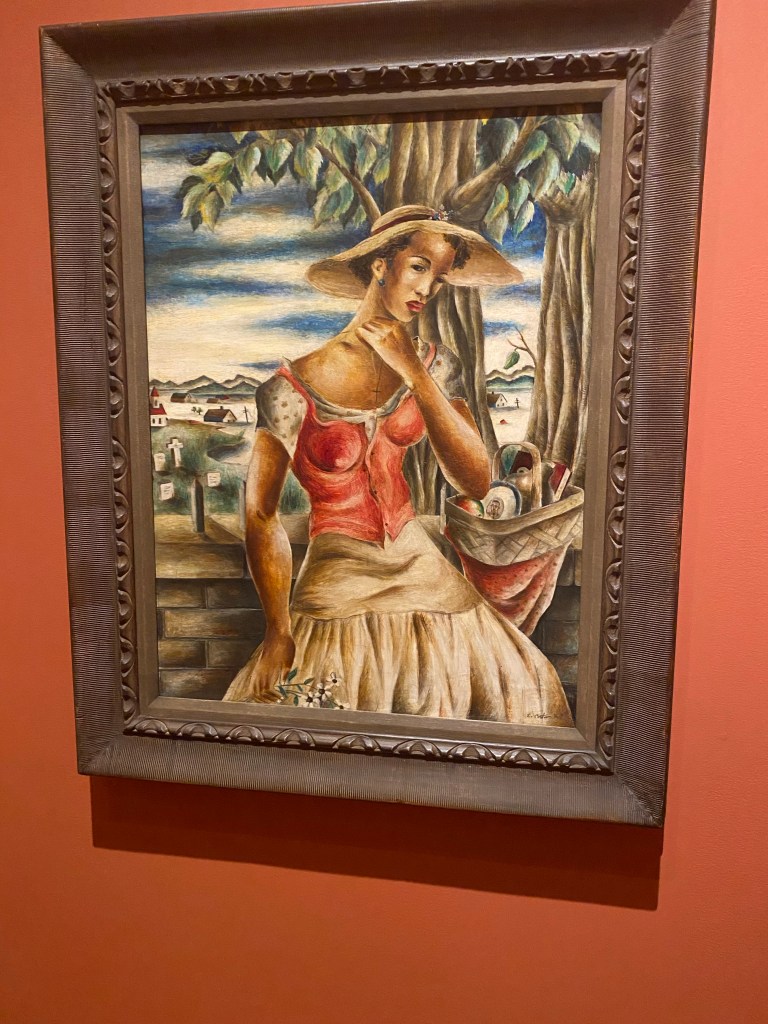
Southern Landscape (1941) by Richmond’s own Eldzier Cortor (1916-2015)
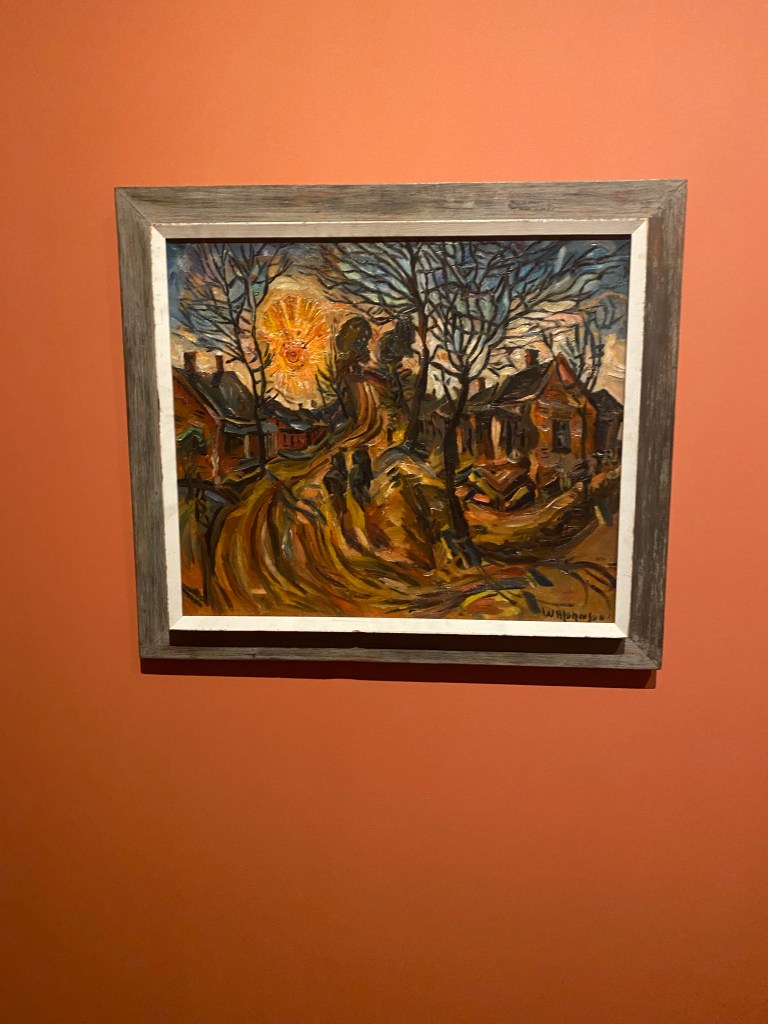
House Sun Tree (Landscape with Sun Setting, SC) (nd) by William H. Johnson (1901-1970)
Saint Expedite I (1971) by Joe Overstreet (1933-2019)
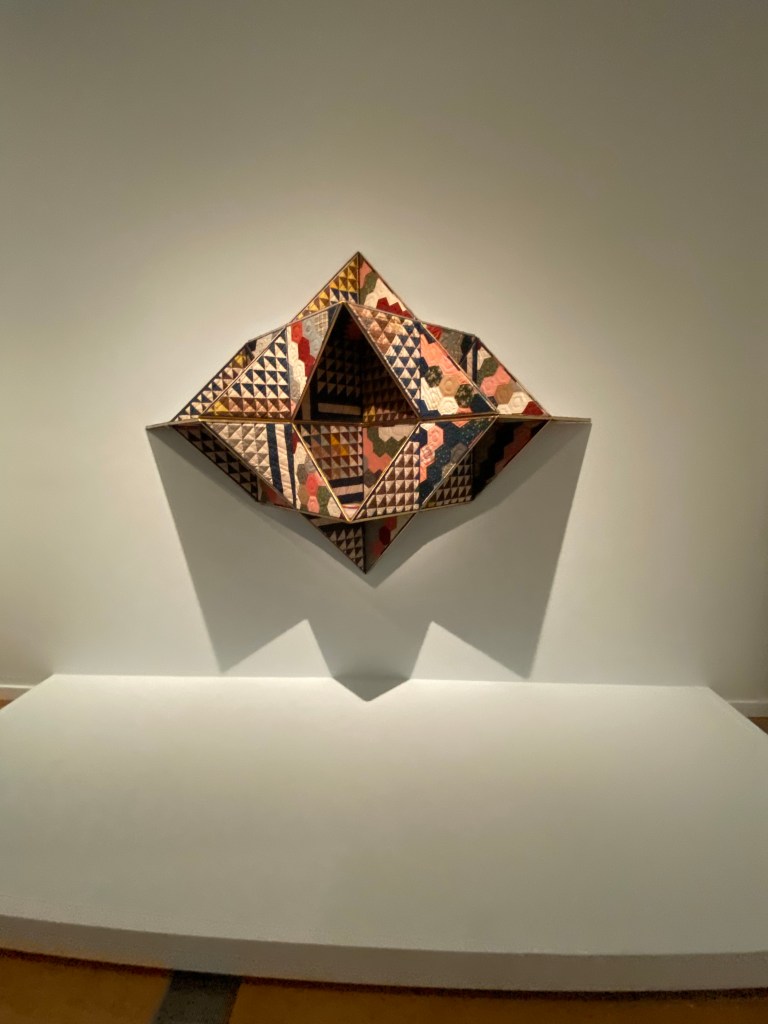
Khemestry (2017) by Sanford Biggers (born 1970)
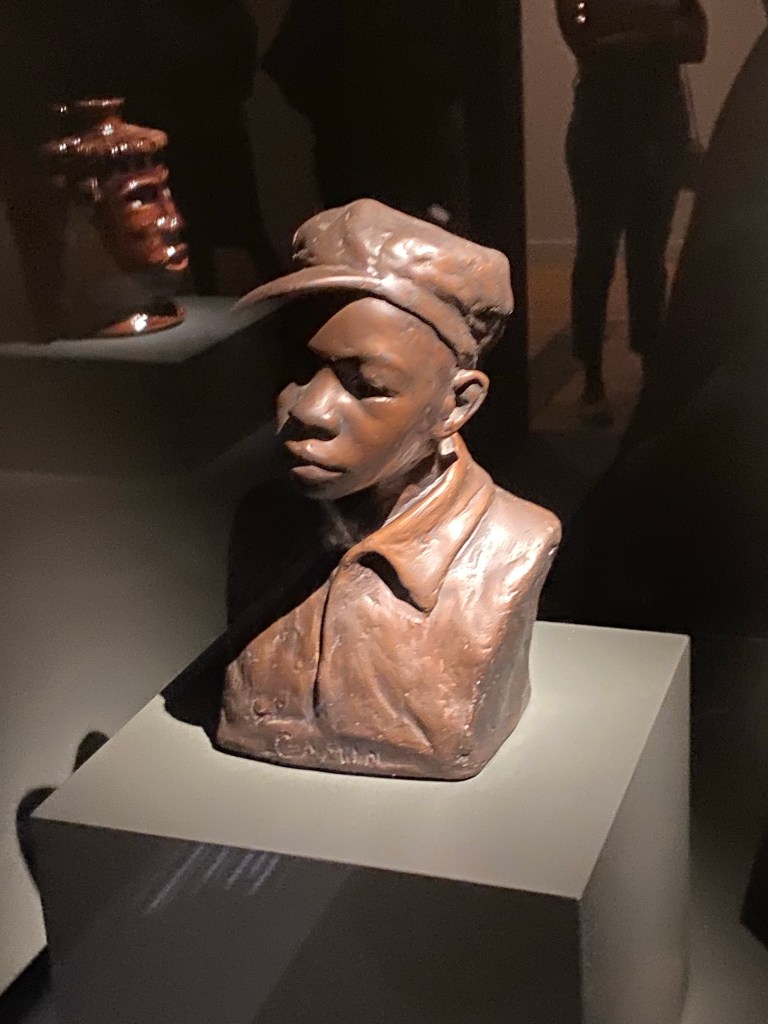
Gamin (1940) by Augusta Savage (1892-1962)
From Asterisks in Dockery (2012) by Rodney McMillan (born in 1969)

I hope you all enjoyed the photographs! And if you have a chance to visit the exhibition, I highly recommend that you check it out: it’s worth a visit, for sure!

life curation · luxury · style

My Luxury Purchase Goals Are Changing …

This one published before I could finish writing it! Here’s the finished post.

As I mentioned in last week’s post about my 2021 goals, I reflected upon my luxury purchase goals and something about it just didn’t resonate anymore. Make no mistake: I still LOVE luxury and I enjoy spending a bit more in order to have something truly unique or expertly crafted. However, I noticed that nowhere on my list were any designers of color.

And that, dear friends, is unacceptable.

I realize that there is a need to shine a bigger spotlight on creatives – especially in the fashion world – that are also people of color (POC). As a Black American woman that enjoys supporting local Black-owned businesses and creatives, I am eager to extend that same energy into my bigger purchases. So I’m revising my luxury purchase goal list to reflect only Black, Indigenous, and other People of Color (BIPOC) designers. My purchase priority is also in that same order: I’m prioritizing Black American – specifically, American Descendants of Slavery (ADOS) – creatives, then Indigenous creatives (especially Native American and other people indigenous to the Americas), and then other POC.

I’ve decided to rank my purchase priority in this way (placing special emphasis on ADOS creatives) because oftentimes these designers end up reinvesting into other ADOS designers. I admire any group that prioritizes the fostering and development of talent of individuals that share their background and culture. As someone that admires this trait, I’m delighted that I as an ADOS, can participate in encouraging the development of ADOS talent by supporting ADOS designers.

While I’m excited to start actively supporting BIPOC designers, that takes me back to teh drawing board as regards my luxuruy list. I need to research new designers and figure out who excels in the kinds of designs that I favor. On the bright side, this exercise will force me to be more specific when it comes to filling gaps in my wardrobe. I’ll be more focused on getting items that truly “complete” my closet, instead of just buying things because I feel like spending some money.

In the weeks to come, I’ll share more details as I craft my new luxury purchase list, and I’ll let you all know what items I’ve purchased as I go through the remainder of the year.

That’s it for today! I’ll talk to you all tomorrow. Take care!

art

A Tale of Two Cleopatras: Comparing and Contrasting Art

Happy Thursday, friends! After a recent trip to Virginia Museum of Fine Arts, I found myself with a few art photos that I wanted to share with you all, but I wanted to do something a little different. Instead of sharing the photos and simply telling you what I think about it, I decided that it would be more fun to compare the art with a similarly themed piece that I’ve also viewed in person. That way, I can describe the similarities, differences, and which piece I favor most.

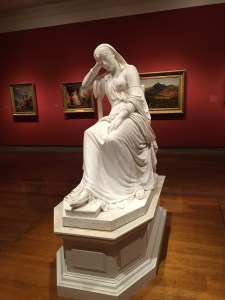
(from left to right) Edmonia Lewis, The Death of Cleopatra; William Wetmore Story, Cleopatra

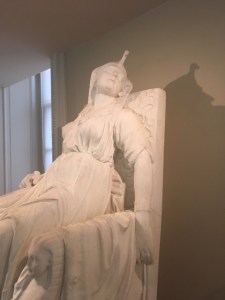
As you can see from the title, I’m comparing two marble Cleopatras today. The first work was part of my review of Edmonia Lewis’s work at the Archives of American Art (housed in the Smithsonian American Art Museum). Lewis’s The Death of Cleopatra was easily one of my favorite marble works of art at the museum.

IMG_3574

Photos of Lewis’s version of Cleopatra

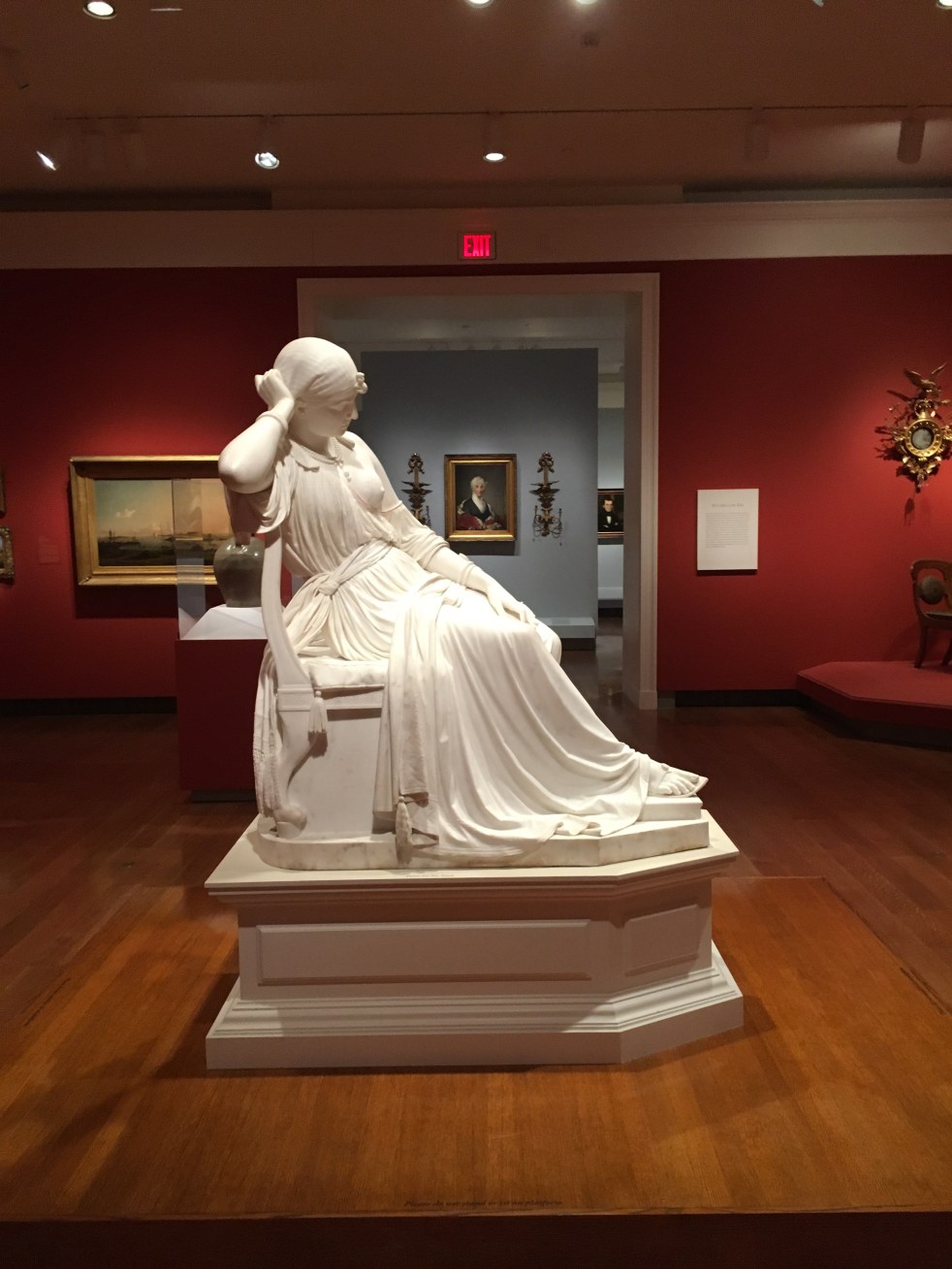
The second Cleopatra is by William Wetmore Story, and is located at VMFA. This Cleopatra – his earliest version of the tragic Egyptian queen – is located in the American galleries at the museum. The massive work sits imposingly in the gallery and, in true queenly fashion, all other art in the room are dwarfed by the stunning Cleopatra.

img_5822

To keep this focused strictly on the works themselves, I avoided reading up on Wetmore Story. So there won’t be a comparison of the artists’ lives or legacies, but we will get into these pieces and discuss what they have in common and how they differ.

For starters, the subject is the same with both pieces. Both depict Queen Cleopatra, and (interestingly) both of the pieces portray her as having traditionally Greco-Roman facial features (kudos to the artists for remaining historically accurate when it came to her face). Both statues are massive: Lewis’s is a bit taller, but the posture is different, so they are actually very close in size. Amusingly, both also depict Cleopatra with one breast exposed. Perhaps they knew something about traditional Egyptian dress that I don’t?

While both of these Cleopatras are regal and elegant, the theme of the works couldn’t be more different. Wetmore Story’s Cleopatra is pensive and in deep contemplation: she is troubled by something and has probably just asked her servants to give her some privacy. Is she thinking about lost loves, or the impending downfall of her rule? Her mind may be racing over any number of things.

img_5821

Lewis’s Cleopatra has just committed suicide and is dying on her throne as her last royal act. She has just closed her eyes and her left arm has fallen limply to her side. Even in death, her face is struggling to relax comfortably: this queen is pained to the grave.

IMG_3571

As far as fine detailing on the pieces, I’m a fan of Wetmore Story’s version. To be fair, Lewis’s work had been exposed to considerable environmental elements and poor handling, so the sculpture isn’t as impeccably detailed as it (likely) once was.

My favorite Cleopatra is probably Lewis’s version, for this reason: she captured death and pain without making it grotesque or unnaturally pretty. This Cleopatra is finding it difficult to “rest in peace” but, ever the royal, she makes us feel pride, and not pity, for her. Wetmore Story’s Cleopatra is enchanting, for sure: I loved how well he captured her troubled mental state behind her stoic, regal expression. His Cleopatra is alive with emotion; however, Lewis’s Cleopatra moves us even in death.

That’s my not-so-quick comparison of two Cleopatras. I hope you all enjoyed and will make it a goal to see both of these beautiful works at some point in time. Enjoy your day, and I’ll chat with you all tomorrow!


art · culture

Howardena Pindell’s “What Remains to Be Seen” at VMFA

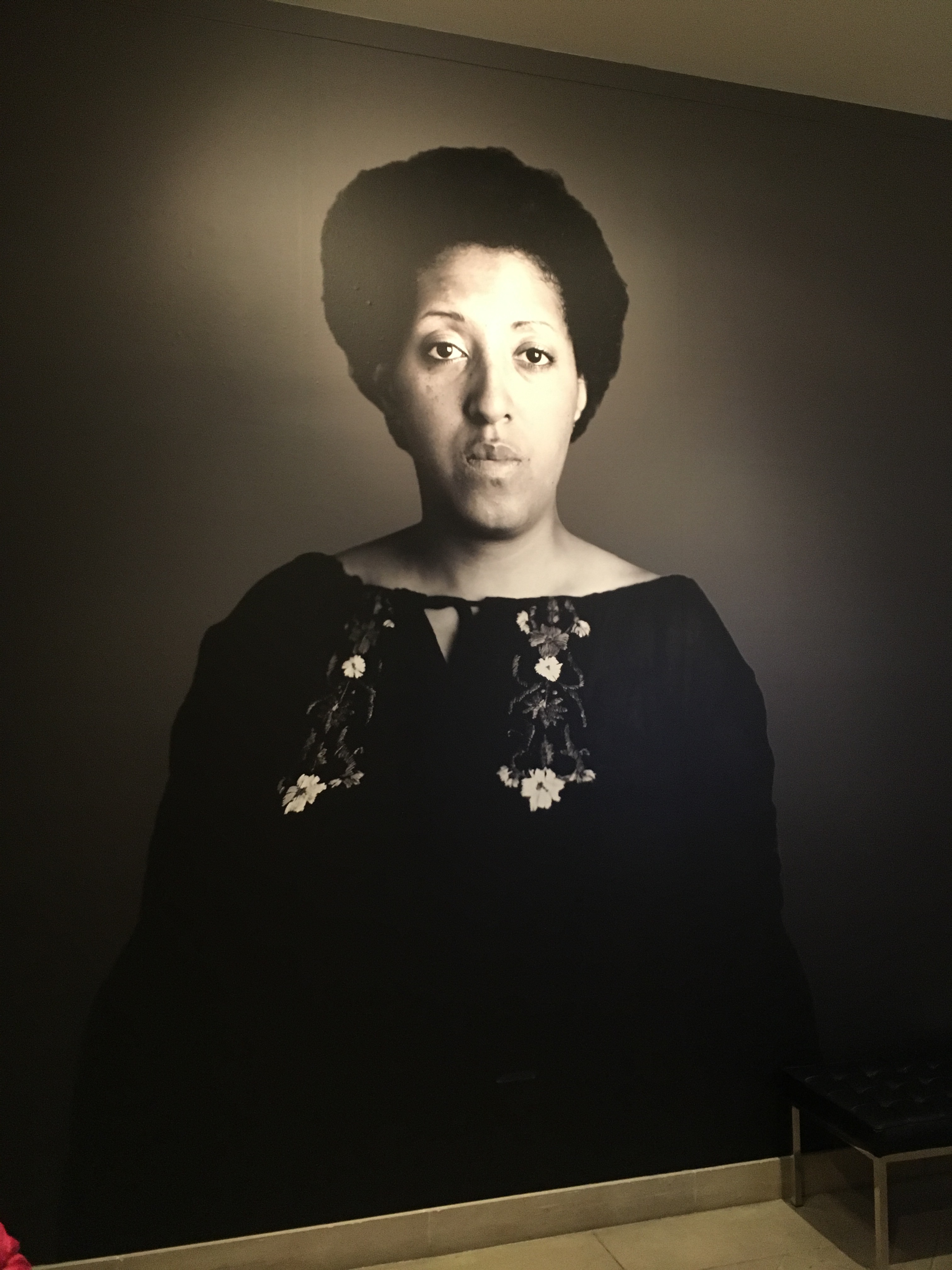
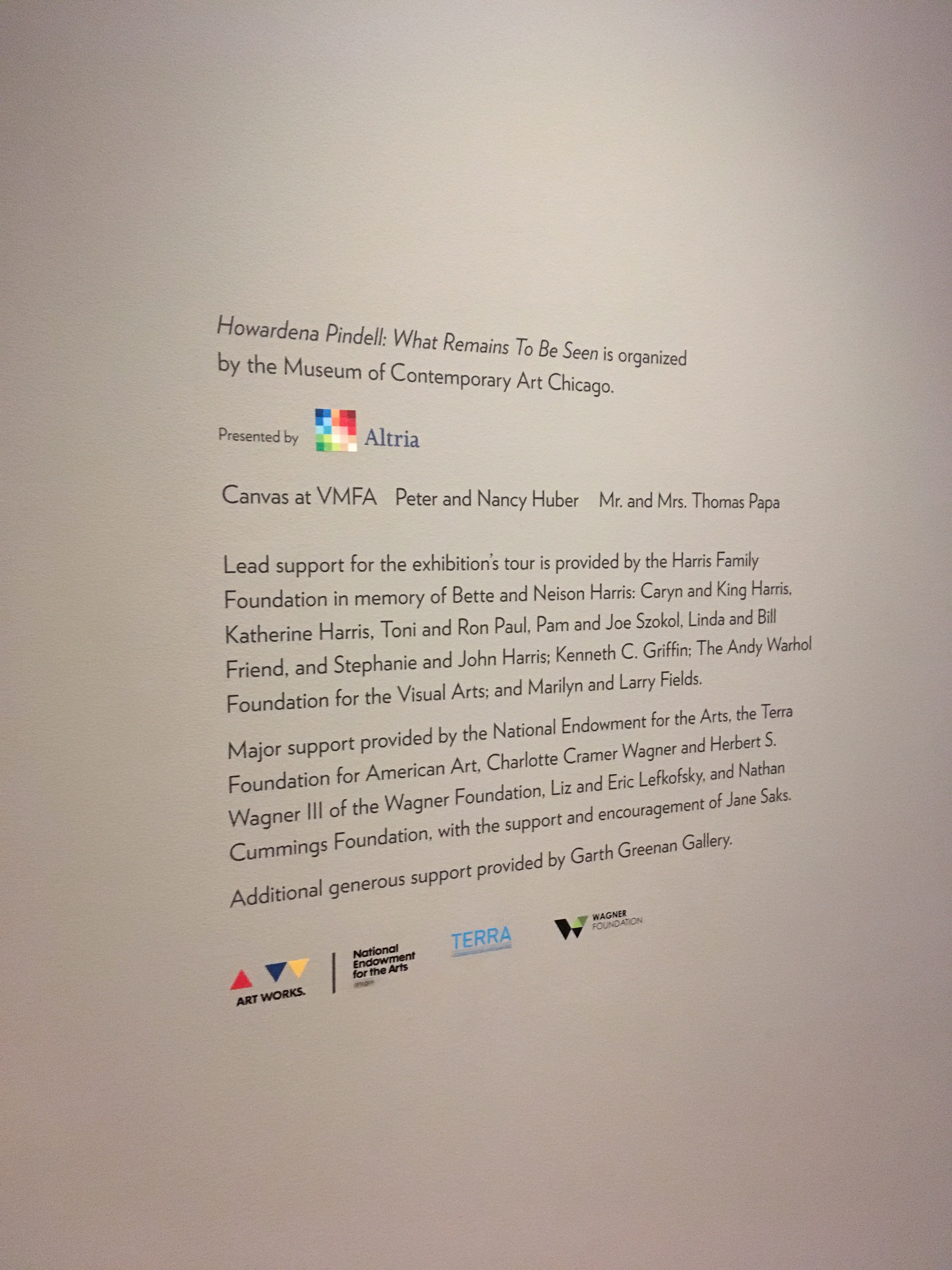
A few months ago, I went to a special event at Virginia Museum of Fine Arts, announcing an upcoming exhibition. That exhibition was a retrospective of the creative career of Howardena Pindell, multimedia artist, activist and professor. “What Remains to be Seen” is an impressive ouevre that showcases Pindell’s evolution as an artist, and is broken down into the different phases of her life and creative journey.

Today (November 25) is the last day to see the works, so I’m heading to the museum shortly so I can enjoy them one last time before they leave. However, I’ve got a few pictures for you all in this post, some additional commentary (of course LOL!) as well as a YouTube video of Pindell’s most famous short, “Free, White and 21”. Enjoy!

img_5688

Howardena Pindell

img_5689

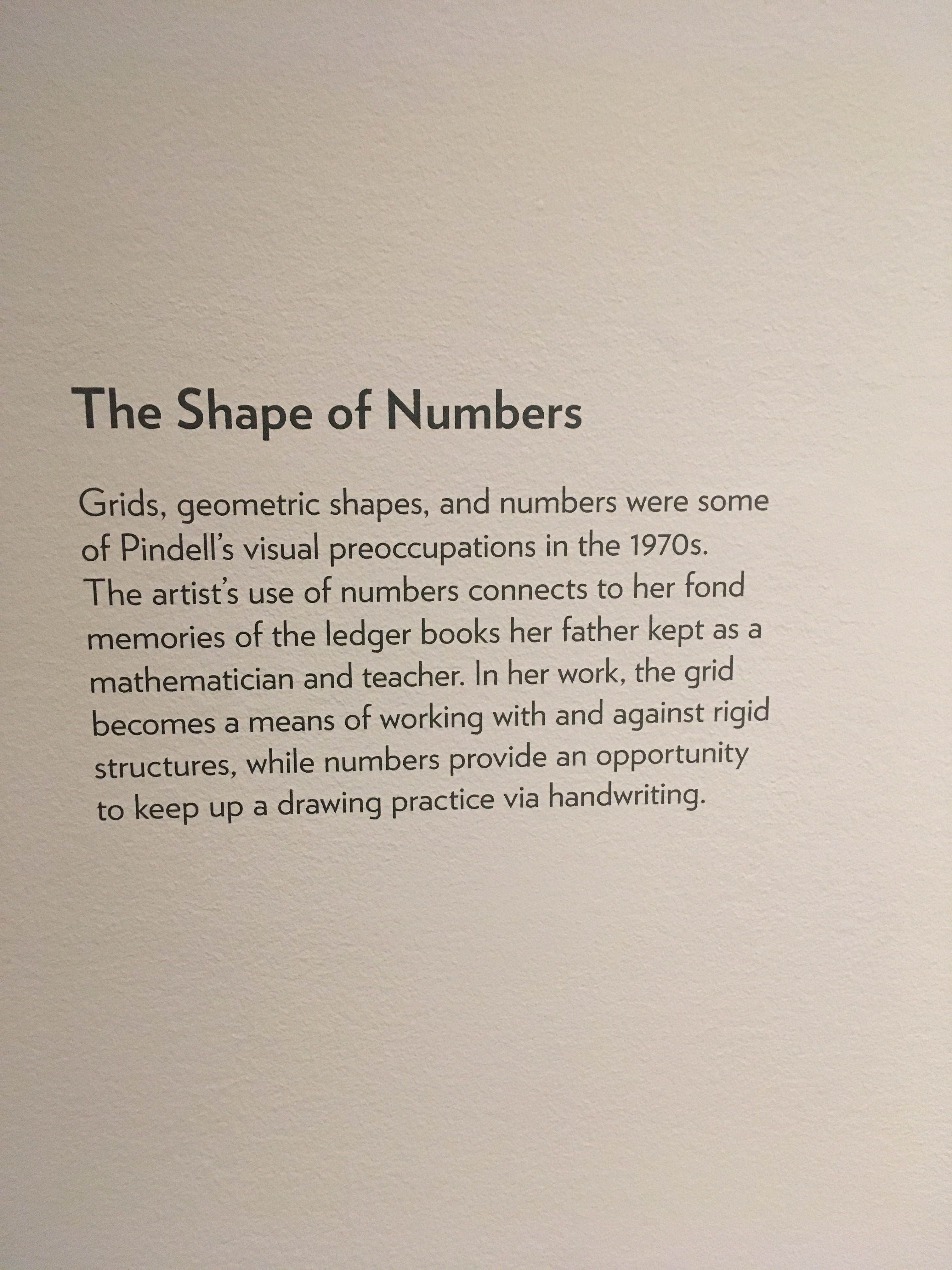
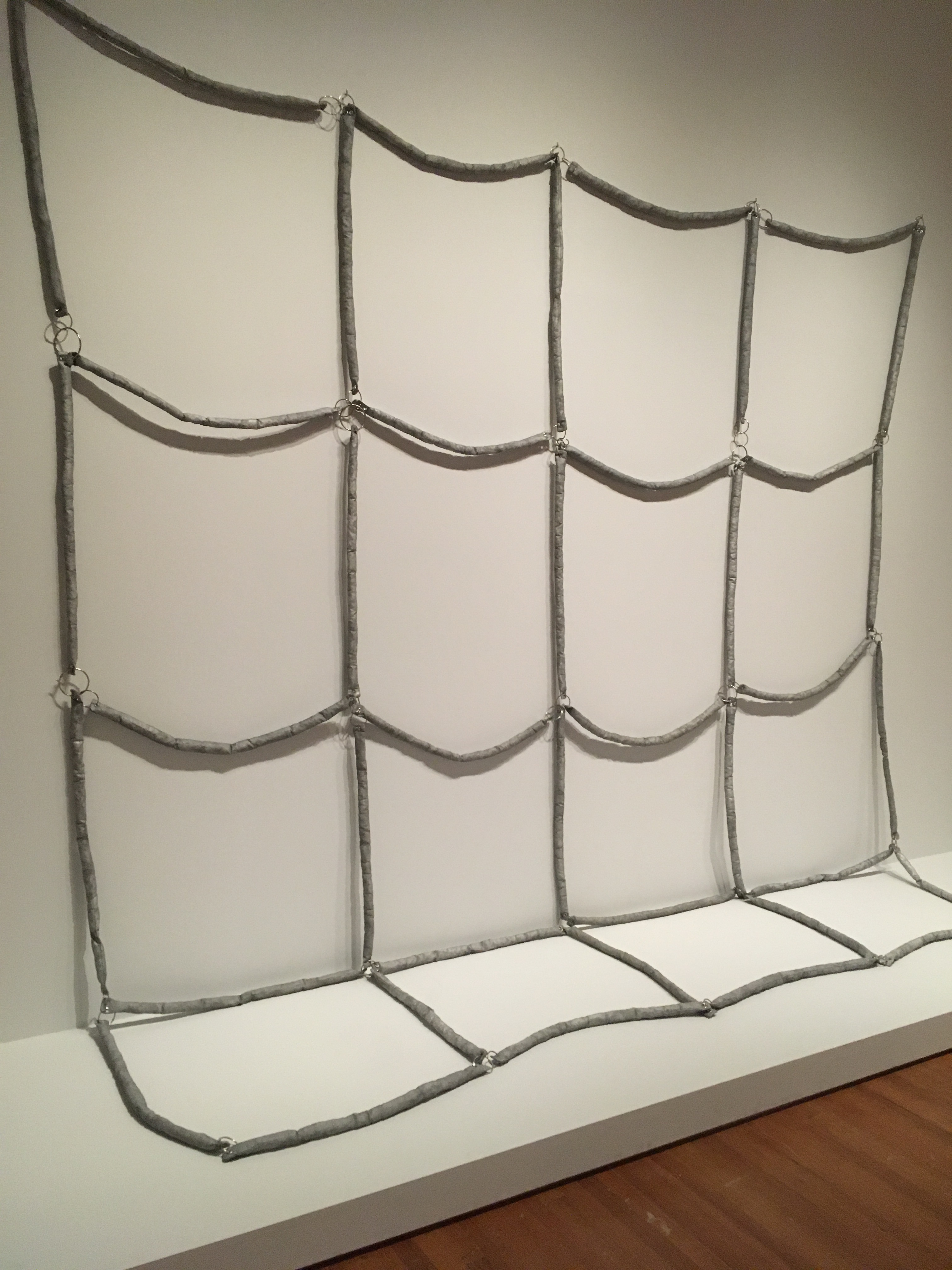
Pindell’s use of grids and numbers created some of her most riveting work. I love seeing how she turns numbers and otherwise sterile, math-related tools and objects, into art.

img_5692

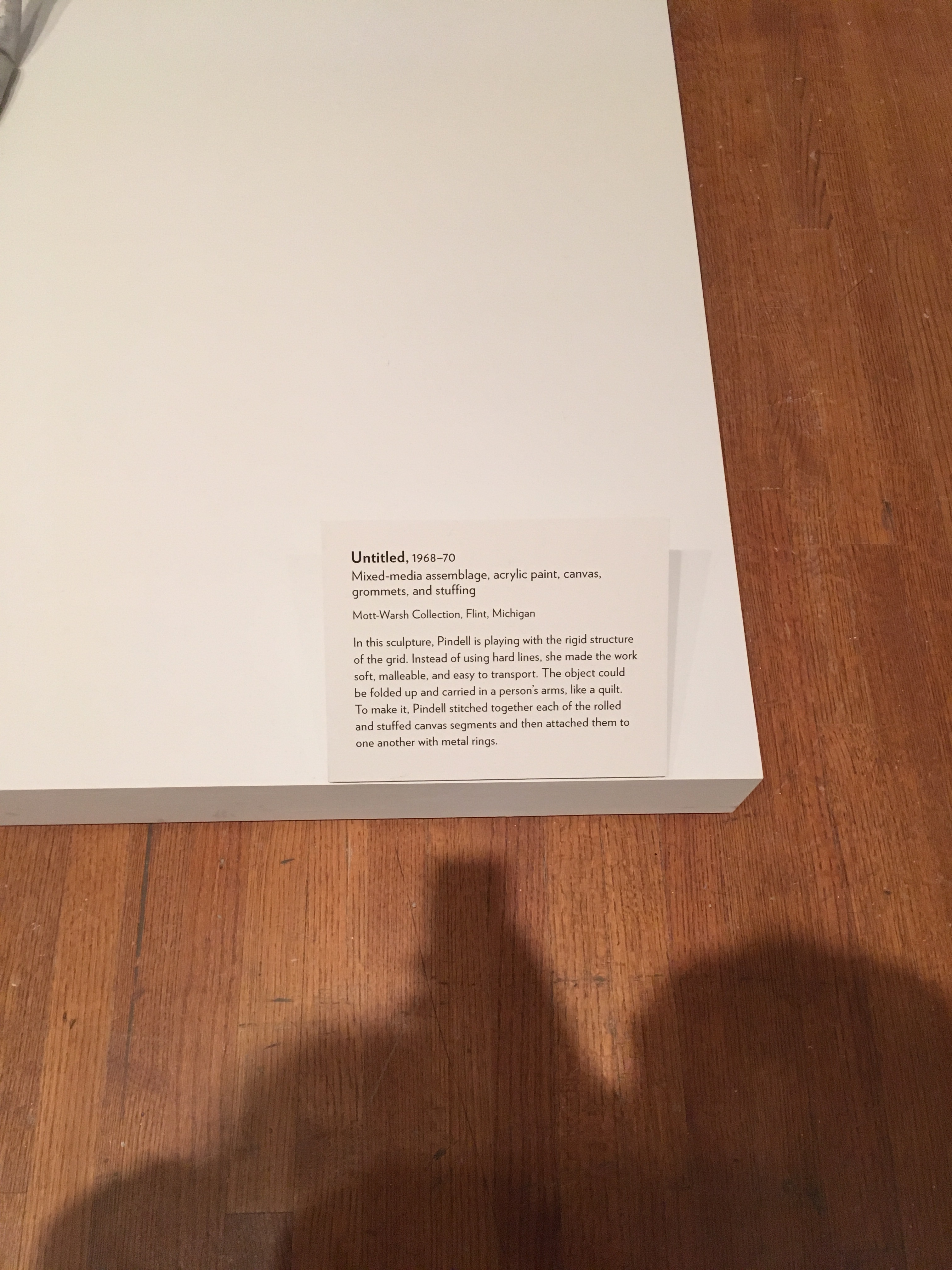
The 3-d grid below is a good example of the blend of art and math. It’s probably one of my favorite works by her.

img_5695


img_5696

The tiny individual circles affixed to many of Pindell’s pieces reveal her love of mathematic perfection reinterpreted. These pieces, attached to the grids she loved to work with, were occasionally numbered individually.

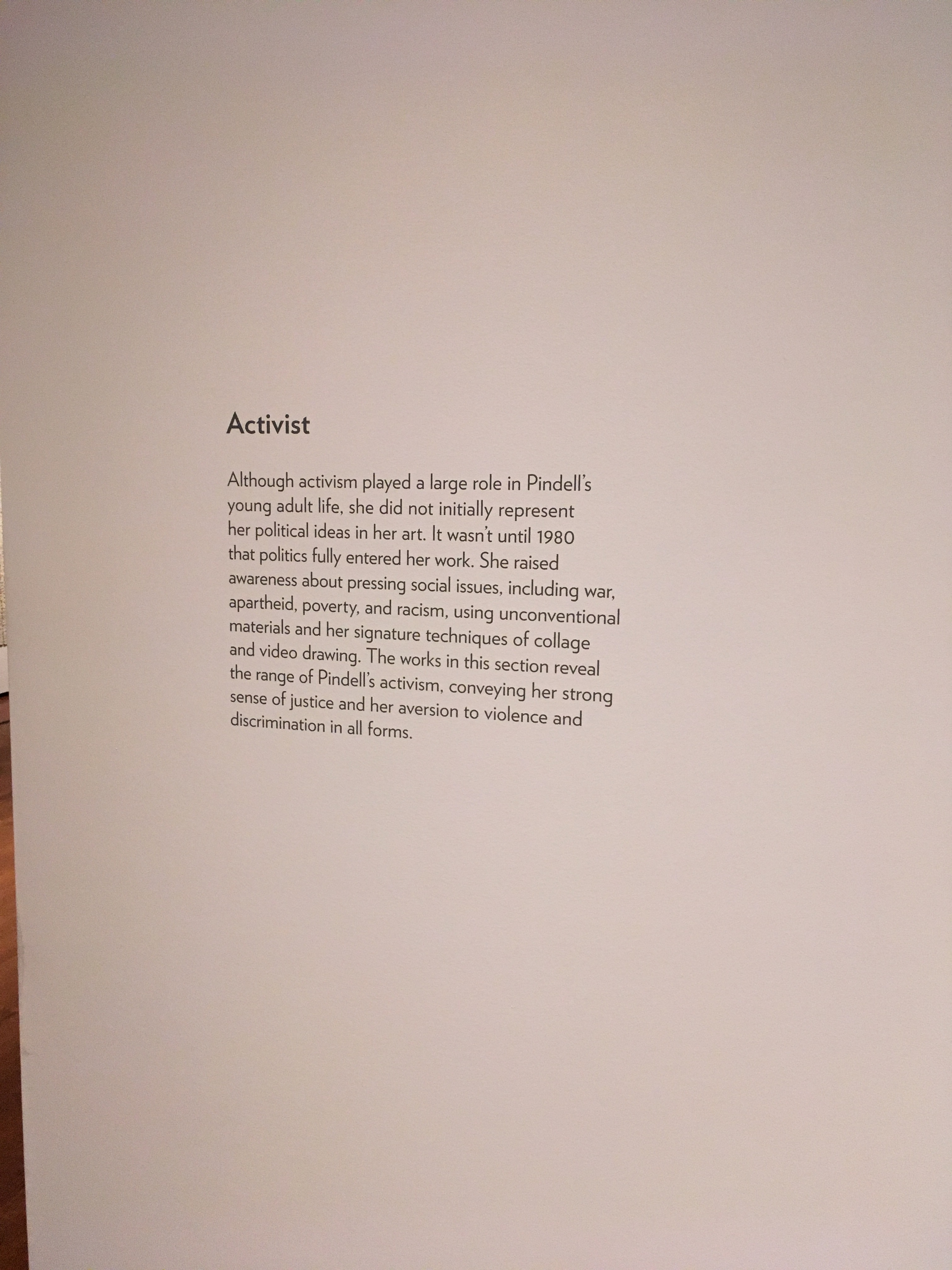
Like many artists, Pindell sought to promote cultural shifts through activism. Her works also featured socio-political themes that were near and dear to her.

img_5701


One of my favorite themes explored by Pindell was that of science. Closely related to her mathematics fascination, her interpretation of natural phenomenon and wonders created some of her most aesthetically charming works (though, to be honest, I love all of her work and find it all aesthetically pleasing). I especially loved “Nautilus” and “Night Flight” (pictures are below).

img_5706


Finally, here is “Free, White and 21”, Pindell’s video experiment where she aims to repair her memory loss (caused by a serious car accident) by recalling memories from earlier in her life.

art · life curation

Edmonia Lewis’s Work at the Smithsonian’s American Art Museum

Happy Friday, friends! We made it through another week – hurrah!

Earlier this week – before the Mid-Atlantic region got hit with another round of snow – I stopped by the Smithsonian American Art Museum (SAAM). Visits to the museum are good for my soul, and, since most schools are still in session, I don’t have to navigate around a lot of tourists. I can usually get to the museum, tour to my heart’s content, and return to my desk in under an hour. Sometimes I really love working in DC!

logo

Anyways, I recently went to SAAM for a very specific reason. I had researched Edmonia Lewis’s existing artwork and confirmed that one of her most famous pieces, The Death of Cleopatra, was located at SAAM. After learning that it was currently on view, I knew that I had to go and see it for myself.

portrait_image_113711

Photo of Edmonia Lewis (as shown on SAAM’s website)

I talked about Lewis when I wrote about my current favorite app. In that same post, I referenced an Art History Babes podcast episode that discussed Lewis’s life. I saw a few of her works on Google Arts & Culture but viewing art in person is so much more enjoyable. The surprise for me was that several of Lewis’s pieces were on view, so I took lots of pictures during this visit.

IMG_3571

Here is The Death of Cleopatra. This depicts Cleopatra seated on her throne, life slowly slipping away after being bitten by a poisonous snake. She’s dignified even in death, wearing her crown and full regal attire.


She’s substantial and powerful, and has chosen to die on the throne that she worked so hard to preserve. It’s a moving piece and a fine example of Lewis’s marble sculpting prowess.


A close up of the throne detailing and Cleopatra’s lifeless hand.

Lewis also sculpted Moses, a replica of the statue of Moses rendered by Michaelangelo (the original is at St. Peter’s in Rome). The original is much larger than Lewis’s version, but the resemblance is uncanny. Lewis skillfully imitated the works of great masters.


I wish I could have gotten some better photos, but it’s in a case so the reflection off the glass makes it hard to capture the detailing.

This whimsical statue is Poor Cupid, depicting the god of love caught in a trap. Cupid’s “aww shucks” expression made me chuckle.


As always, I enjoyed my trip to SAAM. There are a few other pieces by Edmonia Lewis on display: I may do a follow-up post about those works. In any case, I hope you enjoyed this post! This weekend, see if you can spend a little time at your local museum. You’ll be glad that you did. Until tomorrow . . .

culture

Women’s History Month in Washington, DC

As many of you know, I work (and play) in Washington, DC. Since I’m in the District several times a week, I try to explore and take in the city as much as possible during my breaks and (occasionally) after work. Out of curiosity, I looked up what is happening in DC during Women’s History Month (WHM), happening right now, until the end of March. I’m happy to say that DC didn’t disappoint, with several museums and other institutions hosting WHM events for the public.

You can find a list of events on the Women’s History Month website (click here for more information). I’m really eager to go to the Library of Congress, to view the exhibition, Drawn to Purpose, which puts the spotlight on women illustrators and cartoonists. Even if you can’t make it in person, you can view the exhibit online. I’m also excited to see Michelle Obama’s portrait over at the National Portrait Gallery.

dtp-preview-hero

Anita Kunz’s Tugged is one of the photos featured on the main page of the Drawn to Purpose exhibition at the Library of Congress

npg-obama-sherald

The portrait of Michelle Obama, painted by Amy Sherald, is a popular new addition at the National Portrait Gallery

Now, on this blog, WHM is EVERY month. But I love that DC has so many events that reflect the month’s theme. I’m looking forward to sharing all of the photos with you as I tour around and have a good time in DC!