Happy Fibro Friday! I hope you all have had a great week. I’m recovering from a mild flare and I’m finally coming out of it, which makes me happy. This is one of those unavoidable things that comes with fibro: even when you’ve done your best to manage your symptoms, you may still have occasional flares. My flare was triggered by inconsistent weather patterns, because when the air goes from hot to cool to warm to cold, my body goes haywire.
Part of what really helps with my flare is getting enough rest, but, as you all know, rest can be challenging when you have fibro. One of the things I use to help get deeper, more restorative sleep is soursop leaf tea. There are a lot of benefits that you can reap from drinking soursop leaf tea, because it’s a highly nutritious plant. The fruit of the soursop plant is delicious and there is a strong case for it being antibacterial, antimicrobial, and anticarcinogenic. But we’re not talking about the fruit: the leaves are what interest me most (when it comes to fibro).
I first learned about soursop leaf tea from Debbie over at The Jamaican Cooking Journey. I’m inserting her video about soursop tea for your convenience:
When she mentioned that soursop tea is good for your nerves, I knew I had to try it! So I did, and I’m so glad that I took a chance on it. It helps me to sleep like a baby! Remeber, fibromyalgia is a neurological issue, not a musculoskeletal one, so by address nerve dysfunction, you can reduce or eliminate most of your symptoms.
I am posting my video that I did on this topic, and in that video, I share my results from consuming soursop leaf tea:
Please note, I am not a doctor and I’m not offering medical advice or solutions. That being said, I’ve enjoyed using soursop leaf tea as part of my regimen to encourage deeper and more restorative sleep. Try it and let me know your results!
I purchased Bitcoin for the first time ever in the past 18 months (I was late to the trend, though I knew how it worked and was interested in experimenting with this as a way to diversify my investments). You may recall that I wrote about Bitcoin in a post from 2018.I’d been contemplating investing since before I wrote the post, but I finally pulled the trigger and invested. Then, after a few months, I pulled out *some* of my investment. I needed to redirect that money toward one of my home renovation projects, and that felt like a better investment for me at this time.
I used CashApp to purchase my Bitcoin, though you can purchase cryptocurrency on a number of different platforms. If you want to invest in crypto of any sort, your best bet is to do a lot of research on the investment vehicle that you’ve chosen, and get clear on your hold/fold thresholds (what amount of loss you’re willing to tolerate, what amount of gains are comfortable before you start feeling antsy about possible future loss, and what amount you can reach before you cash out). Crypto investing is just like any other investment, so you can walk away whenever you want.
Since I sold a portion of my Bitcoin, I have to do additional research on how to properly report the sale on my tax return. I submitted my return before I got a (delinquent) income statement, so I have to amend it anyways, so this is a good time to get more familiar with how I should report my crypto sale. I took a crypto loss last year, so whatever crypto amounts end up being reported shouldn’t create an additional liability. It’ll be interested to see the further legislation that comes out regarding cryptocurrency, since this is a medium of exchange that will continue to grow, expand, and become more widely accepted.
That’s my little tale of how I forayed into the world of crypto. Over on my finance website, I plan to discuss these sorts of things more often (I’ll actually be adding more details and resharing this post over on there by the end of this week). If you have any crypto questions, I’m happy to direct you to the same resources that I use. In these days and times, there is nothing more important than knowing your options and using these options deftly. And the only way to do that is to read, learn, and try it for yourself.
That’s it for today! I hope you all are doing well. Take care, and I’ll talk to you all tomorrow!
Happy Writer’s Wednesday! I’m so happy to share these updates because I’ve been deep in the throes of embracing the lifestyle of a writer. Part of my journey is continuously stepping into my future self, and being a successful writer is part of the experience that I’m creating for myself.
I’m working on editing two of my older works. I want to give you all a deadline of when these will be read, but that’s so unrealistic for me at this point. I’ll just announce when it’s done, and we’ll all celebrate together when it happens! I’m really happy that one of them is (at the time that I write this) 70% edited. I have had this story in my files for nearly 10 years! I’m eager to polish it up and then offer it to the world.
I also have two works in progress (WIPs) that are still in their infancy. But, I’ve been very cautious about leaping into new projects related to writing, because I have a history of strong starts and nonexistent endings. So I think about the stories but I don’t invest a lot of time into writing them out, because if I did, I’d take too much energy that should be devoted to finishing one of my WIPs that is further along in the process.
Anyhoo . . . I did a video about my latest writing projects. You can see it below:
Also, if becoming a writing is something that you’ve always wanted to do, but you have some other stuff you’re trying to resolve first (sometimes we don’t have the bandwidth for our dreams because our lives are overwhelmingly busy or stressful), here’s a tool for you. Check out my Create Your Vision journal collection: these can walk you through the process of creating more space for your dreams and stepping into your dream life.
That’s it for today! How has your writing journey been going? I’d love to hear all about it!
Happy Fibro Friday! I hope your week was great, and I hope your upcoming weekend is even better!
Over the past few months, I’ve been keeping close tabs on my fibromyalgia: I’m looking out for new (or recurring) symptoms, any difficulties in recovering after flares, or other changes that may be worth noting. I keep up with these because I stopped using prescription medication a few months back, and this is my first time – since my diagnosis – observing how fibro shows up in my daily life when managed through other methods.
As part of my symptom (and overall health) management, I’ve been incorporating supplements that promise to reduce pain and inflammation in the body. While fibro is not an autoimmune condition, nor is it a condition that is typically associated with inflammation, my research confirmed that inflammatory conditions exist in most people’s bodies, and most of us benefit from the reduction of inflammation. For this reason, I decided to add turmeric into my daily supplements.
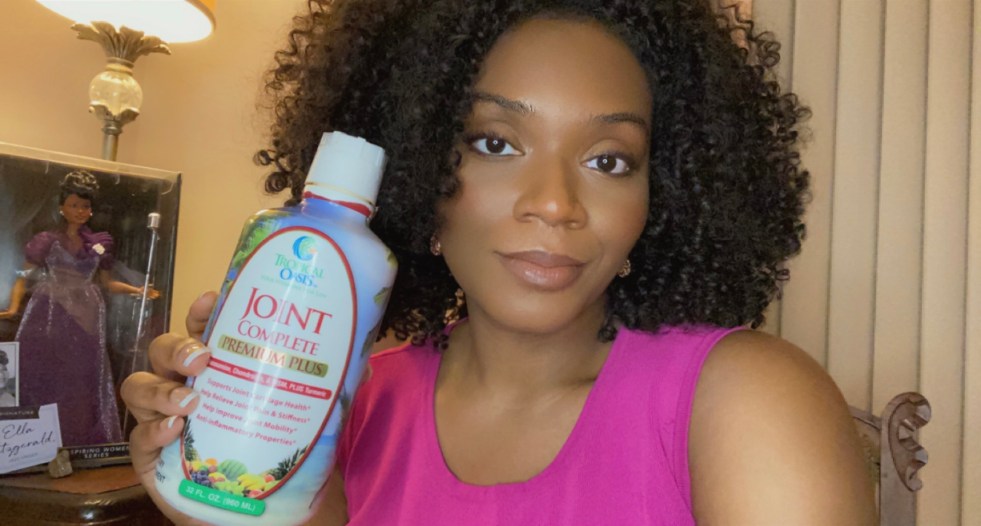
I opted for a liquid supplement, and, since my flexible spending plan covers glucosamine and chondroitin products, I got a glucosamine supplement that also included turmeric (2 for 1!). I have thoughts on glucosamine products that I won’t share today, but I’ll touch on that in a future video. Anyways, back to turmeric: I decided to use Tropical Oasis Joint Complete Premium Plus- Liquid Joint Support Supplement w/Glucosamine, Chondroitin, MSM, Plus 800mg Turmeric Curcumin. I took this product for more than 30 days, and I did this consistently, just so that I can confirm whether I have gotten any results.
Here is my YouTube video discussing fibro and inflammation:
And here’s a YouTube video that I posted earlier today, discussing the outcome of my experiment:
I have to conclude that, while I didn’t notice an immediate or drastic difference in how I felt, I compared the way I felt to how I usually feel in the winter season and I took note of what symptoms were present, missing or mitigated. In previous winters, I am extraordinarily achy, tired and suffer from mild flu-like symptoms, even while taking prescription medication. However, this year, I only felt a little tired and very few aches. I only noticed flu-like symptoms when I actually had the flu (you can read about that ordeal here). So, comparing this year to prior years is the best metric I have, and I can confidently that adding turmeric was a good move for me. I didn’t feel the normal winter “slump” that I usually experience, and I found myself needing less down time when I felt a little tired. I also started adding another supplement into my rotation (more about that next week) and that has been making a difference, too, though I only added that in toward the end of the turmeric experiment, well after I determined how effective the turmeric was for me.
Once upon a time, I had another blog that I wrote on frequently. Now, I’m looking over those essays and cringing (nothing humbles you like looking over your old writing!) But, I think it’s worthwhile to rewrite those posts, because the points – while not fabulously expressed in the original posts – are still salient. Here’s a HEAVILY edited essay that I wrote nearly 12 (!) years ago. Enjoy!
This particular post will speak directly to two personality characteristics that are crucial to finding your own version of success: flexibility and focus. I decided to group these two together since they are a good example of polarity and interdependence: these are relative opposites but you can’t talk about one without at least touching upon the other. Flexibility implies a willingness to look at all of the options available, while focus generally refers to devoting one’s attention to a singular goal. It seems like the two cannot peacefully co-exist, but they CAN-and they SHOULD! In fact, one without the other can very well leave you unfulfilled and always falling short of your goals.
Why do some of us need to improve in the areas of flexibility and focus? Well, when it comes to flexibility, some of us have been given an overly simplified life formula-behave yourself, go to college, get a degree, get a career, get married to a man, buy a house, make a few kids, give freely to the church/mosque/synagogue/temple, and live happily ever after. The problems with the formula are its rigidity, and the lack of emphasis on QUALITY experiences and EMPOWERED choices. It also doesn’t allow for circumstances beyond a woman’s control or her personal choice. Not everyone is interested in attending college or working in a traditional career. Some women have zero interest in getting married at all, and those that desire marriage aren’t encouraged to accurately gauge the quality of their partners. Not all of us are interested in white picket fences and having babies, and, believe it or not, religion =/= spirituality, and some women have no interested in being part of a religious organization in order to connect to the Divine. Those that ascribe to the life formula commonly taught to women are often hyper-focused on accomplishing each thing on the “to do” list, to the detriment of a life that allows for magic and joy to unfold unexpectedly and organically.
In opposition to being hyper-focused, many women who reject the prescribed life formula mentioned above end up living life as a tangent of randomness, going here and there without a goal in mind and getting a whole lot of nothing accomplished in the meantime. This is often the case because life on the “fringes” is discouraged by society, meaning that those who reject any part of the aforementioned formula don’t get support for creating meaningful lives outside of the template they’ve been given. There are many women who are living purely in flexibility and not putting an adequate amount of time and energy into focusing their energy into a handful of things that will give them lasting satisfaction. Many will pour their energy directly into career or material possessions (nothing inherently wrong with this), without any forethought regarding what meaningful things they should be cultivating simultaneously.
It can seem like living in either extreme is the only option, but being focused and flexible at the same time should be a goal for all of us. Focus gives us direction and stability, while flexibility gives us depth, color and moments of ease in our journeys.
Here’s the best way to merge the concepts of flexibility and focus: find out what you want for yourself (get your focus together) then think of the many ways you can get there (exercise flexibility.) I’ll present an exercise that may be of use (I’ve done this for myself more times than I can count, and it’s not from a singular book I’ve read but, rather, a hodgepodge of ideas that I’ve picked up here and there.) First, name the things that you want for yourself. For this example, I’m going to use some really common desires: getting a degree, getting into your dream career, traveling, and getting married. Name whatever it is you want, no matter how crazy it sounds. It’s good to be very specific when naming what you want: getting a degree from Harvard, becoming a world renowned artist, traveling to Thailand, etc.,. This list can be as long or short as you like, but it helps to keep it brief (less than 5 things) – it helps you have more time to dedicate on the things that matter most.
After you name what you want, brainstorm various ways to get what you want. This seems a little daunting, especially if you’ve been taught to see things only in one way. People are always amazed when I tell them how I got into my prior career before I was awarded my college degree and without the advantage of an internship or nepotism. Unfortunately, many of us limit ourselves by having such a narrow view on how to get what we want. That’s the downside of associating regularly with damaged minds, pessimists, and perpetual escapists, who spend too much time keeping up with trivial things and not enough time doing things to increase their personal value and the quality of their lives.
Here are a couple examples of flexible thinking – both of these I personally have used:
If getting a degree is your goal, then take advantage of all sorts of learning opportunities. Going to college for 4 years, as soon as you exit high school, is not the formula for everyone. If it suits you, take credit courses here and there, looking into credit-for-experience programs (my book, Degree Hacking, gives you an actionable, inexpensive and easy-to-execute plan to accomplish this). Some schools even offer tests to demonstrate proficiency in certain areas; if you’re a student, you can take those tests at a fraction of the cost of a college course (my book discusses this, too). Also, remember all of the resources you have that can give you an educational edge up: local libraries usually offer free courses in a variety of subject areas; you can take free classes online in any area you can imagine; on the internet, you can preview course syllabi for any class you’re taking, and preread material that will be cover in the course (again, check out my book for more information about this).
If you want to travel, the first step is really easy: get a passport! It’s good for 10 years and you don’t have to be outside of the country to use it. Start setting aside a small amount per month to fund your dream trip (even $10 a month will get you there eventually.) This gives your focus (travel) some energetic momentum without having to commit a large amount of money up front. Consider buying a token that symbolizes your travel goals (like a travel journal). Join interest groups that will feed your desire to travel (meetup.com and local colleges can help with this, as well as the myriad Reddit, Facebook and Discord groups out there) or feel free to create a group of your own that indulges your travel desire. Check out travel websites regularly to find deals on flights, hotels, and rental cars – keeping up with the costs can help you to figure out how much you need to save. This research also crystallizes what things you actually want and need for your trip. Also, remember that, depending on how much travel you desire, there are many organizations that will pay for your airfare and lodging in different locales if you are willing to either teach English or help with humanitarian efforts.
Having a particular focus doesn’t mean that you can only achieve your desire in a singular way. I dreamed of attending an Ivy-league university, but I had no interest in pursuing a full degree. I ended up taking a grant funded program in a topic that really benefited me. I could have never anticipated that would be how I’d get my Ivy-league experience, but because I’m flexible, my desire was met with ease. It’s important to remember that it’s not the lack of options that causes problems, it’s when you lose sight of all the ways to get to your goals that discouragement sets in. People get discouraged when they see no way out: if you creative, though, you won’t feel discouraged for long.
I recommend, no matter what you do, that you get in contact with someone that can help you. You won’t always have every resources you need to get what you want. You have to make connections with people who will assist you on your path. You should not automatically feel entitled to their assistance. It is usually easier to ask for assistance from those who required to assist (school counselors or customer service representatives, for example.) However, the most powerful individuals are normally people who don’t owe you anything – convincing them to assist may be more challenging. If you can get one of these heavy hitters on your side, it will make your path infinitely easier. It should go without saying that showing your appreciation to everyone who helps you is a must. Being appreciative will 1) give you great karma and 2) make it easier for someone else who, later on, may ask for assistance from these same individuals. Showing appreciation can be a thank you note or a gift (be careful with gift-giving: you don’t want anything that can be misconstrued as bribery.)
That’s it for today, friends! I hope you’re having a fantastic day. I’ll talk to you all tomorrow!
Happy Fibro Friday! A few weeks ago, I published two videos over on my YouTube channel, discussing how I had both flu and COVID simultaneously, and all of the shenanigans involved with that experience. I figured I’d share the videos over here, because you all may have missed my story.
So, let me tell you all how it started. I fell ill right after New Year’s Day, and it took several days for me to get tested (there was a huge demand for COVID testing post-holidays), and I couldn’t get examined for nearly a week after I first started showing symptoms. When I was finally able to get tested, it was confirmed that yes, I had COVID, but I also had the flu (yay me). More about that story, as well as my symptoms are in the video below.
A couple of weeks later, I went back to the doctor’s office to make sure that I was not contagious. I received a rapid test and a flu test, which confirmed that I was no longer sick with COVID, BUT I was still showing as positive for the flu. I was so confused: I should have been done with both viruses at this point. But, the fact that I was still showing as flu-positive opened the door to considering some additional things that were specific to fibromyalgia. Here’s the video discussing that, and I have a few takeaways that I’m going to mentioned after the break.
Here’s the thing: having any chronic health condition means that all of our internal systems are compromised, even on a minute level. But, as we all know, small leaks sink ships. Little “glitches” in our bodies, such as being in a slightly immunocompromised state, often mean that we get unusual results when we’re sick. Unusual outcomes include extended illness, unexpected side effects/symptoms, and biological/physiological damage that cannot be reasonably explained. Sadly, a lack of compassion when sharing our experiences with others is also something that we have to face when we’re recovering from sickness.
So, that’s the sum of my FluRona experience. I’m glad that I’m *finally* over it and feeling great. And I’m really happy that I get to share my experiences and, hopefully, give a little insight to someone else.
That’s it for today: I hope you all are doing great! Have a great weekend.
Recently, over on my YouTube, I’ve been experimenting with a lot of fragrances. I love the transformative power that can be experienced by changing the scent you wear: the right perfume can make you feel invincible!
I decided to research some of the fragrances worn by old Hollywood stars, and I was really excited to discover the fragrances worn by some of my favorites. I researched these scents and I found that some of them were extremely affordable. So I figured, “Why not?” and bought some bottles.
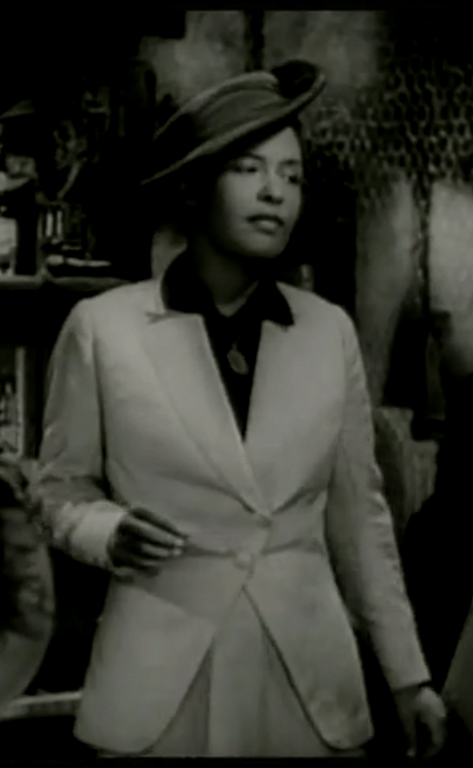
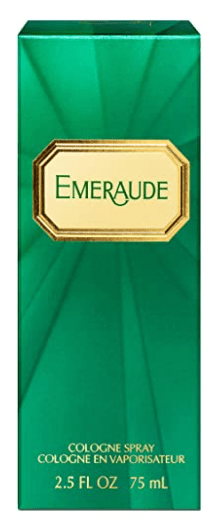
The first scent I purchased was Emeraude by Coty. This was the fragrance preferred by none other than Lady Day, Billie Holiday. The notes of the fragrance are as follows:
Top notes: Bergamot, Lemon and Orange
Middle notes: Brazilian Rosewood, Ylang-Ylang, Jasmine and Rose
Base notes: Opoponax, Benzoin, Vanilla, Amber, Sandalwood and Patchouli
Lady Day herself, Billie Holiday (as seen in the movie New Orleans)
This fragrance is peculiar to me: not in a bad way, but in a good way. The perfume is citrusy before and immediately after spraying, then it quickly diffuses into a soft but earthy bouquet, and dries down to a warm and slightly sweet essence. The peculiar part is, throughout all of this, the perfume retains powdery notes, which I didn’t expect. When I first read the list of notes, I figured this would be bright, spicy, and then mellow. So to have the essence of baby powder lingering while wearing it was completely unexpected, but nice.
I have more information about the scent in the YouTube video, which I’ll insert below. But, you can always pick up a bottle to try it for yourself: it was less than $12 USD (I’ve seen it sold for as little as $9) so it is extremely accessible and, if you don’t like it, you can probably easily resell it or give it away. Full disclosure: while this is powdery and rather soft, I find it does smell a bit . . . dated (the formulation is over 100 years old!). This is definitely for someone that wants a unique scent that isn’t syrupy sweet or overwhelmingly floral. Also, this is a cologne spray, so it won’t have the same longevity as, say, an eau de parfum. So if you love it, prepare to refresh your fragrance at least once during the day. But at $9-12 per bottle, using the product more frequently probably won’t be a huge issue.
That’s it for today! I hope you all are having a great week, and I’ll talk to you all tomorrow. Take care!
As promised in a previous post, I want to start exploring some of deeper aspects of the concepts that interest me, and that I’ve previously discussed on the blog. In particular, I’m very interested in understanding the intersection between art, design and life, as well as the ways we can use the arts to support us in living our best lives.
To start these discussions, I want to begin with one of my favorite topics: the Kibbe Style ID system. The Kibbe system has been updated by David Kibbe in recent years but the overall concept is the same: there are certain style “IDs” that people fit in, and these style IDs can give us insight into the kind of clothing, accessories and hairstyling we can utilize to best present our physical selves. The style ID category that I fall into is Soft Classic (SC).
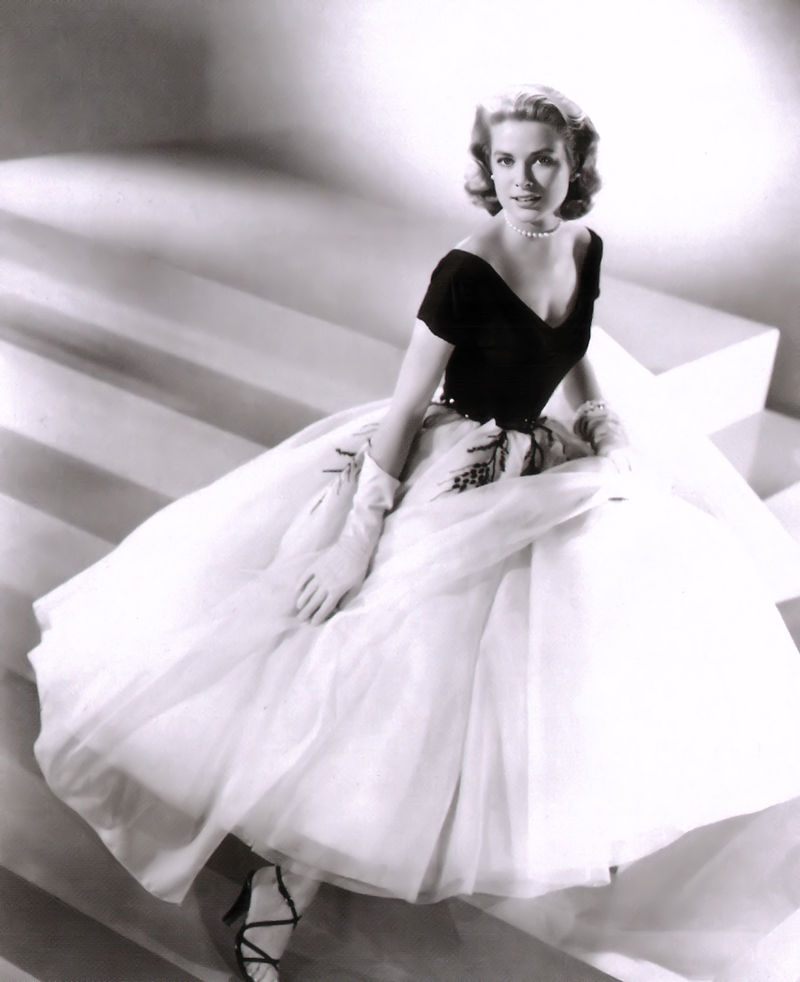
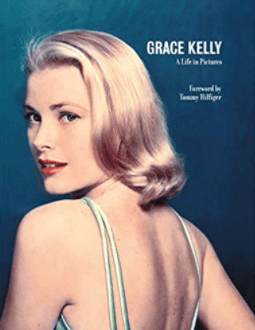
I’m in good company with the SC category: quite a few famous beauties share this ID (if you are interested in some of the women that are in other Kibbe categories, check out this post). The most famous of the SCs is probably Grace Kelly, Princess of Monaco.
Kibbe previously classified Grace as a Classic, but, after further consideration, he decided that a pure Classic category was too rare in nature to warrant its own group. Thus, Grace was reclassified as a SC. I won’t go into all of the features that make her a SC (you can undoubtedly find this information on numerous websites and YouTube). But I will discuss how her style and energy influenced her persona, and how she used fashion to mold her public perception.
Even before she official became a princess, Grace had a royal look. This was, in part, due to her incredible bone structure and slim physique, but her styling played a heavy role in looking the part of a princess. The clothing she wore onscreen often featured fitted bodices in flattering colors, and these were often short sleeved or sleeveless (a perfect way to display perfectly toned arms). She didn’t often wear shorts or skirts with calves or knees exposed. This was partly due to the fashion trends of the time, but these also perpetuated the reserved image that is often seen in royal families.
SCs often look better in the structured and symmetrical garments favored during the 1950s/early 1960s (think Dior’s New Look era). Generally speaking, these items are feminine in silhouette but not overly embellished. Considering that Grace’s Hollywood career occurred during the New Look period, she was literally the right woman at the right time to wear these clothes. She has the perfect look for the clothing that was most popular during this time.
In addition to the clothes she wore, Grace also wore perfect SC hair and makeup. Her blond coiffure was always immaculately styled, with hair having rounded shapes but remaining sleek overall. She wore defined lips, flawless foundation, and gently enhanced eyes, allowing her facial balance to shine. This period was perfect for her look, as it occurred after the dramatically tweezed and redrawn brows and beestung lips of the 1920s and 30s, but before the heavily enhanced eye makeup and exaggerated hair of the 1960s.
The look of this period – reserved, elegant, structured but soft where it counts – are all traits that are often associated with elite women, specifically, royals. So Grace’s leveraging of these trends helped form the public opinion of her being queenly (indeed, she was considered an “ice princess” or “ice queen”, though her costars all agreed that she was quite the opposite [warm and friendly, by all accounts]). In many ways, Grace “dressed the part” of royal before she and Prince Rainier III ever crossed paths. Her sartorial assimilation into royal life in Monaco must have been fairly easy for her.
My takeaways from Grace’s style aren’t new information, but I’ll still state them briefly: dress for the life that you want, and wear the designs that work for your unique style ID. We’ve heard that we have to “dress for success”, and success can be whatever you define it as. So, if you want the life of a royal, dress like one (within reason and your budget, of course). And if you know your style ID, experiment with the recommended silhouettes to find a look that works for you. After all, this whole journey is about figuring out what works, and discarding what doesn’t.
That’s it for this style ID/SC chat. I hope you all are having a fabulous February! I’ll talk to you all tomorrow.
Hi friends! I hope you had a fantastic January, and a wonderful start to your February!
I was very (VERY) absent during the latter half of January and my absence is actually tied to the subject of this post. I have private English tutoring clients that are also law students. During the time when they have exams and essays due, I tend to work with them closely and assist them with those writing assignments.
So, I spent most of my free time helping to put the finishing touches on an essay and a dissertation. The assignments have been submitted, so I’m now free to put more time onto my own writing projects (yay!) I’ll be sharing monthly writing updates in the future, and, aside from maybe one or two more months, these updates will feature my personal writing projects exclusively.
To sum up my January writing accomplishments, I helped with dissertation writing and essays. Between these, more than 20,000 words were written (by me) and incorporated into my student’s works. The finished product was fantastic! Now I’m looking forward to logging that kind of time into my own writing LOL!
Did you have any writing accomplishments for January? I’d love to hear about them!
Happy Writer’s Wednesday! Today, I have two things to discuss with you: the first thing will be about the journal I’m using currently. Then secondly, I want a chance to support you all (more about that later . . . )
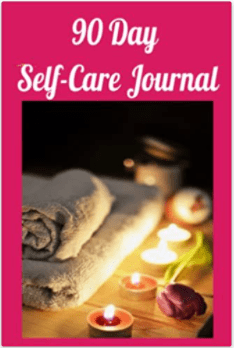
One of my friends has had it on her heart to write books and create materials for personal growth. She’s incredibly inspiring and dynamic, and I’m blessed to have her in my circle.
I christened this journal as my first quarter journal, so I’m using this for the next 75 or so days (it’s a 90 day journal, and we’re already 12 days into the new year). The way I’m using it is as a high-level daily overview: I’m putting one or two big ideas, concerns or desires on a page. I intend to use this to set the tone for my day, similar to how I used to look up an inspirational quote each day at work, and hand-write it on my embellished Post-It-sized note paper. And, since I still occasionally experience pain in my hands from writing more than a page or two at a time, this will prevent me from overdoing my handwriting.





 Bronze Butterfly