Now that I’m getting back into the habit of posting blogs, I’m excited to announced that there is NEW Fibro Friday content coming!
I’ve been researching herbs, developing new pain relief oils, trying different therapeutic practices, tinkering with my diet, and giving myself lots of time to figure out what works, and what doesn’t. I can’t wait to tell you all about the discoveries I’ve made over the past year(ish)!
Happy Fibro Friday! I hope you all are doing well and are taking excellent care of yourselves.
I recently started looking back at my health history (thanks to my insurance for the decades-long record). I sometimes will look to see if anything is outdated, or if a diagnosis was slipped in unbeknownst to me. This most recent review didn’t turn up any unknown or outdated information, but I began thinking about my medical experiences and I asked myself, “Is there anything here that could have pointed to me being prone to developing fibromyalgia?” What I found surprised me: I had been diagnosed with multiple conditions over the years, all of which has shown some connection (some weak, some significant) to fibromyalgia. So, for this post, I’m going to tell you what conditions are fibro flags that you or your doctor may have missed on your road to diagnosis and treatment.
Before going further into this discussion, you may want to check out this journal article, titled, “The Prevalence of Fibromyalgia in Other Chronic Pain Conditions“. The researcher, Muhammad Yunus, outlines many of the conditions which have some determined link to fibromyalgia, and Yunus admits that the associations are bidirectional and the interrelationships haven’t been explored fully yet. I highly recommend that you take your time and go through this article as you try to determine if there is any overlap between fibromyalgia and any other conditions you may have.
Flag # 1: History of asthma – A 2020 study of Iraqi fibromyalgia patients confirmed that, “Fibromyalgia (FM) was more common in asthmatic patients compared with controls.” Perhaps it’s the fact that breathing difficulties would (naturally) trigger stress responses in the body, and those repeated stress responses condition the brain to interpret most stimuli to be more urgent than it actually is. Maybe being asthmatic trains the brain to be hyper-sensitive to everything. More study is needed to determine what this means for fibro patients, but it’s certainly something to keep in mind when coming up with a body of “clues” leading to a fibromyalgia diagnosis.
Flag # 2: TMJ syndrome – For several years now, it has been established that TMJ and fibromyalgia are linked, though the nature of the connection is still a bit unclear (a chicken vs. egg argument would fit in this scenario). This article by VeryWell Health references some excellent research on the topic. To put it plainly, it seems that TMJ actually may lay the groundwork for the sensitivity experienced in people that have chronic pain issues. As author Adrienne Dellwo states, “When TMJ occurs before CFS or FMS, it’s possible that TMJ pain contributes to the development of central sensitization. Hypersensitivity of the central nervous system is believed to be a key component of both fibromyalgia and chronic fatigue (also known as myalgic encephalomyelitis).” Again, this area still needs additional research, but there’s no doubting that a connection exists between the two.
Flag # 3: Epstein Barr Virus (Mono) or Lyme disease – Like the two previous red flags, we have to keep in mind that correlation =/= causation. That being said, there is research starting as early as 1987, which indicates that 55% of the test subjects self identified that a viral infection was the cause of their fibromyalgia. Personally, I was infected with mononucleosis in my 20s, and my fibromyalgia symptoms began and sustained after that point, often appearing as a chronic case of influenza or reactivated mono. More recent research confirms that EBV can either cause or contribute to fibromyalgia symptoms, which makes sense, considering that many of EBV’s symptoms overlap significantly with what many fibromyalgia patients experience (fatigue, body aches, even sore throat!) One article states that EBV “highjacks” the immune system, which may explain why fibromyalgia patients that have been infected with EBV tend to experience more sensitivity to viral infections like colds or the flu, as well as sustained symptoms once infected (I personally got a second positive result for the flu nearly a month after initially getting a positive result!) While I haven’t experienced Lyme disease, there is research from as early as 1992 which states that the bacteria responsible for this condition may be a potential cause of fibromyalgia. If you have either of these conditions in your medical history, please know that these may be contributing to your fibromyalgia symptoms.
Flag # 4 – Anxiety or depression – Anxiety and depression are chronic illnesses on their own, and, unsurprisingly, these are almost always present in fibromyalgia patients, too. This article on News Medical is informative and clearly explains the connections between anxiety, depression and fibro. The article, written by Dr. Anaya Mandal, MD, discussed the concurrence of these conditions, and how these overlaps contribute to exacerbated symptoms. According to Dr. Mandal, anxiety, “may increase the severity of pain perception and thus increase the severity of the disease.” Further, when discussing depression, Dr. Mandal writes, “Several studies have speculated that there may be a common pathophysiology between depression and fibromyalgia.” This should be a surprise to no one that has been diagnosed with anxiety or depression: in fact, one favored fibromyalgia treatment – serotonin and norepinephrine reuptake inhibitors, or SNRIs – are classified as antidepressants, and have had fantastic results when used to treat fibro.
Flag # 5 – Childhood traumatic experiences (CTE) – There is still a lot of research needed when it comes to this, but most of the research seems to agree that experiencing trauma in childhood can be a risk factor for fibromyalgia later in life. In fact, there is research that indicates that even the attachment style that we experienced from our primary caregivers may have a lot to do with our neurological health in later years. Interestingly, I have a loving, involved mother and a loving but inconsistent father, who divorced when I was 3 years old. My mother later remarried, and my stepfather was also loving, involved and consistent. So while my home life was stable, the inconsistencies that happened with my father had already made an impact. Further, a serious illness (such as asthma that required multiple hospitalizations in my childhood) is a type of trauma that can also create unhealthy attachment styles, which are a risk factor for fibromyalgia. I’m blessed to have grown up without physical, sexual or emotional abuse, and I’m also fortunate to not have been exposed to drugs or other substance abuse while in utero, but if you’ve had these experiences, your risk of developing fibromyalgia are even higher.
This post was a bit longer and “heavier” than my usual Fibro Friday content, but I wanted to cover something substantial, because I know what it’s like to try to “reverse engineer” your diagnosis and still be left with questions. If any of these red flags apply to you, please take heart. And if you’d like to discuss more about your journey and experiences with fibromyalgia, I’d love to hear about it in the comments.
Happy Fibro Friday! The weather is getting warmer each day, and I find myself feeling happier and more energetic. The summer season is HERE!
June is Migraine and Headache Awareness Month. As someone that has dealt with chronic headaches for almost 20 years, I know a little something about a “mal à la tête” (one of the few phrases I managed to retain decades after taking my last French class). However, I was not aware there was a month dedicated to all of us that have to deal with headaches and migraines on a regular basis. I’m fortunate to have never experienced a migraine (though my mother used to have them when I was younger), but I often have tension headaches and other pain patterns.
The weird thing that I’ve noticed about having that chronic headaches is the fact that I almost always have a low level of pain going on. It’s very similar to how fibromyalgia works: pain is a fairly constant companion, but the level of pain is what makes the difference. My headache may be (on a scale of 0 to 10, with 0 being no pain at all and 10 being severe enough to warrant an emergency room visit) either a 2 or an 8, but never 0. The pain is minimal on some days, but never completely gone. I’ve gotten really adept at functioning without pain medication on any day that’s less than a 5. That may sound awful, but when something has become your normal, you almost don’t recognize it. And, in the case of days where my pain level is a 1 or 2, I often feel ecstatic and like I can conquer the world!
A big part of how I manage chronic headaches is that I have an arsenal of things I do BEFORE I choose to use a pain medication. After years of using over-the-counter medication in an attempt to manage neurological and musculoskeletal pain, I became concerned with the long-term effects of these substances. Therefore, I try to avoid them for as long as I can comfortably manage. When I feel a slightly stronger headache, I don’t immediately reach for ibuprofen or acetaminophen anymore. Here’s what I try before I reach for pain
Check my hydration levels: I drink some water, because 9 chances out of 10, I’m dehydrated. Starting my day with a large glass of water is a great move that works well when I remember it. I usually keep a large glass of water on my nightstand, so I can sip before I go to bed and finish it in the morning.
Use my weighted eye mask: I’ve reviewed my eye mask over here before, and I still love it. There’s something about the counter pressure that really gives me relief. It’s a pretty inexpensive investment (I got mine from Amazon), and I find that laying down for a few minutes with this mask can really help with the pain.
Do some jaw and neck stretches: since most of my headaches are tension related, gentle stretching can relieve some of the tightness that contributes to the pain. This may not be particularly helpful if you suffer with migraines, or if your headaches are not tension related. But if you find that you clench your jaw or otherwise hold your face or neck muscles tightly, stretching them gently may help to loosen up those muscles and take off some of the pressure.
Pay attention to my triggers and actively avoid them: sometimes seasonal allergies, certain foods, or even particular daily routines can be headache triggers. If I recognize a trigger, I avoid it as much as I can. That can mean avoiding trips outside of the house during the peak pollen or poor air quality days, refraining from bread and other starchy foods, or getting extra sleep so that I don’t have an exhaustion-induced headache.
Eat something, and make sure it’s the right food for me: sometimes, the pain comes from eating too late in the day, not eating enough throughout the day, or eating the wrong food. A huge helping of fresh fruits and vegetables tends to give me a little relief. I’m sure it’s because these foods are more easily metabolized by me, but also, fresh fruits and vegetables tend to be very hydrating.
I discuss my practices for dealing with chronic headaches in one of my recent Fibro Friday videos. You can see it below:
Do you have chronic headaches? What have you found that works in helping you to manage them?
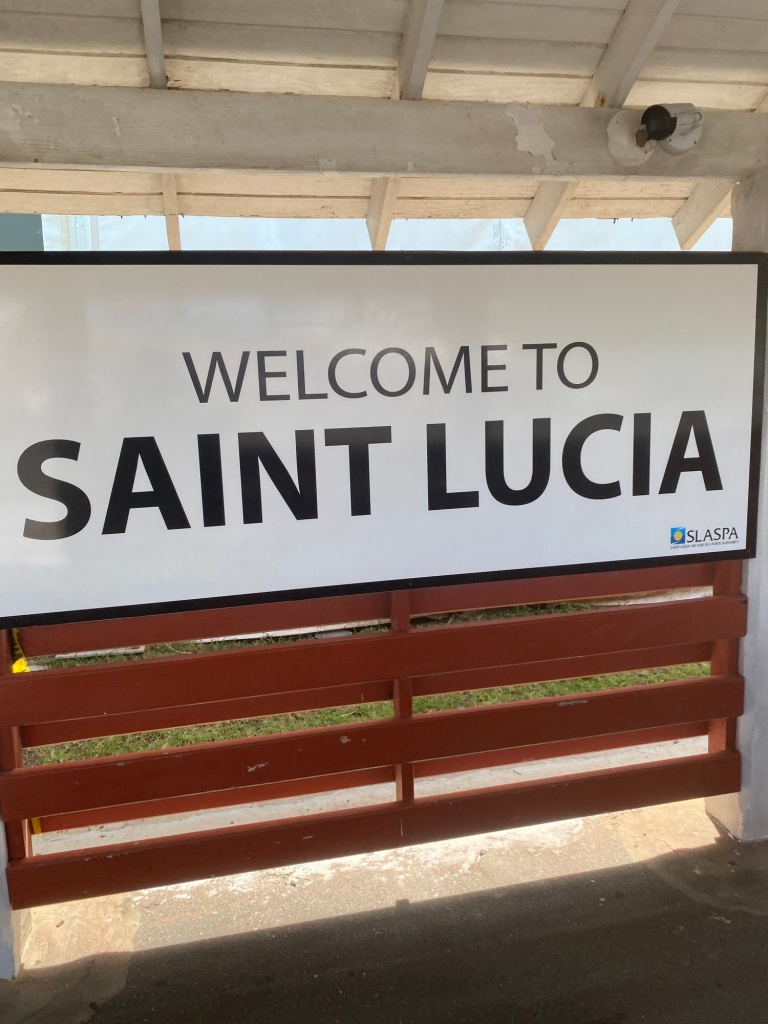
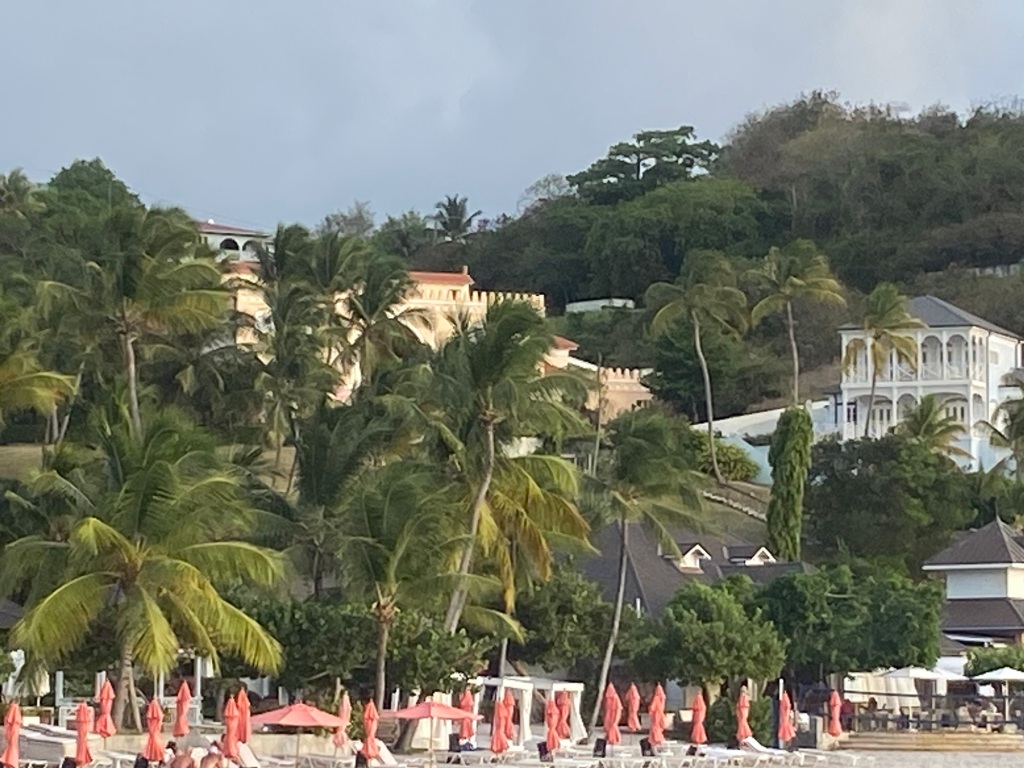
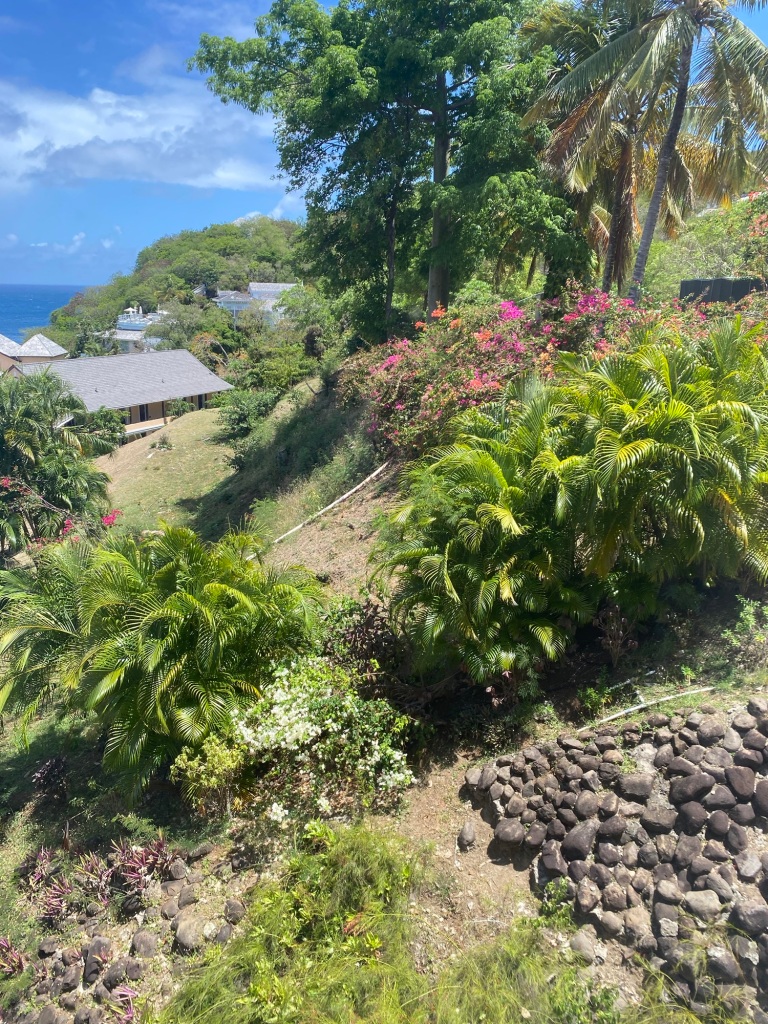
Despite going to the Caribbean several times, I missed several islands. As a person that hates to leave things unfinished, I knew I’d have to return to some of those islands I missed. St Lucia had been on my list of places to go for years, but I never had the opportunity- that is, until last spring. One of my dear friends planned a self care getaway, and the location she chose was The Body Holiday in St Lucia. As a self care proponent, I happily booked my own room and made my plans to journey with her.
The Body Holiday is a luxurious, all inclusive hotel and spa. The biggest perk of going here is probably the location: the island was sunny and beautiful almost each day while I was there. Aside from the location, there were many fantastic reasons to stay there. With every booked stay, The Body Holiday offers daily spa treatments, such as massages, facials, and the like.* You can choose one treatment per day or, if you want to splurge, you can add on as many treatments as your schedule will allow. In addition to the treatments, there are numerous fitness classes, all taught by excellent instructors.
The spa area
*The spa is located on a path that cannot be accessed if you are wheelchair bound or if you use mobility aids. So if you cannot maneuver easily, then you may need to see if you can have the masseuse or estheticians come to your room to complete your treatments. I’m not sure if this is available, but it’s certainly worth asking about.
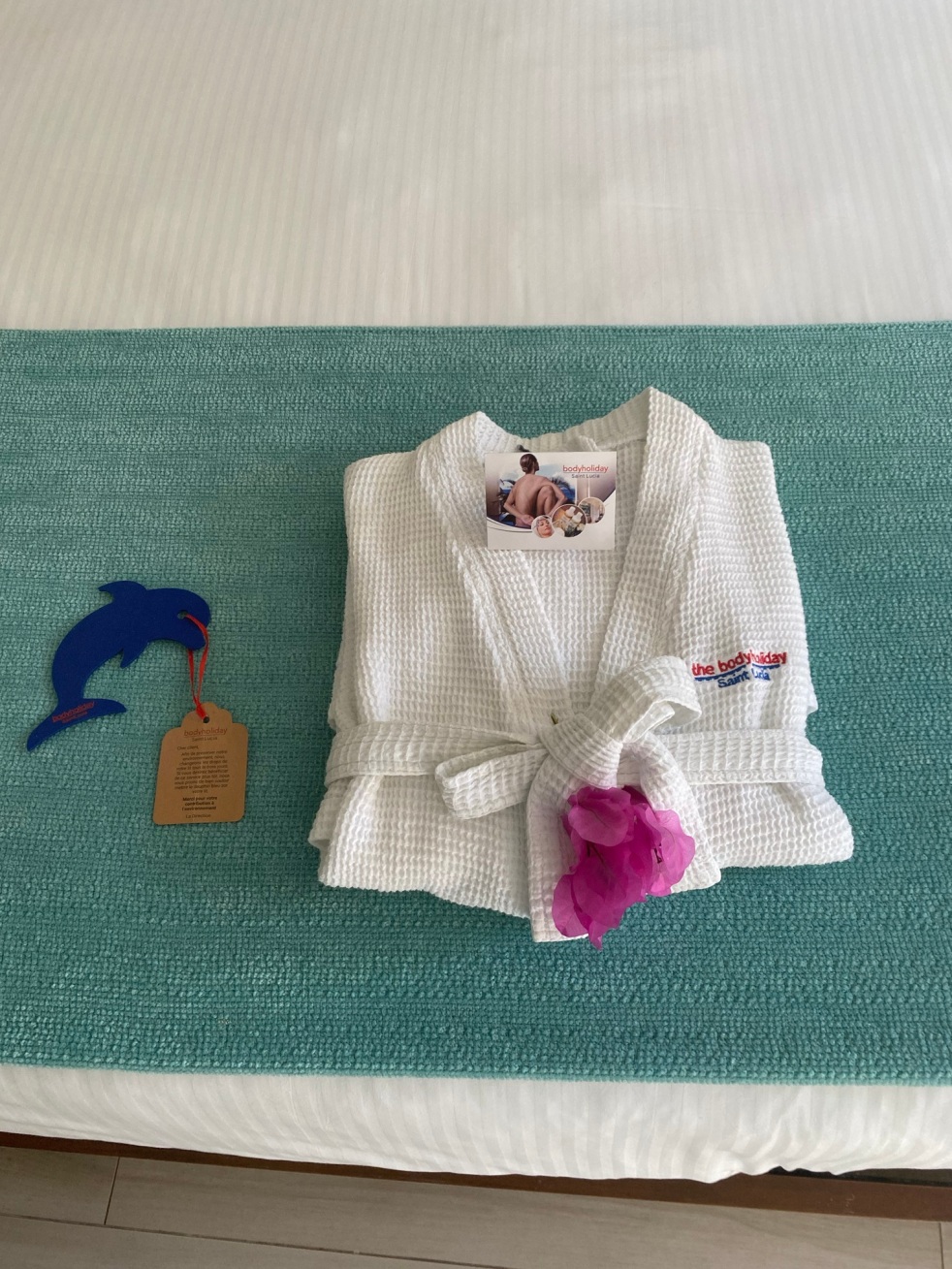
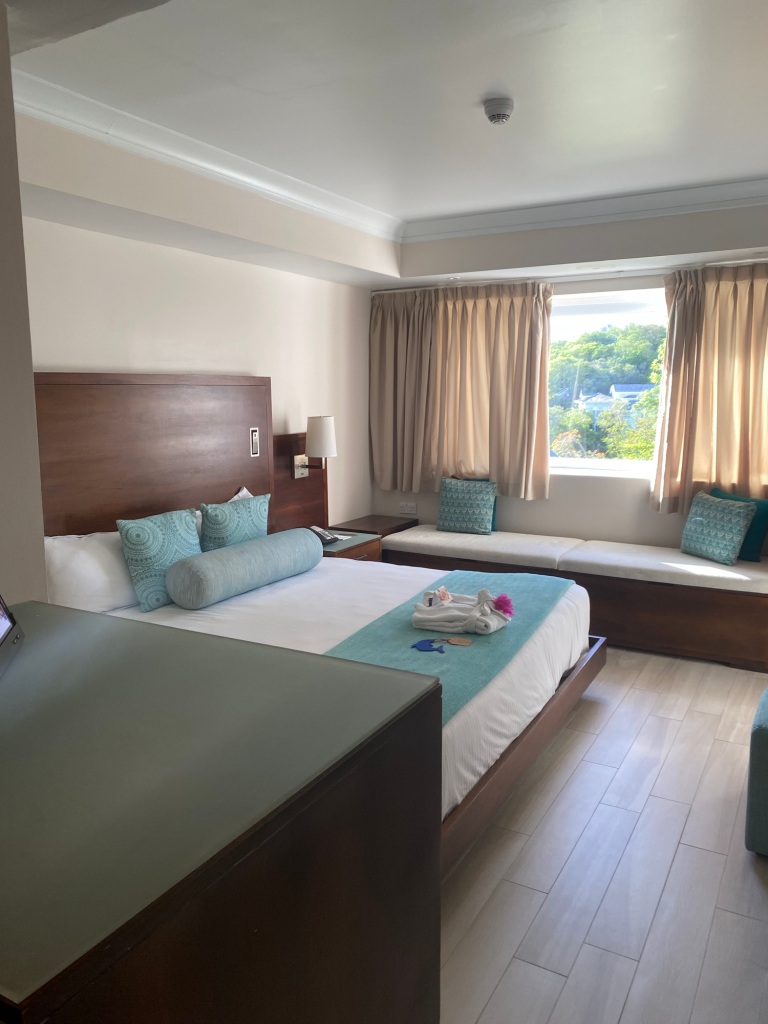
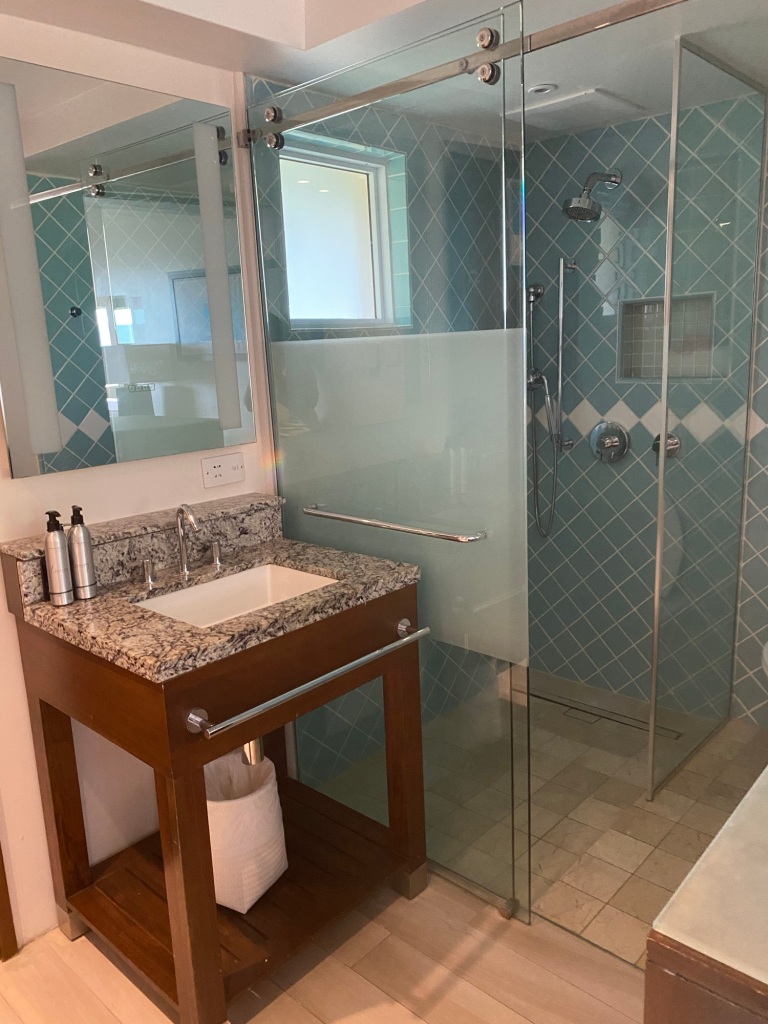
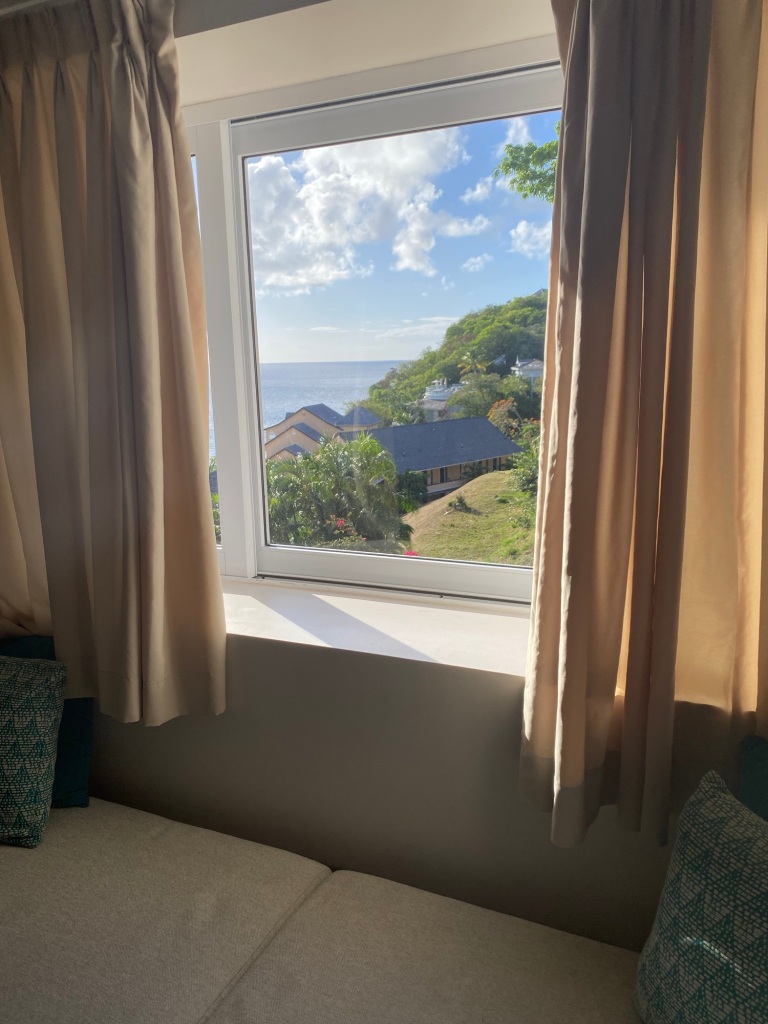
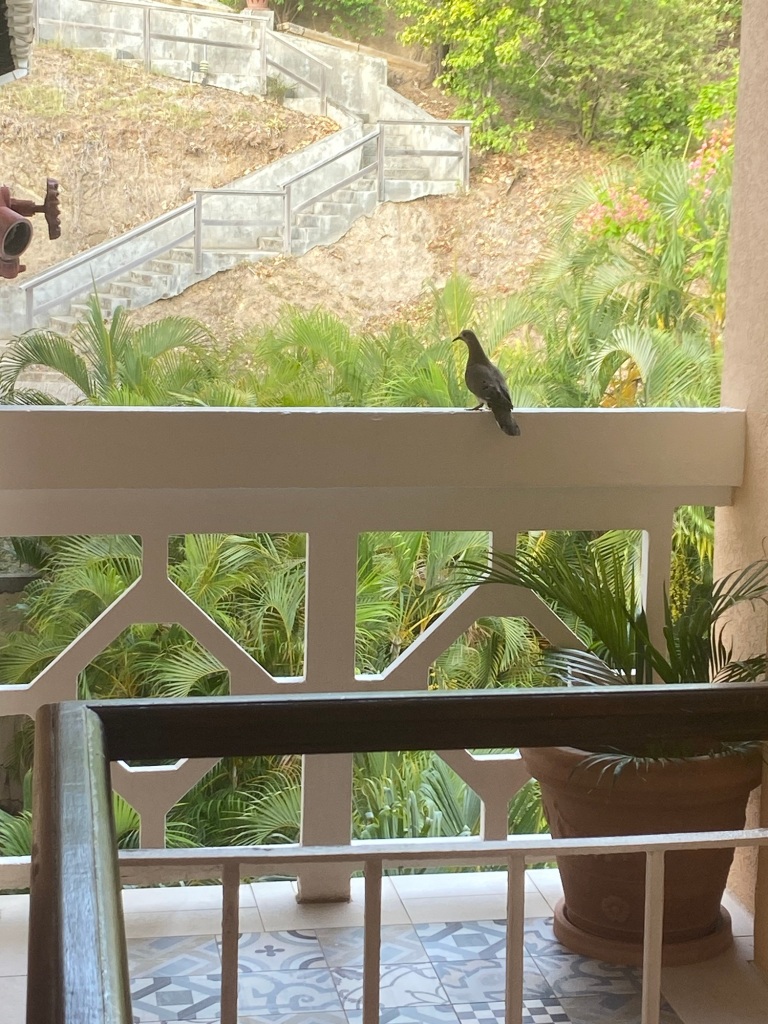
Here are some pictures of my room:
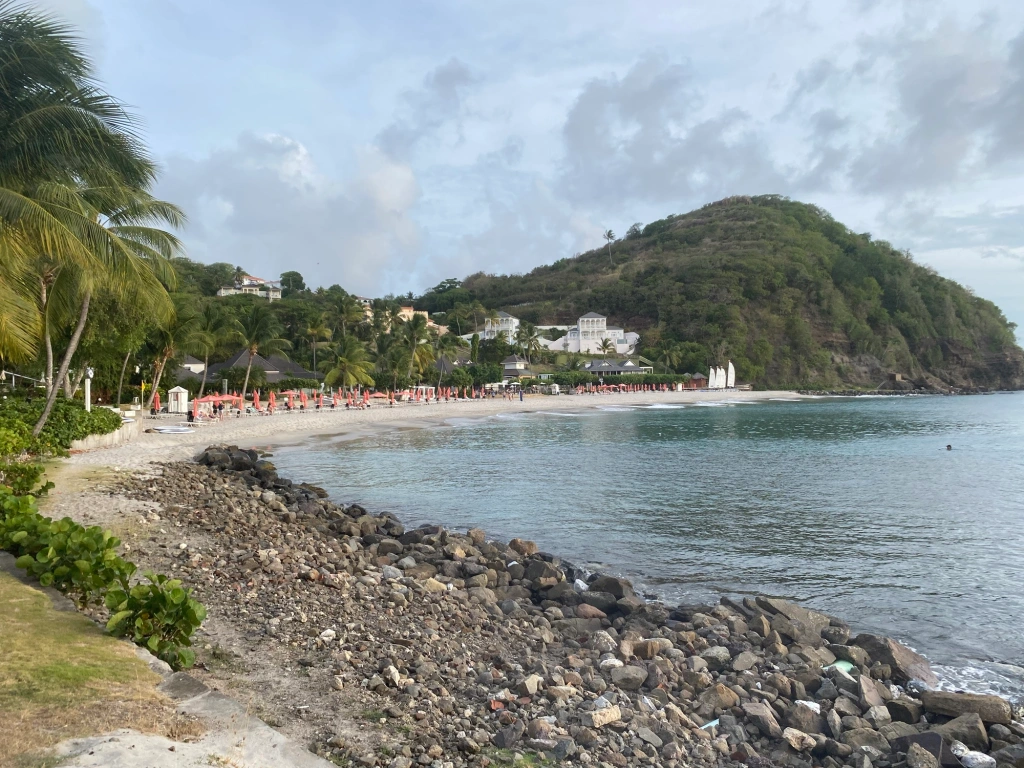
Now, you may be more like me: you want self care but sweating it out in an aerobic class isn’t it. Fortunately, The Body Holiday is a great option if you want to lounge and luxuriate only: the resort has a pristine private beach where you can relax and forget all of your troubles. Now, here’s where I bring up the first (of only two) drawback: sand fleas nearly ate me alive. Of course, I laid on the beach like the sun bum I am. However, I’ve never been bitten by mites before (most of the beaches I’ve enjoyed were more temperate climates: these insects live in more tropical locales), so I didn’t realize how much bug repellant was necessary. Also, I saw plenty of birds, lizards and frogs: you’d think the insect population would be kept in check. But I guess the critters are no match for the bugs. The mosquitoes had a field day with me as well, but those were somewhat expected and the effect of those bites were much briefer. It took a couple of weeks for the itching to subside and a while longer for the discoloration to fade. This isn’t the resort’s fault: I should have done more research on which insects are the most prevalent and how to counteract them (pro traveler tip: definitely research local pests before traveling!)
Now onto one of the most fun parts of the trip: the food! Delicious, freshly prepared food was available every day. While I couldn’t eat whatever I wanted whenever I wanted (I always seemed to want a smoothie about 10 minutes after the smoothie stand closed), there were always some incredible dining options daily. I loved that the resort focuses on healthy food, but if you want to indulge with something more, well, indulgent, that was also available. I had some incredible desserts, exquisite entrees, and tasty, nourishing snacks. I ate well and felt amazing. There are time limits on when you can enjoy the resort’s cuisine: most of the options were closed before midnight. The nighttime cutoff only applied to food: the bars stayed open later. Since the resort was all inclusive, there were many wines, whiskeys and cocktails available to guests. I got to enjoy many Old Fashioneds, as well as some good wine, and a few of the resort’s special frozen fruit cocktails.
There was live music and entertainment every night, though it pretty much all wrapped up around 1 AM. I spent quite a few hours at the piano bar, flipping through sheet music books and chatting up the people around me. If you wanted to enjoy more of the island, the resort was a brief distance from some of the major social areas, including an area known for fantastic street parties. Also, there was a nearby rainforest where visitors can zipline or do whatever else people do in rainforests (clearly, I didn’t go).
I saw the rainforest, as well as some of the neighborhoods, on my way to and from the resort. My ride to and from The Body Holiday is my second (sort of) drawback to mention: the resort is nowhere near the airport. It’s roughly one hour between these two points, assuming that there are no traffic delays. You can arrange your transportation before you arrive, which is what I did. Also, it’s possible to get a cab once you land, but I’d caution against that. I can’t think of anything more dreadful than assuming you can just grab a taxi and finding out that every one of them is occupied and that you’ll have to wait more than 30 minutes for a ride. It’s unlikely, but certainly not impossible.
Although the resort is all inclusive, this does not include a gratuity, so remeber to budget for that. Otherwise, everything was indeed included, and the only thing better than the value you get for this trip is the service. Everyone was friendly, accommodating and professional. I truly enjoyed interacting with the staff and getting to know some of them better. The concierge’s desk is open 24 hours, so it’s easy to resolve whatever issues may come up. Each room is equipped with wi-fi, and the turn down service is such a treat!
My Body Holiday experience was dreamy: I can’t wait to return!
Happy Fibro Friday! Yesterday kicked off the beginning of National Pain Awareness Month, an observation that I was completely unaware of until a couple of weeks ago. I am using this time to explore the stories shared by other people dealing with chronic pain conditions. I’m also reviewing the resources being shared in various chronic pain spaces.
One great resource that I saw is posted on National Today. This post has some great, bite-sized facts about chronic pain, and can be a solid introductory resource for those unfamiliar with chronic pain and its effects (making this an excellent post to share with oblivious friends, family, and even employers). If you’ve had a hard time explaining the effect of your condition to the people in your world – or, if you have struggled with understanding the symptoms that you’re experiencing – this article may be helpful.
I hope that you take some time this month to find out more about the effects of chronic pain, as well as lending support and connecting to those that suffer from chronic pain conditions. I plan on taking some time to learn more as well as lending my voice to the discussions surrounding chronic pain.
That’s it for this week. Take care, and I’ll talk to you all soon!
Happy Fibro Friday! I’m in the midst of updating my routine to reflect the inevitable season change that is right around the corner (and that I’m feeling already!) so I’ve been laying low. That being said, I created a video a while ago about telework. I’ve meant to write about telework over here before, but I never quite had the words . . . Then I realized that some stories are best told via video. So that’s what I did.
As someone who had fragile mental and physical conditions, I did feel a bit of discomfort sharing how vulnerable I felt during the worst of my fibro experience. But if my story can help someone else feel less ashamed of their journey, then I’m glad to share it.
That’s all for today. Continue taking care of yourselves, and enjoy your weekend!
Happy Fibro Friday! After an emotionally intense few days (I didn’t mention it in previous posts, because I like to focus on joy and ease in this space), I’m feeling so much lighter and happier! As today is Fibro Friday, I wanted to share a story about how I created a fibro flare right before my travels in June.
The excitement and stress of preparing to travel created the first real “flare” that I’d experienced in a while. I’d had achy or uncomfortable days, but I hadn’t felt like I was in a true “flare” in quite some time. So I was surprised when I noticed I had all of my typical flare symptoms: achiness all over; pain in my neck, back, shoulders, wrists, and forearms; brain fog; exhaustion; queasiness; pins and needles in my hands and feet; skin sensitivity, sore throat and dizziness. It has been a LONG time since I had this many symptoms at once, and it was not fun at all!
After noting that my normal activity caused leg soreness, and seeing that the transition to warmer weather was making me more uncomfortable than I’d normally expect, I did a checklist of what may have been wrong. My first thought was COVID, but I knew that my chances of being exposed were minuscule. I had the realization that I was the reason behind my most recent flare – well, me and the stress of traveling, that is – when I rested a bit and some of the brain fog and exhaustion eased up. I allowed myself to get more stressed than normal because of all of the little things that were within and beyond my control: I was so worried about what travel looks like in a post-COVID world, how much tidying I needed to do before I left, checking and double-checking my travel plans, etc.,.
Stress is such a huge trigger, and it can be triggering us behind the scenes: I wasn’t actively feeling stressed but it still affected me. However, awareness and immediately implementing self care helped shorten the flare and made such a difference. Here is the video I made discussing my flare:
That’s it for today. Please continue to take care of yourselves, and I’ll talk to you all soon!
Happy Fibro Friday, friends! I hope you all are having a great week and, if not, I hope your weekend is full of whatever you need to feel better.
This is a brief post, because I’ve already discussed the three biggest things I’ve been using to improve my sleep over on my Youtube channel. Anyone that has fibromyalgia, or any other chronic illness or chronic pain condition, knows that sleep is necessary to restore ourselves and to feel as good as possible. We also know that being in pain often means that sleep rarely makes us feel refreshed. So, anything that can improve the quality of our sleep can make the difference between feeling amazing and feeling awful.
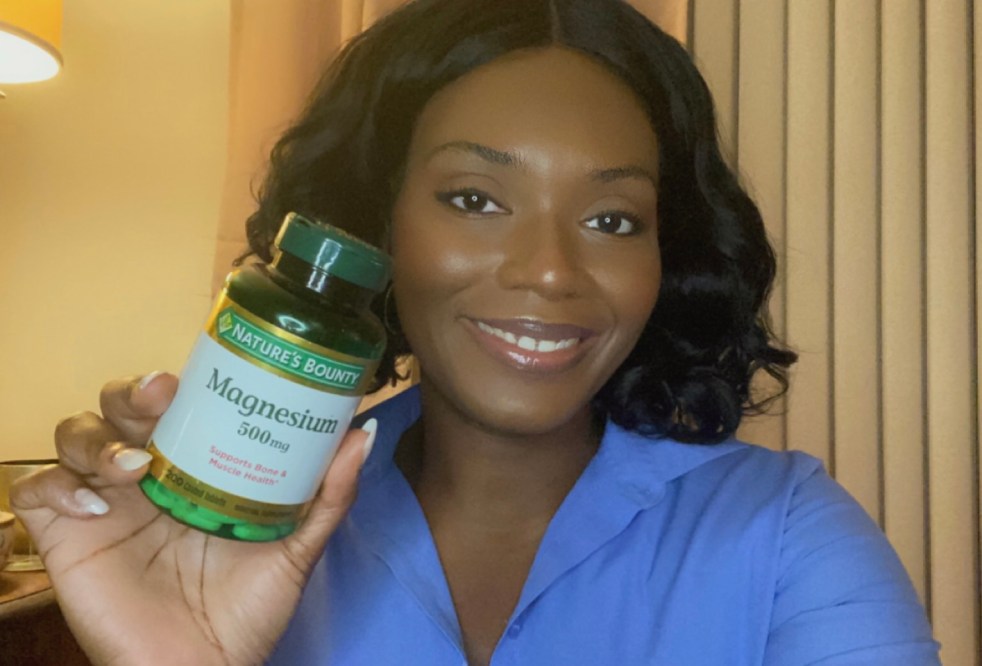
The three things I’ve used that have helped me get deeper, more restorative sleep are weighted eye masks, magnesium supplements, and turmeric supplements. I’ve talked about magnesium and turmeric supplements (I’ve reviewed turmeric here and here) on this blog before, but I’ve never discussed eye masks. I’ll post my videos about each tool below, but if you’re short on time, here is the TLDW version:
Weighted eye masks help block out light (obviously), and the weight of it acts similar to weighted blankets: it provides a cozy feeling that helps with sleep. (I use the one by IMAK)
Turmeric supplements reduce inflammation and I take it at night, so it can do its work while I’m resting. For me, less pain means better sleep. (I use turmeric from Doctor’s Recipes and VitaBreeze: I alternate between the two).
More about weighted eye masks –
Why I use magnesium at night –
My daily turmeric and collagen supplements, and how the two I use measure up against each other –
These three things are the building blocks for improving my sleep, and I’m recommending these in hopes that they will help you, too! If you’ve tried any of these, or if you’re curious about any of them, please let me know in the comments below. Take care, and have a great weekend!
Happy Fibro Friday, friends! We made it through another week, and I’m excited that I get to share with you some tips that served me well when I traveled several weeks ago.
Because I was traveling for a few weeks out of the country, I had to be mindful that my normal conveniences *may* not be available. The reality of traveling anywhere is that, if you have chronic illness, it’s imperative to have things you need, in case your symptoms flare up.
I was fortunate that I didn’t have any flares while traveling (yay!) though I did feel ill upon returning to the States. To my credit, I prepared well and that probably created enough energetic “relief” that I was avoid a flare due to stress. Part of my preparation included packing a travel-sized flare kit.
I mentioned my self-care kit a while ago, and I added things to the kit to make it suitable for treating my emotional as well as my physical health. I took an abbreviated version of this kit with me on the road. The contents of my travel kit were as follows:
ginger mints and ginger tea
journal and pen
resistance band and stress ball
pain relievers
dream water
room spray
aromatherapeutic oil
I discuss the kit a bit more in this video:
Have you ever prepared a mini flare kit when traveling? What items do you recommend that I add? I’d love to hear your thoughts below!
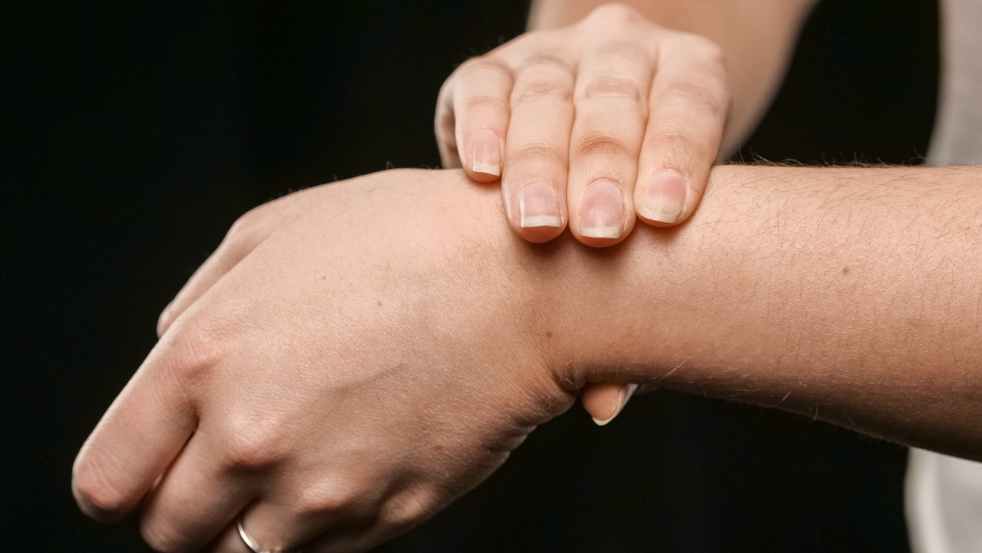
It’s been a while since I’ve done a Fibro Friday post, though I’ve been posting fibro videos over on my YouTube. Last month, I started physical therapy for my wrist pain that I’ve suffered from since 2018(!). I recall when I first had pain in my wrist, which was so intense that I went to the emergency room. The pain made it impossible to write more than a page in my journal at a time. Being unable to write with the same fervor that I used to was a heartbreaking experience and, while I wanted to get relief for the pain, I had far more pressing issues to address (like my other fibro issues). So I shelved the wrist treatment until recently.
So I started physical therapy. I posted this video on June 10th, and I’ve done some therapy sessions after filming this video. In fact, I’ve completed my series of sessions, and now I get to do the work on my own to continue rehabilitating my wrist. So I’ve seen even more progress since I filmed originally. Here’s the video discussing my physical therapy:
Now that I’ve completed physical therapy, I have a much better understanding of what my wrist needs to be its healthiest and strongest. I need exercises that both relieve stress as well as strengthen the muscles. The strengthening is the key point for me: the pain kept me from moving my wrist in a normal way, and due to this, I lost a lot of my original strength. Restoring my wrist strength is crucial to my healing journey. That, along with exercises to help with the flexibility and grip function, will help me to get back to my former glory.
I’m looking forward to giving you all updates in the months to come, as I progress in my healing journey. I’m excited to see how things go!
Anyhoo, that’s it for today. I hope you all have a great weekend. Talk to you all soon!







 Bronze Butterfly