health · life curation

Fibro Friday Posts Resume Next Week

Since I’ve been getting back into the swing of things with blogging, I have neglected to write about fibromyalgia. Do you know there was actually a time where I wrote about fibromyalgia and chronic illness every single Friday? I did that for a LONG time, actually. I slacked up on my blogging and I discussed fibromyalgia less and less. There’s actually a good reason for that.

My symptoms had been, for the most part, manageable. All of those posts where I was trying different treatments weren’t in vain: I actually discovered that changing my routine, supplementing effectively, and learning the best physical activity for my body could effectively reduce my symptoms from devastating to only slightly annoying (a major improvement!) But, to be clear, fibromyalgia is a lifelong condition: a stressful situation, or a series of difficult events, can easily trigger my symptoms and undo a lot of the progress I’ve made. I recall how post-viral syndrome caused me to experience deconditioning (rapidly losing progress towards my physical wellness) after having the flu for a couple of weeks. Up until early this year, I had been managing life pretty well overall. However, life would have different plans for me. In February, I had a really bad flare that negatively impacted my mental health. Additionally, a heart-to-heart conversation with a good friend enlightened me and helped me identify the fact that I had unaddressed trauma that desperately needed my attention.

As a result, I had to take time to really start working on the dumpster fire that was my mental health, so that I could avoid the inevitable physical effects of being emotionally unwell. When you’re actively working on wellness, you don’t always have time to log your process and progress (I’ve tried that before, both on this blog and on my Fibro Friday vlogs: I get better results when I focus on wellness first, then report results much later). So I spent the majority of this year untangling various emotional blocks and trauma, working to resolve those core issues so that I can desensitize my triggers and reduce the likelihood of an emotional event progressing into a physical one.

I don’t make it a point to constantly talk about fibromyalgia in my daily life, so I don’t always write or vlog about it. It’s a central part of my life so I can’t ignore it, but I don’t discuss it all the time. But, just because I’m not talking about it doesn’t mean I’m not working on it. The more I take care of myself, the more I uncover better ways to heal the damage that is at the root of my condition. And I feel it is my responsibility to share what works, so that if there are people out there looking for solutions, they can explore what I’m doing and see if it helps them. I’m not a doctor and this isn’t medical advice, but I’m a real person, trying different things and seeing how I can live a normal life with chronic illnesses. On my journey, I’ll share what I learn and hope that my experience can help someone else dealing with medical issues.

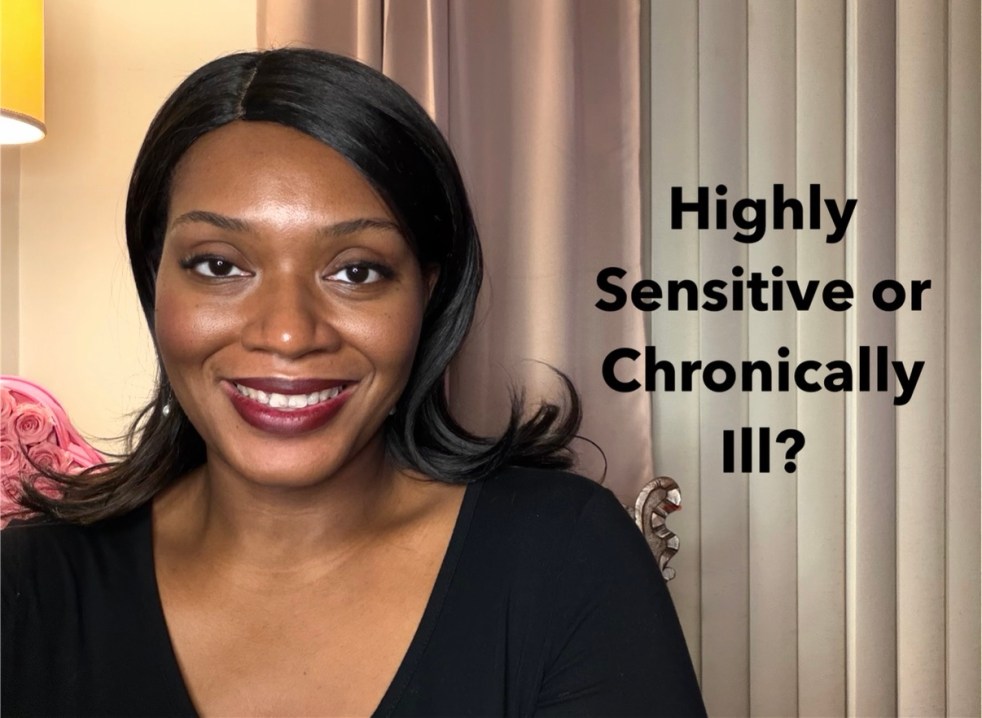
That all being said, there will be more Fibro Friday content in the coming weeks. I had my annual lab work done recently, and I have my annual physical in just a few days, so I’ll be discussing how my health is going in the upcoming weeks. In the meantime, here is a Fibro Friday video from this year, discussing nervous system sensitivity and fibromyalgia:

health

Fibro Friday – Multi-Purpose Pain Oil

Happy Fibro Friday! I’m playing catch-up with my posts, because I’ve posted a number of Fibro Friday videos on YouTube that I never shared over here.

A few years ago, I posted a recipe to a pain balm that I used to help with nerve and muscle pain connected to fibromyalgia. This all natural pain balm was unique, in that it used essential oils and it went beyond muscle pain (the usual target for pain) and addressed nerve pain, too. I love this balm and make it a few times each year. But, sometimes I need relief quickly, and I don’t want to wait for the balm to cool and set. So I decided to try a pain relief oil instead. It wouldn’t need the setting time that the balm required, but it also had the potential to be messier if I needed to transport it. I decided it was worth a shot, since I wasn’t planning any immediate travel AND I needed some fast pain relief.

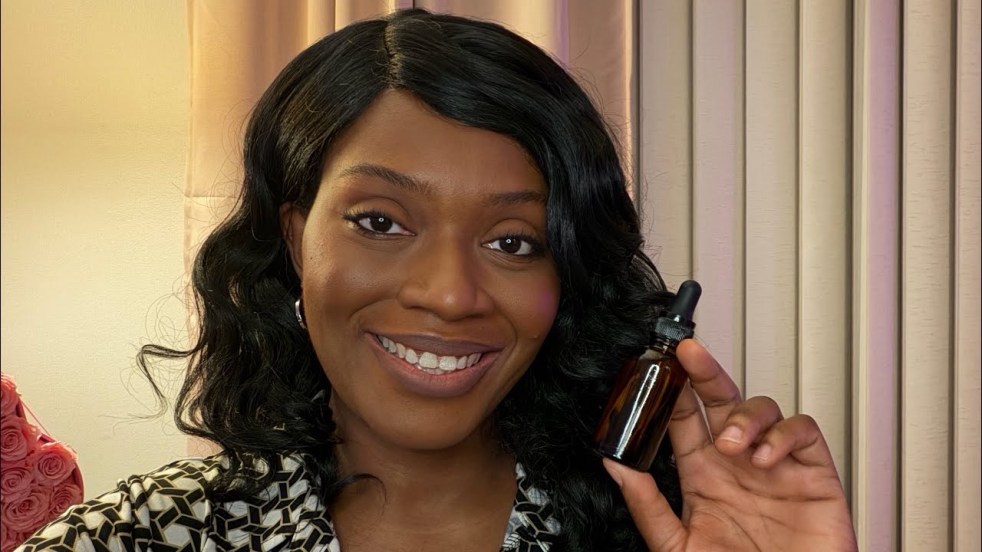
I combined my main actives – copaiba essential oil and dried arnica that I infused into avocado oil (arnica oil works, too) – into a clean amber jar with dropper. I then added a new ingredient, marjoram oil, since I was out of davana essential oil. I then added some orange essential oil, and filled the rest of the bottle with apricot oil. The oil has the same smell: herbal, medicinal, and a little citrus. However, instead of waiting for it to cool and set into a semi-solid state, it remained liquid.

I tried the new formulation on some muscle pain I had in my feet and ankles (a common sore spot for me, since I’m fairly active every day). I noticed that it not only relieved the pain, but it also calmed the tingling I experience in both my hands and feet. For those that don’t know, I experience some idiopathic peripheral neuropathy symptoms, including tingling and itching on the palms of my hands and soles of my feet. Sometimes I’m awakened by the nerve sensations, which usually feels like either pins-and-needles pain, or intense itching. And the oil actually gave me some relief! That confirms my suspicion that my nerve discomfort continues to be responsive to copaiba, and the relief can be experienced regardless of whether the product is liquid or semi-solid.

I always try to back up my Fibro Friday recommendations with peer-reviewed research, so here are the articles I used when figuring out exactly which oils to include in this recipe:

Effects of a massage-like essential oil application procedure using Copaiba and Deep Blue oils in individuals with hand arthritis

The effect of Copaiba aromatherapy on pain scale among postpartum Breast Cancer surgery patients at Prof. Dr. Margono Soekarjo Hospital, Purwokerto

Copaiba Oil-Resin Treatment Is Neuroprotective and Reduces Neutrophil Recruitment and Microglia Activation after Motor Cortex Excitotoxic Injury –

Marjoram essential oil – Efficacy of Topical Essential Oils in Musculoskeletal Disorders: Systematic Review and Meta-Analysis of Randomized Controlled Trials

Sweet Marjoram: A Review of Ethnopharmacology, Phytochemistry, and Biological Activities

Anti-Inflammatory and Pain-Relieving Effects of Arnica Extract Hydrogel Patch in Carrageenan-Induced Inflammation and Hot Plate Pain Models

Effects of Arnica Phytotherapeutic and Homeopathic Formulations on Traumatic Injuries and Inflammatory Conditions: A Systematic Review

And, if you prefer to listen to my discuss the oil ingredients further, here is the YouTube video:

If you experience fibromyalgia or neuropathic pain, what remedies have you found helpful? I’d love to hear your solutions in the comments below!

FYI: none of the information on this or any other post is medical advice. Please consult with your doctors before beginning any home remedies or other treatment.

This post contain affiliate links.

health · Uncategorized

Fibro Friday – Anger, In Retrospect

When it comes to chronic illness, it’s very easy to get so lost in symptom management that you lose sight of your emotional life. Figuring out your new lifestyle is a massive undertaking and doesn’t give you a lot of space to think, and act, and feel, simultaneously. You often have to forgo examining your feelings in order to figure out how to get the pain under control, and you put those difficult emotions on the shelf while you do the work of figuring out what’s happening with your body. Many times, those hard-to-describe emotions . . . are anger. Anger over the excellent health you may never enjoy again, anger over the misdiagnoses, dismissive attitudes within the medical profession, anger over the people who simply don’t understand what you’re going through.

So you do the doctor visits, buy the medicine and supplements, try adjusting your routine. You do a few things, figure out what’s working, then revise as needed. You do this for weeks and months, and hope that you’ll finally figure out a recipe for wellness that you can sustain over the long term. And while you do all of that . . . the anger sits.

And trust, that’s all the anger does. It sits, and it doesn’t budge an inch. It waits for you while you run around and try to put out the fires with your health condition. It doesn’t go anywhere until it’s processed. So, it stands by as you try to do everything you need to get your health back on track.

When you finally get things under control, or when you just accept what your life will be with your chronic condition, then the anger bubbles up. The lucky ones of us have a few times where the anger explodes, gets processed quickly, and it’s on to the next thing. But for some of us. . . it doesn’t happen like that. It may not feel like white-hot rage initially. It may feel like discomfort, being a little less patient with yourself and others, a repressed or otherwise forgotten memory reappearing and knocking the wind out of you. It doesn’t always look or sound like anger, that is, until you start peeling back the layers.

After you inquire within yourself, “Is this sadness? Disappointment? Frustration? Fear?” and find that none of those emotions fit, then (if you’re honest with yourself) it’ll hit you. You’re mad. Furious, even. Mad at your body for not responding to your medication, improved diet or modified routine. Enraged at the many doctor visits that didn’t get you an answer despite you always telling them your laundry list of symptoms. Fury over how little your family, friends, or acquaintances believe or understand your discomfort. And yes, white hot rage over the insurance systems, employers and government frameworks that make it more advantageous for you to suffer and expire than to get real help on your path.

Your anger may not appear at the beginning of your journey. It may appear in retrospect, like mine did. And it’s still just as holy, justified, and worth acknowledging as it was when you first felt it but didn’t realize what it was.

Give your anger space, and give yourself grace for feeling it. It is part of your journey, and it deserves space. And then, when the rage has cooled down, care for yourself, and press forward. Your improved health is on the other side of your process.

health

Fibro Friday – National Pain Awareness Month

Happy Fibro Friday! Yesterday kicked off the beginning of National Pain Awareness Month, an observation that I was completely unaware of until a couple of weeks ago. I am using this time to explore the stories shared by other people dealing with chronic pain conditions. I’m also reviewing the resources being shared in various chronic pain spaces.

I’d guessing that most of you are already quite aware of chronic pain: after all, you’re reading a Fibro Friday post! But, if you’re still unsure why a Pain Awareness Month would be needed, I have a few insights that may clarify why this observation is still relevant. For starters, more than 20% of Americans have experienced chronic pain, and it disproportionately affects women, people struggling with poverty and unemployment, and other traditionally disadvantaged groups. Chronic pain is also the #1 reason for doctor’s visits in America, and the pain can severely limit quality of life for those suffering with it. The current chronic pain situation is widespread but poorly understood.

One great resource that I saw is posted on National Today. This post has some great, bite-sized facts about chronic pain, and can be a solid introductory resource for those unfamiliar with chronic pain and its effects (making this an excellent post to share with oblivious friends, family, and even employers). If you’ve had a hard time explaining the effect of your condition to the people in your world – or, if you have struggled with understanding the symptoms that you’re experiencing – this article may be helpful.

I hope that you take some time this month to find out more about the effects of chronic pain, as well as lending support and connecting to those that suffer from chronic pain conditions. I plan on taking some time to learn more as well as lending my voice to the discussions surrounding chronic pain.

That’s it for this week. Take care, and I’ll talk to you all soon!

career · health

Fibro Friday – Real Talk About Telework

Happy Fibro Friday! I’m in the midst of updating my routine to reflect the inevitable season change that is right around the corner (and that I’m feeling already!) so I’ve been laying low. That being said, I created a video a while ago about telework. I’ve meant to write about telework over here before, but I never quite had the words . . . Then I realized that some stories are best told via video. So that’s what I did.

As someone who had fragile mental and physical conditions, I did feel a bit of discomfort sharing how vulnerable I felt during the worst of my fibro experience. But if my story can help someone else feel less ashamed of their journey, then I’m glad to share it.

That’s all for today. Continue taking care of yourselves, and enjoy your weekend!

health · relaxation · travel

Fibro Friday – How I Created a Flare

Happy Fibro Friday! After an emotionally intense few days (I didn’t mention it in previous posts, because I like to focus on joy and ease in this space), I’m feeling so much lighter and happier! As today is Fibro Friday, I wanted to share a story about how I created a fibro flare right before my travels in June.

The excitement and stress of preparing to travel created the first real “flare” that I’d experienced in a while. I’d had achy or uncomfortable days, but I hadn’t felt like I was in a true “flare” in quite some time. So I was surprised when I noticed I had all of my typical flare symptoms: achiness all over; pain in my neck, back, shoulders, wrists, and forearms; brain fog; exhaustion; queasiness; pins and needles in my hands and feet; skin sensitivity, sore throat and dizziness. It has been a LONG time since I had this many symptoms at once, and it was not fun at all!

After noting that my normal activity caused leg soreness, and seeing that the transition to warmer weather was making me more uncomfortable than I’d normally expect, I did a checklist of what may have been wrong. My first thought was COVID, but I knew that my chances of being exposed were minuscule. I had the realization that I was the reason behind my most recent flare – well, me and the stress of traveling, that is – when I rested a bit and some of the brain fog and exhaustion eased up. I allowed myself to get more stressed than normal because of all of the little things that were within and beyond my control: I was so worried about what travel looks like in a post-COVID world, how much tidying I needed to do before I left, checking and double-checking my travel plans, etc.,.

Stress is such a huge trigger, and it can be triggering us behind the scenes: I wasn’t actively feeling stressed but it still affected me. However, awareness and immediately implementing self care helped shorten the flare and made such a difference. Here is the video I made discussing my flare:

That’s it for today. Please continue to take care of yourselves, and I’ll talk to you all soon!

health · life curation

Fibro Friday – How I’m Getting Better Sleep

Happy Fibro Friday, friends! I hope you all are having a great week and, if not, I hope your weekend is full of whatever you need to feel better.

This is a brief post, because I’ve already discussed the three biggest things I’ve been using to improve my sleep over on my Youtube channel. Anyone that has fibromyalgia, or any other chronic illness or chronic pain condition, knows that sleep is necessary to restore ourselves and to feel as good as possible. We also know that being in pain often means that sleep rarely makes us feel refreshed. So, anything that can improve the quality of our sleep can make the difference between feeling amazing and feeling awful.

The three things I’ve used that have helped me get deeper, more restorative sleep are weighted eye masks, magnesium supplements, and turmeric supplements. I’ve talked about magnesium and turmeric supplements (I’ve reviewed turmeric here and here) on this blog before, but I’ve never discussed eye masks. I’ll post my videos about each tool below, but if you’re short on time, here is the TLDW version:

  • Weighted eye masks help block out light (obviously), and the weight of it acts similar to weighted blankets: it provides a cozy feeling that helps with sleep. (I use the one by IMAK)
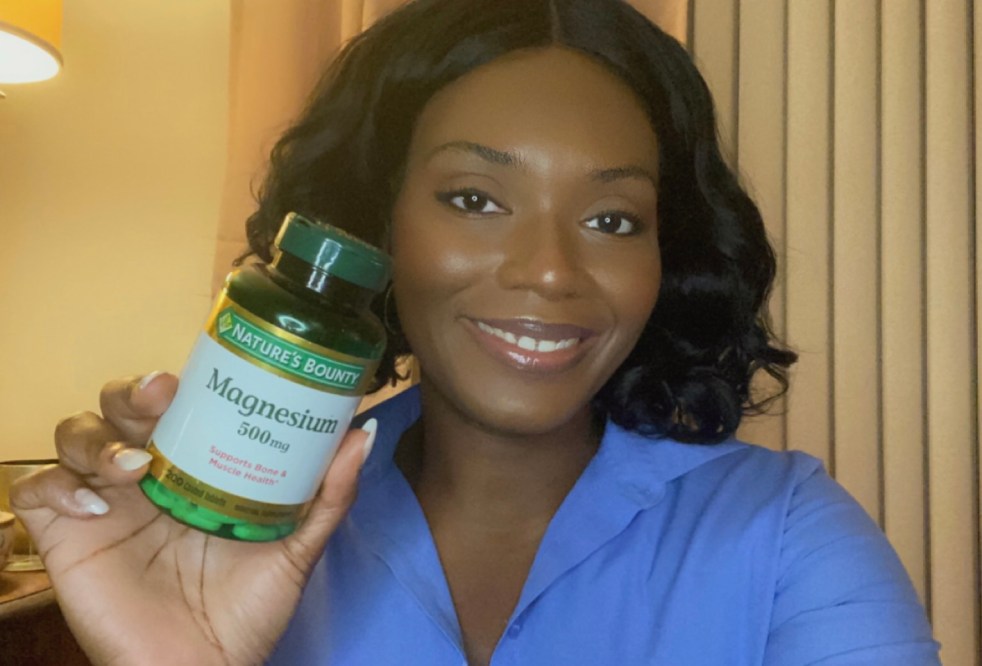
  • Magnesium is a muscle relaxer and a sedative, so it helps reduce pain while also giving you deeper sleep. (I use Nature’s Bounty magnesium supplement).
  • Turmeric supplements reduce inflammation and I take it at night, so it can do its work while I’m resting. For me, less pain means better sleep. (I use turmeric from Doctor’s Recipes and VitaBreeze: I alternate between the two).

More about weighted eye masks –

Why I use magnesium at night –

My daily turmeric and collagen supplements, and how the two I use measure up against each other –

These three things are the building blocks for improving my sleep, and I’m recommending these in hopes that they will help you, too! If you’ve tried any of these, or if you’re curious about any of them, please let me know in the comments below. Take care, and have a great weekend!

health · international · life curation · travel

Fibro Friday – Travel-Sized Flare Kits

Happy Fibro Friday, friends! We made it through another week, and I’m excited that I get to share with you some tips that served me well when I traveled several weeks ago.

Because I was traveling for a few weeks out of the country, I had to be mindful that my normal conveniences *may* not be available. The reality of traveling anywhere is that, if you have chronic illness, it’s imperative to have things you need, in case your symptoms flare up.

I was fortunate that I didn’t have any flares while traveling (yay!) though I did feel ill upon returning to the States. To my credit, I prepared well and that probably created enough energetic “relief” that I was avoid a flare due to stress. Part of my preparation included packing a travel-sized flare kit.

I mentioned my self-care kit a while ago, and I added things to the kit to make it suitable for treating my emotional as well as my physical health. I took an abbreviated version of this kit with me on the road. The contents of my travel kit were as follows:

  • ginger mints and ginger tea
  • journal and pen
  • resistance band and stress ball
  • pain relievers
  • dream water
  • room spray
  • aromatherapeutic oil

I discuss the kit a bit more in this video:

Have you ever prepared a mini flare kit when traveling? What items do you recommend that I add? I’d love to hear your thoughts below!

health

Fibro Friday – Addressing My Wrist Pain

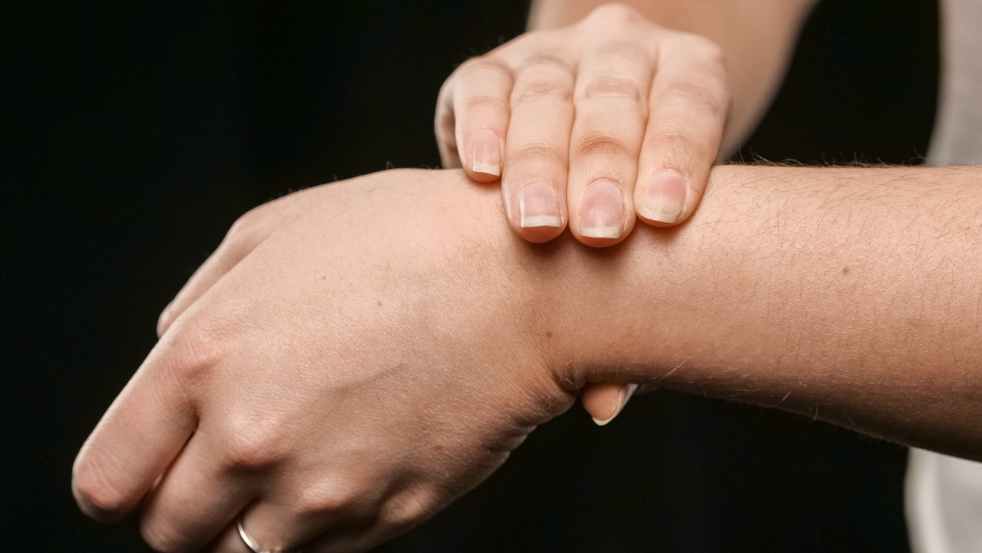
It’s been a while since I’ve done a Fibro Friday post, though I’ve been posting fibro videos over on my YouTube. Last month, I started physical therapy for my wrist pain that I’ve suffered from since 2018(!). I recall when I first had pain in my wrist, which was so intense that I went to the emergency room. The pain made it impossible to write more than a page in my journal at a time. Being unable to write with the same fervor that I used to was a heartbreaking experience and, while I wanted to get relief for the pain, I had far more pressing issues to address (like my other fibro issues). So I shelved the wrist treatment until recently.

So I started physical therapy. I posted this video on June 10th, and I’ve done some therapy sessions after filming this video. In fact, I’ve completed my series of sessions, and now I get to do the work on my own to continue rehabilitating my wrist. So I’ve seen even more progress since I filmed originally. Here’s the video discussing my physical therapy:

Now that I’ve completed physical therapy, I have a much better understanding of what my wrist needs to be its healthiest and strongest. I need exercises that both relieve stress as well as strengthen the muscles. The strengthening is the key point for me: the pain kept me from moving my wrist in a normal way, and due to this, I lost a lot of my original strength. Restoring my wrist strength is crucial to my healing journey. That, along with exercises to help with the flexibility and grip function, will help me to get back to my former glory.

I’m looking forward to giving you all updates in the months to come, as I progress in my healing journey. I’m excited to see how things go!

Anyhoo, that’s it for today. I hope you all have a great weekend. Talk to you all soon!

fitness · health

Fibro Friday – The Most Comprehensive Turmeric Supplement I’ve Seen

Happy Fibro Friday! I hope that you’ve had a great week and a fantastic weekend ahead! Today, I’m sharing with you all a turmeric supplement that I recently started using, and the many benefits that this particular supplement has. To be clear, I’m sharing this because I believe in more bang for your buck: if I find something that is more effective at a great price, I’ll be sure to share the details so that you all can do your research and see if it works for you.

Several weeks ago, I purchased a bottle of Doctor’s Recipes Glucosamine Chondroitin Turmeric MSM Quercetin supplements. I previously tried VitaBreeze Glucosamine Chondroitin Turmeric and MSM supplement because the only way I can get reimbursed for turmeric supplements through my flexible savings account is that they be included in a covered category (in this case, glucosamine chondroitin product). This product is used for management of inflammation, pain, and discomfort. This product also has no shellfish and soy.

I did a video comparing the two turmeric supplements I currently have. I’m including that video below, but for those that don’t have the time, the key points here are that, ingredient wise, the formulas are fairly similar, but the inclusion of collagen and boswellia give this product a little more of an advantage. Here’s the video:

My interest in the product really came from being curious about including more collagen in my diet, especially now that I eat a mostly plant-based diet. While there are certain percentages in the Doctors Recipes that are less than the VitaBreeze formulation, I think that Doctors Recipes is a more comprehensive product, due to the additional ingredients in their formula. I will continue using it and see if I notice a difference. Look out for a video on that in the near future.

That’s it for today! I hope you all have a great weekend, and I’ll talk to you all next week. Take care!

***** This post has affiliate links.