art · beauty · culture · hollywood glamour · international · life curation · luxury · style · travel

The Most Brilliant of Exiles: American Women in Paris at The National Portrait Gallery

Recently, I visited one of my favorite museums, The National Portrait Gallery in Washington DC. This museum is located right by Chinatown in downtown, a stone’s throw away from Capital One Arena. I was in the area while one of my friends visited from Atlanta, and we took advantage of a sunny afternoon and explored downtown DC on foot. She had never visited this museum before and, since the Portrait Gallery shares a building with the Smithsonian American Art Museum, I thought it would be a great time to visit both. I also got a chance to show her one of my favorite sculptures, The Death of Cleopatra by Edmonia Lewis (I wrote about this breathtaking work in this post).
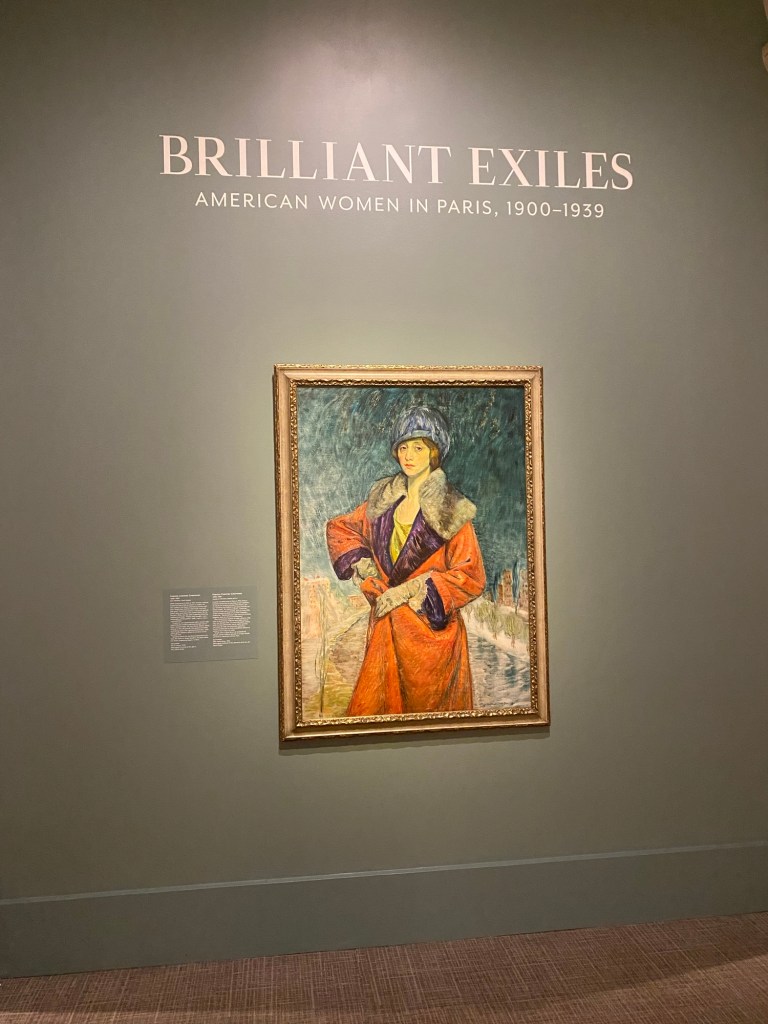
As it just so happens, the museum had two exhibitions that were perfect for our artistic preferences. In this post, I’ll discuss one of those exhibitions (I’ll share the other exhibition in a separate post). Brilliant Exiles: American Women in Paris, 1900–1939 is a stunning collection of works from the various genius women that found themselves living in Paris pre-WWII for the same reason. Paris, during this time, was progressive enough for female creatives who wished to hone their crafts, giving them an environment to do so without the stigmas, pressures, or expectations of life in America. The women were often in Paris for art school, but ending up in some cases staying longer than expected, so they could continue to enjoy the freedom that Parisian life offered.

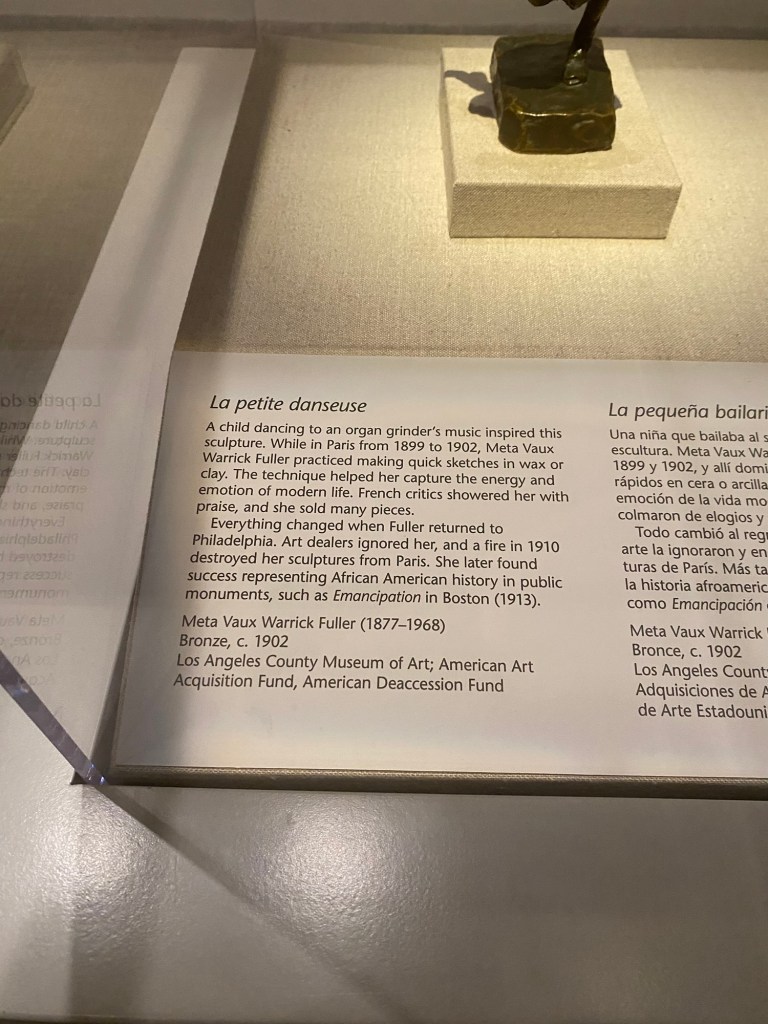
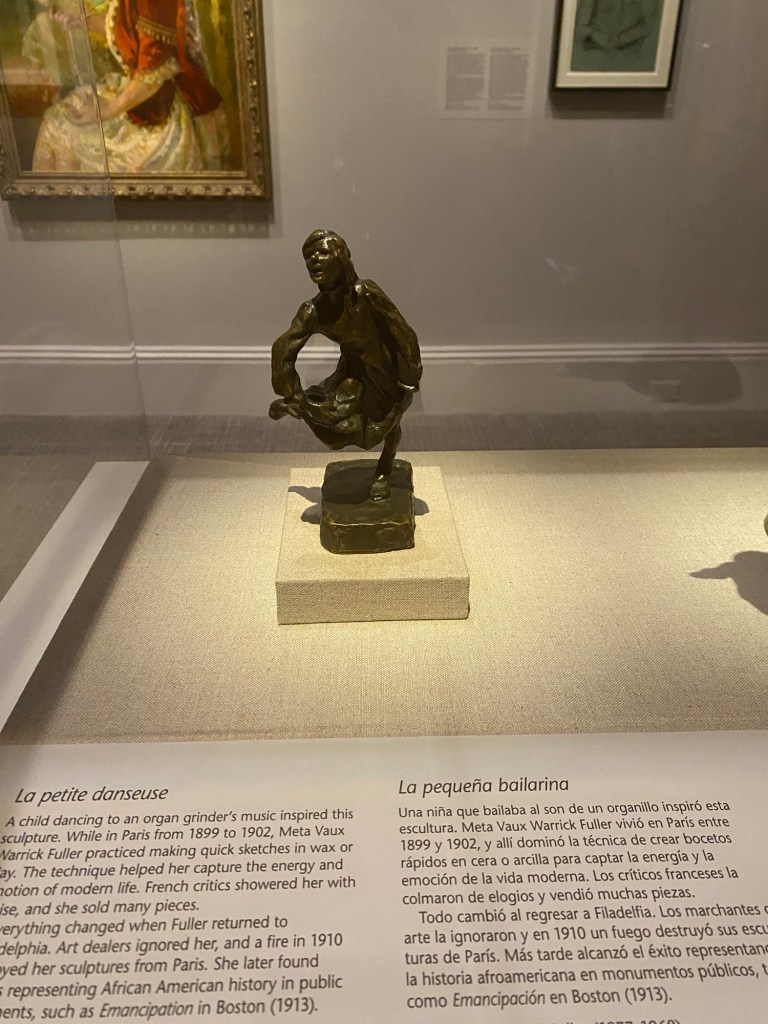
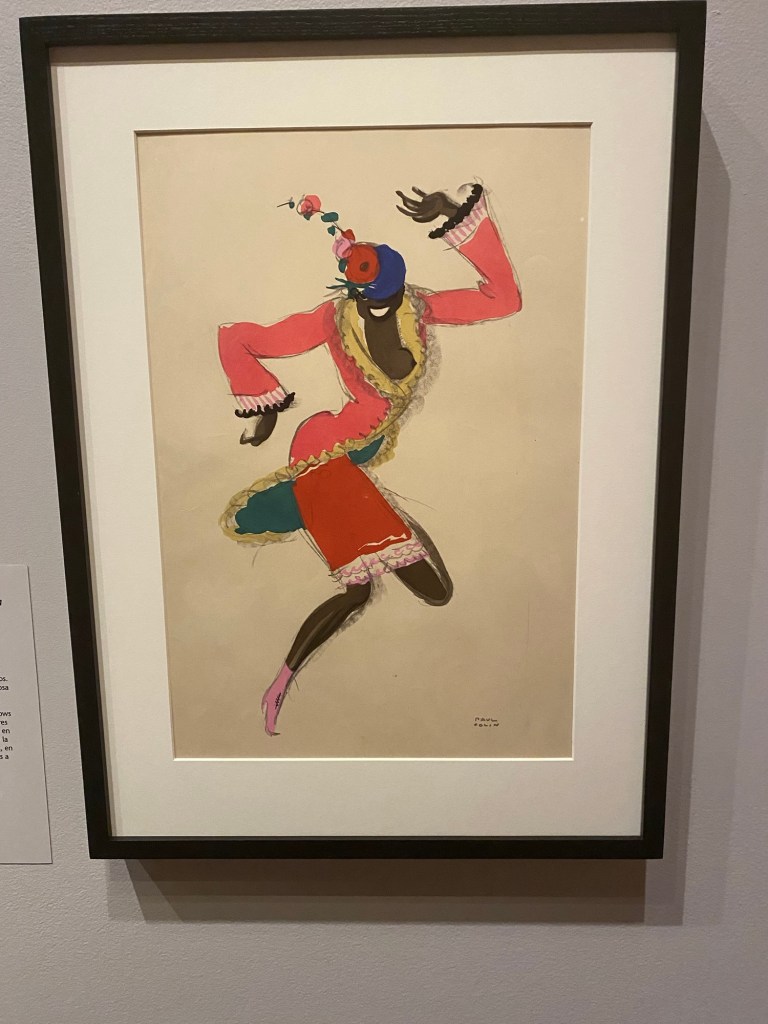
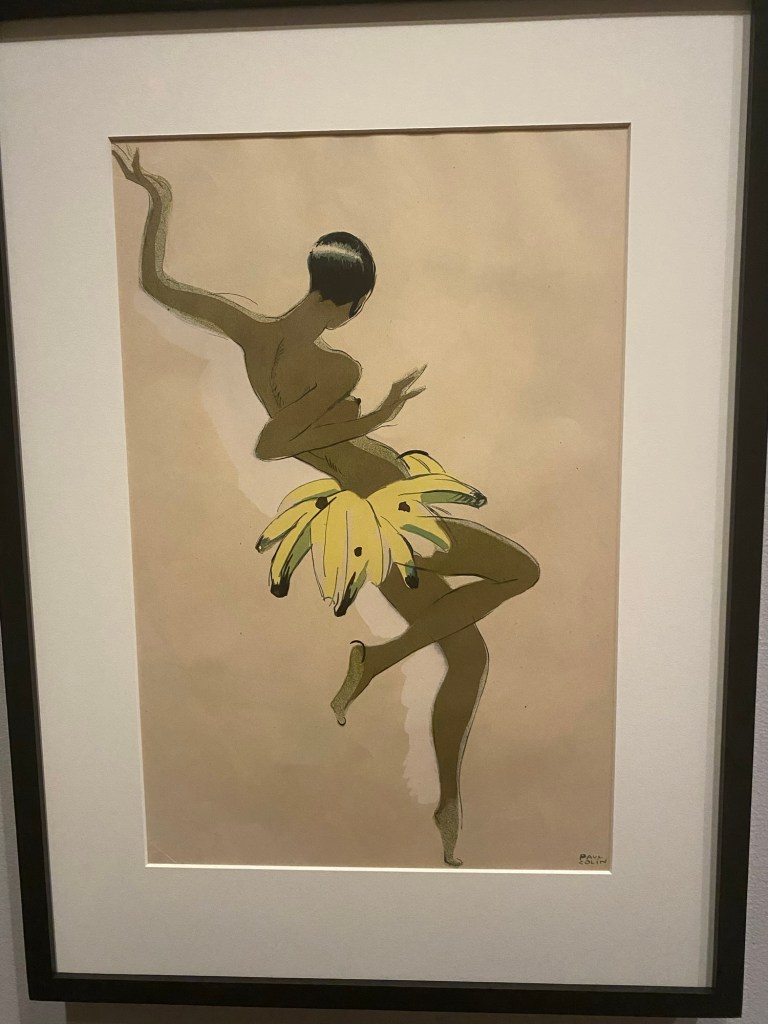
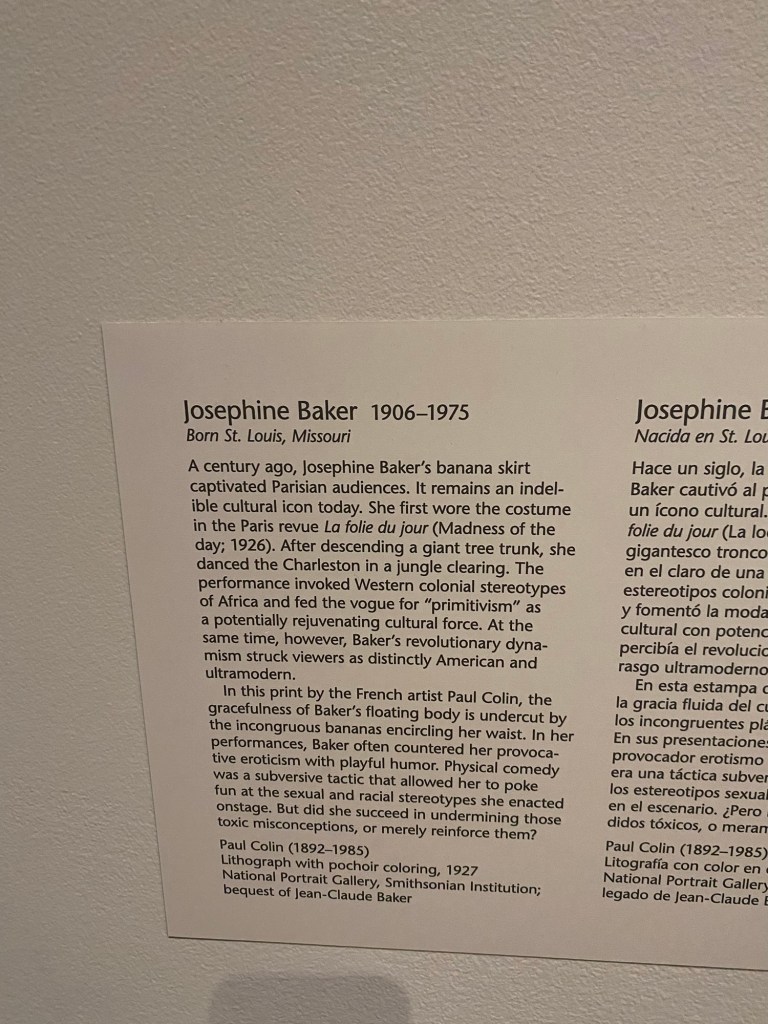
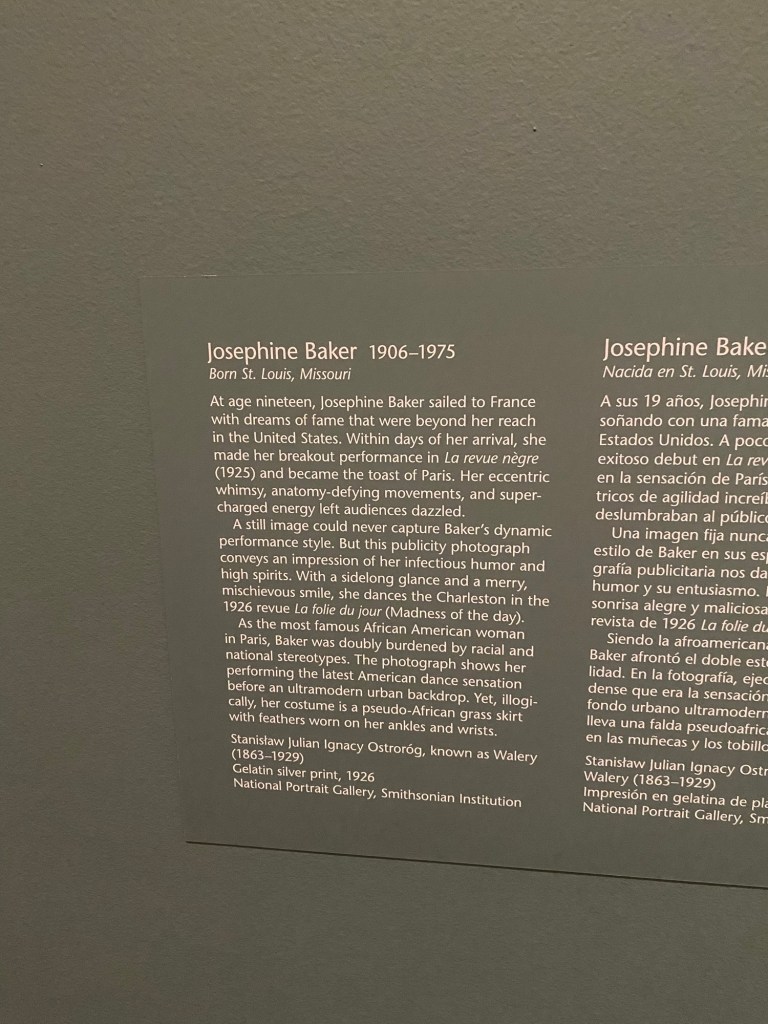
I focused on the Harlem Renaissance section of the exhibition, since this period fascinates me and offers many relevant lessons for creatives in the current day. I was thrilled to see some of my favorite artists represented in the collection, including Lois Maillou Jones, Augusta Savage, and Meta Vaux Warrick Fuller. And, naturally, no exhibition about the Harlem Renaissance would be complete without a Josephine Baker feature.

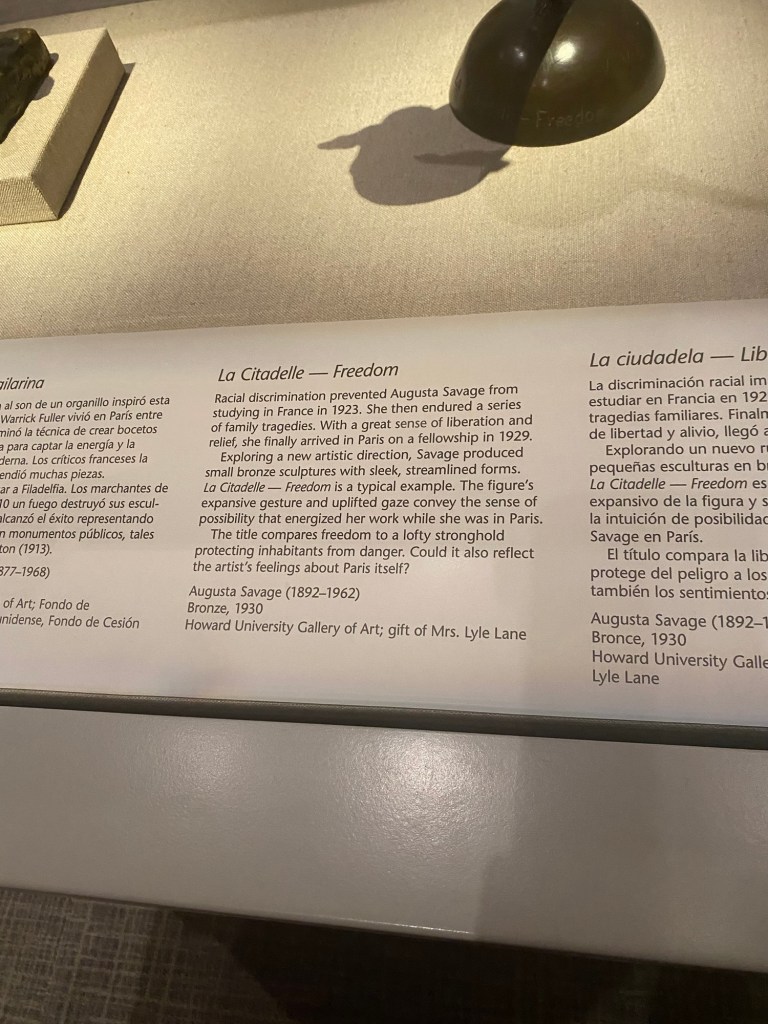
Sculptress Augusta Savage
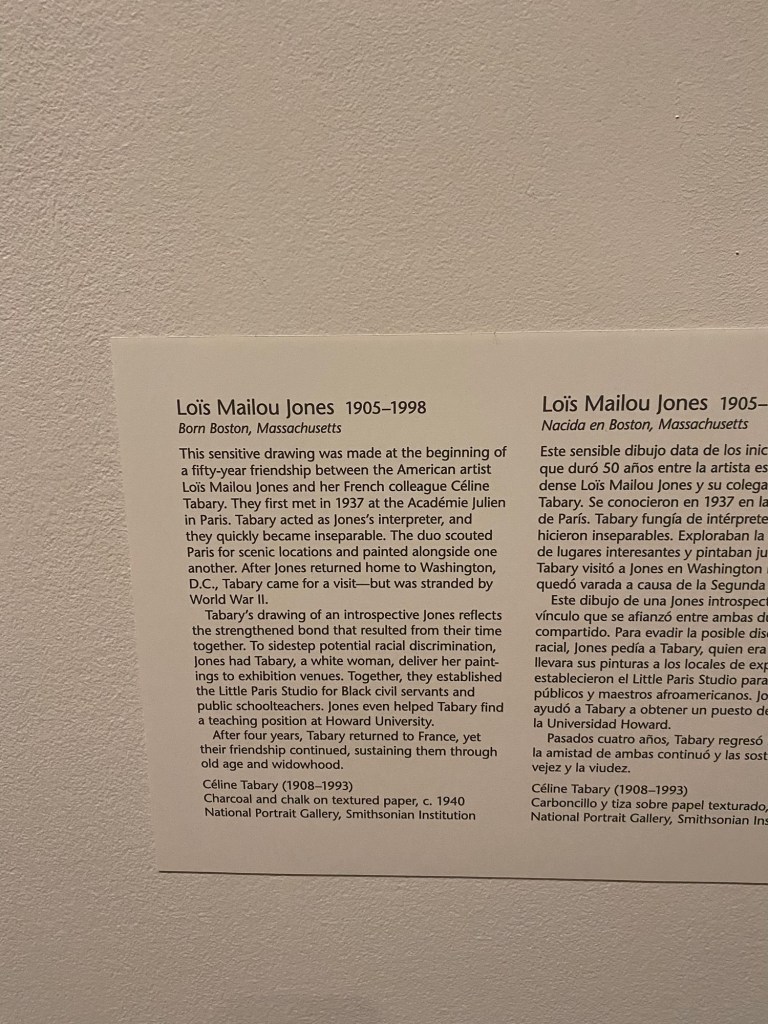
Sketch of Lois Maillou Jones

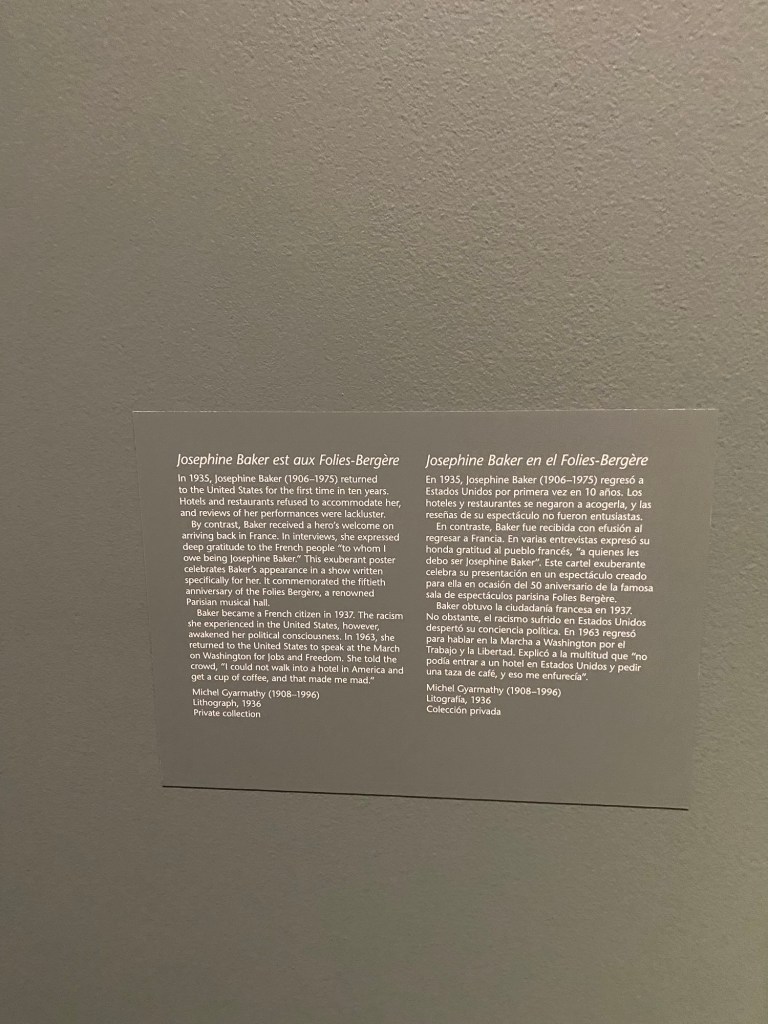
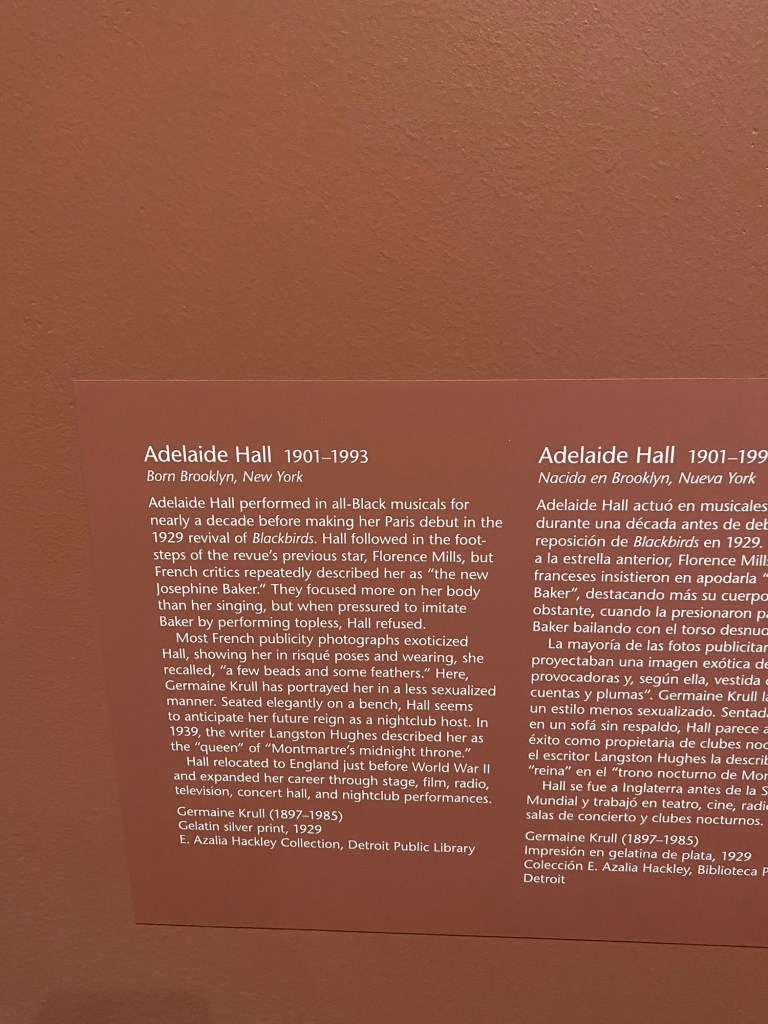
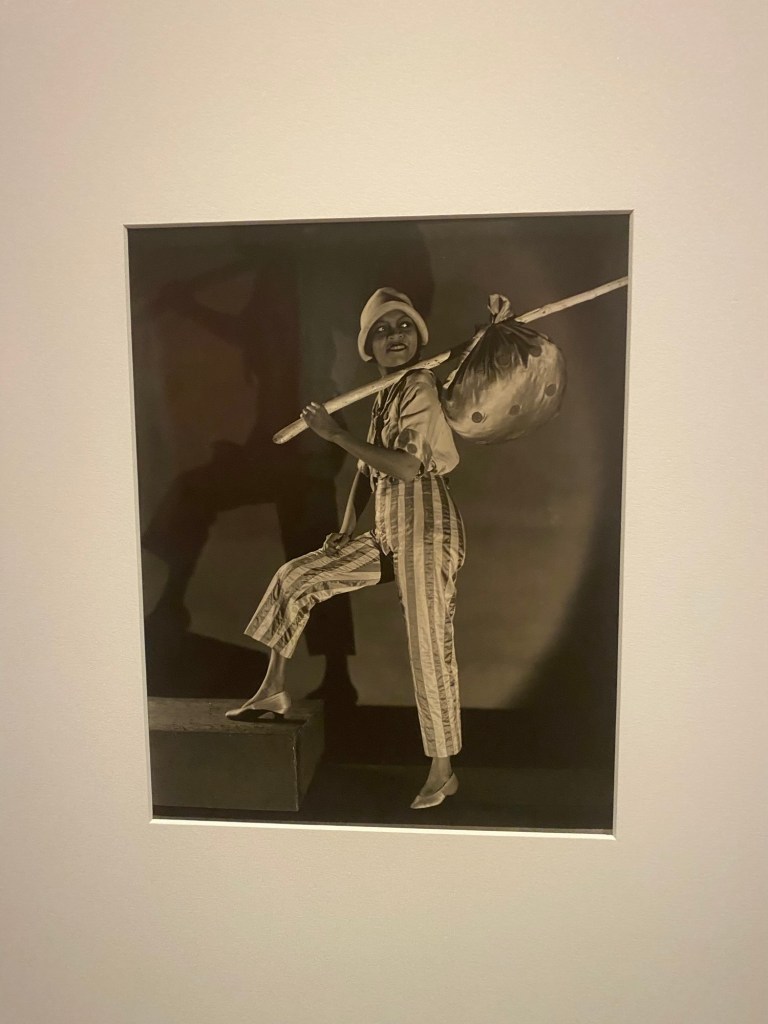
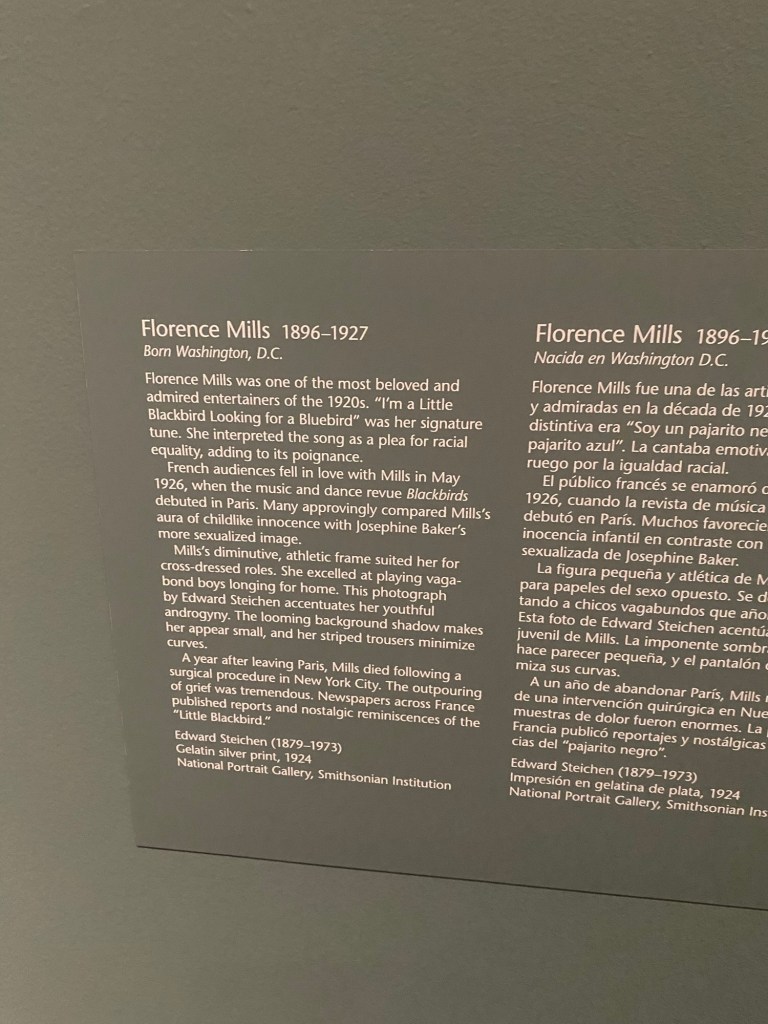
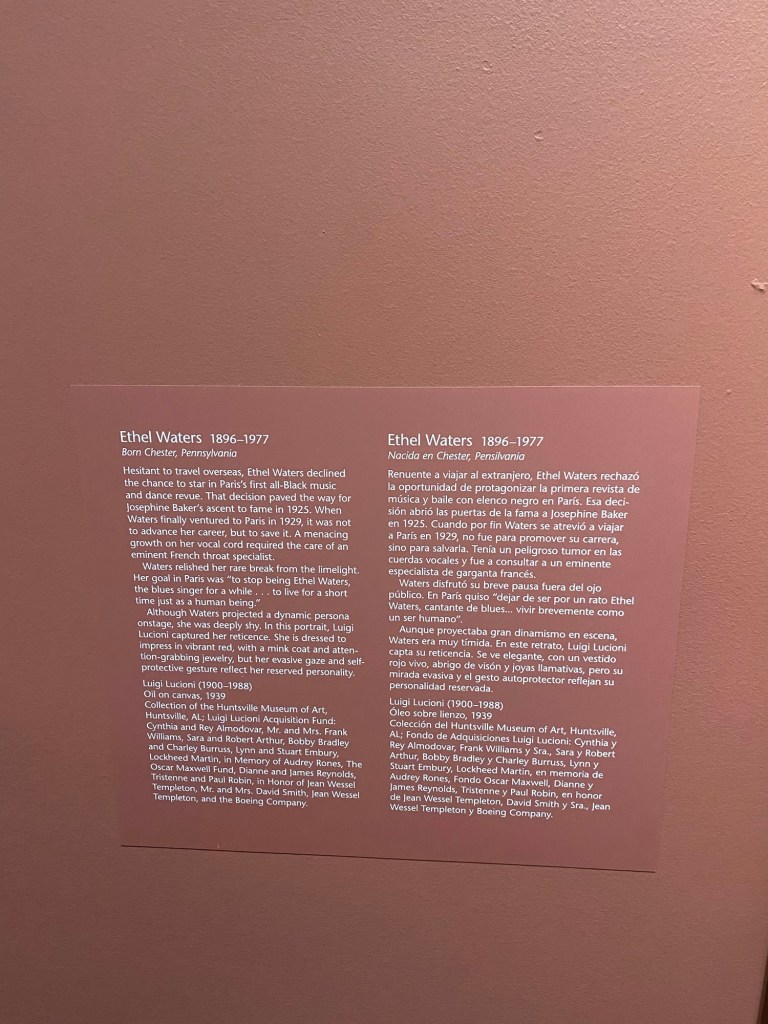
I was delighted to see other singers that are sometimes overlooked during the conversations around influential vocalists during this period. Florence Mills, Nora Holt, Adelaide Hall and Ethel Waters were also highlighted in this exhibition, which was a refreshing surprise.

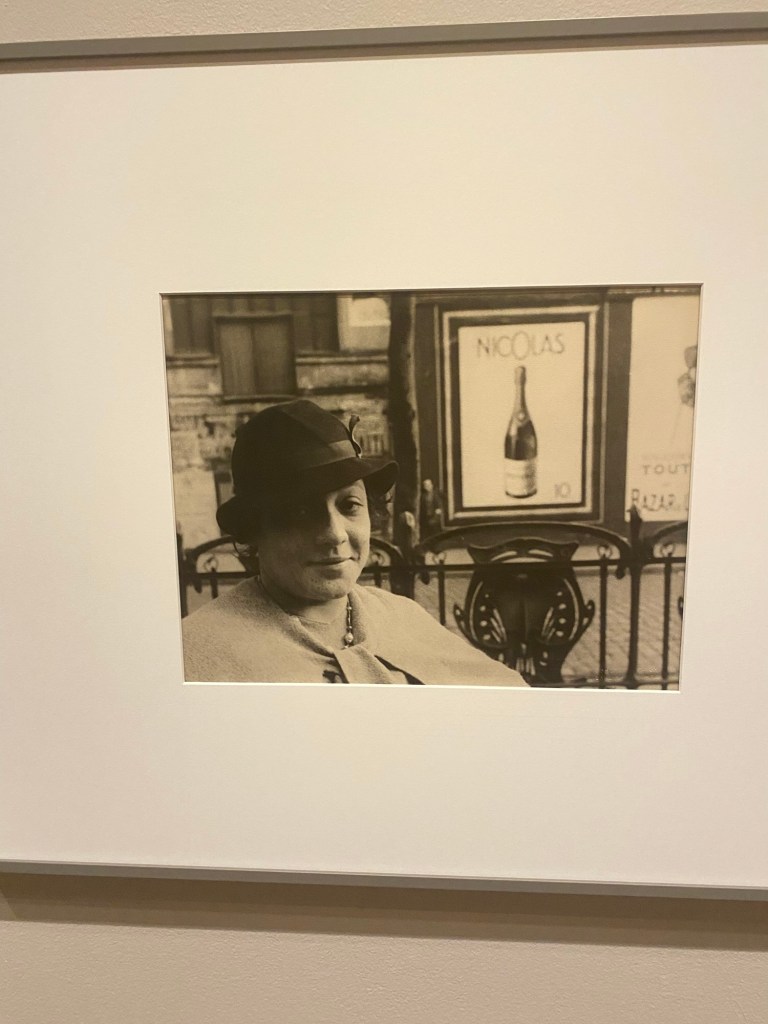
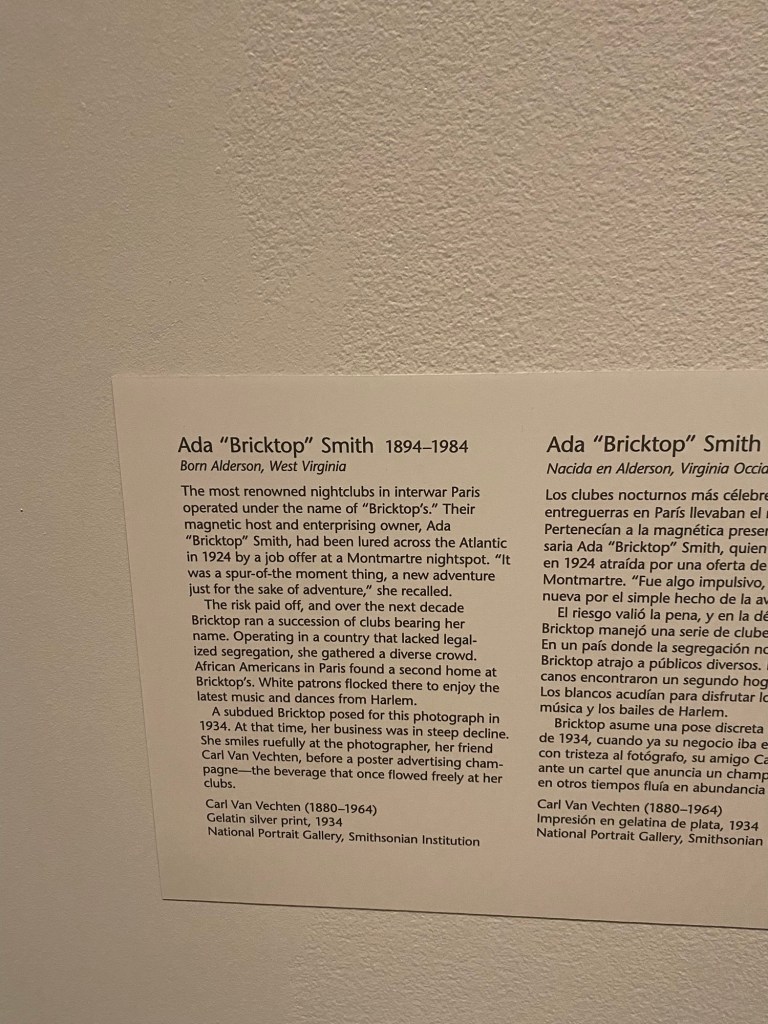
I was tickled to see a photograph of one of my favorite jazz-era entrepreneurs, Ada “Bricktop” Smith. Her Paris nightclub realized a level of success that Smith could have not even fathomed in America. I love that her entrepreneurial spirit led her to a foreign country, where she enjoyed a long and fruitful career.
This collection also introduced me to Laura Wheeling Waring, an African American female portraitist that captured some of the most brilliant women of the time. I fell in love with her portrayal of Jessie Redmon Fauset, the poet and literary editor of The Crisis, a magazine that published the works of a number of Harlem Renaissance greats (such as Langston Hughes, Claude McKay, Nella Larsen, and many others).
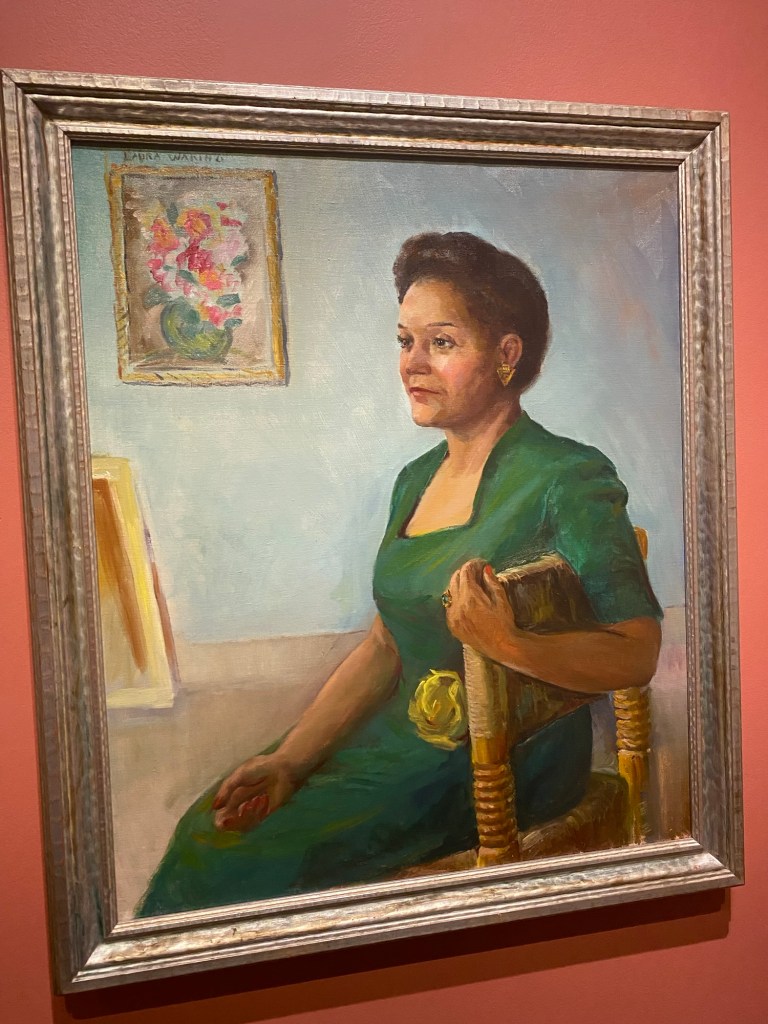
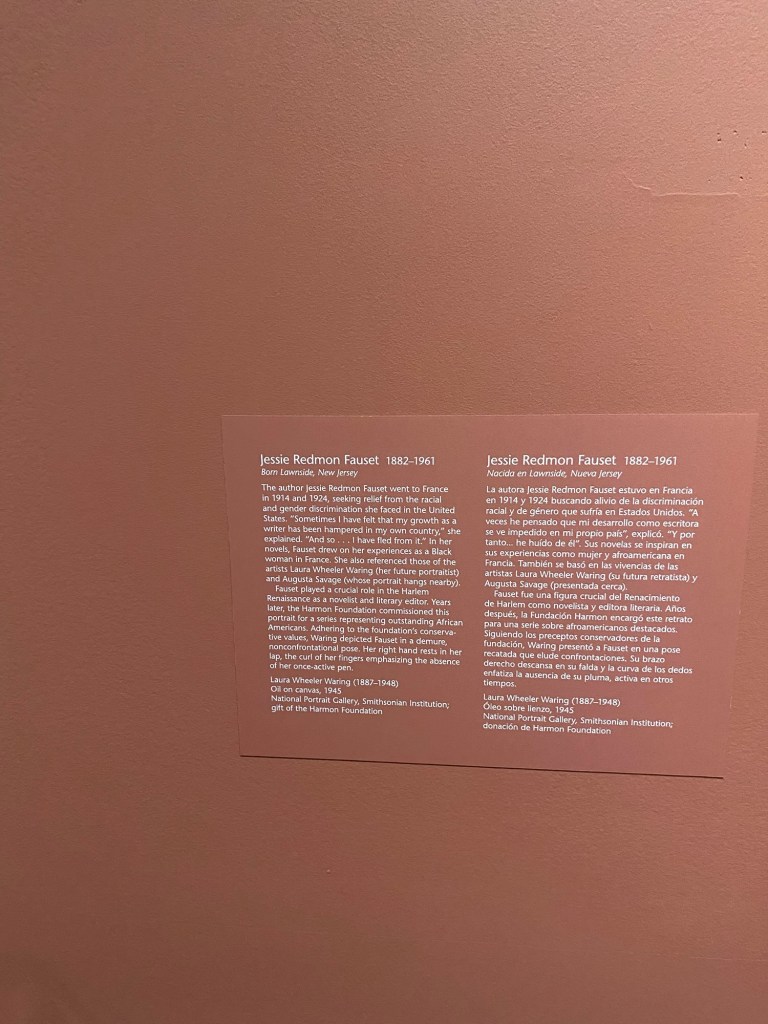
Jessie Redmon Fauset by Laura Wheeling Waring

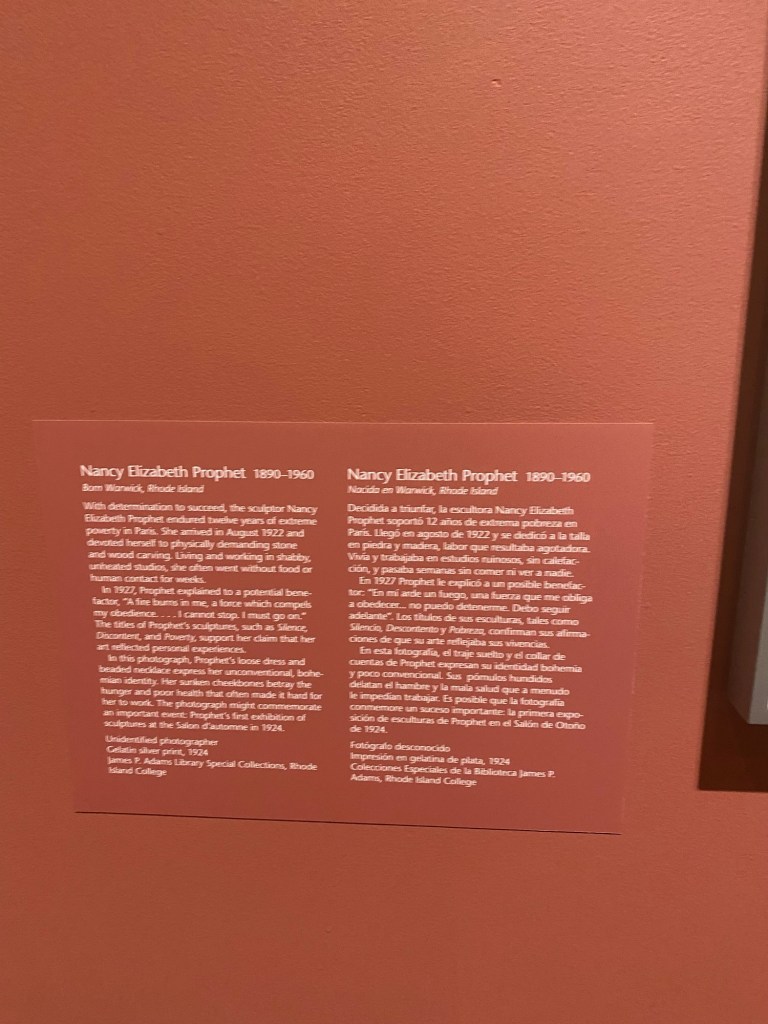
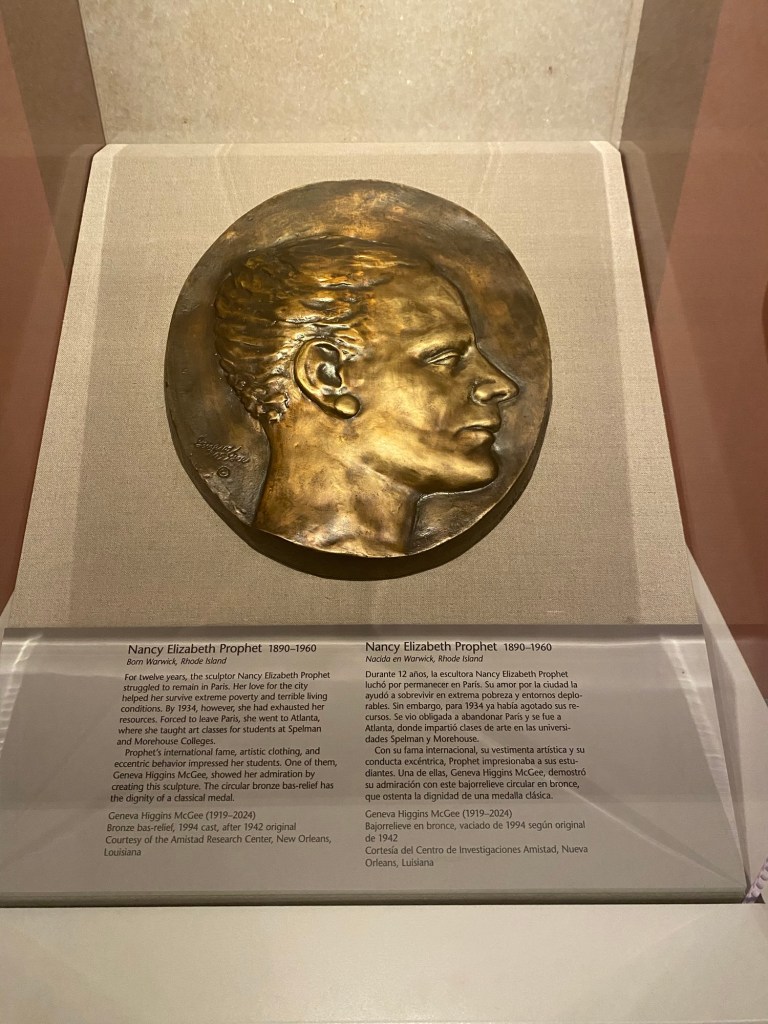
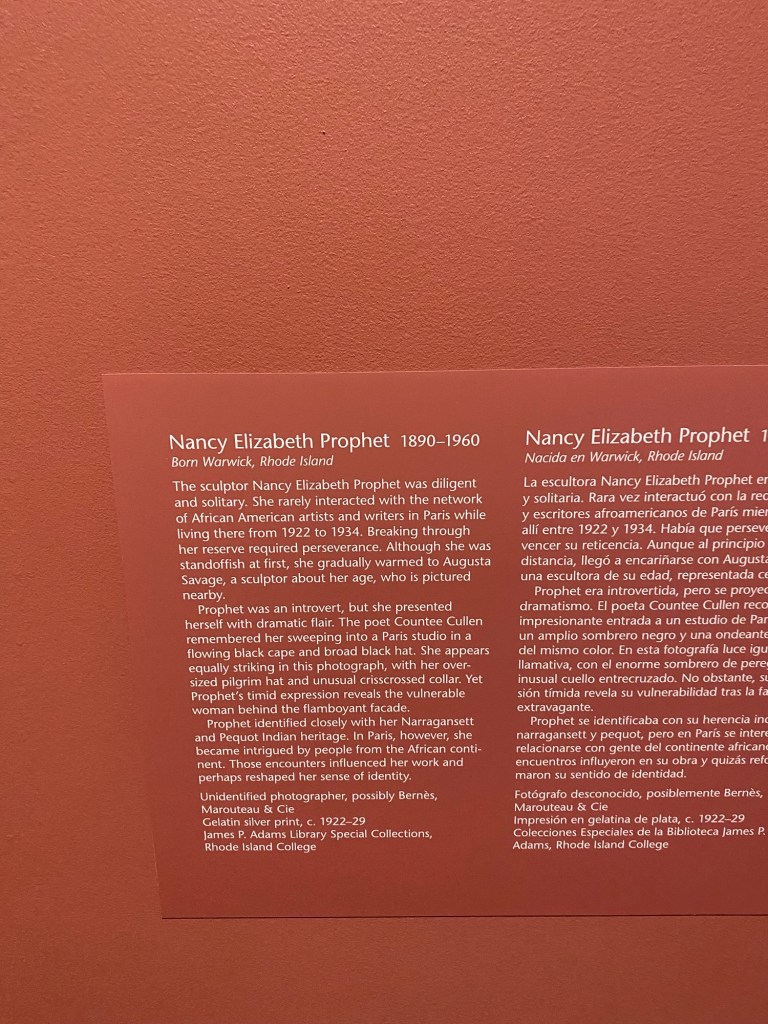
The exhibition also re-introduced me to Nancy Elizabeth Prophet, a sculptor that I’m excited to learn more about. I was captivated by her story, especially her diligence to her craft. She was so devoted to sculpting that she suffered through extreme poverty and physically demanding tasks (like carving stone and wood) in France, just to ensure that she could bring forth the art she desired to create. These hard times took a toll on her, but her efforts paid off, and she enjoyed success during her lifetime.
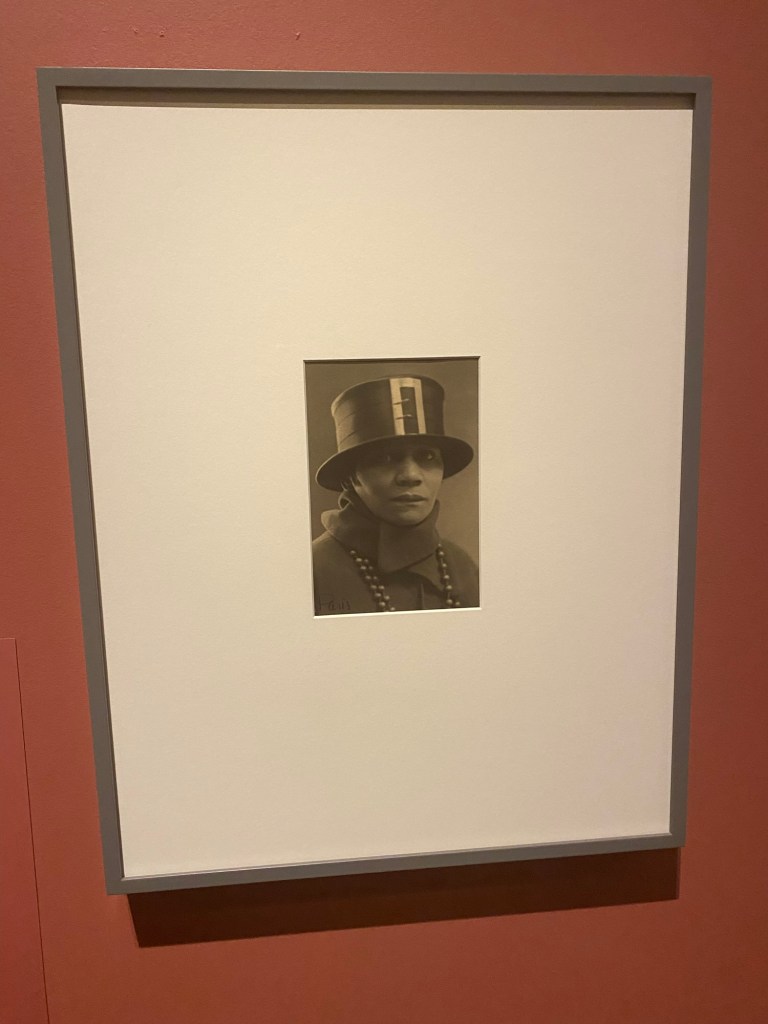
It warms my heart to know that, during a period of time where Black women in America were often pigeonholed into careers that were neither financially nor emotionally fulfilling, there were some brave and fortunate women that got to leave the States and experience peace and freedom in Paris. I am blessed to see portraits of these women, and even artwork that they created, during this exciting time in history.

The exhibition runs until February 23, 2025. I hope you all get a chance to check it out!
art

A Trip to the Dirty South

After many months of staying inside and avoiding gathering in public places, I finally ventured out and visited my beloved local museum, the Virginia Museum of Fine Arts (VMFA). The museum reopened a while ago but it’s been well over a year since I’ve visited. It was a little eerie to return to the museum: it took me a moment to reacquaint myself with the layout. But once I started walking around a bit, it all came back to me.

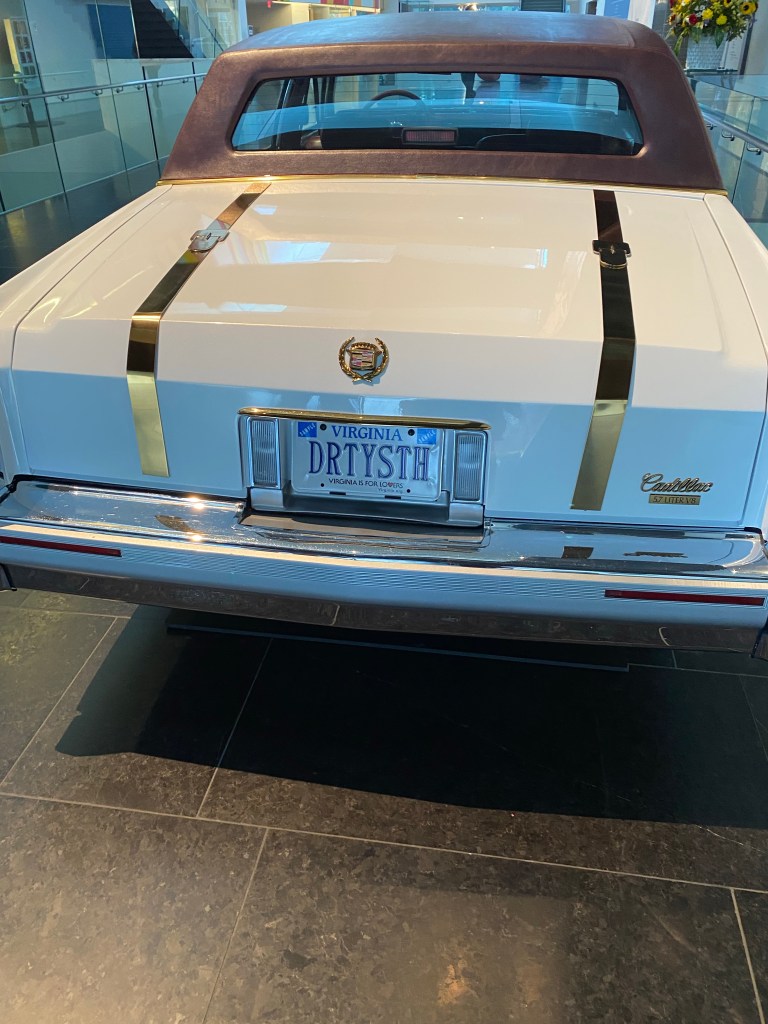
For anyone that has not visited VMFA before, let me tell you, it is a gorgeous museum with incredible permanent and visiting exhibitions. If you’re in the area, it’s definitely worth checking out. And, if you’re visiting anytime before September 6, 2021, you can view a very special exhibition that highlights Southern artistry and creativity. The Dirty South: Contemporary Art, Material Culture, and the Sonic Impulse gives visitors a peak into the energy and dynamism of 20th century Southern Black American culture and artistry. According to VMFA’s website, the exhibition, “[…] chronicles the pervasive sonic and visual parallels that have served to shape the contemporary landscape, and looks deeply into the frameworks of landscape, religion, and the Black body—deep meditative repositories of thought and expression.” This fascinating exhibition combines both visual and audio art, to create a truly immerse creative experience.

Naturally, I took pictures while I was at the museum though, for this visit, I focused more on savoring the fact that I was finally visiting this beautiful space after a long year. Here’s a little bit of the Dirty South experience:

Cadillac in the museum atrium that greets visitors
Southern Landscape (1941) by Richmond’s own Eldzier Cortor (1916-2015)
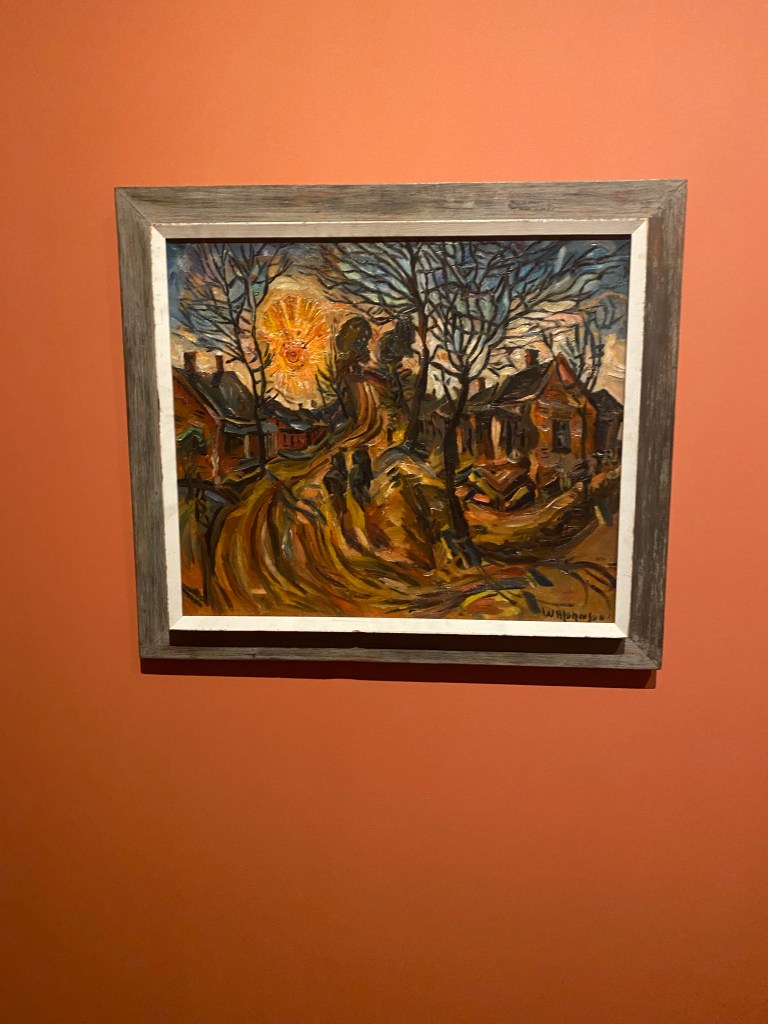
House Sun Tree (Landscape with Sun Setting, SC) (nd) by William H. Johnson (1901-1970)
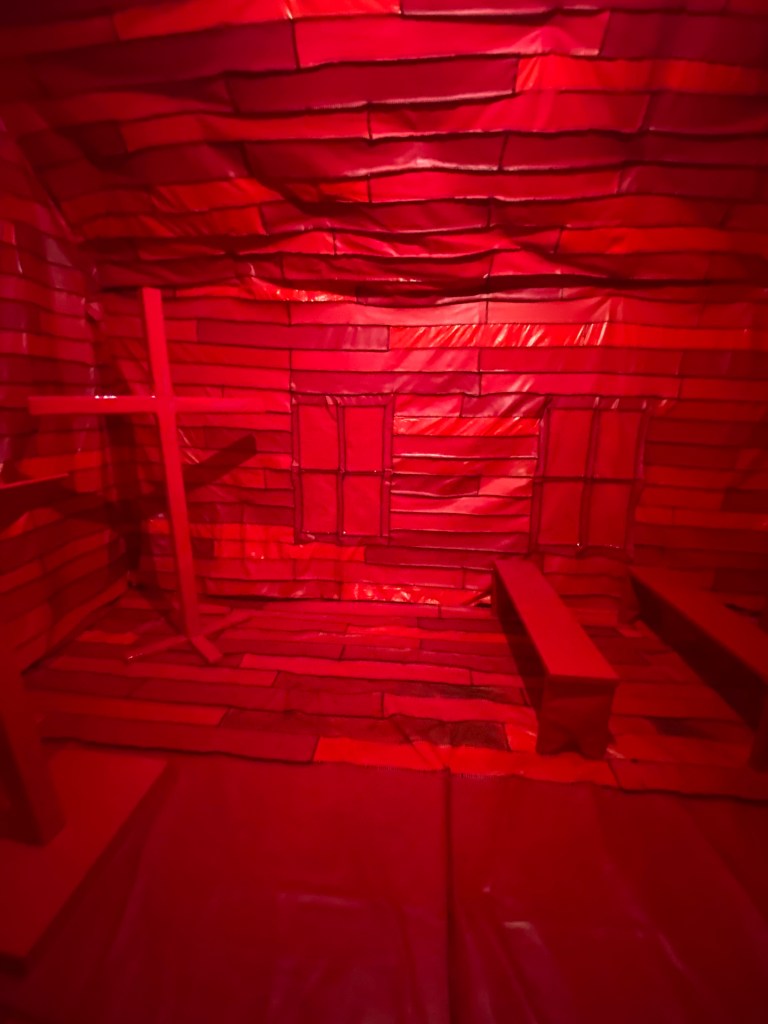
Saint Expedite I (1971) by Joe Overstreet (1933-2019)
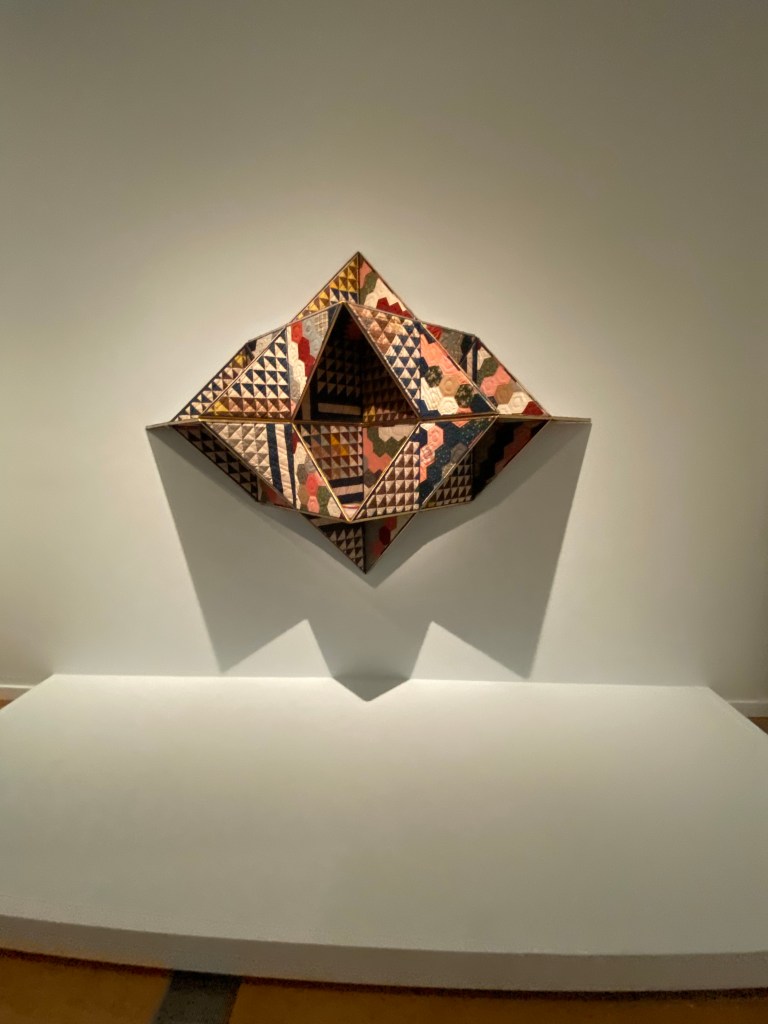
Khemestry (2017) by Sanford Biggers (born 1970)
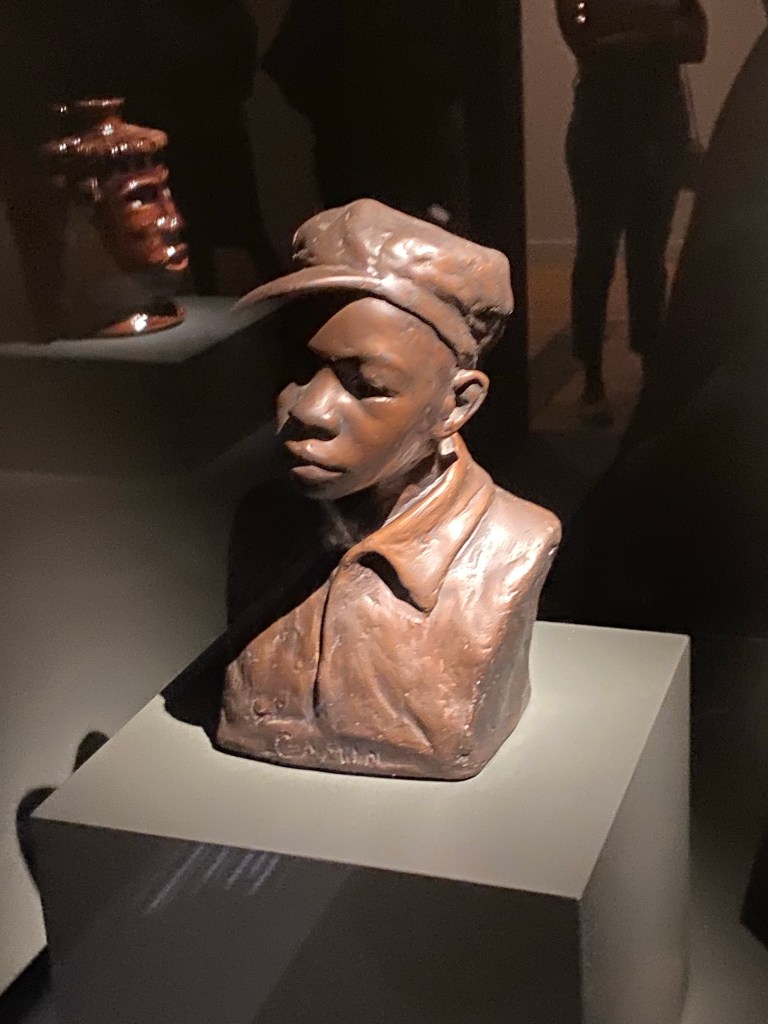
Gamin (1940) by Augusta Savage (1892-1962)
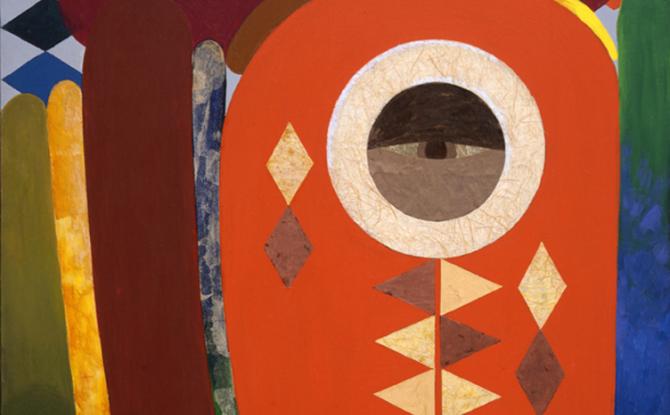
From Asterisks in Dockery (2012) by Rodney McMillan (born in 1969)

I hope you all enjoyed the photographs! And if you have a chance to visit the exhibition, I highly recommend that you check it out: it’s worth a visit, for sure!

art · life curation

My Art Highlights for 2018

After a fantastic year of enjoying art, I thought it would be good for me to post some of my highlights from the last 12 months.

There really are too many highlights to cram into one post but I’m going to do my best!

I started this year off with viewing the terracotta army statues from China. As you all know, I visited China a few years ago and fell in love, so seeing the statues was like getting a taste of authentic China. I loved it and had a great time viewing the exhibition.

Next, nothing could top seeing Kenyan art while in Kenya! I wrote a post about Tom Mboya as well as some other Kenyan artists that I enjoyed. Getting to see art overseas is always a treat, since there is no guarantee that I will see these artists’ works stateside.

Paintings by Tom Mboya

I viewed Portuguese contemporary art at the Virginia Museum of Fine Art and was reminded of my goal to visit Portugal within the next 2 years. Just so you all know, I’ll be resuming my Portuguese language lessons in the upcoming year. I mean it: I’m going to speak Portuguese so that I can enjoy my trip and get around a little better than the average tourist.

At the Smithsonian American Art Museum and Archives of American Art, I viewed the exquisite and timeless work of Edmonia Lewis. I’m still impressed by her masterful handling of marble and her amazing ability when it comes to depicting her subjects with dignity and full of emotion. I was so impressed with her work that I recently did a comparison of her work with a similarly themed piece, because I simply can’t get tired of discussing Lewis’s work!

IMG_3570

The Death of Cleopatra by Edmonia Lewis

I thoroughly enjoyed seeing Amy Sherald’s work at the National Portrait Gallery. Her portrait of Michelle Obama is a beautiful and unique interpretation of the former First Lady’s beauty, quiet resilience and charm. Seeing the painting in person impressed me far more than I expected, especially since Sherald’s signature technique forgoes capturing the rich tones of the subjects’ natural complexion and paints skin tone in greyscale, forcing art appreciators to focus on the expressions, posing, and attire depicted. I’m going to view some more of her work and maybe I’ll do an analysis of her style.

I also took a trip to Philadelphia and enjoyed the Philadelphia Museum of Art. There was so much art that I had to make a Part 1 and Part 2 to capture all of what I saw with my visit. I was delighted to see a Jean Leon Gerome painting that I’d never seen before.

img_5715

Night Flight by Howardena Pindell

I ended my year with the Howardena Pindell exhibition, that I loved so much that I had to visit it multiple times. Pindell is a living treasure, and I am thrilled that I got to see such a comprehensive retrospective of her work.

Those are my art highlights for 2018. I’m looking forward to bringing you all more art and more adventures in 2019!


art · culture

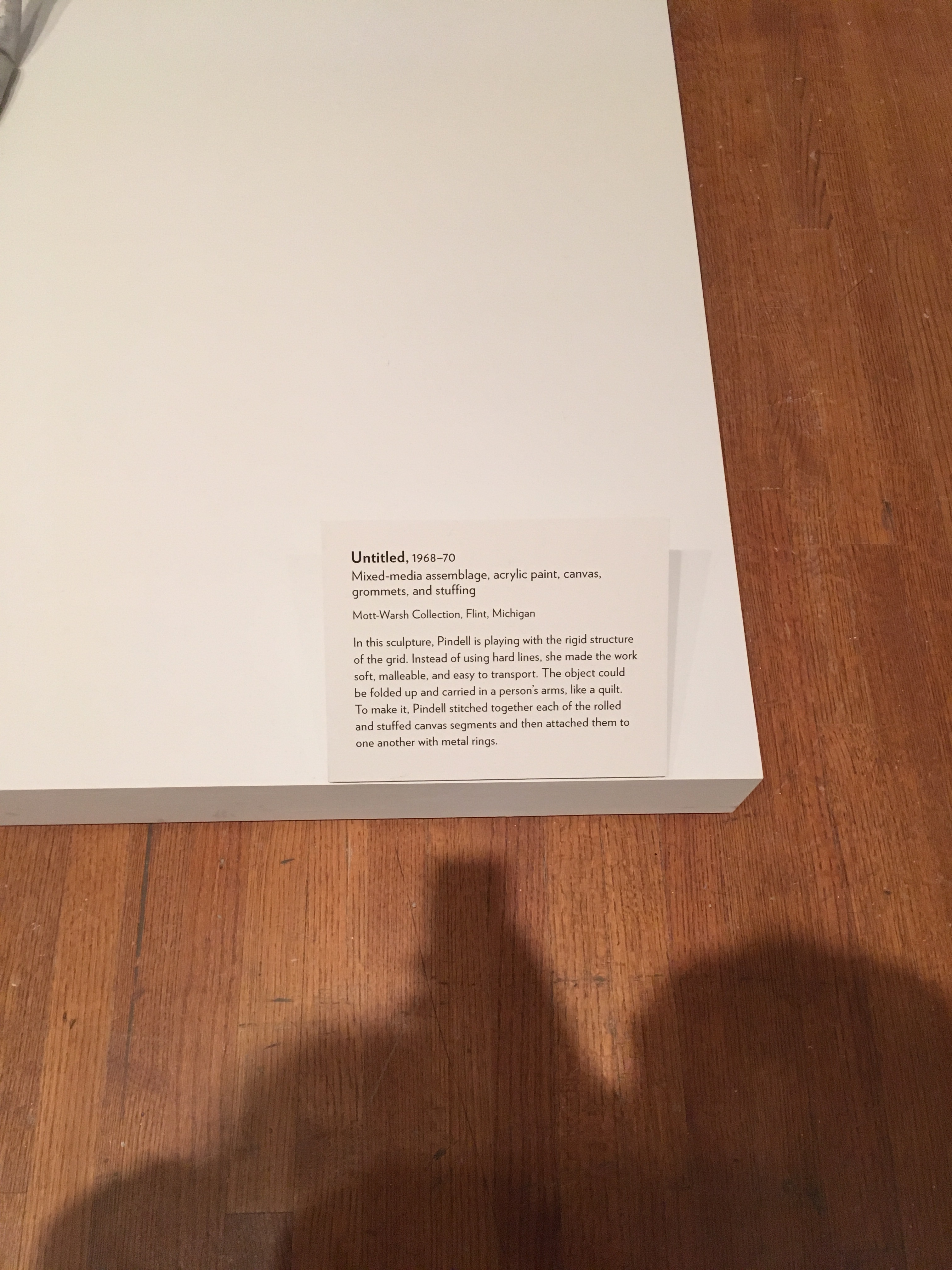
Howardena Pindell’s “What Remains to Be Seen” at VMFA

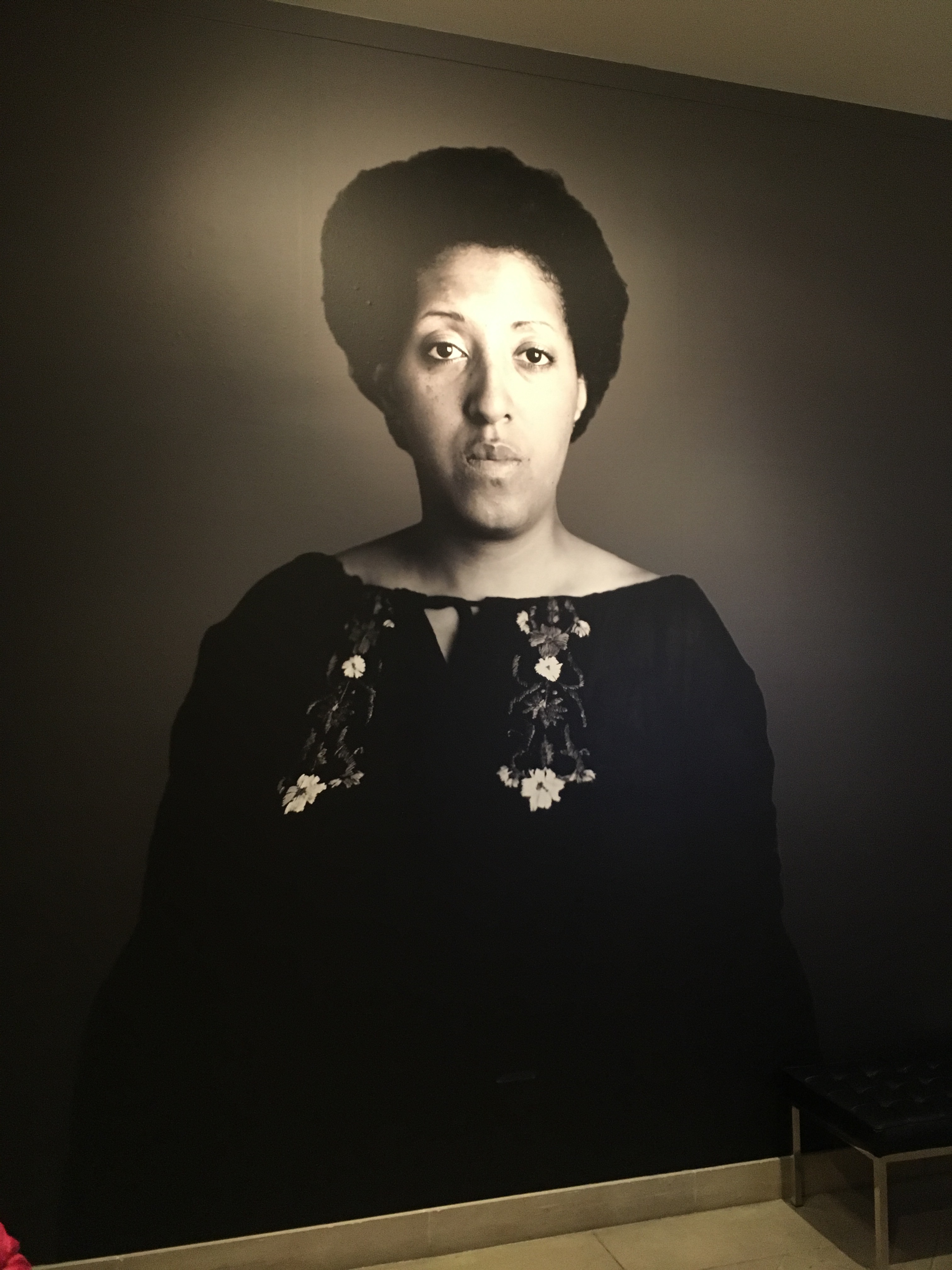
A few months ago, I went to a special event at Virginia Museum of Fine Arts, announcing an upcoming exhibition. That exhibition was a retrospective of the creative career of Howardena Pindell, multimedia artist, activist and professor. “What Remains to be Seen” is an impressive ouevre that showcases Pindell’s evolution as an artist, and is broken down into the different phases of her life and creative journey.

Today (November 25) is the last day to see the works, so I’m heading to the museum shortly so I can enjoy them one last time before they leave. However, I’ve got a few pictures for you all in this post, some additional commentary (of course LOL!) as well as a YouTube video of Pindell’s most famous short, “Free, White and 21”. Enjoy!

img_5688

Howardena Pindell

img_5689

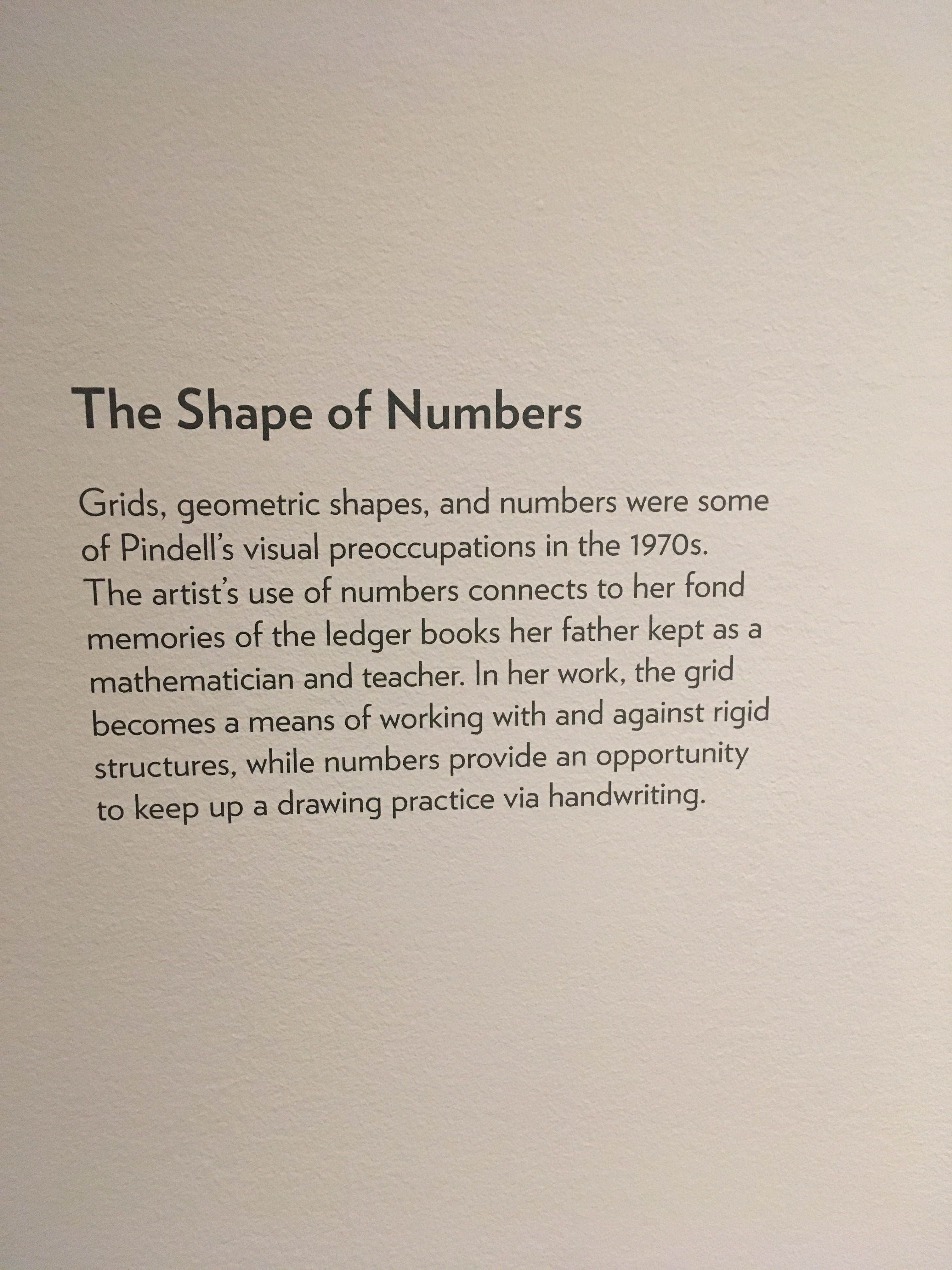
Pindell’s use of grids and numbers created some of her most riveting work. I love seeing how she turns numbers and otherwise sterile, math-related tools and objects, into art.

img_5692

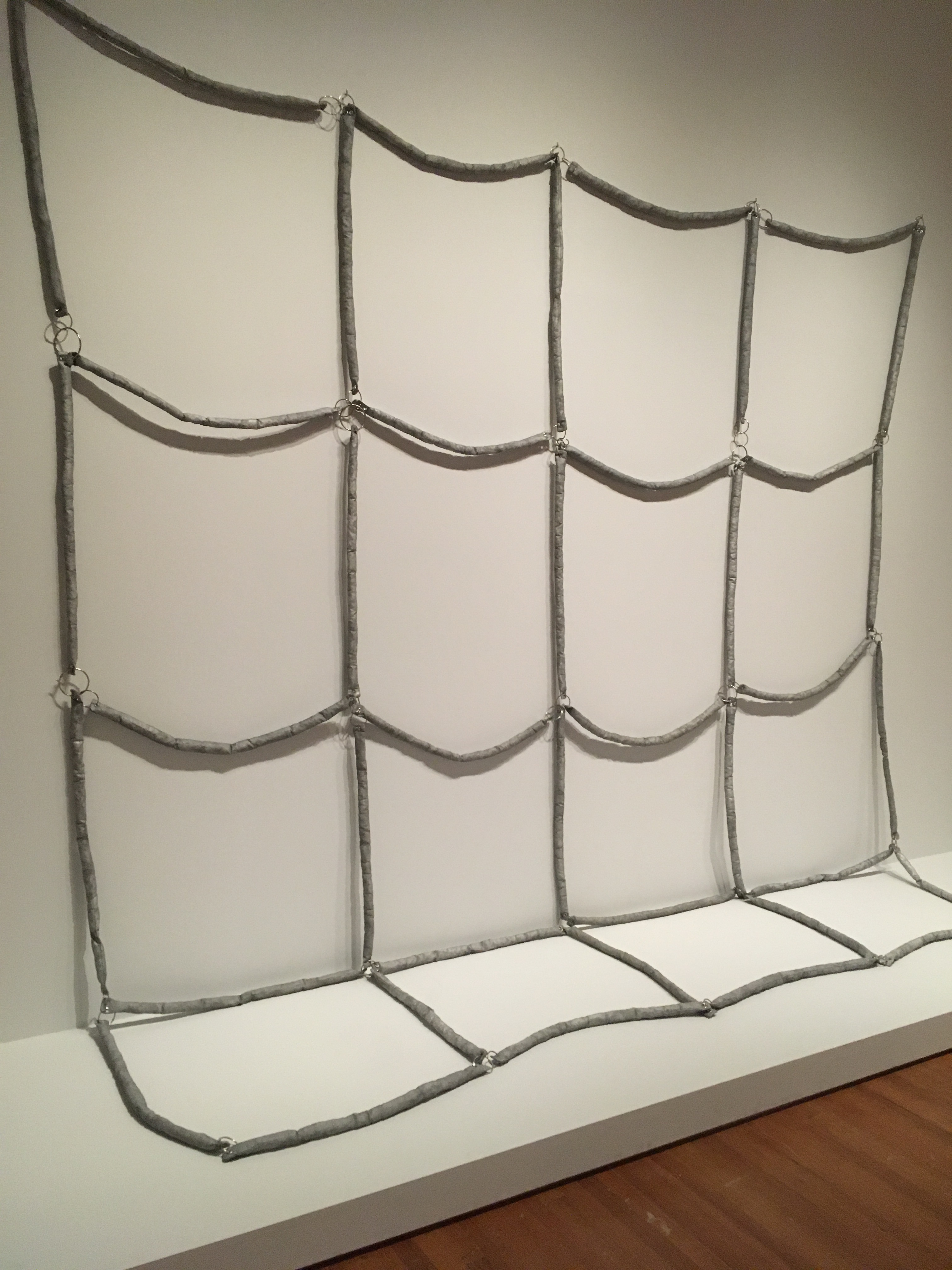
The 3-d grid below is a good example of the blend of art and math. It’s probably one of my favorite works by her.

img_5695


img_5696

The tiny individual circles affixed to many of Pindell’s pieces reveal her love of mathematic perfection reinterpreted. These pieces, attached to the grids she loved to work with, were occasionally numbered individually.

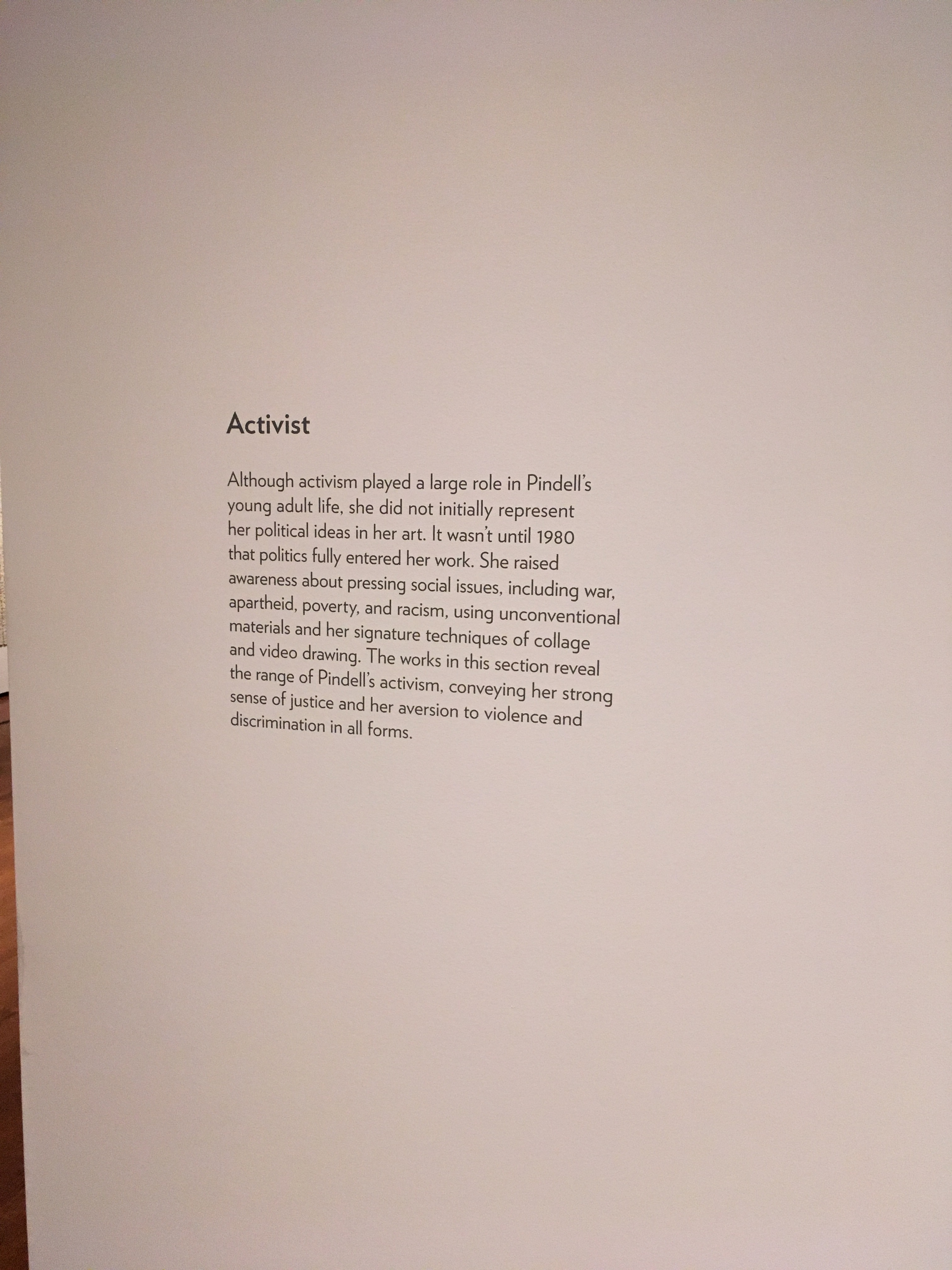
Like many artists, Pindell sought to promote cultural shifts through activism. Her works also featured socio-political themes that were near and dear to her.

img_5701


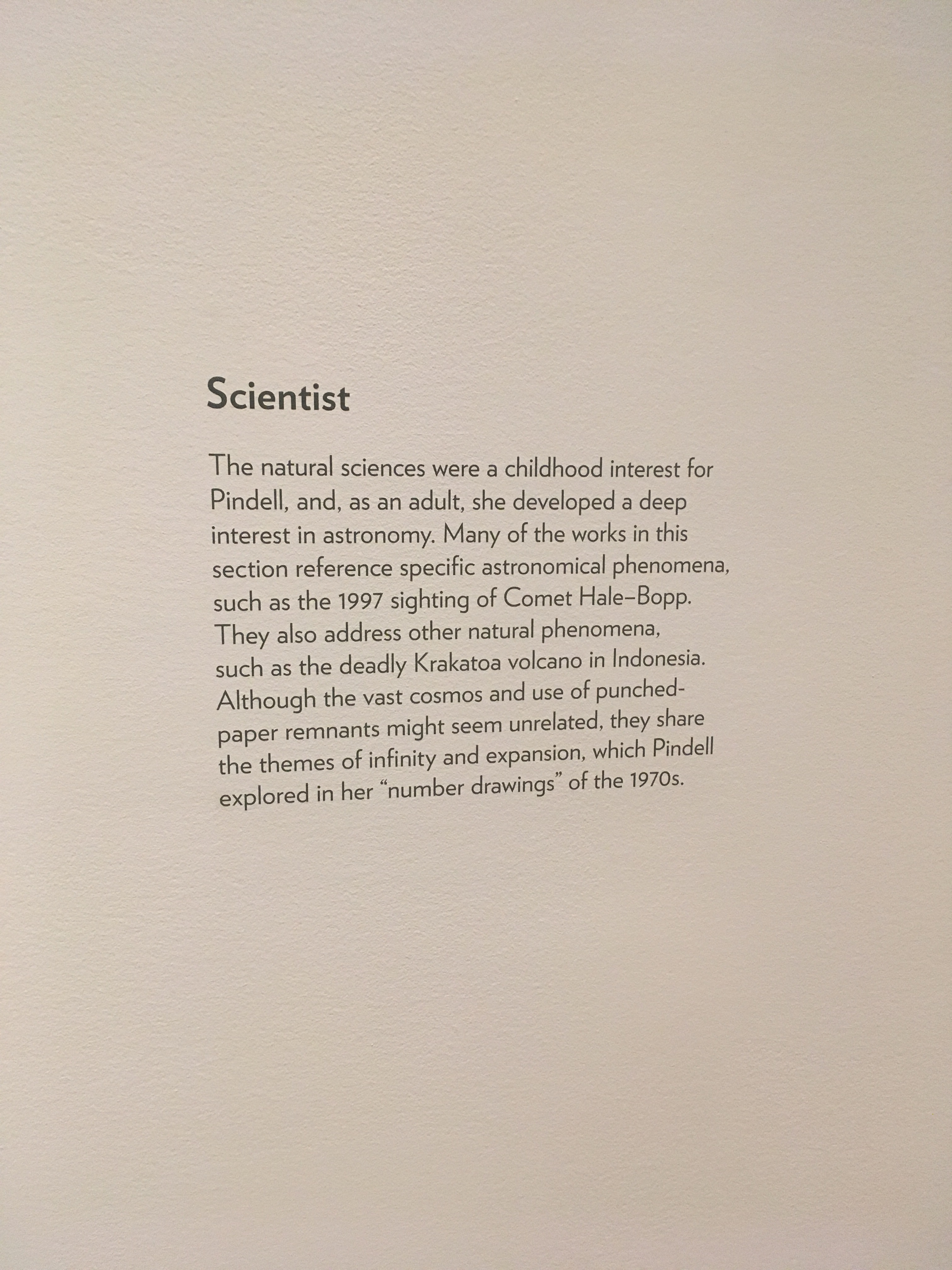
One of my favorite themes explored by Pindell was that of science. Closely related to her mathematics fascination, her interpretation of natural phenomenon and wonders created some of her most aesthetically charming works (though, to be honest, I love all of her work and find it all aesthetically pleasing). I especially loved “Nautilus” and “Night Flight” (pictures are below).

img_5706


Finally, here is “Free, White and 21”, Pindell’s video experiment where she aims to repair her memory loss (caused by a serious car accident) by recalling memories from earlier in her life.

art

Meta Warrick Fuller and Lois Mailou Jones: Let’s Honor Them Both!

It’s my pleasure to honor two talented Black women artists on this day. On June 9, 1877, Meta Vaux Warrick Fuller, a gifted sculptress of Black descent was born. On June 9, 1998, Lois Maillou Jones, Black painter and teacher extraordinaire, died in Washington, DC. Because this day is full of Black Girl Artist Magic (yes, I’m tweaking the #BlackGirlMagic hashtag for my purposes), I wanted to talk a bit more about these remarkable women.

motherandchild

Mother and Child by Meta Warrick Fuller (1962)

Both Meta and Lois spent time in France during the early half of the 20th century. Europe, generally speaking, was a friendlier environment for American Blacks, and it was easier to study in European ateliers than to attempt to integrate White studios in the US. Meta began at Academie Colarossi but eventually studied under Auguste Rodin, while Lois studied as part of a fellowship with Academie Julian.

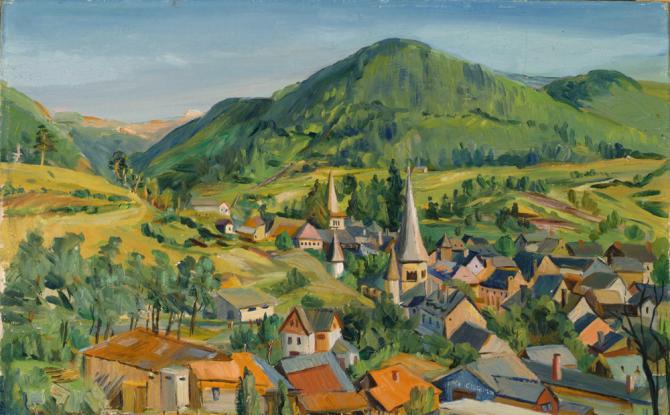
jones_arreauhautespyrenees

Arreau, Hautes-Pyrénée by Loïs Mailou Jones (1949)

Meta was a sculptress and used her talent to create works that captured her frustration with the treatment of Blacks in America. She explored themes such as despair and melancholy, but also touched on religious devotion and hopefulness. Meta drew upon historical accounts to sculpt some of her heartrending works. She worked primarily in bronze or plaster, and created an impressive body of work during her career. Many of her pieces are exhibited at the Danforth Museum, making it easy for anyone interested in exploring her oeuvre to view a wide variety of her pieces in one location.

pinterest1

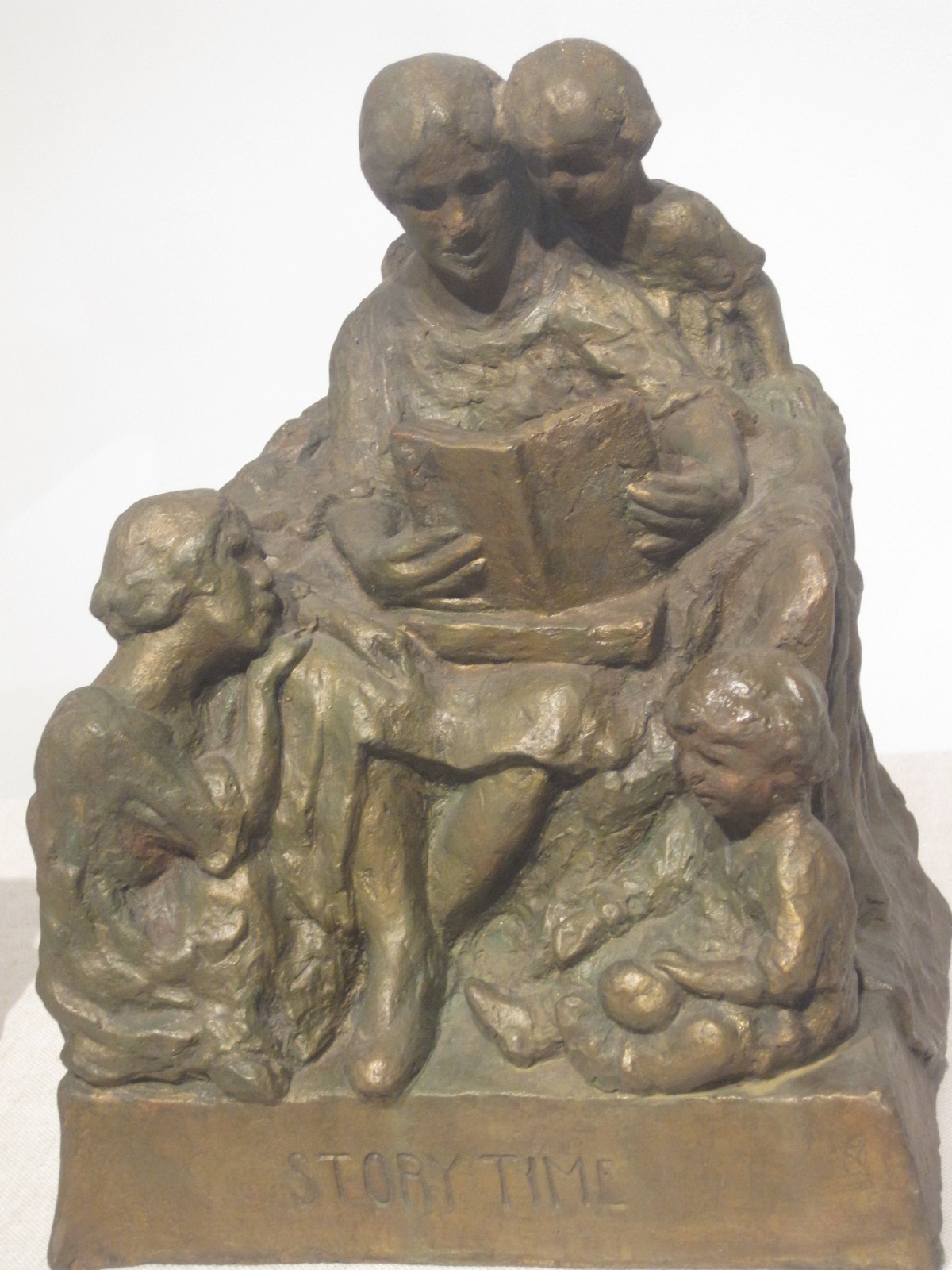
Story Time by Meta Warrick Fuller (year unknown)

She received many accolades during her lifetime but fell into obscurity for several years after her death. Toward the end of the 20th century, there was renewed interest in her work, and she is finally becoming a key figure in today’s discussions on American sculptors.

Screenshot 2018-06-06 at 6.54.21 PM - Edited.png

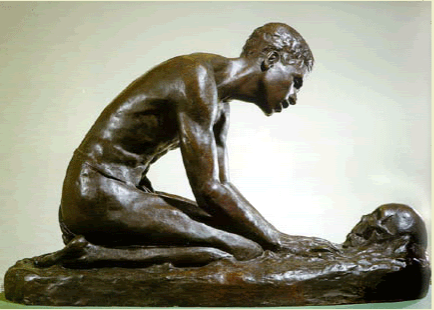
Talking Skull by Meta Warrick Fuller (1937)

Lois, on the other hand, started out as a teacher but never gave up her dream to be an artist in her own right. She taught for over 40 years and eventually retired from the profession, while establishing herself as an artist of note. She drew inspiration from her international travels, including time spent in Haiti.

loisjones

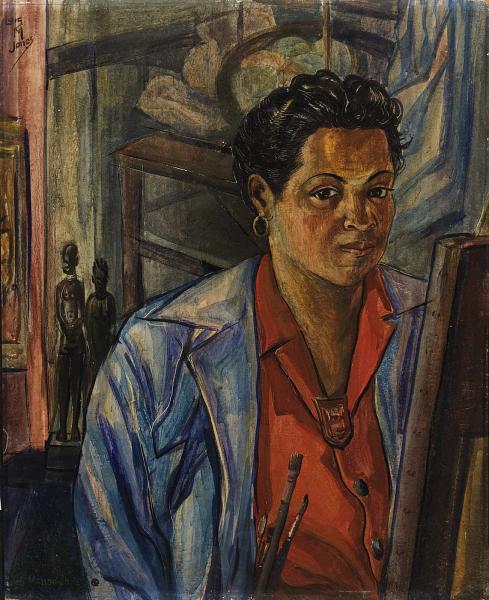
Self Portrait by Lois Mailou Jones (1940)

These women led similar lives in several ways. Aside from both spending time studying in Paris, both Meta and Lois benefited from having White supporters during the early phases of their careers. Samuel Bing sponsored an exhibition for Meta, while Celine Marie Tabary often submitted Lois’s work to circumvent racist art competition policies that prevented Black Americans from competing.

2.2.2.x-collection-detail-jones-ode_to_kinshasa_0

Ode to Kinshasa by Lois Mailou Jones (1972)

Though I’m not an artist, I am tremendously thankful for the fact that both Meta Warrick Fuller and Lois Maillou Jones shared their talents with the world. Their contributions added richly to the fabric and legacy of American art. May their work remind us – in perpetuity – of the importance of Black art!

(Photos courtesy of Pinterest, National Museum of Women in the Arts, Preston Joy blog, and Smithsonian American Art Museum)