international · life curation

Learning a New Language

Hey friends! I’m excited to share my latest learning adventure. Of course, I’m still studying Inside Opera and Cultures and Identities in Europe (I wrote about the courses here and here). But I also took on another learning experience because, well, it felt like a good idea!

portugalflag

I’m studying Portuguese after visiting the Embassy of Portugal a few weeks ago. I love the language and I’m looking forward to becoming proficient over time. As it turns out, I have a few Portuguese speaking friends that are eager to help me practice, not to mention I have a lot more resources at my disposal than I did when I studied French and Spanish years ago.

For starters, I’m using YouTube, podcasts, digital textbooks, and media to learn Portuguese. Also, there are some excellent groups online (specifically Facebook) that can connect language learners with native speakers to practice or even to ask technical questions. I’m still assessing which resources are the best in my opinion, but as soon as I have a good list of resources, I’ll definitely share them here!

Are you all currently studying any languages? Let me know in the comments below!

life curation

This Month’s Plans

Can you all believe that June is here already?! My mind is blown by how quickly this year is moving along! I’m really pleased at how I’ve been progressing with my goals and I’m excited about what I’m envisioning for the rest of this year.

Untitled design.jpg

This month will have a lot of activity, both on this blog as well as on my social media accounts (Twitter and Instagram – feel free to follow me if you haven’t already!) Over here, I’ll be bringing more information about visual arts, self-improvement, and creating/curating a quality lifestyle. On Twitter, you can see all of the latest art and culture happenings for Washington, DC and Richmond, VA (two of my stomping grounds). Check out Instagram for daily photos recapping some of my daily shenanigans, as well as a special series highlighting incredible artists that are showcasing their work on Insta.

I’ll also be posting a goal update at the end of this month. Yes, I’ve been working on those goals! And I finally updated this website to show my goals on the righthand column of the page. Yes, overdue, but better late than never, right?


reading list

Reading List: June’s Book

I’m almost done with The War of Art, so it’s time for me to select another book. I really wanted to read a book that I either 1) hadn’t read before or 2) had started reading but never completed. I also wanted the June reading selection to speak directly to one of my goals (by the way, I’ll be posting goal updates VERY soon!). At minimum, I wanted the selection to be in support of those goals.

book

So, as it happens, the first book that I picked up while tidying my bedroom was Your Life by Design by Curtis R. Estes. I opened the book up and literally, the page I landed on spoke directly to me. I didn’t have to hunt for the book: my June selection found me!

I’m looking forward to reading this and discussing it with you all. Talk to you all tomorrow!

life curation

Living Your Best Life: Managing Overwhelm

As part of this ongoing discussion about living my best life, I’m taking the time to assess what worked – and what didn’t work – when crafting a better lifestyle. What good is knowledge if I’m hoarding it instead of sharing?

Early in my separation (leading up to my divorce) I felt like I was going in 1000 different directions. There was so much to attend to and so little time and energy to handle it all. I wanted a business, a successful federal career, a healthier body, more sleep, better relationships with my family and friends, a writing career, a financial benefactor, etc.,. So many things to do and I was trying to do them ALL!

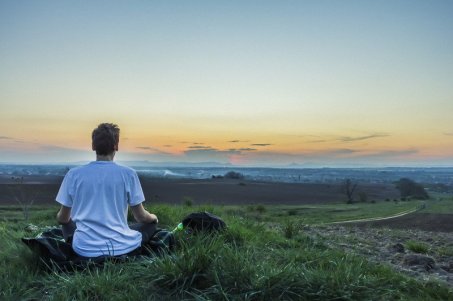
relax

Look, we all have too many tasks and not enough time. We ALL are overwhelmed to some degree or in some area. The overwhelm may not be ever present but it comes up at the most inopportune times. Here are a few things that I did when I was crushed under the weight of all of my “to-dos”. I hope this list helps you!

  1. I took naps. Naps are such an underrated source of stress management. When things were just too much to handle, I’d lay down and sleep for a bit. I was always more clearheaded and rational after I got a little rest.
  2. I delegated and outsourced. As much as I could, I entrusted some of my tasks to family or friends that were invested in helping me during that difficult period. Just having an extra set of hands on the scene can do wonders for managing overwhelming situations.
  3. I focused on tackling the smallest items first and let my momentum build up. Instead of doing it all, I focused on one thing at a time. That really worked wonders for helping me feel accomplished, which lead to me feeling more relaxed and energized to tackle the rest of my to-do list.
  4. I confided in friends. Sometimes, just vocalizing my frustrations would work wonders for my stress levels. I made sure to reciprocate: I’d let my friends vent to me, as well.
  5. I journaled. When I didn’t want to use my voice, I’d reach for my pen and journal. Writing my thoughts really helped me to get those confusing thoughts out of my head and into a tangible form that I could read and process at my leisure.

Do you have any tips for managing overwhelming situations? I’d love to hear about them in the comments below!

life curation

Living Your Best Life: Cultivating Calm, Part 2

calm2

Happy Wednesday, beloveds! In part one of my Cultivating Calm posts, I mentioned how to become more aware of when you are feeling stressed, anxious, or frustrated. Once you identify the patterns and triggers, you can begin to control or manage them. Here are a few tips for controlling and managing triggers that threaten your feeling of calm.

angry

-Avoid people who stimulate an anxious or agitated feeling. You know who I’m talking about: there are some people who have a nervous energy that’s contagious: they walk into a room and everyone starts feeling “on edge”. I noticed that a lot of inexperienced or insecure supervisors and managers tend to generate this energy. You also notice it from people that treat everything like a crisis or a tragedy, consistently overexaggerating the seriously of thing occurring in their lives.

news

-Avoid consuming overstimulating food, beverages or media. I adore chocolate, but I can’t have it late at night because of the caffeine. I feel jittery and agitated when I can’t get to sleep, so I avoid chocolate late at night as well as caffeinated beverages. Likewise, examine your diet and see what stimulants you consume regularly. Then, aim to wean yourself off of those stimulating foods and beverages: overstimulation frequently causes agitation and anxious feelings. It goes without saying that media can also make you feel anxious: sometimes the news makes us feel stressed and frustrated. So employing some selective ignorance can go a long ways in helping you preserve your calm.

clean

-Clean up your physical surroundings. Disorderly environments can disturb your sense of peace and tranquility. So clean up and enjoy your new, calmer environment.

stretch

-Practice deep breathing and relaxing stretches to help you unwind. Intentionally increasing your oxygen intake can really help with “resetting” your energy and improving your mood (there are studies confirming this, so do your research!). Relaxing stretches help to reduce the tension in tightly contracted muscles.

life curation

Living Your Best Life: Cultivating Calm, Part 1

calm

On this blog, I always strive to be authentic and positive. One of my keys to remaining positive is to continue doing the emotional work that will allow me to live my best life. Without doing this work, I would be stuck in the often-frustrating daily experience, and different situations could negatively impact my mood and perspective.

A crucial part of my self-care is the conscious cultivation of calm (if you can’t tell, I love alliteration). Calm is more than a feeling for me: it’s the state where I am most secure and clearheaded. I function best in calm, and for that reason, it behooves me to continue to cultivate it on a daily basis.

You, too, can cultivate calm regularly. All it takes is some inner and outer work. The first part of cultivating calm involves becoming aware of triggers and spotting the patterns. Once those triggers and patterns are identified, you can successfully develop tools to manage the stress and promote your peace. Here are some of the steps I’ve used for the first part of cultivating my calm (you can read about the second part of cultivating calm in a future post).

-Take note of when you feel anxious or agitated. You may have a physical reaction to aggravation (tense shoulders, jaw clenching, headaches, etc.,) or perhaps the aggravation shows up in your behavior (silence/lack of communication, aggressive interactions with others, violent outbursts, etc.). You don’t need to try to change the behavior immediately, just note it and stop yourself if you feel that you’re about to do something dangerous to yourself or others.

-Keep a journal to log your anxious or agitated moments for about one or two weeks. This will help you vent safely and can take a lot of the “fire” out of an aggravating incident. Jot down as many details as you can: time of day, what you were doing prior to feeling aggravated, the event that triggered the aggravation, how you responded, and what you feel as you write about it. Lots of details are key for the next step, so really take the time to write it all down. It helps to write in the red hot moment, as this usually means you’ll capture the detail in all it’s emotionally-triggering glory.

-Look for patterns: does your irritation come after interacting with certain people? Does it come from the tasks expected from you on the job? Were you hungry? Were you sleepy? Look for any commonalities between those frustrating moments. Once you start seeing a consistent trigger appear, then you know you’ve found a pattern and you can set out to manage that trigger more effectively.

If you need more help with this, there are countless online guides for helping you identify triggers and patterns. Also, I’m a big fan of using professional help to assist with managing things that feel overwhelming or beyond your control.

Look out for the next “Cultivating Calm” post coming soon!

life curation

Making Joy a Daily Practice

I’m still buzzing a bit from the Joy Challenge that I talked about incessantly last month. Mindfully choosing joy daily is going to be a never-ending exercise for me, and that’s okay: it’s worth the effort. Fortunately, I have a little tool to help me to keep the joy going during the months ahead!

joy

Amina Makhdoom Lynch, the creator of the Joy Challenge, generously gifted participants a copy of Rebecca Kochenderfer’s book, Joy Journal. The book is designed to engage you in joyful practices for 12 full weeks (3 solid months!) as you move from accidental/occasional joy practitioner to consistent joy creator.

This book is designed to get you into the habit of engaging a daily intention, reflecting on positive experiences and expressing gratitude. Each week opens with a few thoughts on the week’s theme, stories, encouragement, and examples to assist you in completing the week’s prompts.

I’m so thankful that Amina sent me a paperback copy: these are the kind of tools that I don’t enjoy when digitized. The act of writing (with pen and paper) and reflecting on my thoughts as I write has always been magical for me. So this lines up perfectly with my preferences.

If you need something to help you with staying in joy, this could be a great resource for you. Make sure you check it out!

art · life curation

5 Lessons from Amy Sherald, An American Success Story

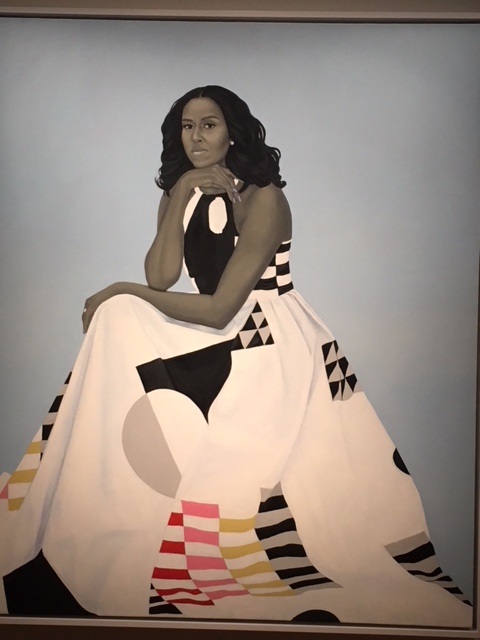
A few months back, the official portrait of former First Lady Michelle Obama was unveiled and put on display at the National Portrait Gallery. The painter, Amy Sherald, quickly became a household name, as her unique portraiture captivated art appreciators and stirred discussion on what makes an “acceptable” political portrait.

IMG_3678

Michelle Obama as portrayed by Amy Sherald (I took this photo a few weeks ago)

But today, I’m not talking about whether Sherald’s painting was aesthetically pleasing or suitable for a First Lady (though, after seeing it in person, I agree that it is both beautiful and a fitting tribute to Mrs. Obama). I want to talk about Sherald and what makes her the ultimate American success story. Here are five lessons we can learn from Amy Sherald:

  • Be committed to your craft.

Sherald studied art in her undergraduate and graduate years. Before committing to art school, she practiced her craft daily and participated in arts camps during the summer. Much like Sherald, if you want success, you have to be committed to your craft

  • Seize as many opportunities as you possibly can.

Sherald apprenticed for art historians, curated for museums abroad, and she also lived and studied in Norway, China and Panama. She didn’t let distance keep her from seizing opportunities that brought her closer to her dream. Likewise, the opportunities we need are rarely in our own backyard: we have to seize them wherever they are, even if that takes us around the world and away from everything familiar.

  • Don’t allow discouragement to distract you.

Despite Sherald’s immense talent, her family wasn’t particularly supportive of her decision to be a full-time artist. In fact, it wasn’t until she won the Outwin Boochever Portrait Competition that her mother view art as a viable career for Amy. Our loved ones mean well, but we may have to “tune out” their well-meaning advice that doesn’t bring us closer to what we want.

  • Be courageous enough to choose discomfort in service to your vision.

Sherald herself mentioned that she chose “discomfort” in order to create art that inspires. Discomfort means that we sacrifice certainty for the possibility of realizing our highest selves. Try a little discomfort to help you make strides toward your goal.

  • It’s never too late to be what you envision yourself to be.

Sherald was 42 when she won the Outwin Boochever Portrait Competition. Dreams aren’t just for the young and wide-eyed: consistency and focus will bring you the success you desire, even if it’s a little later than you expected. By consistently following the previously mentioned steps, you’ll be prepared for your “big break” whenever it comes along.

Have you had a chance to check out Amy Sherald’s work? Let me know in the comments below!

life curation

Live Your Best Life: Hobbies to Help You Heal

Happy Friday, friends! We made it through the week, and what a week it was. The East Coast is getting some truly spring-like weather, and I’m excited for the warmer days to come!

As you all have already seen, I’ve been sharing some of the things I used to help recover after devastating life events (for me, specifically, my divorce, but also the loss of several close family members and friends). In this post, I’m going to share some of the hobbies that helped me move through my pain and heal my heart.

For starters, I want to add a disclaimer: you can and should seek professional help if you want or need a qualified individual to help you with your problems. Nothing that I’m recommending should be considered a replacement for clinical treatments and professional counseling.

That being said, here are some of the hobbies I used during my recovery and how these hobbies helped me:

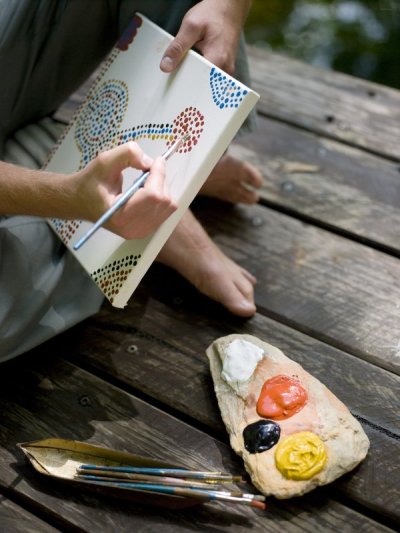
  • Enjoying art: I’ve said it before, and I’ll say it again – art saved me from my darkest moments. Spending time in museums, creating my own art, and learning more about artists and their works helped me tremendously during my lowest points. There’s something very magical about being able to mentally “escape”, transcending time and space, as you view a piece of art. Also, creating art did wonders for helping me to work out some of my frustrations and to take the “sting” out of my losses.

art

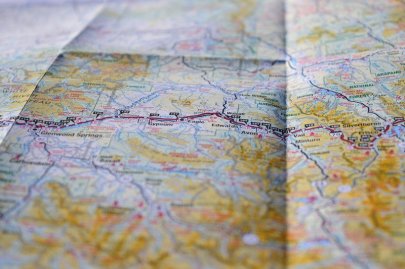
  • Traveling: One of my best friends advised taking a trip prior to any big decision, as the change in scenery and routine does wonders for giving you fresh perspective. During those painful years, I took several trips that helped me to clear my mind and reconnect to the joys that I experienced in years prior. Physically visiting different locations impacted me on levels that I couldn’t experience if I had stayed at home. Travel was wonderful for helping me to navigate my pain.

map

  • Writing: To be honest, I couldn’t always verbalize my emotions. There were a lot of days where the feeling would be in my chest, even in my throat, but I couldn’t speak the pain that I felt. When my voice failed me, my pen was ever ready to capture the emotions that I felt but couldn’t vocalize. At one point, I wanted to reread my journal entries, but I have since decided against that.  Those journals have served their highest purpose already: they were my voice’s proxy. I am thankful for the ability to give myself some relief when I felt nothing but despair.

writing

  • Exercising: I’m not obsessive about fitness, but it was a mighty powerful tool that I used during my healing process. Aside from the physical effects (the release of endorphins that lifted my mood), the repetition of certain physical movements provided me with a rhythmic experience that required that I focus on the present moment and temporarily suspend my emotions. Exercise literally took my mind off of my problems, giving me some much needed relief.

exercise

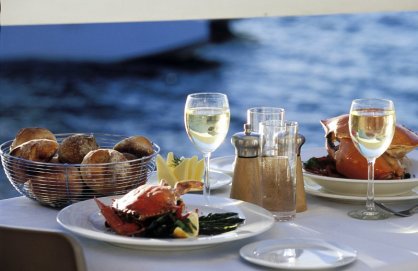
  • Fine dining/wine tasting: I’ve already shown my love and appreciation of good food and wine on this blog numerous times. However, I’ve never mentioned how much I employed these sensory pleasures during my healing phase. I learned about different cuisines and prepared 4 and 5 course meals at home. The discipline, effort and precision involved with designing and preparing elaborate meals was a satisfying creative effort. And trying new wines, while learning to hone in on the elements that I enjoy most, enhanced my dining experience. You have to be careful with this one: restraint and knowing your personal limits are key.

dining


Those are the hobbies that I used to help cope and heal from my pain. I hope that these may be helpful for lifting your spirits during the low times. Take care, and enjoy your weekend!

life curation

Living Your Best Life: Law of Attraction Keys for a Smoother Divorce

As part of living my best life, I want to continue exploring the things that I’ve used successfully to get certain “wins” in my life. While divorce was painful and life-changing, I had some tools that helped me significantly as I transitioned into divorcee life. I’m convinced that using these tools consistently has made the difference between feeling full of despair and being excited about what lies ahead.

peace

I heavily utilized law of attraction (LOA) techniques to assist me with transitioning to this phase of my life. Here are my top three techniques that I used, as well as some details on how I used them.

Affirmations: I woke up every day and affirmed what I wanted. Some days, my affirmation was as simple as “Every day is a great day”. On other days, when I had a little more pep, I might say something like, “I’m lucky, gorgeous and always attracting awesomeness!” The beauty of affirmations is that I got to repeat whatever felt good, or comforting, at the moment, and that did wonders for setting the tone for my day.

Scripting: When I had the energy, time and focus to put into thinking about what I wanted my ideal post-marriage life to look like, I would do a bit of scripting. Scripting is the process of writing your ideal life as if you are living it NOW. It takes the dream life from fantasy land and immerses you in the experience now (even if that experience is virtual). When I review “Lifestyle Design for a Champagne Life” by Cassie Parks, I’ll have a bit more detail about the process of scripting. Cassie also lists the details of how to script in this podcast episode..

Rituals: I found tremendous comfort from engaging rituals throughout my separation and divorce. When I say “ritual”, I’m not speaking of a religious practice: I’m talking about the routines and habits that gave me stability and relief. One thing that I did consistently is go to the gym and walk on the treadmill to clear my mind. I also used to frequently visit the nearby museums when I needed a mental break, and I enjoyed many afternoons soaking up nature in picturesque Haupt Garden. I consistently used these diversions to give me some peace when I had a lot of inner turmoil.

All of the LOA practices I engaged helped me to get relief from the stress of separation and divorce. For me, this was never about engaging in fantasy or throwing on a bunch of “positive thought” in an attempt to avoid the pain. I moved through the pain and, when it became overwhelming, I reached for what would help me to make it through. I hope that you are able to use some of these tools during some of life’s less-than-ideal challenges.