art · beauty · culture · food · life curation · luxury · relaxation

Afternoon Tea At VMFA’s Floris

Recently, I had a chance to dine at Floris, the tea room at Virginia Museum of Fine Arts (VMFA). I’ve dined at Floris before, but since they change their menus seasonally, I was due for another visit.
Floris at VMFA

The restaurant is currently featuring the fall menu, which highlighted warm spices, tender brassicas, and autumnal squashes. I went with my daughter, and we both enjoyed the signature tea, which features all of the listed bites and unlimited amounts of any of the non-premium teas (we had to try a premium tea for good measure).

The experience started with us being seated in a lovely room that was a bit further back from the main entrance. Our space was punctuated with a grand Christmas tree that was white with silver accents. The room itself was a deep teal color, with light multicolored wooden floors and gold accents upon the walls. As we took in the beauty of our space, we were greeted by our waiter, who brought us menus and filled our water glasses.

Close up of one of the Christmas trees at Floris

After learning that we could select two teas to start, we discussed which teas sounded most interesting. We decided to try the Marie Antoinette tea as well as the Milk Oolong premium tea (which has a $6 USD upchage per teapot). Our tea arrived while we waited for our food. The Marie Antoinette was fruity, bright and softly floral, with none of the bitterness that can occur with many other black tea varieties. This was probably my favorite tea of the afternoon. The Milk Oolong was just as described: creamy, smooth, and buttery. I can confirm that this tea had notes of milkiness without any actual dairy being included. I was impressed at the subtle but impactful flavor profile on this tea.

Floris tea menu

We were brought a basket of biscuits and scones, along with jam and butter. These were tasty, and a great way to start our tea. The scones featured a swirl of additional flavoring (I don’t know what it was: the items were brought to us while I washed my hands, and I forgot to ask our waiter about it). The scones were softer and sweeter than the biscuits, and both were perfect with our first two pots of tea.

Floris Signature Tea food menu

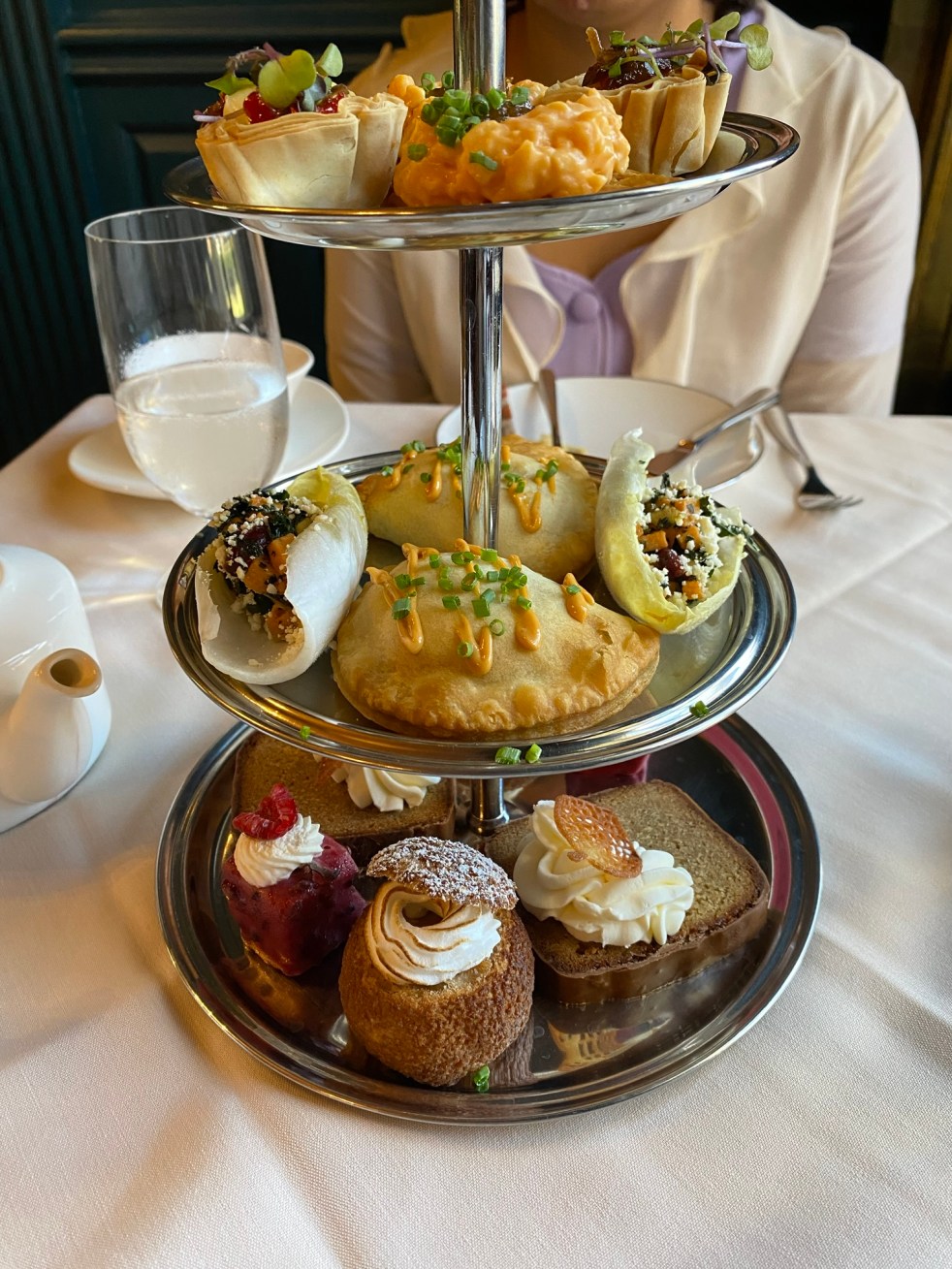
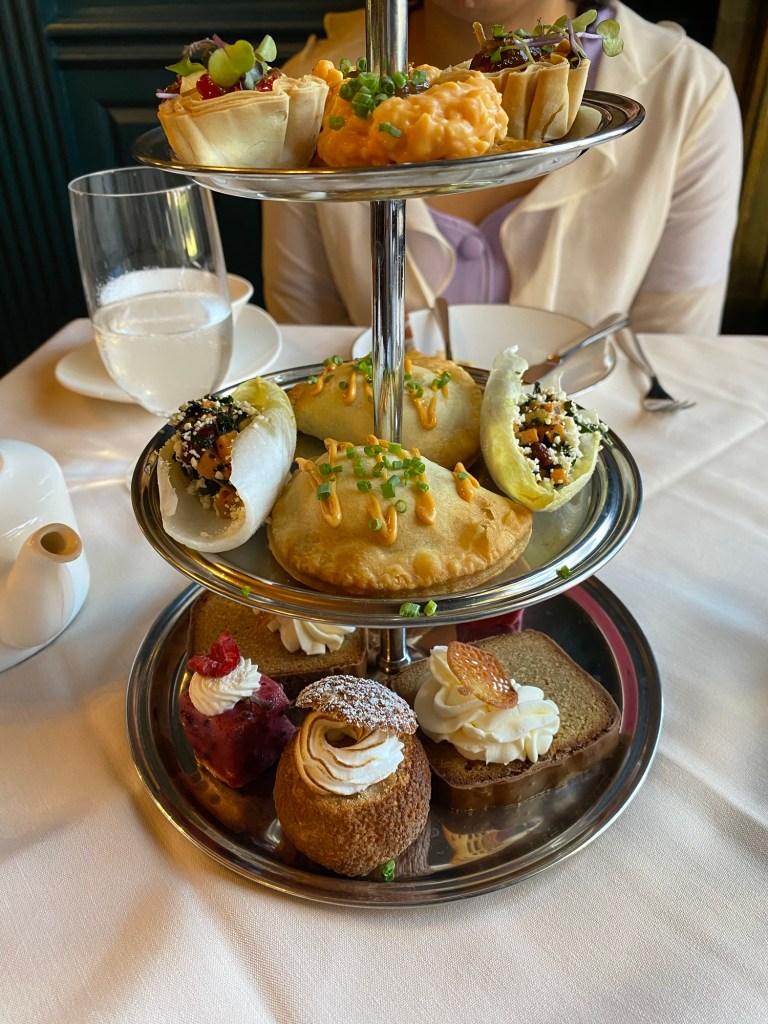
Our food arrived and it was an impressive presentation. We started our meal with the fried saltines and pimento cheese savory bites (the top level). Rich, a little salty, and a lot crunch, these delicious cheesy bites were perfectly balanced by the tomato conserva garnish, which left a little sweetness and brightness after each bite. We followed up with the baked brie bites (top level), which had little bits of mushroom, pepper jelly, and a sprig of micro greens on top. This is a nice, standard tea dish: soft baked cheese in phyllo dough, with a few other ingredients for more flavor and texture. This is one that would be fairly easy to recreate at home, and would be a tasty hit with your guests!
Our tea bites

We progressed to the roasted sweet potato salad, which had a mixture of cubed sweet potatoes, feta cheese, bits of sauteed kale, and cranberries. The salad was served in a single endive leaf, adding a touch of tasty bitterness to a dish that perfectly captured sweetness, sourness, saltiness, and umami. This was a surprise hit for me, as I didn’t know what kind of salad to expect. This is absolutely a dish I would make myself, and would happily serve to others. We finished our savory bites with the braised green handpies, which my daughter accurately described as tasting like gomen, Ethiopian style collard greens. These handpies featured both collard and kale green, cooked until flavorful and tender, and the greens with mixed with other winter vegetables (like squash). On top of the flaky pastry pockets, there was a drizzle of smoked tomato coulis, the perfect little touch of delicious decoration. The handpies was my daughter’s favorite dish.
Moroccan Nights tea

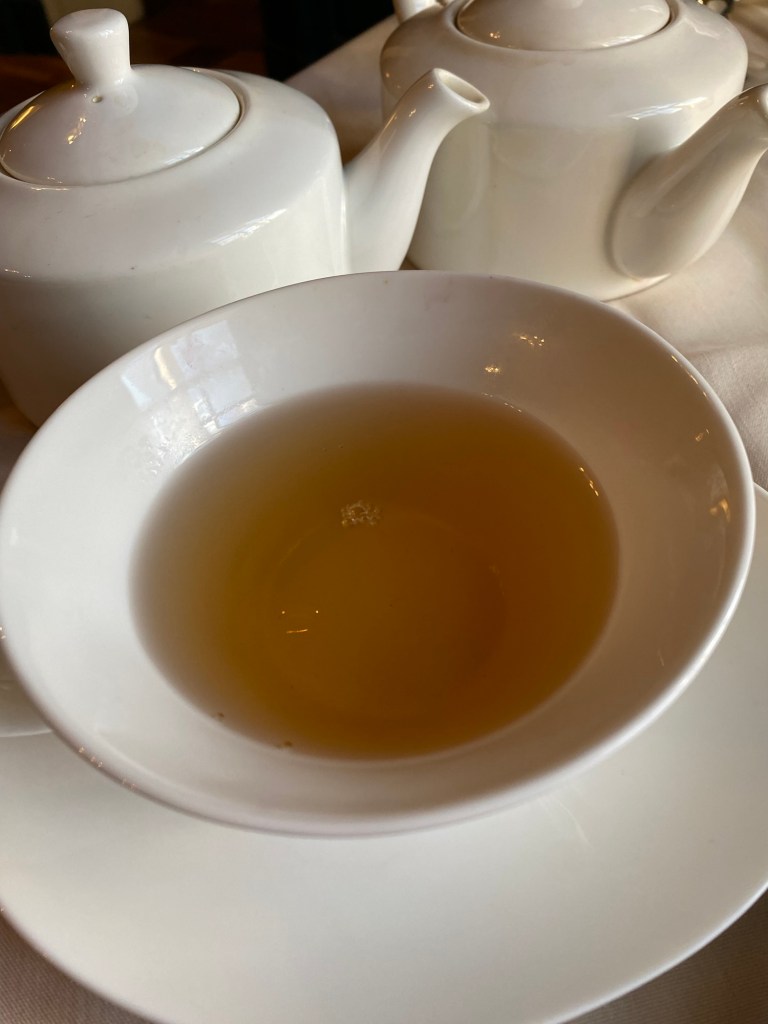
We finally progressed to the final tier, with the sweet bites. But, before we started our bites, we tried another tea. We decided that the Moroccan Nights herbal tea could be tasty, and we weren’t disappointed. This tea was faintly minty, but mostly a floral, approachable blend that worked well with the sweet items we tried. Our first dessert item was the apple pound cake, that I quickly realized I couldn’t hold in my hands, as the warmth began melting the milk chocolate glazed on the outside of each slice! The mascarpone garnish and light-as-air sweet crisp on top – in the shape of autumn leaf, no less! – was such a pretty and tasty touch. We then tasted the pumpkin pate choux, an airy cake that was hollowed out and filled with a decadent pumpkin filling, and then topped with meringue and toasted until golden brown. This was my absolute favorite sweet of the bunch, and I could have eaten 20 of these!

Before we ate the last sweet bite, we ordered our final tea of the day, Himalayan White. This was an easy to sip, mildly sweet tea that contrasted well with our rich desserts. The final sweet treat with the spiced chocolate cremeux, which is a fascinating take on chocolate ice cream. This is what I’d imagine an upscale interpretation of the standard cherry cordial candy would taste like. This treat was had earthy and warming notes from the spice, the coldness of the ice cream, a touch of bitterness from the dark chocolate brownie bits, and the sweet and tart raspberry coulis encasing all of it. This was my daughter’s favorite and it’s easy to see why: it’s a fun mix of fruit and chocolate!

When we finished our meal, the waiter brought us an additional treat: we got chocolate caramel stuffed tarts to pair with the last cup of tea. Delicious! Such a tasty and unexpected way to end our meal.

As we sipped the last of our tea and looked out of the windows of the tea room, we savored the easy energy of the afternoon. Our time at Floris was a wonderful way to unwind in the afternoon. I can’t wait to return when they debut their winter menu!


Leaving Floris after a beautiful afternoon tea
health · life curation

Fibro Friday – Let’s Talk About Soursop

Happy Fibro Friday! I hope you all have had a great week. I’m recovering from a mild flare and I’m finally coming out of it, which makes me happy. This is one of those unavoidable things that comes with fibro: even when you’ve done your best to manage your symptoms, you may still have occasional flares. My flare was triggered by inconsistent weather patterns, because when the air goes from hot to cool to warm to cold, my body goes haywire.

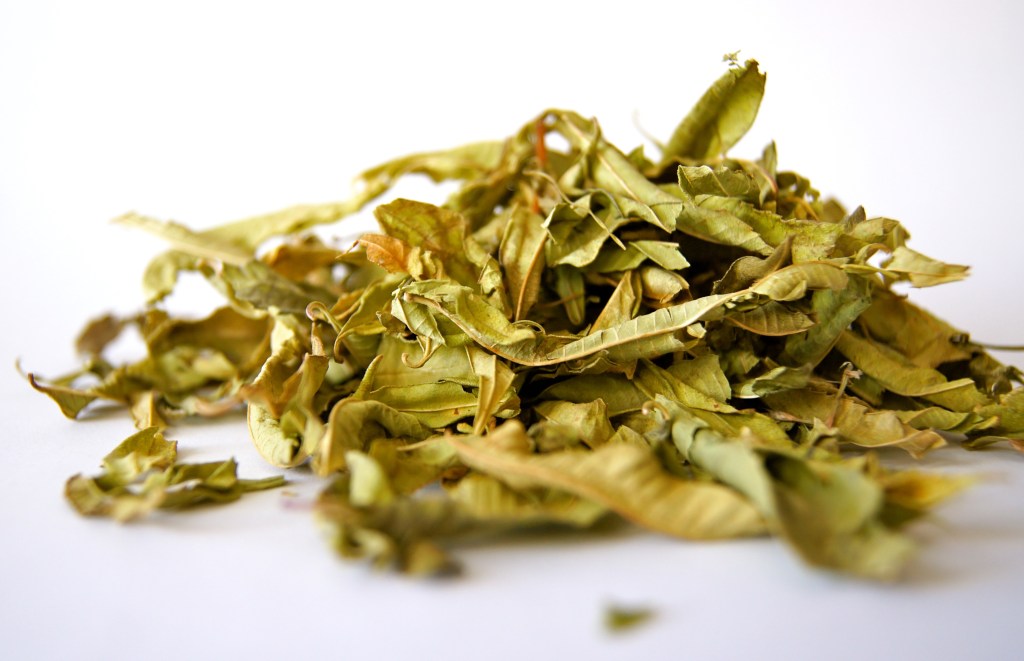
Part of what really helps with my flare is getting enough rest, but, as you all know, rest can be challenging when you have fibro. One of the things I use to help get deeper, more restorative sleep is soursop leaf tea. There are a lot of benefits that you can reap from drinking soursop leaf tea, because it’s a highly nutritious plant. The fruit of the soursop plant is delicious and there is a strong case for it being antibacterial, antimicrobial, and anticarcinogenic. But we’re not talking about the fruit: the leaves are what interest me most (when it comes to fibro).

I first learned about soursop leaf tea from Debbie over at The Jamaican Cooking Journey. I’m inserting her video about soursop tea for your convenience:

When she mentioned that soursop tea is good for your nerves, I knew I had to try it! So I did, and I’m so glad that I took a chance on it. It helps me to sleep like a baby! Remeber, fibromyalgia is a neurological issue, not a musculoskeletal one, so by address nerve dysfunction, you can reduce or eliminate most of your symptoms.

Because I love science, here are some articles about soursop (graviola) that are worth checking out: WebMD article; Anti-microbial Efficacy of Soursop Leaf Extract (Annona muricata) on Oral Pathogens: An In-vitro Study; Anticancer Properties of Graviola (Annona muricata): A Comprehensive Mechanistic Review. I believe in doing due diligence and seeing what the science says, and I encourage you all to do the same.

I am posting my video that I did on this topic, and in that video, I share my results from consuming soursop leaf tea:

Please note, I am not a doctor and I’m not offering medical advice or solutions. That being said, I’ve enjoyed using soursop leaf tea as part of my regimen to encourage deeper and more restorative sleep. Try it and let me know your results!

life curation

Tea Time with Tia – Let’s Chat

Happy Monday everyone! I hope you had a wonderful and restful holiday weekend. In Virginia, we experienced 70+ degree (21+, if you use Celsius) temperatures so there was no snow for us. I’m thankful for this mild Christmas weekend: we were able to go out and not freeze!

I recently started posting a series of chattier videos over on my YouTube channel, and I wanted to share my most recent video over here on the blog, as it sums up one of the most valuable lessons I’ve gotten this year.

I used to struggle with honesty, not out of a desire to deceive, but because I mistakenly thought that silence (not telling the truth) was equivalent to peacekeeping. And yes, that’s true in some instances: every now and then, being quiet can be the best thing. But I realized that being truthful – out loud – was an essential channel for self love and self care for me in this year. I acknowledge that speaking the truth is a luxury (we are not all able to speak our minds freely) and I’m thankful for it. For me, every truthful expression has helped me step more and more into myself. I’m not perfect, but I love where I’m heading and how using my voice brings me into the most authentic expression of myself.

Here’s the video:

What priceless lessons have you gotten in 2021? I’d love to hear all about them in the comments below!

life curation · relaxation · style

Making a House a Home

Happy Monday, friends! I trust that your weekend was safe, happy, and relaxing. It was another hot weekend in Virginia (my favorite type of weather!) so the weekend started and ended on a great note, as far as I’m concerned.

Today’s post is the first domestic one that I’ve done in quite some time. There would have been far more of these sort of posts this summer, but I ended up not planting my garden, so there were no flower or herb pictures to share. Also, a lot of my time during the pandemic was spent care for my grandmother and great-aunt. For that reason, I didn’t have much time to focus on the “fun” domestic activities that I’ll be talking about today.

That being said, my life is returning to normal. My grandmother and my great-aunt returned to their home, my health started to improve, and I finally had more free time to explore my creativity leanings. This newfound time freedom gave me the space to play around with craft ideas that, at one time, I didn’t think I’d have the time or energy to do.

So, in the upcoming weeks and months, I’ll be sharing all sorts of domestic posts and videos. I have an upcoming video where I feature a do-it-yourself autumn wreath that is beautiful, easy and inexpensive. I’ve also been tinkering with some foraging and wildcrafting recipes that I’m eager to share with you all. Today, however, I’m going to share a super-simple autumn-inspired tea recipe that I filmed last year, that will be perfect once the air starts to cool and the leaves start turning to red and gold.

I hope you all enjoy the video! I’ll talk to you all tomorrow. Take care!

life curation · relaxation

How to Do a Tea Meditation

Happy Tuesday friends! I hope you all are enjoying a comfortable and happy day wherever you are.

In light of the recent events in the United States, I thought about how I could contribute to the collective energy of peace and kindness. It may sound a little simplistic, but I truly believe that good intentions, prayer, and self-mastery are foundational to creating a more peaceful world. Indeed, if I can create peace within my personal world, I can radiate this out to others, and eventually this energy can start to encourage a peaceful attitude around the world.

I looked around my home to see if I had anything that would create an immediate mood lift. I reached for what has always worked for me: a cup of hot tea. But, instead of simply drinking the tea, I decided to do something a little different. I created a tea meditation around my ritual of enjoying hot tea. After I finished my cup, I felt so much more relaxed and grounded. I figure, if this process can have that effect on me, perhaps it will be of use to you, too.

So here are the steps involved in my tea meditation. If you prefer to watch a video on it, you can see a video demonstration below. Also, if you’re interested in reading more about the rich history of tea and the culture behind the tea ceremony, you should check out The Book of Tea by Kakuzo Okakura. I found the book unexpectedly enlightening and thoroughly inspiring.

  • Pay close attention to every step that you take in preparing your tea: select your tea carefully, listen to the sound of the water as it goes from simmering to boiling, feel the weight of the cup in your hand before and after adding water.
  • Select your sweetener carefully (if you choose to indulge). If you’re inclined. do a taste test of the different sweeteners available and see which one makes your taste buds dance.
  • Gently, slowly and intentionally pour the hot water over your tea. Look intently as the water changes from clear to colored. Look closely to see if the herbs or tea leaves make swirls in the water as it infuses. Get lost in the slow transformation from clear liquid to flavorful beverage.
  • Add your sweetener a little at a time. Taste the difference between levels of sweetness. Connect those levels of sweetness to emotions or actions (perhaps you can compare lightly sweetened to a mild happiness, and the perfect level of sweetness to bliss [maybe like a passionate kiss]).
  • Stir the tea gently with a spoon, to ensure that the flavors are evenly distributed. Immerse all of your senses into the process.
  • Allow the tea to cool a bit before drinking. Take deep, cleansing breaths while you wait, and concentrate on what you want to experience as a result of drinking your tea (happiness, peace, satisfaction, etc.,).
  • Bring the cup up to your lips but, before sipping, deeply inhale the aroma. Try to identify each of the components of the tea by smell.
  • Take a sip, noting the feel of the cup against your lip, the weight of the cup in your hand, and the smell of the tea.
  • Allow the tea to gently swish in your mouth, coming into contact with all of your taste buds. Try to pick up notes of sweetness, bitterness, sourness, or saltiness (an exquisite tea can have elements of each). As you swallow, concentrate once more on what you want to experience.
  • With every sip, engage all of your senses and focus on what you desire.
  • Upon finishing your tea, speak a few words of gratitude, and complete a few more deep, cleansing breaths.

That’s it for today. I hope that this meditation blesses you and helps you tap into a feeling of peace and relaxation, as it has done for me. Take care, and I’ll talk to you all tomorrow.

*This post contains affiliate links.

health

Fibro Friday – Trying St John’s Wort

Happy Fibro Friday! I’m so excited to end this week discussing one of my favorite herbs to help me treat some of my fibromyalgia symptoms. This post is also well timed, considering that January is National Hot Tea Month (I’ve done posts about this in years prior: see here and here).

Enjoying my Winter Wonder Tea

The herb that I’m speaking of is St. John’s wort. St John’s wort is a powerful herb, known for its pain-fighting ability. It works by inhibiting the “protein kinase Cgamma and epsilon activity” through the chemical hypericin (you can find more about that here). It also has the ability to relieve symptoms of depression. That being said, PLEASE don’t try to treat your depression solely with herbal remedies! Make sure to consult your doctor before trying any new regimens.

I’ve been using it as an ingredient in my Winter Wonder tea. I combine it with pau d’arco, cranberry, tangerine and cinnamon. I noticed an improvement in my pain levels as well as a better mood. I am currently taking prescription medication to manage my fibromyalgia symptoms, but I have not achieved complete pain mitigation. So I was excited to see an improvement in how I was feeling and will continue drinking this tea throughout the cold months. I made a video featuring my tea recipe. You can find the video below:

You can purchase St John’s wort here, and if you’re interested in recreating the herbal tea, you can purchase pau d’arco here, and you can purchase freeze-dried tangerines here.

food

Fun New Recipes to Try

Happy Monday! This weekend, I found some great free food and drink workshops, as well as some creative, tasty menu ideas for when we are able to be social without the need to do much distancing. Here are the fun ideas I’ve found recently: enjoy!

Freedom Fruit Cocktail and Mocktail (presented by the US Botanic Garden)

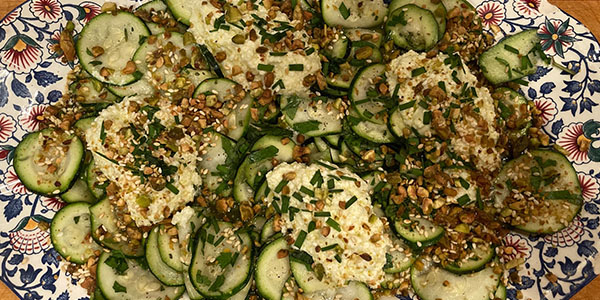
Zuke Alors! Zucchini Salad (also presented by the US Botanic Garden)

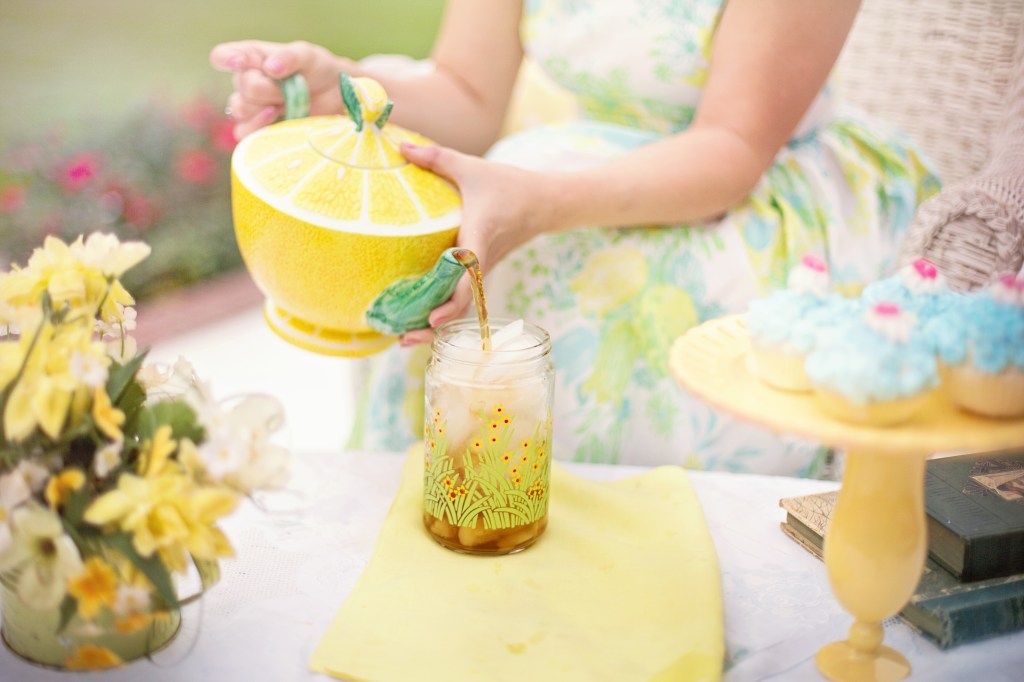
Garden Tea Party Menu (TeaTime Magazine)

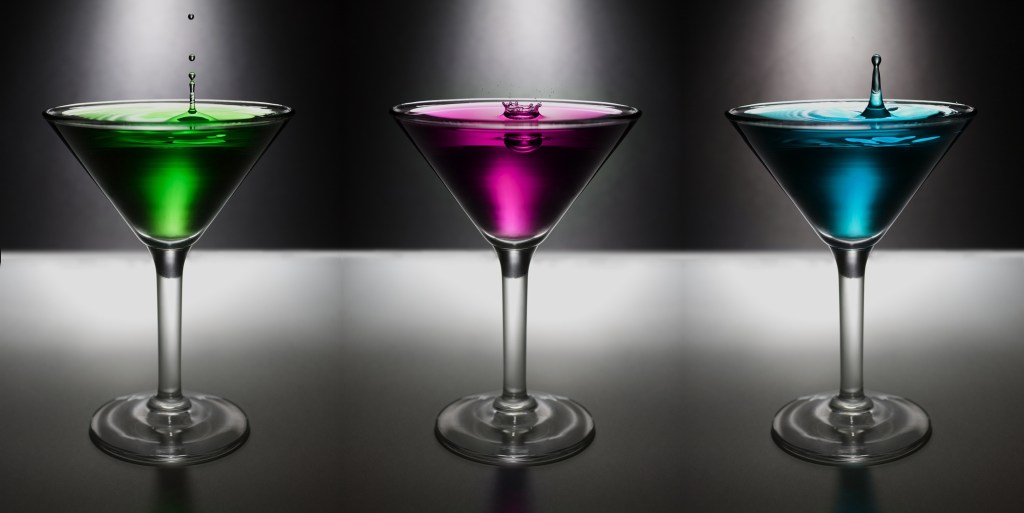
The Perfect Martini – Three Ways (Robb Report)

I hope you all have fun with these recipes! I plan to experiment with a few of them in the weeks to come. If you decide to give any of them a try, please let me know: I’m dying to see how it turns out for you!

beauty · food

5 Ways to Enjoy Tea Without Drinking It

If you enjoy tea as much as I do, you will probably find yourself with quite a tea collection at some point. It’s also inevitable that, the more teas you try, the more likely you are to come across a tea that you don’t enjoy. Whether it’s too bland, too bitter, too strong, or just not very tasty, getting a tea that you don’t enjoy drinking is always a bit disappointing. And let’s face it: some of us just don’t enjoy the flavor of tea.

That being said, I have good news! All hope isn’t lost when you purchase a “dud” tea, or when you find yourself the proud owner of a tea that you won’t be drinking (whether you purchased it or it was gifted to you). In fact, it’s possible to use tea in quite a few different ways around your home and within your beauty routine. Of course, you’ll want to pay attention to the ingredients: certain teas shouldn’t be used near your eyes or allowed to sit on the skin unless you don’t mind having some discomfort (“hotter” tea ingredients, like ginger and cayenne come to mind). As always, use wisdom and discretion with any of these recommendations.

Without further ado, here are five ways that you can re-purpose tea leaves. Enjoy!

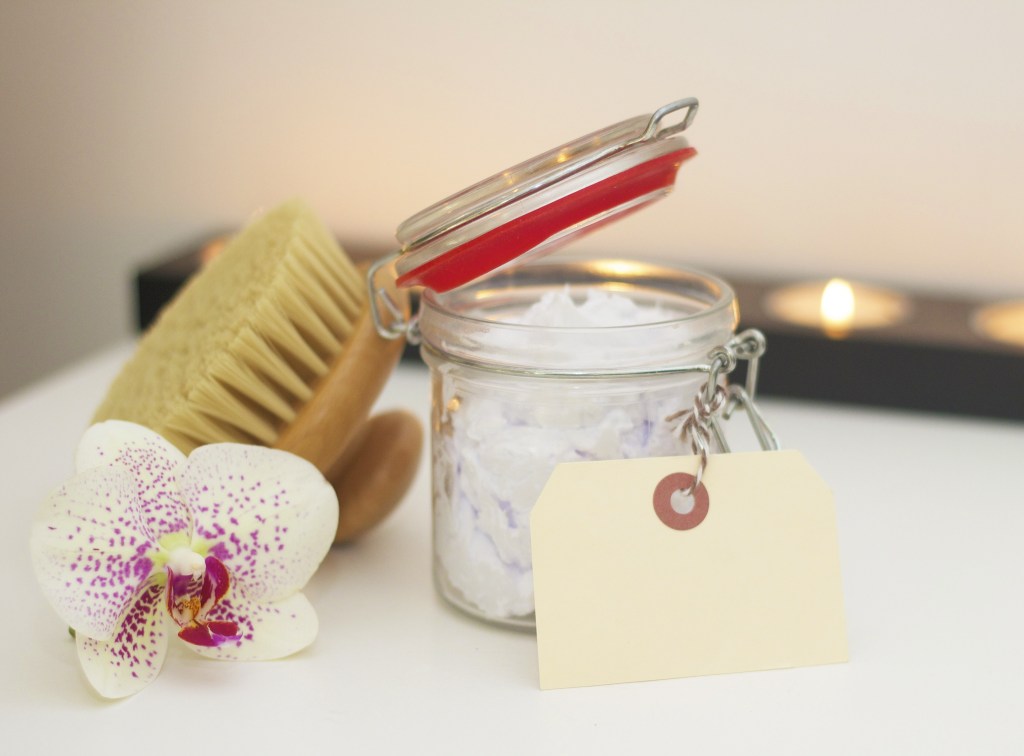
Bath/bath bomb additiveIf you make bath bombs (like I do), you can add some dry tea leaves to your recipe before you put the mixture into molds. It adds a little additional fragrance and beauty to your bath bombs. If you don’t make bath bombs, you can always just add the leaves directly to your bath. Certain teas, like mint and lemon balm, have invigorating scents and can be a refreshing addition to your bath. These teas can also be mixed with epsom salt for an especially relaxing soak.

Herbal facial steam – Similar to baths, you can use tea to make an herbal facial steam. Some teas (like rose and lavender) are known for their relaxing and beautifying properties. Do a little research on your tea and see if the ingredients are suitable for a face steam. Keep in mind, simple black, green or white teas (without added herbs or florals) are perfectly fine for most skin types. Of course, always proceed with caution, even when using “safe” teas.

Face tonic – Just like herbal facial steams, you can steep the tea in hot water then use it as a toner. Camellia sinensis (the scientific name for tea) is generally considered an astringent natural product. The tannins in it constricts body tissue, making it perfect for pore-tightening and giving the face a very toned appearance. The higher the amount of tannins (generally, these are more numerous in cheaper teas), the more astringent the tea will be. Try using a full strength tea tonic on your skin, then, if you find it is too strong, add water to reduce the potency.

Oil infusion – This is actually my favorite way to use teas that I don’t want to drink. Infusing tea into oil can create a luxurious natural product that can either be applied to the skin, the hair, or added to vinegar or another acidic item (like lemon juice) to make dressing. Infusions are simple: add herbs to as many ounces of oil that you want, let it sit in a dark (preferably cool) area for at least four weeks, and shake the mixture occasionally. Personally, I love adding inexpensive chamomile tea and other herbs to coconut or olive oil, then letting them infuse over a month or two. Once these are infused, I strain the oil, put it in a lovely bottle, then apply it to my hair and skin.

Hair rinse – Certain teas are great for rinsing the hair. You brew the tea as normal, then pour the cooled tea onto the hair after shampooing and conditioning. Chamomile is great for lighter colored hair, while sage is fantastic for dark hair. Also, teas that contain rosemary and lavender can be beneficial for dry, itchy scalp, so keep that in mind. You can also just add dried rosemary and/or lavender to the tea that you’re brewing, then you get the added benefit of those herbs for scalp health.

These are some of my favorite ways to use teas that aren’t so tasty. Do you have any recommendations for re-purposing tea leaves? I’d love to hear about it in the comments below!

food · life curation · luxury

Learn About Tea – For Free!

On Facebook, I recently saw an ad from The Republic of Tea, offering a free email course about tea. Tea 101: An Educational Email Series promised to deliver, over a 6 day period, information about the “nuances and complexities of premium tea”.

I’m a sucker for nuance and complexity, so I happily dove into the emails as they arrived.

Mustard and Olive Chic Lifestyle Blogger Blog Post Social Media Graphics

The lessons cover the different aspects of distinguishing between and enjoying tea. The lessons are brief and to the point, so they are perfect for busy people.

I especially enjoyed the emphasis on the fact that herbal teas aren’t true “teas” (the only true “tea” is the leaf of the camellia sinensis plant). However, the company still took time to explain the benefits of herbal “teas” and blends. I also liked the description that Republic of Tea provided, regarding the caffeine levels in varying tea varieties. It was good to see which teas provide light, medium and heavy caffeine.