life curation · relaxation

How to Do a Tea Meditation

Happy Tuesday friends! I hope you all are enjoying a comfortable and happy day wherever you are.

In light of the recent events in the United States, I thought about how I could contribute to the collective energy of peace and kindness. It may sound a little simplistic, but I truly believe that good intentions, prayer, and self-mastery are foundational to creating a more peaceful world. Indeed, if I can create peace within my personal world, I can radiate this out to others, and eventually this energy can start to encourage a peaceful attitude around the world.

I looked around my home to see if I had anything that would create an immediate mood lift. I reached for what has always worked for me: a cup of hot tea. But, instead of simply drinking the tea, I decided to do something a little different. I created a tea meditation around my ritual of enjoying hot tea. After I finished my cup, I felt so much more relaxed and grounded. I figure, if this process can have that effect on me, perhaps it will be of use to you, too.
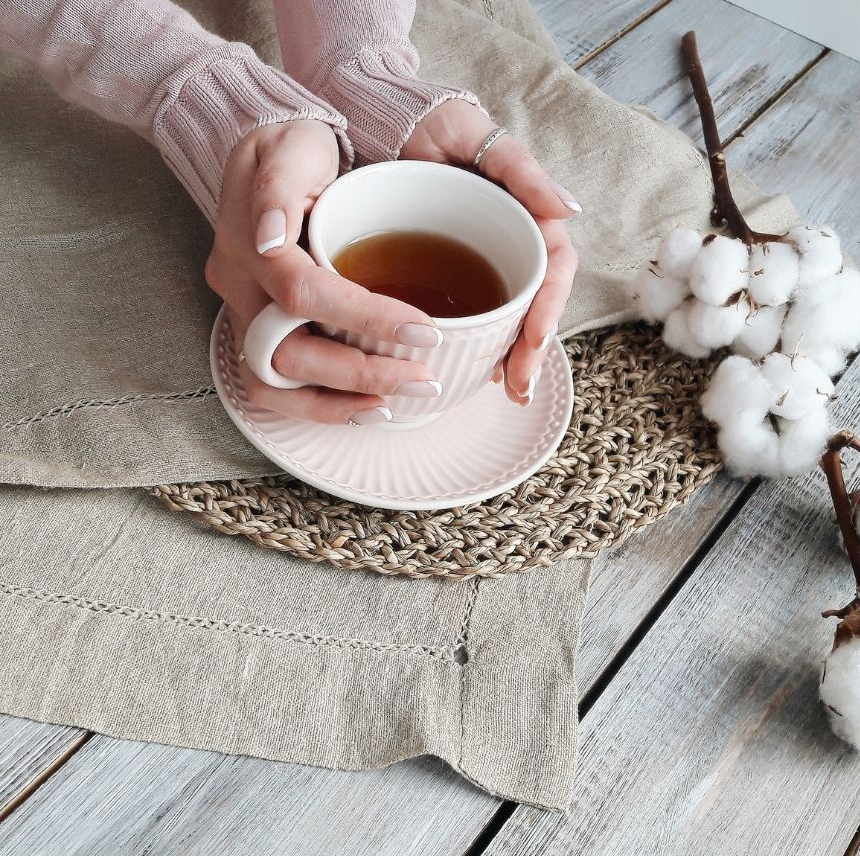
So here are the steps involved in my tea meditation. If you prefer to watch a video on it, you can see a video demonstration below. Also, if you’re interested in reading more about the rich history of tea and the culture behind the tea ceremony, you should check out The Book of Tea by Kakuzo Okakura. I found the book unexpectedly enlightening and thoroughly inspiring.

  • Pay close attention to every step that you take in preparing your tea: select your tea carefully, listen to the sound of the water as it goes from simmering to boiling, feel the weight of the cup in your hand before and after adding water.
  • Select your sweetener carefully (if you choose to indulge). If you’re inclined. do a taste test of the different sweeteners available and see which one makes your taste buds dance.
  • Gently, slowly and intentionally pour the hot water over your tea. Look intently as the water changes from clear to colored. Look closely to see if the herbs or tea leaves make swirls in the water as it infuses. Get lost in the slow transformation from clear liquid to flavorful beverage.
  • Add your sweetener a little at a time. Taste the difference between levels of sweetness. Connect those levels of sweetness to emotions or actions (perhaps you can compare lightly sweetened to a mild happiness, and the perfect level of sweetness to bliss [maybe like a passionate kiss]).
  • Stir the tea gently with a spoon, to ensure that the flavors are evenly distributed. Immerse all of your senses into the process.
  • Allow the tea to cool a bit before drinking. Take deep, cleansing breaths while you wait, and concentrate on what you want to experience as a result of drinking your tea (happiness, peace, satisfaction, etc.,).
  • Bring the cup up to your lips but, before sipping, deeply inhale the aroma. Try to identify each of the components of the tea by smell.
  • Take a sip, noting the feel of the cup against your lip, the weight of the cup in your hand, and the smell of the tea.
  • Allow the tea to gently swish in your mouth, coming into contact with all of your taste buds. Try to pick up notes of sweetness, bitterness, sourness, or saltiness (an exquisite tea can have elements of each). As you swallow, concentrate once more on what you want to experience.
  • With every sip, engage all of your senses and focus on what you desire.
  • Upon finishing your tea, speak a few words of gratitude, and complete a few more deep, cleansing breaths.

That’s it for today. I hope that this meditation blesses you and helps you tap into a feeling of peace and relaxation, as it has done for me. Take care, and I’ll talk to you all tomorrow.

*This post contains affiliate links.

fitness · health · life curation · luxury · reading list · travel · writing

New Year, New Goals

To commemorate this new year, I want to share some of the intentions that I’ve set for 2021.

Over the past few years, my goals have felt a little lackluster, so I’m excited to share some goals that really light me up! I looked at several areas of my life, and I pinpointed what changes I need to make in order to make those areas of my life feel more balanced and abundant.

So, without further ado, here are my 2021 goals:

  • Publish 5 books
  • Lose 15 lbs
  • Manifest 3 international trips
  • Earn 6 figures from my businesses
  • Read 100+ books
  • Luxury purchases – an item from Hermes, a pair of Christian Louboutin shoes, a pair of Sophia Webster shoes, and a pair of Ralph & Russo shoes
  • Cure my fibromyalgia (as I mentioned in my last Fibro Friday post)

I discuss my goals further in this video, along with why I’m not creating a vision board this year (I’ve created one every year since 2014 or 2015). I usually don’t make my videos this long, but I needed this amount of time to discuss all of the things I’m planning for my YouTube channel as well as for this blog. Enjoy, and I’ll talk to you all tomorrow!

health

Fibro Friday – My Hope for the New Year

Happy New Year, and Happy First Fibro Friday! I’m keeping this simple, since it’s my favorite holiday and I’m feeling very hopeful.

My greatest hope for the New Year is to eliminate all of my fibromyalgia symptoms. In essence, I want to cure myself. I’m desiring to create a pain-free body in 2021.

I’m sure that sounds far fetched or even impossible, given the fact that fibromyalgia is generally considered a lifelong chronic illness. I don’t even have any case studies of people that have eliminated their fibromyalgia symptoms: at least if I had one or two examples, then maybe there would be some sort of logical basis for my hope. But that’s the thing – I’m believing in spite of the evidence around me.

So that’s my greatest hope for this year. I’m determined to cure my fibro and live a pain-free life. I’m so excited to share my progress with you all throughout the year. Here’s hoping that my discoveries will create a blueprint for wellness for someone else.

Happy 2021 to you all ❤️

health

Fibro Fridays: Aquatic Therapy

Happy Friday! We’ve been enjoying lots of hot, sunny days in central Virginia and, I’m not gonna lie, I’ve loved every minute of it!

Today is Fibro Friday, and I wanted to move away from discussing the pain and frustration of the condition, and move towards talking about ways to reduce pain and improve our quality of life. So I’ll spend a few weeks talking about treatments that work.

Of all of the treatments I’ve employed in my fibromyalgia journey, aquatic therapy was, hands down, one of the most effective. I spent two days per week in a heated pool, where I did careful stretching and conditioning exercises. The exercises were designed to stretch the muscles gently and to begin restoring flexibility and strength to previously stiff and achy body parts.

Water is a healer

After spending time in the pool, I noticed that my range of motion was better, and my pain was decreased. I won’t lie: those aquatic exercises EXHAUSTED me. I slept so well after each visit. But that was a good thing; as someone that experiences awful bouts of insomnia, a good nights’ sleep is a dream come true.

Along with the physical benefits of stretching in a warm pool, there were other unexpected positive side effects. I find that water stokes my creativity, so my mind felt clearer and rejuvenated after each visit. I also found my confidence in my body’s abilities growing with each session. You see, fibro made me quite unsure of what my body can do, since the condition significantly impaired my energy levels and range of motion. But the weightlessness I experienced in the pool reminded me of what I was like before fibro took its toll.

I haven’t gone to aquatic therapy since last year. My pain levels are far more manageable now so I don’t need this particular treatment any more. However, at the time, this worked extremely well for my pain, and I recommend it for anyone that is experiencing muscle discomfort or chronic pain.

That’s it for today! I hope you all continue to remain safe and take care of yourselves. Have a great weekend!

health

Herbalism: My Favorite Tools

As a baby herbalist, I feel fortunate to have so many tools at my disposal. Plant identification apps, online herbalist courses, and countless hours of discussion on YouTube have really opened my eyes to the depth and breadth of the herbalism world.

Today, I’ll be sharing a few tools that I’ve found invaluable in my growing herbal practice. If you’re interested in taking your wellness back into your own hands, I implore you to research safe and effective plants that you can incorporate into your wellness plan, and then venture out into preparing those plants in different ways: as infusions (teas), tonics, tinctures, poultices, and more. The more that you experiment, the more that your knowledge grows. I hope this little list of tools helps you. Enjoy!

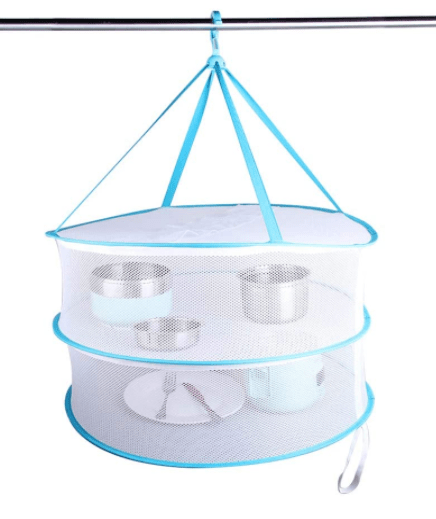
One of my first major investments into my herbal practice is my drying rack. I love using this when preparing herbs that I harvested myself, or when I purchase a bundle of fresh herbs at the store. This one by Adwaita is large, and can accommodate a lot of plant material. I use this almost every day, as I frequently find myself eager to preserve my fresh herbs.

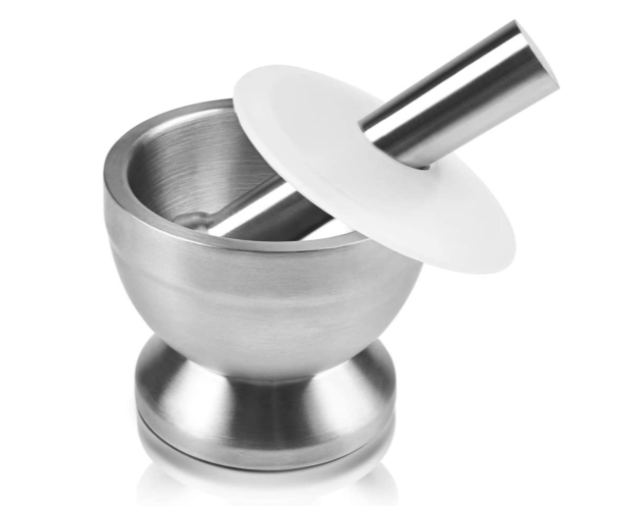
After trying to crumble herbs by hand a few times, I knew that I needed a mortar and pestle. This one has a really nice weight and ergonomic design. I love that it doesn’t shift around when I use it: the weighted base keeps the bowl firmly in place. It also has a sleek look that I enjoy.

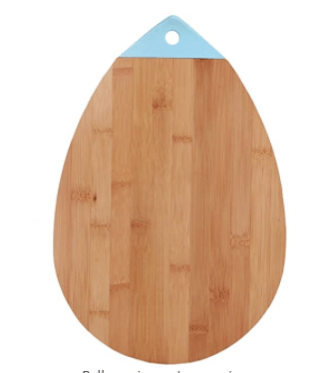
I regularly prep my herbs on this cutting board. It’s a large and attractive workspace: using it is always a pleasure. I sometimes use it to take photos of some of my herbs as I’m trying different blends. I love this work surface!

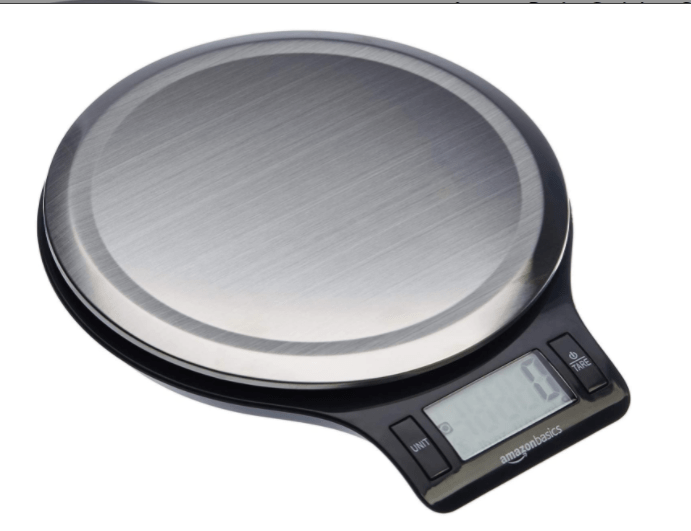
Eventually, I’ll be standardizing some of my preparations, so an inexpensive digital scale was a must. I purchased this last week but I haven’t used it yet: I’m looking forward to eventually offering my herbal mixtures and I fully intend to be consistent in my formulations.

These are my favorite herbal tools at this point, and I’m slowing growing my collection to include all of the tools that I need to create the herbal products that I enjoy using. That’s all for today: let me know if you use anything like the items that I mentioned above!

health

Fibro Fridays: My Difficult Diagnosis Journey

As promised, I’m back to share with you my journey to diagnosis. I’ve discussed some aspects of this journey before, but I really wanted to share additional details of what was involved with getting diagnosed. It’s really easy for me to focus on the immediate months leading up to my diagnosis, but, in all honesty, my diagnosis was a nearly 5-year journey of doctors’ visits and frustrating experiences before I confirmed what was happening with my body.

I had two primary care doctors throughout the time that I’ve suffered from fibro symptoms. My first doctor didn’t see anything concerning on my bloodwork, but she believed me when I said that I felt unwell. She referred me to a rheumatologist for clarity (an appropriate response), because some autoimmune conditions cannot be determined from basic blood testing. I visited the rheumatologist, who seemed to understand that I was experiencing extraordinary stress along with physical discomfort. However, after completing one round of blood tests, she ended up dismissing my concerns (as you all may know, fibromyalgia cannot be determined by blood testing, which is why some medical professionals deny its existence). I was discouraged by my pain but also relieved that I was not suffering from an autoimmune condition.

I continued to battle my symptoms and found myself vacillating between less pain and more pain, but never experiencing a complete absence of pain. After the first doctor decided to retire from medicine, I started working with a second doctor, who repeated the blood work 3 years after my last round of testing. This doctor also didn’t see anything concerning on my blood testing, but she attributed my symptoms to stress and a demanding daily routine. She didn’t seem to believe that my physical symptoms were real and not easily remedied by minor lifestyle changes.

After having a horrible symptom flare, I knew that I had to take my health into my own hands. I directly contacted a rheumatology office that had good reviews and scheduled my appointment sans referral (I have a PPO for this reason: waiting for referrals can be frustrating). I had already been discussing my symptoms with friends, and more than one of them mentioned fibro as a possibility. I did a little research and was able to clearly communicate my concerns with the rheumatologist. Less than one month later, I had a diagnosis confirming that I was indeed suffering from fibromyalgia.

I “fired” my primary care doc and got a new doctor that was far better for me and my condition. I worked with several specialists and finally started to feel better for the first time in years. The journey wasn’t easy, but it was worth it. I’m just glad that it only took me a few months from the time that I took control of my healthcare to get a diagnosis: for that, I’m fortunate. I know intimately how this process can take many years and many tears, and anyone suffering from this condition has my sympathy and empathy. This path isn’t for the weak, which is why some have labeled themselves “fibro warriors”.

If you have a fibro warrior in your life, please send them a little loving energy: this isn’t an easy experience, and many are doing the best that they can.

That’s all for this week. I hope you all have a wonderful and safe 4th of July weekend. Take care!

health

Fibro Fridays: My Five Favorite Spoonie Essentials

Happy Friday! I hope you all had an amazing week and an amazing weekend ahead! It’s Fibro Friday, so I’m sharing some more tidbits from my fibromyalgia journey. One of the things I’ve noticed is that there are a few items that I keep nearby (especially during flares) to make my life a little easier and more pleasant. Here are five of my favorite “spoonie” essentials (if you want to know more about “spoonies” and Spoon Theory, you can read my post here). If you have some essentials that you think should be on my list, please share in the comments!

If I had to toss my spoonie essentials into a backpack, these are the ones I would include.

Knee pillow – Sometimes, my trigger points can be especially sensitive, to the point where it hurts for the insides of my knees to touch one another. When this happens, I love using a knee pillow for relief. There are knee pillow designed for side, back, and stomach sleepers. I have two knee pillows, but this one is my favorite.

Magnesium cream – I’ve written about this before, so if you want more information, you can check out this previous Fibro Friday post.

Ginger candy – This is one that I suspect a lot of spoonies keep nearby, because they are so handy and effective. Sometimes, even if you don’t have a digestive condition (such as IBS or chronic nausea symptoms), you will still find yourself feeling a bit nauseous. Fibro is a condition of nerve dysfunction and improper nervous perception, so there’s an element of unpredictability with the symptoms. In any case, nausea can flare up unexpectedly, and ginger candy can be great for soothing upset stomachs. I’m including the link to my current preferred ginger candy (you can probably find it for a much better price in stores, but if you can’t find it, this Amazon link may help). I prefer a stronger ginger flavor, so ginger mints are my favorite. However, I’m also including the link to a milder version that I used years ago, which are also effective.

Kindle E-reader – When I’m spending a lot more time in bed, I like having my Kindle e-reader nearby. My Kindle is OLD (LOL!) but it still works well. The most economical Kindle available right now is less than $100 USD but it is a great item to have, especially if you’re a bibliophile like me. I love that Kindle e-readers retain their charge much longer than my cellphone, and it’s far more portable than my laptop. Here is the basic black Kindle e-reader.

Easy-to-prepare foods – Some days are more exhausting than others. When I simply don’t have the energy to prepare an elaborate meal, I enjoy having a few easy-to-prepare foods around the house. I love instant soups, noodles, and even protein shakes that take less than five minutes to prepare. The local international grocers have a lot of healthier quick meals than typical grocers, so I generally prefer to shop there. However, one of my favorite meals is by Tsubi Soups (I’ve written about it here) and I can only order it online.

That’s all for this week! I hope your weekend is spectacular, and I’ll be back on Monday. Take care and be safe!

*This post contains affiliate links.
fitness · health

Fibro Fridays: My Fibromyalgia Library

Happy Friday! This week has been pretty good overall, even though the weather here in central Virginia has been gloomy and rainy. I suppose I should be thankful for the rain that keep my flowers growing, but can we get a little sunshine, too? I know the sunnier days will return soon: I just have to be patient.

This week’s Fibro Friday will be all about the books in my “fibro library”. While the Internet has been a fantastic resource for learning more about this complex condition, I still enjoy reading books that can give me some insight into fibro. I have several books that I’ve used in learning about fibro as well as ways to give myself some relief from the symptoms. If you or a loved one have been diagnosed with this condition, perhaps these books will be helpful to you.

My first recommendation is Career or Fibromyalgia, Do I Have to Choose? by Karen R. Brinklow. This book was one of the firsts that I read on my fibro journey. It’s actually what inspired me to hire a fibro coach last year, to help me manage this transition into a new lifestyle. My coach, Julie, was fantastic and instrumental in helping me to see that fibro can be managed and my life can still be full of fun and meaning.

This next book, 12 Healing Herbal Recipes: Herbal Medicine The Delicious Way by Mary Thibodeau, is a light read that I enjoyed tremendously. The book has little facts sprinkled through it, and has information about foods and spices that can help heal the body. I love the emphasis on the fact that we can use food as medicine, and, by giving our bodies the nutrients that they need, we can alleviate some of the symptoms that we experience.

Next, Beyond Powerful: Your Chronic Illness is Not Your Kryptonite by Lala Jackson is an inspiring read about the many “superpowers” that come to the fore when you’re faced with a chronic illness. Jackson doesn’t have fibromyalgia, but her examples and advice easily apply to any chronic condition.

Finally, Taking Back My Health and Happiness: Hope and Healing from Chronic Pain, Fatigue, and Invisible Illness by Marie Anne June L. Tagorda is an inspirational book that also outlines a step-by-step wellness plan that can be used to improve your health. This book does a good job of addressing the physical and metaphysical aspects of illness. I’ll admit: I’ve read the book but haven’t committed to completing the steps yet. But when I do, I’ll be sure to share my results on this blog!

That’s all for my fibro library! I hope this information helps you to forge a path to wellness, or, if you don’t have fibro, I hope that these books will give you additional insight into this condition so that you can better understand the symptoms.

Have a great weekend, and take care!

These are affiliate links featured in the post, but rest assured, I purchased each of these books with my own money and I’m only sharing what has worked for me 🙂

health

Fibro Fridays: Why It’s Difficult to Treat Fibromyalgia

Happy Friday, friends! Today’s post is one that I’ve been eager to write, because I feel that explaining this (from the perspective of someone living with fibromyalgia) may give a little clarity to others that are struggling with their diagnosis, or may help people that are unfamiliar with the condition to better understand why there is no easy “fix” for fibro.

Whenever you try to learn about fibromyalgia online or directly from a medical professional, there is generally a lack of consensus on the causes of the condition. The condition is treated as a bit of a “catch-all” category for a set of uncomfortable (to the point of painful) symptoms. This “catch-all” designation is one reason why there are still some medical professionals that continue to deny the existence of fibro (I already wrote a post touching on this topic).

In any case, the overall lack of understanding behind the WHY of fibro leaves a lot of questions regarding the HOW of treatment. Different root causes call for different treatment protocol. However, fibromyalgia can be linked to muscular, nervous and even digestive malfunctions, so most treatment is, at best, akin to a game of darts. Medical professionals will try to hit the “bullseye”, and many treatments can offer a level of relief, but it seems that no one has hit the “bullseye” of fibromyalgia – YET.

Prescription medication is one treatment option for fibromyalgia

There are many researchers that are getting closer to an agreed-upon definition of fibromyalgia, including its root causes. However, until consensus is achieved, we have an assortment of treatments that can be explored and that may have varying levels of effectiveness. Many of the most popular treatments include physical therapy, aquatic therapy, acupuncture, prescribed medication, nutritional supplements, lifestyle overhaul and lots of intentional self care (which is, by far, usually the most effective treatment [maybe I’ll write more about this in the future]), chiropractic care, etc.,. The trick to managing the symptoms is finding the perfect cocktail of treatments, along with having an excellent support system and medical team in your corner.

Well friends, that’s it for this Fibro Friday! I hope you all have a great weekend, and I’ll talk to you on Monday. Take care!

life curation · Uncategorized

Wonderful Weeds

Since becoming a homeowner last year, I’ve spent a lot of time getting to know my home and yard. I enjoy the flowers that the previous owner planted, and I find so much pleasure in sitting in my morning room and looking at the woods beyond my backyard, where I can catch glimpses of rabbits, various beautiful birds, and occasionally deer.

Prior to moving here, I assumed that weeds were the bane of most homeowners. After all, weeds were usually unsightly, absorbed nutrients that could have been utilized by prettier plants, and attracted pests. However, my herbalist studies have given me a different perspective on weeds, and I’ve gotten to a point that I love to explore my yard and see if the weeds can be used for medicinal or culinary purposes.

I’m delighted to share that I’ve discovered several weeds that I can use in my herbalist practice! I also have some photos of the weeds that I’m excited to use in the upcoming months.

This weed is mullein. Isn’t it stunning? It can be used to create teas and tinctures that remove mucus from the lungs and gastrointestinal tract. I actually just love the look of it. It is wind-pollinated, so here’s hoping that it’ll bloom and those seeds will create some more plants nearby.

A young mullein plant

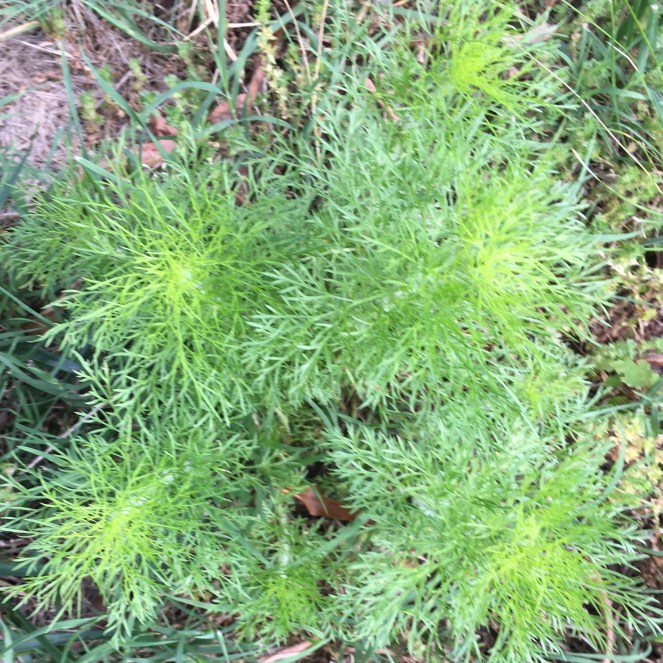
This is dog fennel, a weed that closely resembles dill. This weed should only be used externally (it can treat sunburn and can also be used as a mosquito repellent) because it has compounds that are toxic to the liver. Some people hate the smell, while others find it earthy (like pine). I actually enjoy the fragrance. I’m still researching the best way to extract the oils for a liquid repellent, but so far, I haven’t seen anything. I may just experiment a bit and see if I can come up with a good repellent recipe using dog fennel.

A cluster of dog fennel

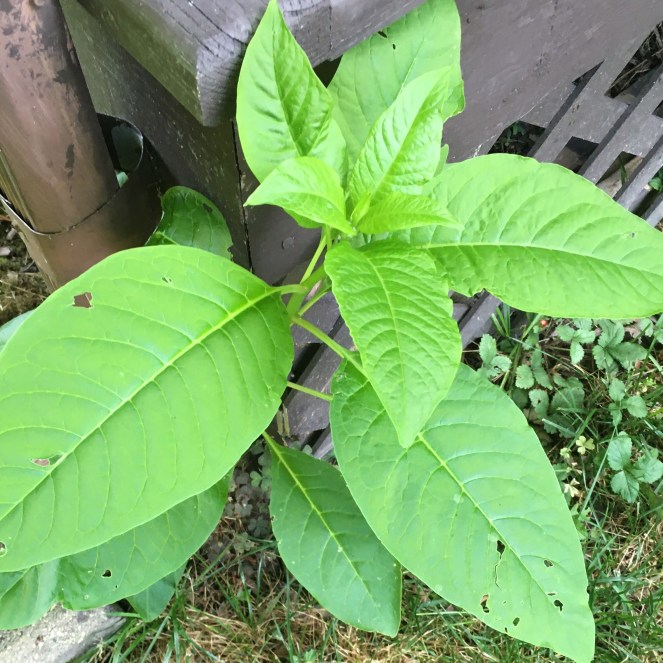
This very common plant is pokeweed (poke salad/poke sallet). It can be prepared as a cooked green, and, if done well, it’s delicious. My mother gave me a great recipe, and cautioned me that the weed should not be consumed once it starts bearing seeds (when the little berries appear). We had a chance to pick the pokeweed behind my home, and we filled a large garbage bag with the leaves, and there are still so many more plants left. However, we’re done gathering pokeweed for this season: we have plenty!

Pokeweed growing next to my back porch

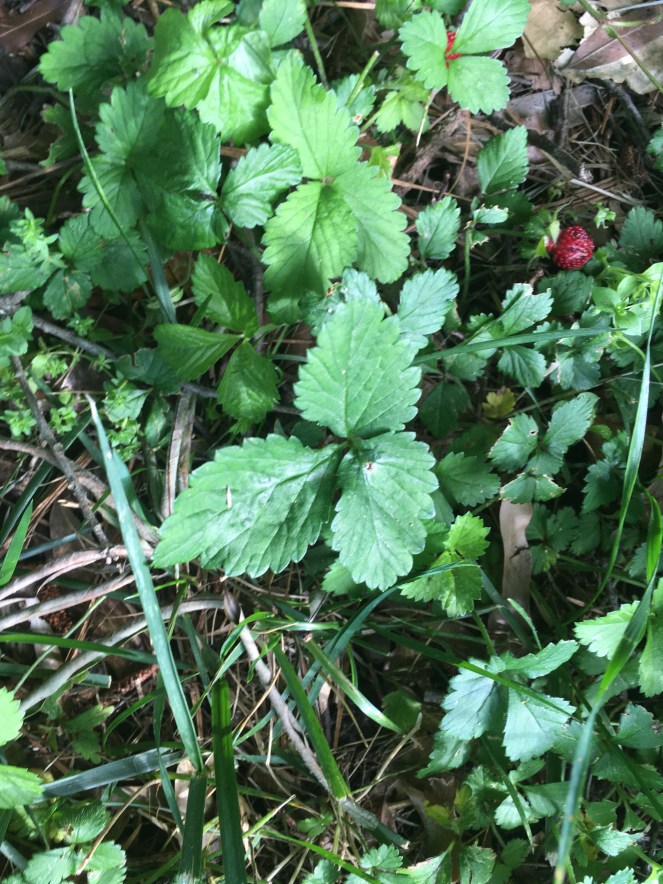
Finally, you may see a cute little berry looks like a strawberry, but it’s smaller, a bit rounder, and the seeds look a little strange. That is actually a mock strawberry. It’s nontoxic, but it doesn’t have nearly the same level of flavor or sweetness as real strawberries. However, it’s lovely ground cover and is a pretty harmless plant overall, other than the fact that it can take over a yard quickly. I learned that the berries can be eaten (some people enjoy the flavor), and the leaves can be dried and turned into a tea. So I collected a TON of the leaves and started drying them. I’m excited to let you know how the tea turns out.

Closeup of the mock strawberry leaves

So when you start seeing your grass get a little taller than you’d like, perhaps you can take some time to explore and figure out if any of the “weeds” could be useful to you! You may be pleased with what you find.

That’s all for this Tuesday. Have a great day everyone!