business · career · life curation

Women and Money: Problems and Solutions

Some of you may not realize this, but April is National Financial Literacy Month. As a woman, I’m fascinated by how finances factor into the lives of women. I feel that most women “know” about money, but there’s a disconnect between knowledge and application. As a financial professional (enrolled agent), I understand many of the pitfalls that women experience as regards wealth-building and debt reduction. What I intend to do with this post is offer solutions and workarounds for the most common issues that exist when it comes to women and money.

  • In most fields, women tend to earn less that their male counterparts doing the same work.

Yes, the gender pay gap is real. It doesn’t apply 100% of the time (for example, women that work in food preparation services and fast food tend to earn more than males in the same job). For most women, changing their gender just to earn more money isn’t a reasonable solution. Most women aren’t clear about how they can minimize or eliminate the pay gap that they are experiencing.

Women would do well to try to eliminate the pay gap that they experience personally. This can be done by learning what the current wage expectations are in a particular field, then comparing this to the woman’s experience, education, and location. After that, it’s a good idea to research the ways to negotiate for a pay raise, and practice the negotiation conversation with a trusted friend, mentor or advisor. If the gap is too large to be successfully negotiated, then it’s worthwhile to research and apply to different employers. Additionally, gaining additional skills can give women an advantage, making it easier to command higher wages (this can be done easily through free online education providers like ALISON, Coursera, Saylor and CPA Academy)

  • Women save money more but invest less than men.

Saving money is great, but the interest rates for savings accounts (of all sorts) is too low to keep up with the rate of inflation. As long as the money sits in savings, it’s missing an opportunity to work harder and generate a higher return. To that point, women are also less inclined to invest than men. Many women have been conditioned to see investing as “too risky”, and thus they prefer safer ways to store money (such as savings accounts).

The solution for this is to focus on investments that feel safer, and building your confidence until you are comfortable enough to take bigger risks. A good way to start investing is to purchase just one inexpensive stock, and start regularly reading about that stock’s performance. Then, invest in more stocks, adding a little more money to invest at each time. Websites like Acorns, Earnin and even Cash App are making it easier than ever to invest small amounts and to observe how the investments are performing.

  • Women have more student loan debt overall.

Education is necessary to earn a solid living, but it’s hard to move forward in life post-college when you have significant student loan debt. Due to the pandemic, many loan companies have opted to provide forbearance to loan recipients, so these recipients don’t have to pay on the student loans while trying to adjust to possible income and lifestyle changes.

There are two approaches that I recommend for studnet debt. If possible, avoid student debt by taking equivalency tests so that certain credits can be awarded without having to pay costly tuition (I wrote a book all about this, titled Degree Hacking: How to Save Money and Get College Credits in Record Time). However, if the loan debt has already been incurred, then I recommend that women research whether their employers offer student loan repayment. If not, seek an employer that does offer this benefit. Also, if the student loan rates are higher than, say, the cost of a line of credit or a home equity loan, then opt for one of these, and use that money to pay off the student loan. Yes, that does mean trading in one debt for another, but at least utilize these other funding sources can save money in the long run.

  • Women are more likely to live in poverty during their old age.

This is heartbreaking but true. Living to advanced age should automatically mean comfortable golden years, but this is not always how it works out. The best defense against lives of poverty is cultivating authentic friendships and support groups before reaching advanced age. It’s invariably more difficult to create relations when these are “needed”, so it’s best to start creating these connections before health declined occur.

Once a person is retirement age, it can be very challenging to make new friends. But websites that encourage meeting up (like Meetup), neighborhood town hall meetings, special interest groups and charities are a great way to connect with like minds and meet new friends. After creating these connections, it offers a little bit of a buffer against hard time. People are more likely to support their friends during hard time, but the key is to create mutual benefit. No one wants to feel “used”, so it’s crucial to create a relationship where both parties feel appreciated and enjoy one another’s company.

  • On the whole, women are less financially literate than men.

I recommend that all women take time to read books on finance, as well as take advantage of free webinars and workshops offered by financial institutions (such as banks, credit unions, and government and other oversight agencies, such as FINRA). Below, I provide a few links to books and articles that I find to be wonderful for learning about money.

Important Facts About Women and Money

Women & Money: 10 Facts We Should All Know

Money and Women: Myths and Facts

60+ Stats About Women and Money

Commercial Bank Regulation

MyCreditUnion Financial Literacy Resources

National Credit Union Association Financial Literacy Resources

My finance and tax-related blog (new posts starting in May 2021)

Smart Women Finish Rich by David Bach

I hope you all find these tips helpful, and if you need clarity on anything else, let me know in the comments!
food · life curation

Free Online Courses for Improved Wellness

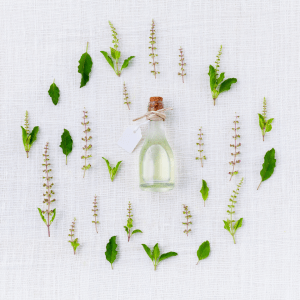
One of the pleasant side effects of our current crisis is the increased interest in improving our health through natural methods. If we can employ safe, effective natural remedies to complement conventional (Western) medical treatment, then maybe we can promote better health, improved vitality and increased longevity.

In my desire to learn more about natural remedies (as you know, I’ve been studying The Women’s Herbal Apothecary by JJ Pursell), I took to the Web to see what complimentary courses I could find to deepen my knowledge. I was delighted by what I found!

Untitled design (2)

Coursera is currently offering a five-part specialization program in Integrative Health and Medicine. Each of the five courses in this program covers a different aspect of using alternative medicine to support overall wellness. I’ve signed up for a couple of the courses because I’m very interested in what will be taught! The course will be taught by University of Minnesota professors, so you can be assured that what you will learn is akin to what may be taught in a course on campus. You can either sign up for a paid subscription to Coursera or you can audit the courses, which allows you to view the instructional material for free but does not offer a certification if you complete the assignments in a timely fashion.

Another fantastic course that I found while searching for free online alternative medicine courses is this free Introduction to Aromatherapy course offered by Aromahead. I really like the fact that this is a self-paced course, so you can complete it as you have the time available to do so. I have a small collection of essential oils so I’m excited to learn more about tapping into their power and harnessing the maximum benefit.

Finally, the American Herbalist Guild has generously provided a library of archived webinar materials for free. This may be great for you if you don’t want to commit to a full-fledged course but still want to learn more about herbs and natural remedies. I like that these concentrated teaching sessions can help you get targeted information about a specific topics. 

There are many more free online herbal and alternative medicine courses that you can find by simply doing a Google search, but these were my favorites that I wanted to share with you.

I hope you all are having a great day! Take care, and I’ll be back tomorrow.


(This post contains affiliate links)


life curation

Take This Course Before 2019

I know we’re all excited to start 2019 on a strong note, and I’m all for finding (and sharing!) the tools and resources to make this our best year ever. So, I’m going to do a mini-series called the 2019 Toolkit. This is informal, but as I find things that I think will be useful to you all, I’ll share them here and tag them for your convenience.

I’ve come across this particular course multiple times over the past six or so years, and each time I see it, I’m impressed by the high student ratings and continued popularity. Learning How to Learn, a course available through Coursera, is a powerful tool for setting the tone for 2019 successes. The class is 12 hours of study, so 30 minutes a Day is more than enough time to complete the course by the new year.

art · life curation

The Next Art Class(es) On My List . . .

Happy Friday, beloveds! The weekend is here and, I must admit, I’ve been feeling pretty fired up for the past few weeks. I was determined to have a strong start to my year, and so far, I’ve kept my word. I’ve been focusing on everything that I want and need to get done so that I can accomplish the goals I’ve set for the year.

If you all recall, in my New Years goals post, I mentioned that I wanted to eventually transition into a career in the art world (hence this blog’s gentle but steady turning toward more art-related content). I intend to take some in-person courses through Christie’s but I am also supplementing those courses with some online education.

womensartclass

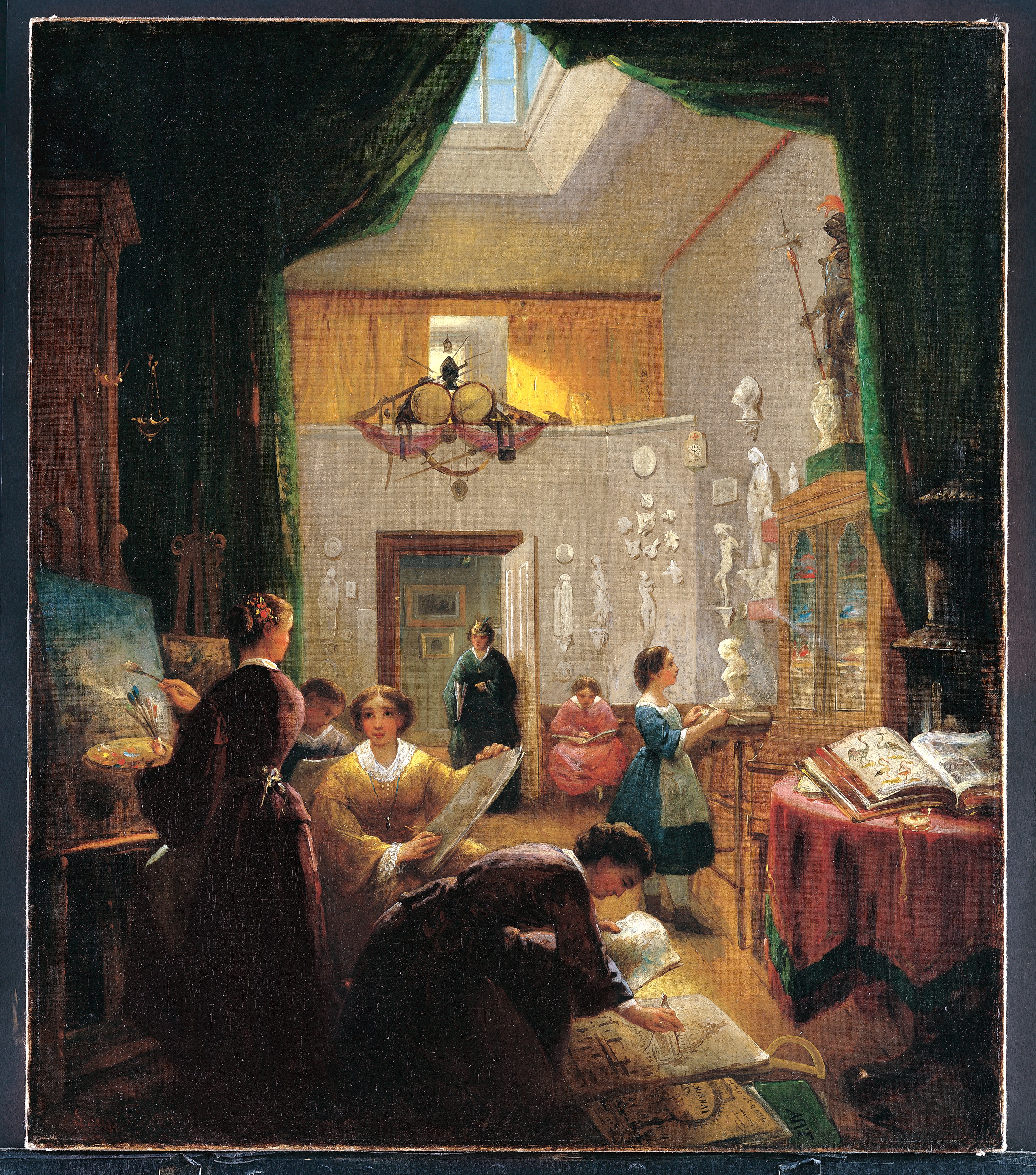
Women’s Art Class by Louis Lang (1814 – 1893), at The Metropolitan Museum of Art

I’m an autodidact, so I’m very comfortable with teaching myself. You all will probably recall the art course on Alison that I’m currently taking (I’m doing this one very leisurely, though I’m already about 50% done with the material). However, I occasionally enjoy having a structure to lean on while I’m learning. That’s why I was excited to see that Coursera is offering several arts courses this year, that can either be completed without a certificate (the no-cost option) or with a certificate of completion offered (has a small fee). Since I’m doing these courses for personal development and I don’t intend to provide certification to anyone in the future, I’m doing the no-cost option.

The two classes I’m taking are Modern Art & Ideas and Fashion as Design. Both classes are taught by Museum of Modern Art curators, researchers and directors. If you find that you benefit from interaction with other students and a more structured format, then Coursera’s offerings may be a good fit for you.

I’m looking forward to learning more about modern art and fashion. I can’t wait to share what I learned with you all!

luxury · wine

Adventures in Enology: Wine School, Round 2

A few months ago, I mentioned an awesome FREE Wine Tasting class on Coursera. If you missed out on the course previously, I have good news for you: the course reopened this week! I’m re-registering for it, since I only completed about 50% of it during the last session. This time, I’m determined to complete it!

all free download

(photo courtesy of All Free Downloads)

Though the course is free, it requires the purchase of wine, glasses and food for the exercises. I’m so committed to completing the course this time that I’ve already ordered some of the items that will be needed in the upcoming weeks. I hope you all join me in taking this free Wine Tasting course. Of course, if you aren’t interested in learning more about wine, you can always check out the many other free courses available on Coursera.