health

Fibro Fridays: Why It’s Hard to Get a Diagnosis

Happy Fibro Friday, friends! It’s been a fantastic week, and I’m positive that the weekend will be full of even more JOY and delight!

One of the things that I consider when reflecting back on my fibromyalgia journey is how long it took to get an accurate diagnosis. For years, I had symptoms of fibro yet it took me being completely out of commission (in bed for weeks at a time, unable to sleep for more than 2-3 hours, intense physical pain) before I got close to an accurate diagnosis.

img_0947

As it turns out, my experience isn’t unusual. In fact, most fibro sufferers take more than two years to get diagnosis. This statistic is appalling, considering the pain and diminished quality of life that we experience while we wait to get some clarity on what’s going on with us.

I have a few theories on why it takes so much time to be diagnosed. I’m sure that there are more reasons why this happens, but these are the reasons that I experienced, and I’m sure that many others with fibro can relate to at least one of these scenarios.

  • Fibro symptoms often mimic other conditions. Many times, primary care physicians (PCPs) will diagnose you as being depressed (which is a frequent comorbidity of fibro), having muscle strains, or suffering from a viral infection (again, this can often occur with fibro patients). As a result, the PCP, in an attempt to make a conservative diagnosis, ends up “under-diagnosing” (yes, I know that isn’t a word, but bear with me LOL!) their patients. And when this happens, it creates a delay in getting an accurate diagnosis.
  • Primary care doctors are hesitant to refer to rheumatologists unless there is conclusive test results indicating some sort of auto-immune issue. When having blood work done, your primary care may see unusual results . . . Or not. And if everything looks “normal”, they will often doubt that you need to be referred to a specialist. I have a whole story about this, and I will share it in a future post.
  • Some PCPs deny the validity of fibromyalgia. The vast majority of physicians believe that fibro is a real condition, but there is still a minority that aren’t convinced of the seriousness of the condition. If your PCP doesn’t believe that your condition is real, how likely is it that you will get an accurate diagnosis?
  • Some PCPs are very unfamiliar with fibro as a condition, and, while well-intentioned, they may overlook this common but still mysterious diagnosis.
  • Using a variety of PCPs, or having more impersonal relationships with care providers, makes it difficult to determine your “baseline” condition and what symptoms are truly abnormal for you. This is especially relevant for those that have milder chronic pain symptoms or higher pain tolerances. If you aren’t experiencing major, life-altering discomfort and inconvenience, it may not be apparent to a new physician (or a physician that doesn’t know you well) that you are experiencing abnormal pain.

These are just a few of the reasons why getting an accurate fibro diagnosis usually takes quite some time. Even though my symptoms were mild at first, they eventually intensified. It took me becoming incapacitated to get diagnosed, and even that occurred nearly two months after I was in bed for weeks at a time. My advice to anyone that suspects that they have fibro is to get a referral to a rheumatologist as quickly as you can (if you have an HMO), or, if you have a PPO (like I do) contact a well-reviewed rheumatology office and schedule an appointment yourself. It may take some time, but an accurate diagnosis and the right medical team can make a world of difference in your health and quality of life.

That’s all for this Fibro Friday. Have a fantastic weekend!

life curation

New Goals for 2020

Even before COVID-19 upended our collective plans and intentions for 2020, I knew that I was taking a completely different direction than I had for the past few years.

screen (2)

Every year, I focus on very tangible goals. My goals could be easily quantified, because I believe in goals being SMART – specific, measurable, attainable, relevant, and time-bound – and I tied my personal value to the achievement of a SMART goal.

But now, my goals are shifting . . . And I like it. Yes, to a degree, my goals are still SMART, but they all aren’t as dynamic as before. I will always have a couple of dynamic goals (that’s my nature) but some of my other goals are more fluid, and allow me room to be gentle with myself. I’m starting to fall in love with my “new normal”, which include practices that support my emotional and mental health, and goals that focus more on who I’m being as opposed to what I’m doing.

With that in mind, here are some of my new goals for 2020:

  • Practice yoga weekly
  • Finish writing and editing two of my books
  • Complete my herbalist certification (did that earlier this week!)

Have you had a chance to revisit and rethink your goals? What direction do you think you’ll be going this year? I’d love to hear all about it!

health · life curation

Fibro Fridays: A Thought on Spoon Theory

Happy Friday friends! We survived another week and here’s hoping that we are all feeling great as the weekend begins.

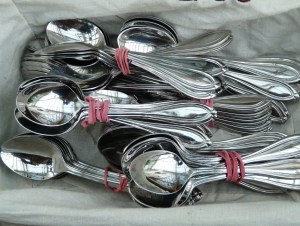
I was just thinking about how much things have changed since my fibro diagnosis last year, as well as the concepts and terminology that has become second nature to me due to fibro. One of the most fascinating concepts that I’ve heard about is spoon theory. This principle speaks to the finite energy stores possessed by the chronically ill, as well as how easy it is to fall into an energy deficit, resulting in the inevitable “crash” phase.

untitled design

The Spoon Theory essay was written by Christine Miserandino, and I love that this simple teaching has offered such an accurate visual representation of the daily reality of chronically ill individuals. Once we have used up our energy, the results of exceeding our limitations can be devastating in the days and weeks to come. Also, it illustrates how having casual/less active days can allow us to “save up” energy for anticipated intense days.

I’ve shared this theory with friends and relatives so that they can better understand what I experience. It’s hard to describe the specific feelings that I may have each day, but I can easily tell you if I’ve used too many spoons in the previous days, or if, on a particular day, I have a lot of spoons at my disposal. It’s very useful for quantifying my energy levels on any given day.

If you really want a better understanding of chronic illness, I highly encourage you to read the Spoon Theory essay for yourself. If you’ve already read it, let me know your thoughts in the comment below!

Those are my views on Spoon Theory. I hope you all are doing well, and enjoy your weekend!


beauty · life curation

The Novice Gardener’s Digital Toolkit

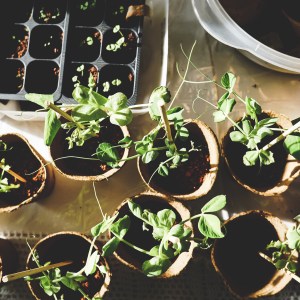
untitled designAs this is my first year cultivating a true flower garden, I’ve been eager to learn as much about the plants surrounding my home as I can. Sadly, I don’t know much about plants and I don’t have any nearby friends or relatives that can easily identify the bushes and trees in my yard. Desperate, I reached out to my Facebook family, and they didn’t disappoint! They made some excellent recommendations to help me get the information that I need. So, since I have some great tools at my disposal, it’s only right that I pass them along to you!

PlantSnap and PictureThis have been my constant companions over the past few weeks. I love that I can take a picture of a plant and process the picture through both apps to get a good idea of what kind of plant it is. I find that PictureThis has more reliable results than PlantSnap, but I love them both and find them very easy to use. I really enjoy the fact that the apps allow you to identify plants for free, and PlantSnap even lets you know that you can identify 25 pictures per day before a paid account is required (I’m not sure how many pictures are allowed using the free membership of PictureThis, but I imagine that the number is similar). The biggest advantage to PictureThis (other than the higher identification reliability) is that it automatically keeps a log of the pictures that you’ve submitted, so you can easy review previously identified plants within the app. For PlantSnap, you have to manually save the photos to a collection in order to retain that information.

YouTube has so many great videos for learning more about the wild plants growing near you: I simply cannot list them all! However, you can search for wild edibles by clicking here and you will find the most popular videos on the topic. Of course, you may not be interested in plants that you can eat; however, edible plants are fascinating to me, and the fact that many “weeds” are also edible and nutritious makes it a topic that I think may interest some of you, as well. As I continue exploring various YT channels, I’ll make a post in the future listing the best gardening channels that I’ve found.

Finally, the USDA Plant Hardiness Zone Map has been one of my favorite references during this growing season. Viewing the zone map and using other USDA resources has taught me a lot about what kind of zone I live in, as well as the different zones within my state.

Do you have any digital tools that you use for your garden? I’d love to hear all about them!

food · life curation · luxury

Learn About Tea – For Free!

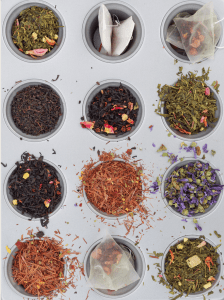
On Facebook, I recently saw an ad from The Republic of Tea, offering a free email course about tea. Tea 101: An Educational Email Series promised to deliver, over a 6 day period, information about the “nuances and complexities of premium tea”.

I’m a sucker for nuance and complexity, so I happily dove into the emails as they arrived.

Mustard and Olive Chic Lifestyle Blogger Blog Post Social Media Graphics

The lessons cover the different aspects of distinguishing between and enjoying tea. The lessons are brief and to the point, so they are perfect for busy people.

I especially enjoyed the emphasis on the fact that herbal teas aren’t true “teas” (the only true “tea” is the leaf of the camellia sinensis plant). However, the company still took time to explain the benefits of herbal “teas” and blends. I also liked the description that Republic of Tea provided, regarding the caffeine levels in varying tea varieties. It was good to see which teas provide light, medium and heavy caffeine.


health

Fibromyalgia Awareness Day

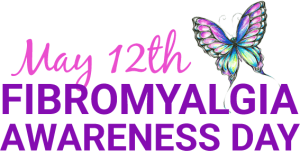
I try to bring awareness to fibromyalgia every week via my Fibro Friday posts, but I wanted to spend this Tuesday, Fibromyalgia Awareness Day, as an opportunity to share some of my insights about my condition.

32256237_1691747310917246_2687018461925736448_n

(Photo credit)

My fibro journey has been an absolute roller coaster at times. There have been some intense highs (finding occasional relief and modifying my lifestyle to make things easier for me), and some dramatic lows (which I won’t be reliving here on the blog LOL!) In any case, I’ve learned so much from this experience, and despite the discomfort, I’m thankful for this condition.

Yes, I’m thankful for fibro.

If I hadn’t been diagnosed with fibro, I would have continued to overwork myself, abuse my body through inconsistent sleeping, and deny that a deeper part of myself needed healing. My fibro forced me to slow down, learn how to really care for myself, and start taking the steps to live an authentically healthy lifestyle. Fibro led me to relocating to my dream home (which is closer to my healthcare team), find work that wasn’t mentally draining, and gave me an opportunity to spend more time at home with my family.

Mustard and Olive Chic Lifestyle Blogger Blog Post Social Media Graphics (1)

Fibro forced me to re-examine the balance within my life

Most importantly, living with fibro taught me to ask for help and to allow others to help me. I was so independent and “strong”: I never felt the need to ask for help. But now I’ve learned to rely on my wonderful support network and I can really appreciate the way that my love ones have rallied around me.

Fibro was the most painful gift I’ve ever received, and I’m grateful for it.

I can’t speak for everyone diagnosed with fibro, but as for me, I see the silver lining to this “purple cloud”. And I’m okay with how things are unfolding for me.

That’s all for today. If you know anyone suffering from fibro or another chronic illness, please send them some love today. Take care!

fitness · health

Fibro Fridays: Yoga for Fibro Relief

Happy Friday, friends! We’ve completed another week, and aren’t we happy for that? This first full week of May was pleasant, despite the fact that we’re all still adjusting to our collective new normal.

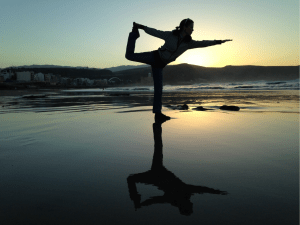
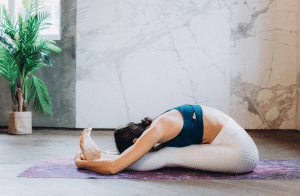
As a person managing fibromyalgia symptoms, I look for relief from multiple sources. I prefer to supplement my prescription and alternative medicine routine with physical activity that is gentle, effective and easy to do at home. For that reason, I turned to yoga tutorials on YouTube to help me to stay active and reduce physical pain.

Untitled design (5)

I’ve tried several different tutorials and I have a few that I can recommend. I hope that you can use these to get pain relief and feel better!

Firstly, Shima Flow Yoga’s Yoga for Fibromyalgia is the gentlest routine that I’ve used, and I always feel so good after I do it. It’s the perfect length (a little under 30 minutes) and doesn’t require any special equipment. I highly recommend this one!

Next, Sleepy Santosha’s Gentle Yoga for Fibromyalgia is a little longer than the previous video (a tad over 30 minutes) but is still a good one. This channel is really good because the yogi is a chronic pain sufferer, so she’s mindful of our physical limitations. I noticed that the routine is a bit more intense that the previously mentioned video, but I like that this channel does have multiple videos specifically for fibro.

Finally, when I’m pressed for time, I go to Shima Flow Yoga’s abbreviated Yoga for Fibromyalgia video. This video is less than 15 minutes and you can pace it as quickly or as slowly as you like.

Let me know if you try any of these videos, and how well they work for you. I’ll talk to you all next week. Take care, and enjoy your weekend!

beauty · life curation · luxury

Embracing Natural Beauty When You Can’t Leave Your Home

Last week, I shared a post about how I’m enjoying the natural beauty around my home. I’m fortunate to live in a suburb where I have a yard, beautiful plants, and a climate that is conducive to growing the kind of plants I enjoy.

For those that aren’t able to walk outdoors and take in natural beauty (either because of strict quarantine measures or due to living in a “concrete jungle”), I wanted to share some links to websites and YouTube channels that highlight natural beauty around the world.

My current favorite is the Keukenhof Garden in Holland. With millions of stunning tulips bulbs planted, the garden is a feast for the eyes. I’m thrilled that I can take in all of this natural beauty from the comfort of my home.


There is also the US Botanic Garden (located in Washington, DC). This incredible garden used to have many fascinating public events and was a wonderful resource for anyone interested in learning more about botany. At this time, however, you can do a virtual tour as well as many online programs. You can even do “yoga in the garden” online every Saturday during the pandemic.

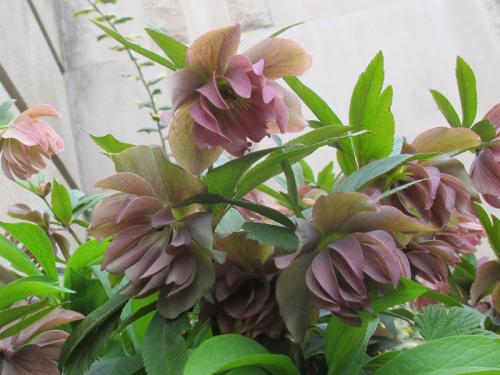
doublefloweringlentenroseusbg

(A double flowering lenten rose, from the US Botanic Garden website)

Another lovely garden that I used to visit regularly during my workday was the Enid A. Haupt Garden. This stunning pocket of serenity was my perfect place to “get away” when I needed some time to relax away from the office. I always walked around the “parterre”, though this was only a small portion of the garden.

UrninHaupt-1280x720

(A photo of one of the urns in the Haupt Garden Parterre)

In my hometown, there is an incredible botanical garden. At Lewis Ginter Botanical Gardens, it is also possible to do a virtual tour. These gardens are particularly special, because of their stunning annual butterfly exhibit.

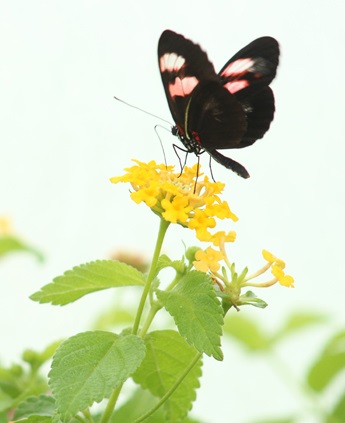
light-and-graceful-butterfly-Phuong-tran-cropped-600

(Elegant butterfly featured on the Lewis Ginter Botanic Garden website)

If your city has a public garden or other outdoor space, you can probably do a virtual tour (a quick Google search should let you know if virtual tours are available). Do you have a favorite garden to tour? Let me know all about it in the comments below!


health

Fibro Fridays: Fibro Awareness Month

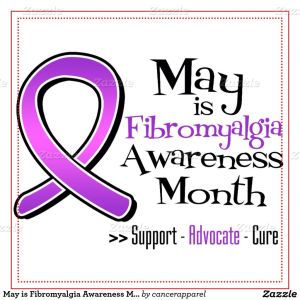
Happy Fibro Friday! As we welcome the month of May, I’m happy to share that this month is also Fibromyalgia Awareness Month. I will continue to share information about fibro every Friday, and I hope that the information I share can be used to create additional awareness around this potentially devastating condition.

mayfibromonth

(image courtesy of Zazzle)

I’ve done well with managing my symptoms and taking care of myself, but that doesn’t mean that things are perfect! No, on the contrary, I continue to learn about fibro because I’m still learning how to manage my symptoms and improve my health. I’m just glad that I’m not as negatively impacted by it as I was prior to my diagnosis.

I hope you all are healthy and safe. Enjoy your weekend, and I’ll talk to you all soon. Take care!

food · life curation

Free Online Courses for Improved Wellness

One of the pleasant side effects of our current crisis is the increased interest in improving our health through natural methods. If we can employ safe, effective natural remedies to complement conventional (Western) medical treatment, then maybe we can promote better health, improved vitality and increased longevity.

In my desire to learn more about natural remedies (as you know, I’ve been studying The Women’s Herbal Apothecary by JJ Pursell), I took to the Web to see what complimentary courses I could find to deepen my knowledge. I was delighted by what I found!

Untitled design (2)

Coursera is currently offering a five-part specialization program in Integrative Health and Medicine. Each of the five courses in this program covers a different aspect of using alternative medicine to support overall wellness. I’ve signed up for a couple of the courses because I’m very interested in what will be taught! The course will be taught by University of Minnesota professors, so you can be assured that what you will learn is akin to what may be taught in a course on campus. You can either sign up for a paid subscription to Coursera or you can audit the courses, which allows you to view the instructional material for free but does not offer a certification if you complete the assignments in a timely fashion.

Another fantastic course that I found while searching for free online alternative medicine courses is this free Introduction to Aromatherapy course offered by Aromahead. I really like the fact that this is a self-paced course, so you can complete it as you have the time available to do so. I have a small collection of essential oils so I’m excited to learn more about tapping into their power and harnessing the maximum benefit.

Finally, the American Herbalist Guild has generously provided a library of archived webinar materials for free. This may be great for you if you don’t want to commit to a full-fledged course but still want to learn more about herbs and natural remedies. I like that these concentrated teaching sessions can help you get targeted information about a specific topics. 

There are many more free online herbal and alternative medicine courses that you can find by simply doing a Google search, but these were my favorites that I wanted to share with you.

I hope you all are having a great day! Take care, and I’ll be back tomorrow.


(This post contains affiliate links)