art · international

Review: The Horse in Ancient Greek Art Exhibit at Virginia Museum of Fine Art

This summer, I spent several days at different museums taking in the exhibits. While I wrote about most of the exhibits that I enjoyed, I had a couple of exhibits that I haven’t yet discussed here. I opted to wait on this one because I thought I’d have a chance to check it out again before I left. Alas, time got away from me and I didn’t return before the last day of the exhibit. However, I have a sufficient amount of photos, and I’m familiar enough with the subject matter to do a decent post. So, let’s discuss horses in Ancient Greece, shall we?
img_4489


img_4490

Way back when I first started studying art, I took an art history course and I fell in love with Greek art. Something about the draped garments of the kore and caryatids seemed ethereal to me. I was officially in love when I first saw the Nike of Samothrace – Winged Victory – statue. Headless and armless, she still seemed so dynamic and magical and that was the kind of thing I regularly saw when I looked at Greek art. Power, motion, and magic, all bundled into singular pieces of art.
nike

Winged Victory (Nike) of Samothrace, The Louvre Paris

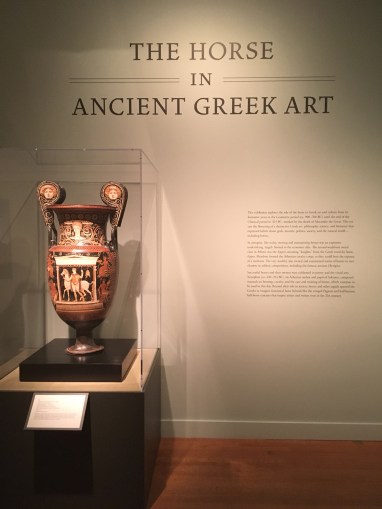
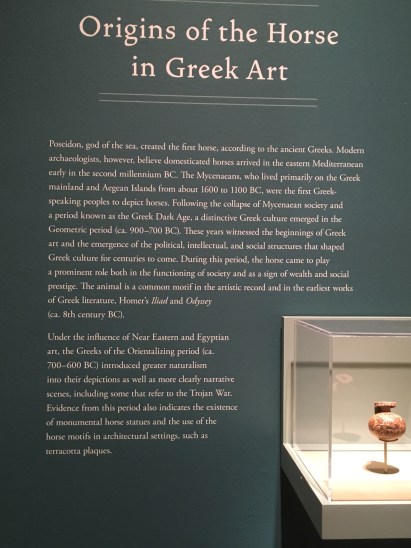
This exhibit, The Horse in Ancient Greek Art, was shown at the Virginia Museum of Fine Arts in Richmond, VA. The exhibit highlighted the horse’s significance in the social hierarchy and cultural landscape of Ancient Greece. Horses were valued possessions, and were a luxury not afforded to the average man. The cost of horse maintenance meant that only the wealthiest and most powerful people in Ancient Greece could afford to own and care for these beauties.
img_4495


The exhibit featured a lot of vases and urns, which were decorated with paintings of horses. Horses were featured prominently on coins and monumental plaques, as well. It was interesting to see how the depictions of horses changed over different historical and artistic periods.

Being a wine lover, I can appreciate any of the vessels used to hold the nectar of the gods. Naturally, I was entranced by the choes and oinochoes. The Greeks loved combining beautiful presentation with practicality just as much as we do today.

So I learned more about Greek art, the significance of horses, and the many kinds of vases in Ancient Greece. It was a great experience, and my only regret is that I didn’t visit it at least twice before it left. I seem to do this with almost every visiting exhibit – will I ever learn? Anyways, that’s all for today. I hope you all enjoy your Saturday. Talk to you tomorrow!
 

art · international

Art at the Embassy of Haiti

Hey friends! I’ve been meaning to do this post for a while, but I had some distractions on my end that prevented me from focusing for a bit. However, I’m back, I have a bit more time, and I can finally share some of the artwork that I loved at the Haitian Embassy.

img_4939

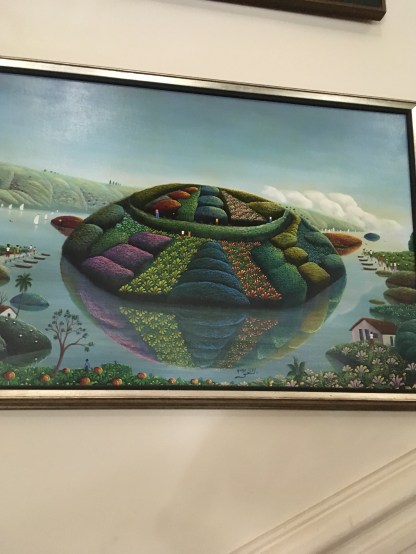
Murat Saint Vil, Islande of La Tortue

As you recall, I went to the Haitian Embassy last month, and I enjoyed a fun evening of music, food and fun personalities. While I don’t consider myself particularly social, I loved having the opportunity to get out for a bit and do something different from my ordinary routine.

Manes Descollines, Odette; Raymond Olivier, Green Light

I’ve mentioned several times before that the Haitian Embassy has an impressive art collection featuring works created by Haitian artists exclusively. The embassy is a mashup of a museum, an office, a library, and an elegant mansion. This is the kind of over-the-top grandeur that I LIVE for!

img_4942-1

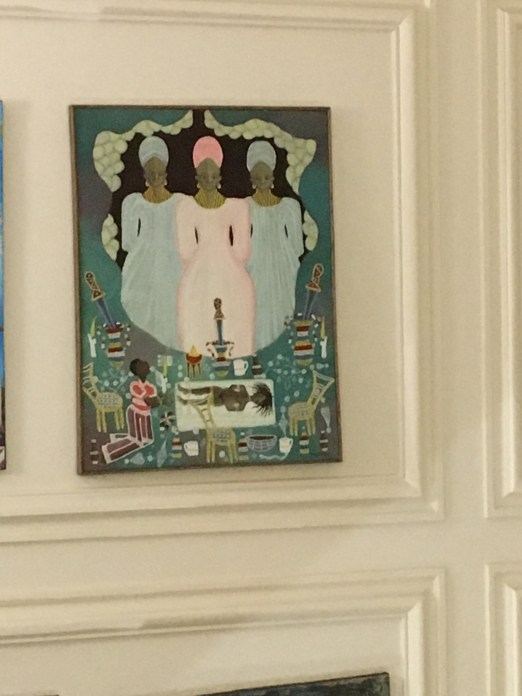
Wilson Bigaud, The Healers (1973)

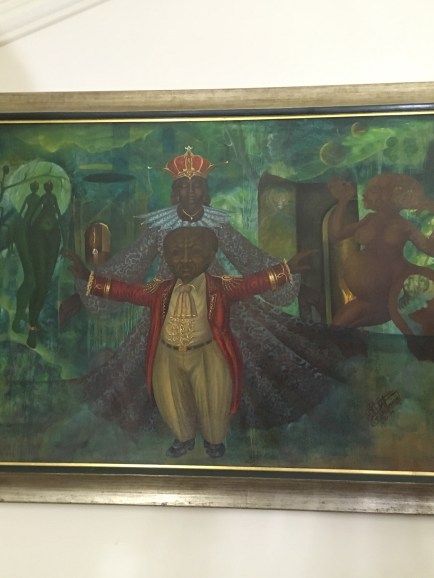
So the embassy is 3 stories high, and on the walls lining the stairwell, as well as all of the corridors, there are endless photos and paintings capturing the vibrant and beautiful energy of Haiti. I’ve visited Haiti and fell in love with the beautiful landscape and people. Visiting the embassy is the closest I can get to the island for now, and I’m thankful for it.

img_4945

Yves Michaud, And God created Women

There were so many great paintings to see, and I wish I could have had the whole day to look at them all and ask questions. Sadly, I was only there for a little while: the event was in the evening and there was so much other fun things to check out at the embassy that learning more about the artwork simply wasn’t possible.

img_4952-1

Saint Louis Blaise, Interpellation (1980)

The crown jewel of the embassy was the only known painting of the royal issue of the first king and queen of Haiti. Three of the children of King Henri I and Queen Marie-Louise are depicted in the painting. This precious and significant artwork has been in private in hands for many years and has finally made it back to the people of Haiti. It was my privilege and joy to see it in person. If you would like to know more about the painting, click here. Please disregard the mislabeling presented in the article: this is the crown prince and his sisters, not the king, queen, and one of the princesses.

img_4948

Unknown, Prince Victor-Henri, Princess Amethyste and Princess Athenaire

This is just a soupcon of the breathtaking art I saw while at the embassy. I can’t wait to return and see what new art they will have on display! I hope you all enjoy – talk to you all tomorrow!
 

art · international

My Top Picks from Christie’s Asian Art Week Auctions, Part II

Happy Wednesday, friends! This is my final Asian Art auction post, and yes, I’m discussing the second half of the auction events happening at Christie’s. These auctions are happening on September 13 and 14, which will conclude the week of Asian art-themed auctions held by Christie’s Auctions.

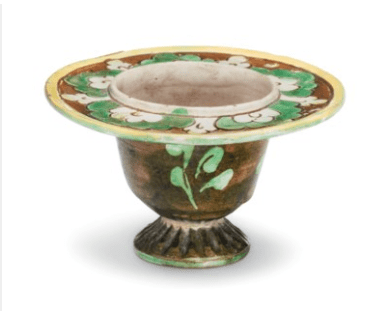
September 13 begins with Masterpieces of Cizhou Ware: The Linyushanren Collection Part IV at 10 AM. This auction is small – it’s only featuring 41 lots –  but the pieces being sold are part of an exclusive private collection featuring pieces created with a Cizhou kiln. These ceramic items were once common in the 11th to 14th centuries but are treasured now for their fine detail and enduring beauty. My favorite piece of Cizhou ware is this polychrome censer (incense burner). The polychrome factor makes it unique from most of the Cizhou ceramics, which were mostly done in black-and-white. I love the rarity and the colorfulness of this adorable piece. I don’t burn incense very often, but if I had this censer, I’m sure I would be compelled to do so more often! This little rare beauty could go for $3,500 or more to one lucky bidder.

Screenshot 2018-09-10 at 10.30.47 PM - Edited

A Very Rare Cizhou Polychrome-Glazed and Sgraffiato Censer

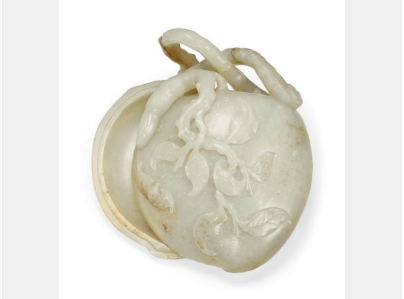
The Fine Chinese Ceramics and Works of Art is a massive auction to be held over two days – both September 13 and 14 – and will feature nearly 300 lots. Since this auction has so many pieces, you can bet that the auction will be dizzying. From this auction, my pick is the rare pale greyish-green jade “peach” box and cover. This charming little box is an unusual shade and the finely detailed carving on the box make it a true treasure. At a little less than 6 iinches across, it’s also large enough to hold some treasures, too. The estimated selling price is between $12,000 and $18,000: this will make someone very happy should they win the auction.

Screenshot 2018-09-11 at 7.39.14 PM - Edited

Rare Pale Greyish-Green Jade “Peach” Box and Cover

The showstopping auction is the Qianlong’s Precious Vessel: The Zuo Bao Yi Gui auction on September 13. This auction has one lot but it’s quite a beauty and it is estimated between $4,000,000 and $6,000,000. This vessel is over 3,000 years old and the bronze is well preserved. If there is any auction that you should attend, this is the one. This is a once-in-a-lifetime opportunity to see an item this significant be sold to the public.

Screenshot 2018-09-11 at 7.29.35 PM - Edited

The Zuo Bao Yi Gui (Early Western Dynasty, 11th – 10th BC)

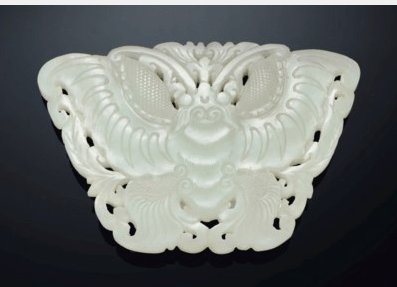
 The last auction to discuss is the Fine Chinese Jade Carvings from Private Collections on September 13. As it just so happens, I love jade and selecting just one item from the 107 lots available was a tough task. My choice was made a bit easier when I laid my eyes on the White Jade Butterfly Plaque. The impeccably preserved plaque has lots of fine carving and the milky colored-jade catches the light beautifully. The lovely butterfly has an estimate of $4,000 – $6,000. 

Screenshot 2018-09-11 at 7.32.21 PM - Edited

White Jade Butterfly Plaque (18th – 19th Century)

Well, that concludes Asian Art Auction week’s top picks. I hope you get a chance to view some of the auctions scheduled and see what items you are drawn to. You can learn a lot about yourself – and art in general – just by listening to your personal tastes and exploring those notions, hunches and inklings further.

Take care, and I’ll talk to you all tomorrow!

art · culture

When Maturity Was Valued

A couple of weeks ago, I gave an abbreviated review of Nasher Museum in Durham, NC. I mentioned in that post that I was considering doing a separate post about a particular exhibit that caught my eye. Well, I had a moment to really process what I saw, and I want to share my thoughts with you here.

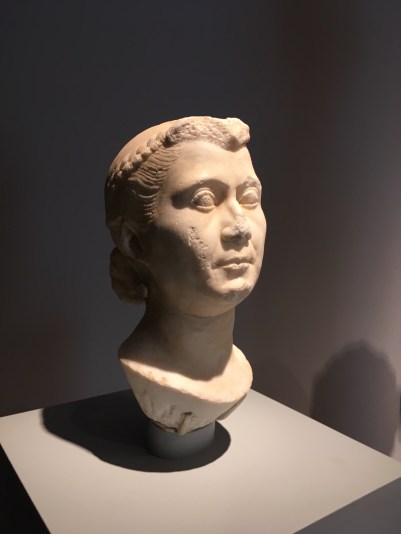
I want you all to take a good look at the marble bust below.

This is a bust of a Roman matron, sculpted sometime between 40 and 30 BCE. She’s poised, stately and undeniably mature. The sculptor didn’t attempt to depict this woman as a youthful maiden or an adorable waif. This likeness captured is that of an adult woman, self-possessed and satisfied with her position in life.

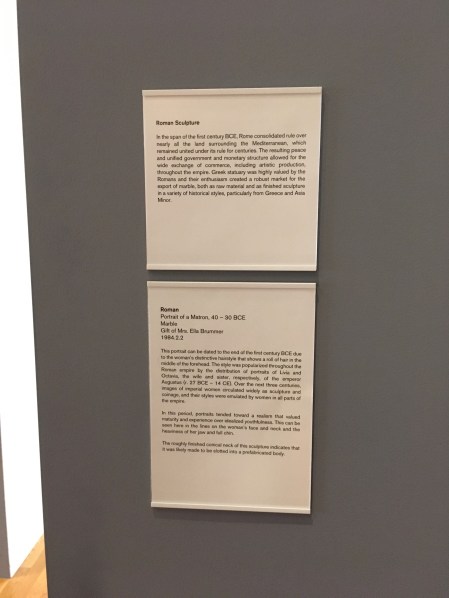
What really struck me is the caption next to the bust. The museum described this period of art as being one where “portraits tended toward a realism that valued maturity and experience over idealized youthfulness”.  I looked in awe at this woman that was able to enjoy her maturity being captured in marble and I thought to myself, “When did things change?”

I know that every adult was once young, and there are many beautiful things about youth. But I wonder why we spend so much time idealizing youth, both in art and culture. Is it because the fleeting nature of it is akin to the scarcity factor that fuels the supply/demand concept that we learned so well in those college economics courses? Is it because life’s disappointments make us long for the days before we knew the troubles that laid ahead for us? Is it because we wish for some of the fearlessness that we once knew but had to trade in for the “seriousness” of adulthood?

I’m not exactly sure when youth became the ideal, but I long for a time when we return to reverence for maturity. After all, the average person spends way more years as a mature adult than as an inexperienced youth, and if you have experience, you can make wiser choices that lead to a happier life. Even though I’ve had my share of disappointments and frustration, I can honestly say that I’ve enjoyed my 30s far more than my 20s, and once I get to my 40s, I’m sure my life will be even better.

I can’t change an entire culture that worships youth, but I can share this lovely bust with you, and encourage you to see the beauty in being aged, experienced and (hopefully) wise.

That’s it for today. Have a great afternoon, and take care!
art

Review: Philadelphia Museum of Art, Part 2

Happy Friday, friends! There’s not a whole lot to say, especially if you’ve seen Part 1 of this review (you can view Part 1 here). I’ll stick to sharing photos that you all haven’t already seen and providing a little commentary.

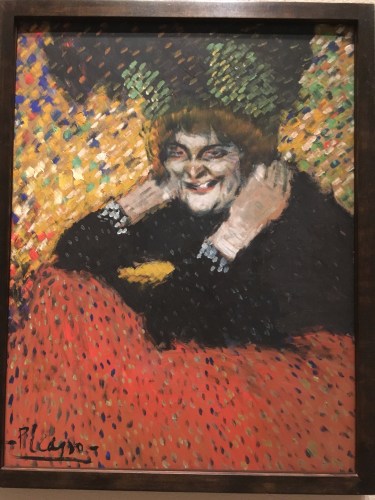
I saw a few Pablo Picasso works that I’d never seen before. I’m so accustomed to seeing his Cubist works that I forget that he didn’t always work with abstract figures. Earlier in his career, he worked with Impressionist techniques, as you can see in the paintings below.

Head of a Woman, Pablo Picassso (1901)

img_4077-3

Old Woman (Woman with Gloves), Pablo Picasso (1901)

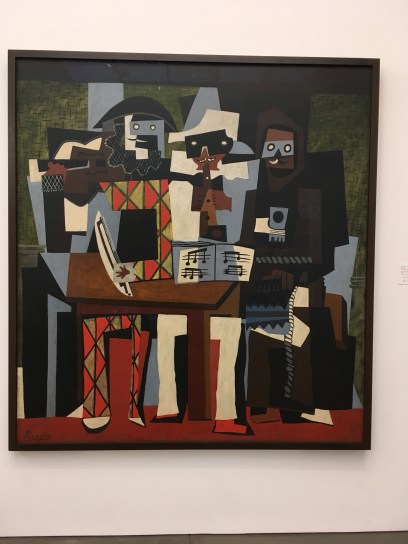
This is the style we know and love from Picasso:

img_4087-3

Three Musicians, Pablo Picasso (1921)

I always have loved Pierre-Auguste Renoir, another Impressionist. His photos are both timeless and beautiful. This is a tender portrait of his beloved wife and favorite model, Aline Charigot Renoir.

Portrait of Madame Renoir, Pierre-Auguste Renoir (1885)

This sweet-faced little girl was the daughter of an art dealer friend of Renoir’s.

img_4070-3

Portrait of Mademoiselle Legrand, Pierre-Auguste Renoir (1875)

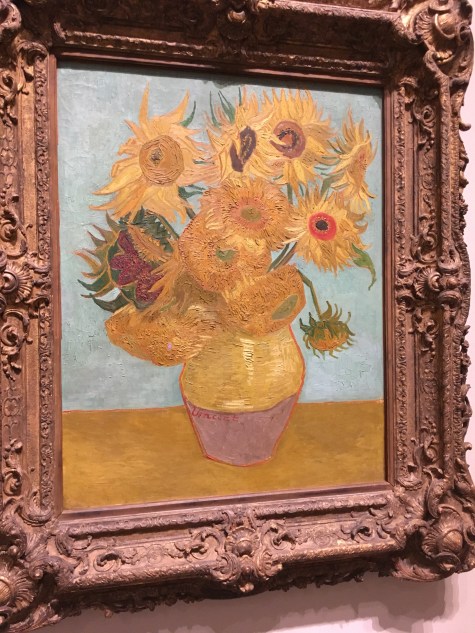
Vincent Van Gogh’s Sunflowers are a great example of post-Impressionist work: it features thick paint, more vivid color selection and slightly distorted forms. The work is paradoxical: it’s a still life but the technique used by Van Gogh gives it a feeling of movement and dynamism. This work inspired Faith Ringgold’s The Sunflower Quilting Bee at Arles, which is also at the Philadelphia Museum of Art (I missed it on this trip, but I’ll be sure to catch it next time!) Ringgold even inserts Van Gogh into her work! You can view Ringgold’s work here.

img_4083-3

Sunflowers, Vincent Van Gogh (1888 or 1889)

Lastly, I was drawn in by the beautifully serene expression on the subject’s face. She looks like she was briefly interrupted while concentrating on her embroidery. She’s still thinking about her design and this is just moments before her attention is completed diverted away from her handicraft. I love how Mary Cassatt has caught this fleeting moment.

img_4075-4

Mary Ellison Embroidering, Mary Cassatt (1877)

I can’t wait to return to the museum to see some more artwork and to take lots of photos for you all! Talk to you all tomorrow.


art

Meta Warrick Fuller and Lois Mailou Jones: Let’s Honor Them Both!

It’s my pleasure to honor two talented Black women artists on this day. On June 9, 1877, Meta Vaux Warrick Fuller, a gifted sculptress of Black descent was born. On June 9, 1998, Lois Maillou Jones, Black painter and teacher extraordinaire, died in Washington, DC. Because this day is full of Black Girl Artist Magic (yes, I’m tweaking the #BlackGirlMagic hashtag for my purposes), I wanted to talk a bit more about these remarkable women.

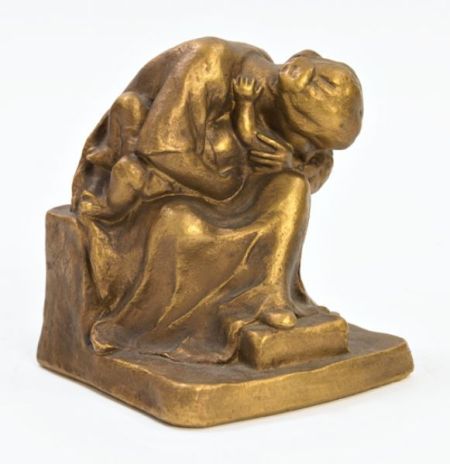
motherandchild

Mother and Child by Meta Warrick Fuller (1962)

Both Meta and Lois spent time in France during the early half of the 20th century. Europe, generally speaking, was a friendlier environment for American Blacks, and it was easier to study in European ateliers than to attempt to integrate White studios in the US. Meta began at Academie Colarossi but eventually studied under Auguste Rodin, while Lois studied as part of a fellowship with Academie Julian.

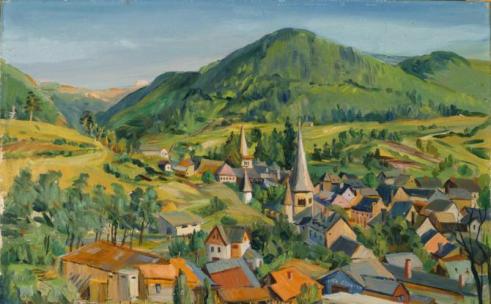
jones_arreauhautespyrenees

Arreau, Hautes-Pyrénée by Loïs Mailou Jones (1949)

Meta was a sculptress and used her talent to create works that captured her frustration with the treatment of Blacks in America. She explored themes such as despair and melancholy, but also touched on religious devotion and hopefulness. Meta drew upon historical accounts to sculpt some of her heartrending works. She worked primarily in bronze or plaster, and created an impressive body of work during her career. Many of her pieces are exhibited at the Danforth Museum, making it easy for anyone interested in exploring her oeuvre to view a wide variety of her pieces in one location.

pinterest1

Story Time by Meta Warrick Fuller (year unknown)

She received many accolades during her lifetime but fell into obscurity for several years after her death. Toward the end of the 20th century, there was renewed interest in her work, and she is finally becoming a key figure in today’s discussions on American sculptors.

Screenshot 2018-06-06 at 6.54.21 PM - Edited.png

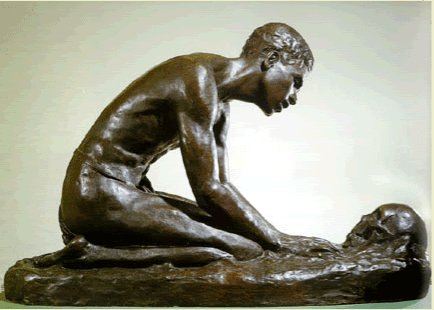
Talking Skull by Meta Warrick Fuller (1937)

Lois, on the other hand, started out as a teacher but never gave up her dream to be an artist in her own right. She taught for over 40 years and eventually retired from the profession, while establishing herself as an artist of note. She drew inspiration from her international travels, including time spent in Haiti.

loisjones

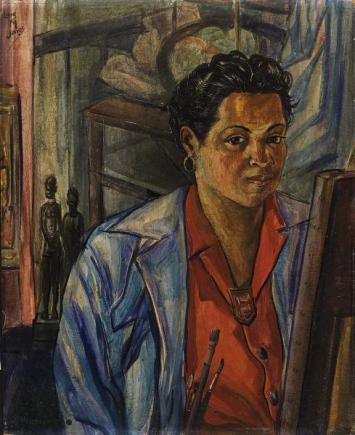
Self Portrait by Lois Mailou Jones (1940)

These women led similar lives in several ways. Aside from both spending time studying in Paris, both Meta and Lois benefited from having White supporters during the early phases of their careers. Samuel Bing sponsored an exhibition for Meta, while Celine Marie Tabary often submitted Lois’s work to circumvent racist art competition policies that prevented Black Americans from competing.

2.2.2.x-collection-detail-jones-ode_to_kinshasa_0

Ode to Kinshasa by Lois Mailou Jones (1972)

Though I’m not an artist, I am tremendously thankful for the fact that both Meta Warrick Fuller and Lois Maillou Jones shared their talents with the world. Their contributions added richly to the fabric and legacy of American art. May their work remind us – in perpetuity – of the importance of Black art!

(Photos courtesy of Pinterest, National Museum of Women in the Arts, Preston Joy blog, and Smithsonian American Art Museum)

art

Spotlight on Monet

Happy Monday, beloveds! Can you believe it’s almost been a whole month since I went to Philadelphia? That trip, which was mainly for the purpose of attending my first Freeman’s auction, was a lot of fun, and a great “break” in the monotony of my day-to-day life.

While at the Philadelphia Museum of Art, I made sure to tour the European art wing, because I’d be experiencing a bit of a deficit. The museum nearest to me, Virginia Museum of Fine Arts, has an incredible European art collection featuring impressionist works by Claude Monet and Edgar Degas. However, the Monet and Degas works are on an international tour and won’t be returning to VMFA until 2020.

img_4085

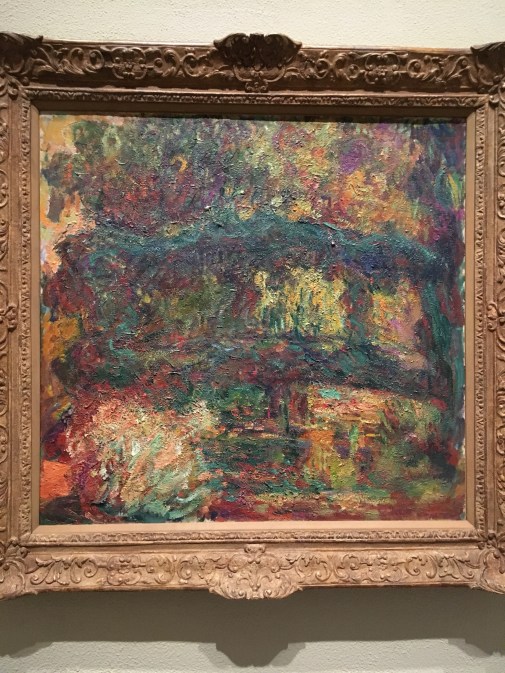
The Japanese Footbridge and the Water Lily Pond, Giverny (Monet, 1899)

So, as you can imagine, I was excited when I saw some Monet works in Philadelphia. I got to enjoy different versions of his Water Lilies series. I love both versions that I saw: the painting that has deeper tones feels more dynamic and calls to mind a scene from a lake during the autumn season. On the other hand, the painting with the lighter colors evokes warmer weather and the freshness of spring and summer.

img_4081

Water Lilies, Japanese Footbridge (Monet, 1918-2916)

What I love most about Monet is the thing he is known for: impressionism is one of my favorite art movements. The gentle intermingling of colors (the result of applying wet paint to wet paint), the way that light is captured, and the softness of nature all speak to me in indescribable ways. Monet’s depictions of his environment make me want to experience Giverny (the commune where Monet spent more than 40 years) in person.

Ah, how I enjoyed these! I’m excited to check out more of Monet’s work at the National Gallery of Art this summer. The museum currently has 16 of his works on view, and I plan to check out each of them!

art · travel

Review: Philadelphia Museum of Art, Part 1

No trip to Philadelphia would be complete without a trip to the Philadelphia Museum of Art. This two story incredible museum has many treasures, but is probably best know for the exterior stairs that were featured in the infamous scene of the movie “Rocky”, where Sylvester Stallone does his boxing training by running up and down the steps.

If you want to run up the steps, help yourself, but once you get to the top of the staircase, be sure to go into the museum and buy a ticket, then take a leisurely stroll through the corridors as you soak up the rich art history around you.

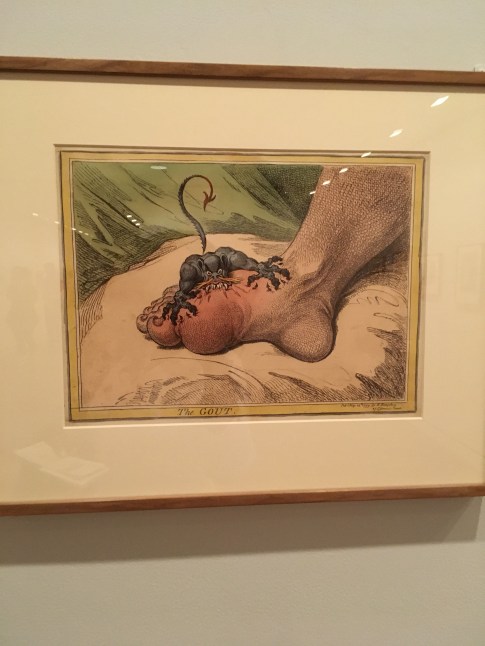
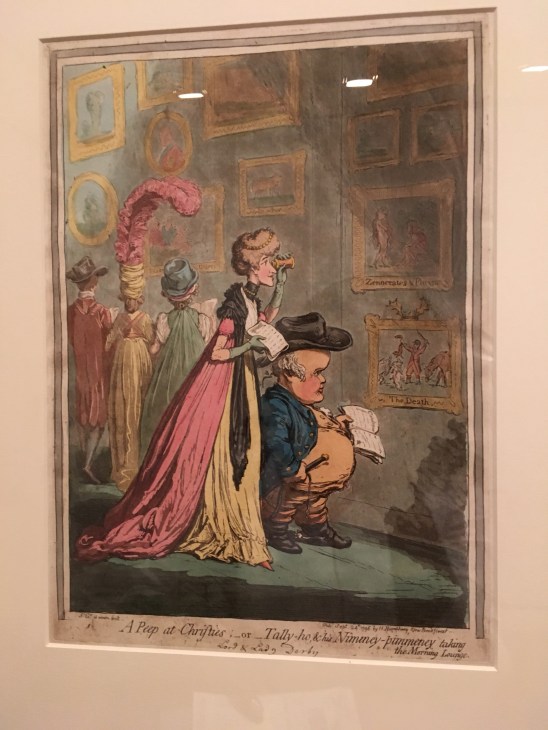
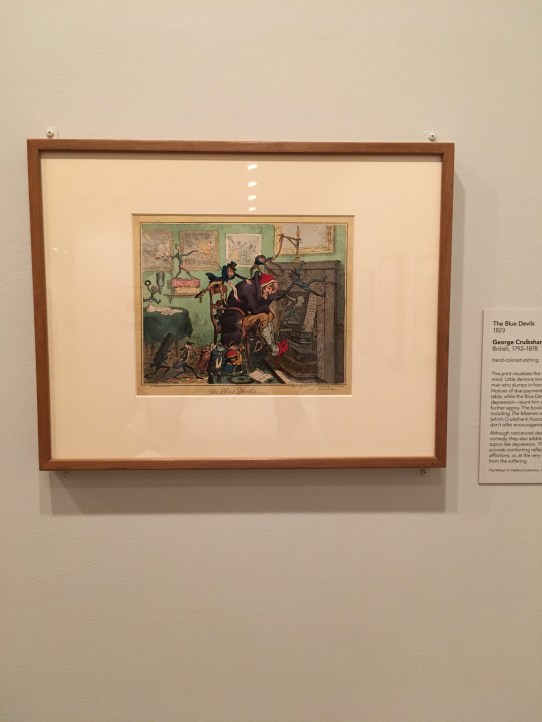
I’m breaking my photos into two or three separate posts, because it takes a bit of time to write up the artist information under each picture. I’m also a little disappointed that I only got to view the bottom level of the museum: on this trip, time was not on my side. But that’s okay, because I plan to return. And when I do, I’ll have more time. In this post, I’ll share the most humorous pieces from the “Biting Wit and Brazen Folly: British Satirical Prints, 1780s–1830s” exhibit“Biting Wit and Brazen Folly: British Satirical Prints, 1780s–1830s” exhibit, on display until August 22.

I’m delighted to also mention that my ticket was complimentary because I am a member of the Virginia Museum of Fine Arts at the Partner Level (you can also get reciprocal privileges at several major metropolitan museums, as well as the North American Reciprocal Membership and Reciprocal Organization of Associated Museums, at the Supporters level).

img_4094

The museum exterior

Statue outside of the Philadelphia Museum of Art

img_4062

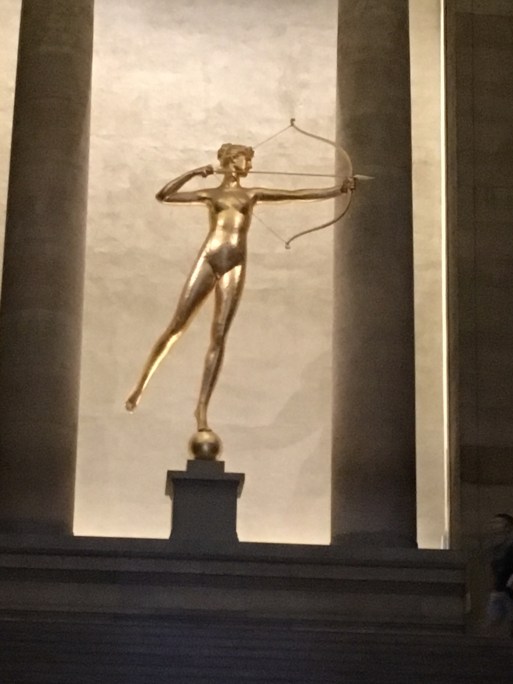
The famous Diana statue inside the museum

img_4057

The Gout by James Gillray

img_4059

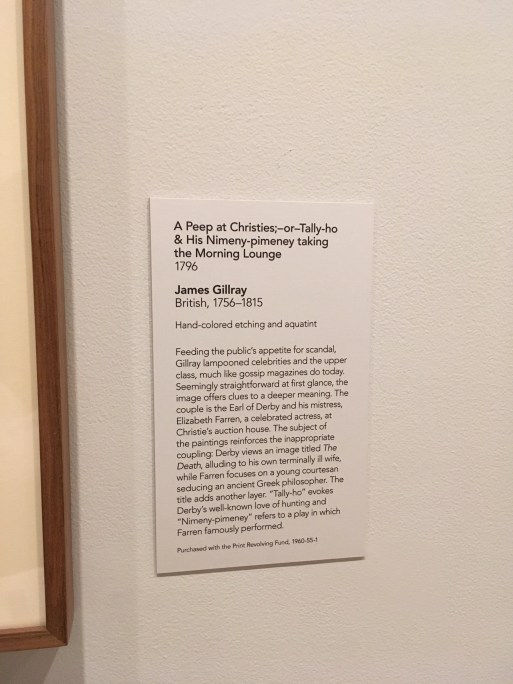
A Peep at Christies or Tally-ho & His Nimeny-pimeney taking the Morning Lounge by James Gillray

img_4060

The description next to A Peep at Christies was almost as interesting as the cartoon itself!

img_4055

The Blue Devils by George Cruikshank

img_4056

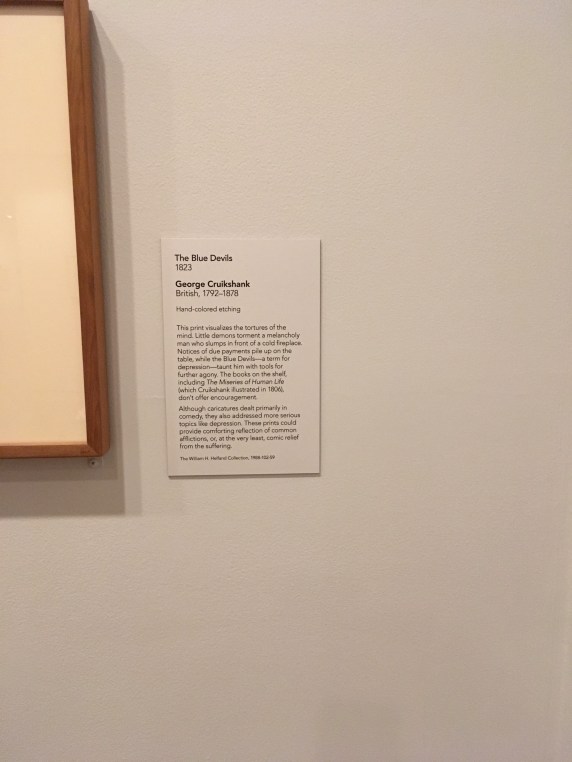
An explanation of what the “blue devils” are

Look out for more photos from my day at Philadelphia Museum of Art in the upcoming days. Enjoy!

art

Art Auction: Art from Africa, Oceania and the Americas

I hadn’t recently posted about any auctions (partially because I’ve been working on a juicy post all about auctions just for you all!) but I came across this one and I had to share.

Screenshot 2018-05-06 at 1.41.43 AM - Edited

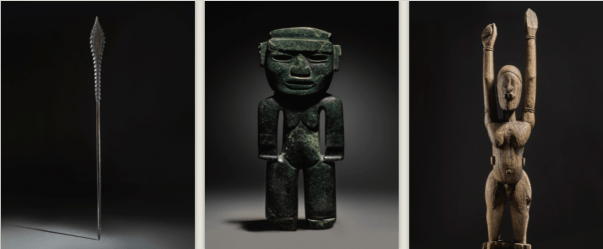
Some of the lots offered at Sotheby’s upcoming auction

Sotheby’s is auctioning off some extraordinary art from Africa, Oceania and the Americas (specifically, ancient Mesoamerica and North America). These lots are not just decorative objects: they are ancient artifacts that bridge the collector to faraway (both in the sense of time and distance) worlds.

Screenshot 2018-05-06 at 1.37.03 AM - Edited

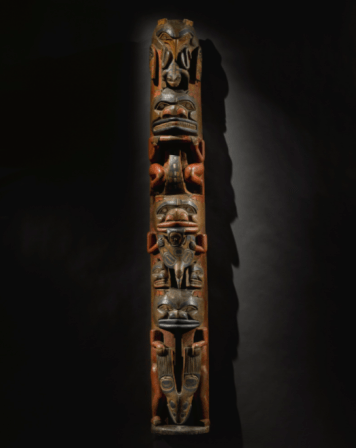
This totem pole from southeast Alaska is estimated to command up to $350,000 at auction

The auction features 90 lots, expected to fetch from $2,000 on the lower end to upwards of $350,000. This wide range of estimated selling prices guarantees that this auction will attract a variety of collectors.

Screenshot 2018-05-06 at 1.48.20 AM - Edited

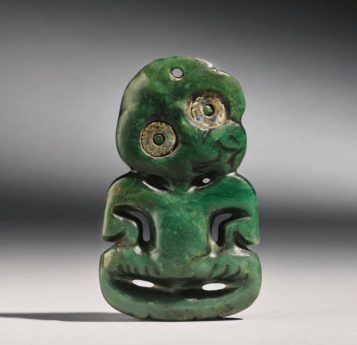
 A Maori nephrite pendant is estimated to command a price upwards of $50,000

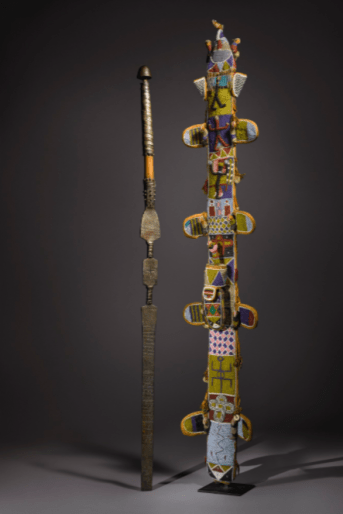
My favorite piece of the auction is the Yoruba Altar Emblem from Nigeria. It isn’t the most expensive piece of this auction, but the colorful detailing, as well as the connection to the orishas, fascinates me.

Screenshot 2018-05-06 at 1.38.48 AM - Edited

Yoruba Altar Emblem for Oko, Nigeria

The event will be held on May 14 at 10:30 AM, at Sotheby’s New York location (1334 York Avenue, New York, NY). All items can be viewed prior to the sale (10 AM to 5 PM Monday – Saturday, 1 PM to 5 PM on Sunday) so that you can experience these artifacts in person.

art · life curation

5 Lessons from Amy Sherald, An American Success Story

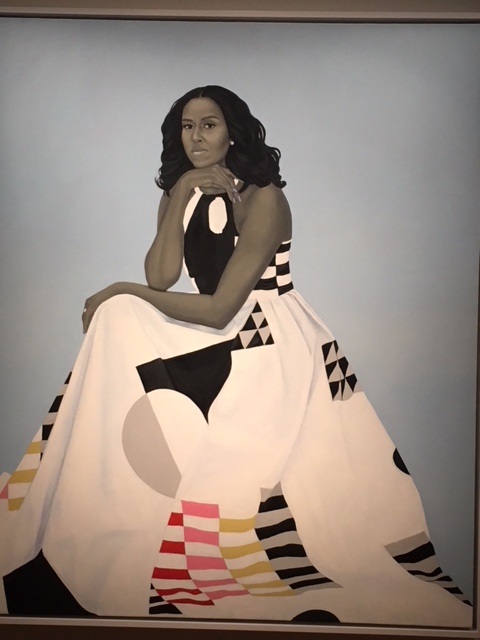
A few months back, the official portrait of former First Lady Michelle Obama was unveiled and put on display at the National Portrait Gallery. The painter, Amy Sherald, quickly became a household name, as her unique portraiture captivated art appreciators and stirred discussion on what makes an “acceptable” political portrait.

IMG_3678

Michelle Obama as portrayed by Amy Sherald (I took this photo a few weeks ago)

But today, I’m not talking about whether Sherald’s painting was aesthetically pleasing or suitable for a First Lady (though, after seeing it in person, I agree that it is both beautiful and a fitting tribute to Mrs. Obama). I want to talk about Sherald and what makes her the ultimate American success story. Here are five lessons we can learn from Amy Sherald:

  • Be committed to your craft.

Sherald studied art in her undergraduate and graduate years. Before committing to art school, she practiced her craft daily and participated in arts camps during the summer. Much like Sherald, if you want success, you have to be committed to your craft

  • Seize as many opportunities as you possibly can.

Sherald apprenticed for art historians, curated for museums abroad, and she also lived and studied in Norway, China and Panama. She didn’t let distance keep her from seizing opportunities that brought her closer to her dream. Likewise, the opportunities we need are rarely in our own backyard: we have to seize them wherever they are, even if that takes us around the world and away from everything familiar.

  • Don’t allow discouragement to distract you.

Despite Sherald’s immense talent, her family wasn’t particularly supportive of her decision to be a full-time artist. In fact, it wasn’t until she won the Outwin Boochever Portrait Competition that her mother view art as a viable career for Amy. Our loved ones mean well, but we may have to “tune out” their well-meaning advice that doesn’t bring us closer to what we want.

  • Be courageous enough to choose discomfort in service to your vision.

Sherald herself mentioned that she chose “discomfort” in order to create art that inspires. Discomfort means that we sacrifice certainty for the possibility of realizing our highest selves. Try a little discomfort to help you make strides toward your goal.

  • It’s never too late to be what you envision yourself to be.

Sherald was 42 when she won the Outwin Boochever Portrait Competition. Dreams aren’t just for the young and wide-eyed: consistency and focus will bring you the success you desire, even if it’s a little later than you expected. By consistently following the previously mentioned steps, you’ll be prepared for your “big break” whenever it comes along.

Have you had a chance to check out Amy Sherald’s work? Let me know in the comments below!