Back in 2013, I took my first trip to Texas. I visited my former in-laws nearby Houston, and then we went to Crowley, LA for the Rice Festival. I wish I had taken more photos, but I never knew that I’d be adding these photos to a blog post one day. I also didn’t know that I would be divorced and traveling to Texas would no longer be a normal occurrence. However, the time was fun, and I look back fondly on this trip. I’m happy to share the photos that I have. Enjoy!
I’m so excited to share that my book got an unexpected endo
rsement! I wrote and self-published my first book last year (I wrote about it here and followed up with more information in this post) and I was pleased to make a few sales. I wrote about a very niche topic (receiving college credits using equivalency tests) so I didn’t expect that my book would have much “reach”.
Mrs. Sayles is absolutely inspirational in every way. Her guidance in her many books has been crucial in my journey toward living a beautiful, enjoyable life. In particular, her book “Writer’s Block is a Crock! Write a Book in 3 Weeks – Or Less!” was instrumental to completing my manuscript and self-publishing. I didn’t finish the book in 3 weeks – after all, it was a leisure project – but the strategies listed in the book absolutely work if you are committed to the process. I am still in awe of how thorough Mrs. Sayles’s work is, and how useful it is for aspiring authors.
Ginie Sayles, Writer’s Block is a Crock! Write a Book in 3 Weeks – Or Less!
To commemorate this delightful, unexpected endorsement, I’m reducing the price of both the printed and Kindle version of my book. Also, the book has always been, and will continue to be, within Kindle’s Lending Library, so you can borrow it for free within the Kindle system. I wholeheartedly believe in providing this information for an affordable price and keeping the book as accessible as possible.
That’s my good news for this Wednesday! I hope you all are doing great and staying safe. Take care, adn I’ll talk to you all tomorrow.
If you enjoy tea as much as I do, you will probably find yourself with quite a tea collection at some point. It’s also inevitable that, the more teas you try, the more likely you are to come across a tea that you don’t enjoy. Whether it’s too bland, too bitter, too strong, or just not very tasty, getting a tea that you don’t enjoy drinking is always a bit disappointing. And let’s face it: some of us just don’t enjoy the flavor of tea.
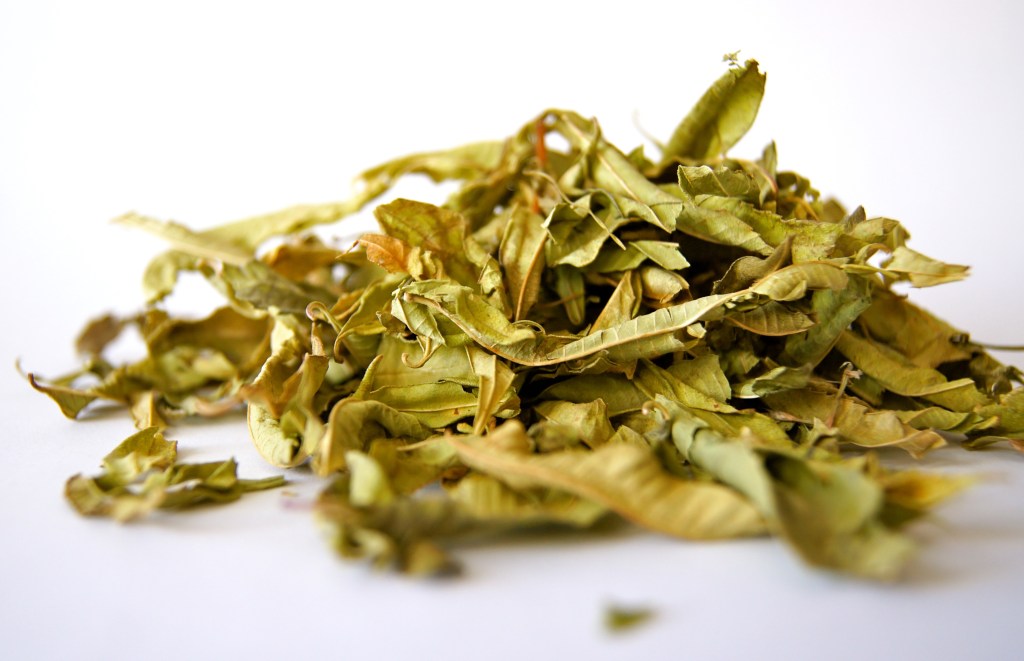
That being said, I have good news! All hope isn’t lost when you purchase a “dud” tea, or when you find yourself the proud owner of a tea that you won’t be drinking (whether you purchased it or it was gifted to you). In fact, it’s possible to use tea in quite a few different ways around your home and within your beauty routine. Of course, you’ll want to pay attention to the ingredients: certain teas shouldn’t be used near your eyes or allowed to sit on the skin unless you don’t mind having some discomfort (“hotter” tea ingredients, like ginger and cayenne come to mind). As always, use wisdom and discretion with any of these recommendations.
Without further ado, here are five ways that you can re-purpose tea leaves. Enjoy!
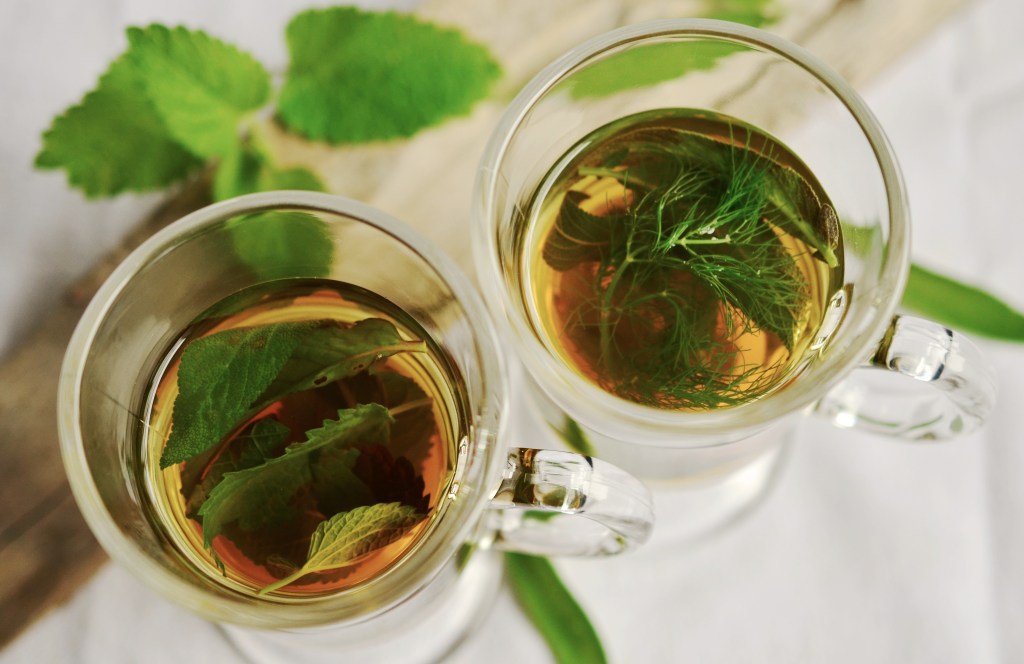
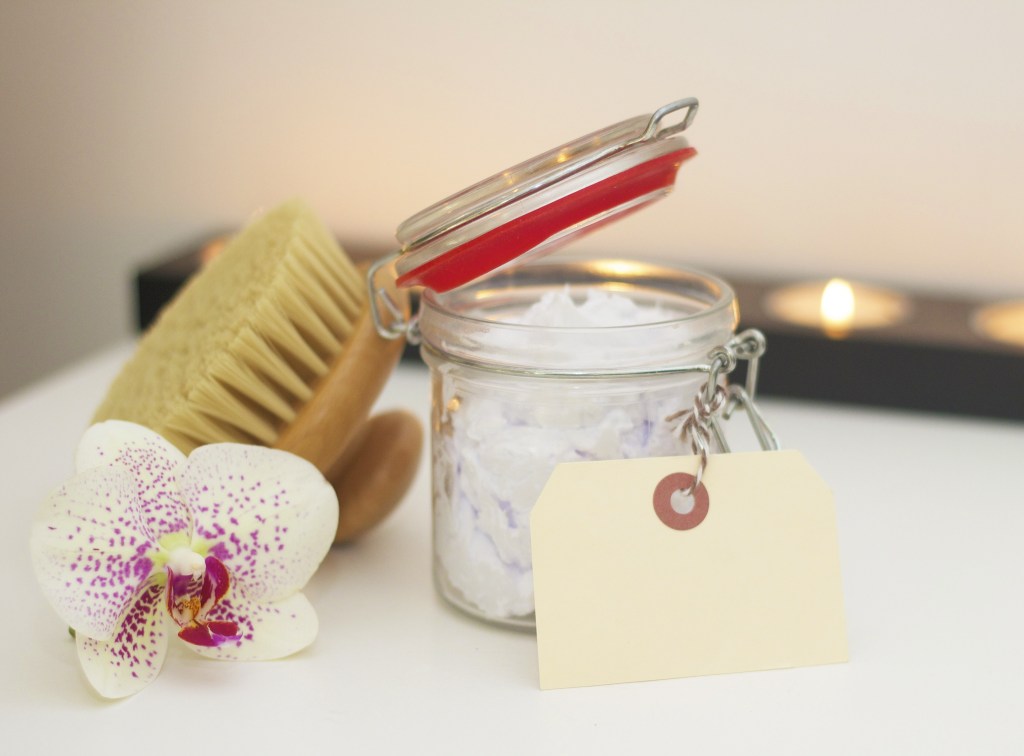
Bath/bath bomb additive – If you make bath bombs (like I do), you can add some dry tea leaves to your recipe before you put the mixture into molds. It adds a little additional fragrance and beauty to your bath bombs. If you don’t make bath bombs, you can always just add the leaves directly to your bath. Certain teas, like mint and lemon balm, have invigorating scents and can be a refreshing addition to your bath. These teas can also be mixed with epsom salt for an especially relaxing soak.
Herbal facial steam – Similar to baths, you can use tea to make an herbal facial steam. Some teas (like rose and lavender) are known for their relaxing and beautifying properties. Do a little research on your tea and see if the ingredients are suitable for a face steam. Keep in mind, simple black, green or white teas (without added herbs or florals) are perfectly fine for most skin types. Of course, always proceed with caution, even when using “safe” teas.
Face tonic – Just like herbal facial steams, you can steep the tea in hot water then use it as a toner. Camellia sinensis (the scientific name for tea) is generally considered an astringent natural product. The tannins in it constricts body tissue, making it perfect for pore-tightening and giving the face a very toned appearance. The higher the amount of tannins (generally, these are more numerous in cheaper teas), the more astringent the tea will be. Try using a full strength tea tonic on your skin, then, if you find it is too strong, add water to reduce the potency.
Oil infusion – This is actually my favorite way to use teas that I don’t want to drink. Infusing tea into oil can create a luxurious natural product that can either be applied to the skin, the hair, or added to vinegar or another acidic item (like lemon juice) to make dressing. Infusions are simple: add herbs to as many ounces of oil that you want, let it sit in a dark (preferably cool) area for at least four weeks, and shake the mixture occasionally. Personally, I love adding inexpensive chamomile tea and other herbs to coconut or olive oil, then letting them infuse over a month or two. Once these are infused, I strain the oil, put it in a lovely bottle, then apply it to my hair and skin.
Hair rinse – Certain teas are great for rinsing the hair. You brew the tea as normal, then pour the cooled tea onto the hair after shampooing and conditioning. Chamomile is great for lighter colored hair, while sage is fantastic for dark hair. Also, teas that contain rosemary and lavender can be beneficial for dry, itchy scalp, so keep that in mind. You can also just add dried rosemary and/or lavender to the tea that you’re brewing, then you get the added benefit of those herbs for scalp health.
These are some of my favorite ways to use teas that aren’t so tasty. Do you have any recommendations for re-purposing tea leaves? I’d love to hear about it in the comments below!
Happy Monday, friends! I hope you all had an amazing weekend and feel rested and replenished, fully ready to embrace the week ahead.
One of the things that I’ve noticed and praised during the COVID-19 outbreak is the emphasis on fastidious cleanliness (YAY!) and encouragement to wash our hands more frequently than ever. As an enthusiastic hand-washer, this was much of the same for me. But I did have to change my hand soap because some of my favorite brands were often sold out whenever I went to the store. I found that these alternative soap options left my hands much drier than normal.
So it’s been my goal to offset the drying effects of my hand-washing routine while still maintaining the frequency of hand cleansing. I’ve gotten a very effective regimen in place that is easy and relatively inexpensive, and it has left my hands soft and lovely and no longer ravaged!
When washing my hands in the kitchen, I do an initial wash with soap, then I apply a vegetable cooking oil (usually olive oil, though it can be coconut oil or corn oil, depending on what’s closest to the sink) lightly to my hands, then wash one more time. Yes, I end up washing my hands twice and using a little oil in the process, but I find that the second wash removes just enough excess oil to keep from having extra-slippery hands.
When washing my hands in the bathroom, I do something similar, except I use coconut oil almost exclusively (a little more about that in a moment). Initial wash, apply coconut oil lightly, then wash again. It takes a few more moments but I love how soft my hands feel after the second wash. Of course, if your hands are especially dry, you can always skip the second wash and leave the oil to soak into your skin. However, I actually hate the feel of oil on my palms, but I don’t want to miss out on the benefits of replenishing moisture of the skin on the back of my hands, so the second wash is necessary for me.
I mentioned that I keep coconut oil on each of my bathroom vanities, but there is another oil that I use whenever I need extra moisture on my hands. I always apply pure Vitamin E oil to the back of my hands when the skin is particularly dry and sensitive. I don’t apply it to my palms (again, I don’t like the feeling of oil on my palms), but the back of my hands LOVE Vitamin E oil, and if I’ve been slacking on my hand-oiling routine, Vitamin E can quickly restore my skin back to health.
This is my personal favorite Vitamin E Oil brand
This is my quick tips to care for hands that have been ravaged by frequent hand washing. I hope this helps any of you that are trying to care for your skin!
Happy Friday, friends! Today’s post is one that I’ve been eager to write, because I feel that explaining this (from the perspective of someone living with fibromyalgia) may give a little clarity to others that are struggling with their diagnosis, or may help people that are unfamiliar with the condition to better understand why there is no easy “fix” for fibro.
Whenever you try to learn about fibromyalgia online or directly from a medical professional, there is generally a lack of consensus on the causes of the condition. The condition is treated as a bit of a “catch-all” category for a set of uncomfortable (to the point of painful) symptoms. This “catch-all” designation is one reason why there are still some medical professionals that continue to deny the existence of fibro (I already wrote a post touching on this topic).
In any case, the overall lack of understanding behind the WHY of fibro leaves a lot of questions regarding the HOW of treatment. Different root causes call for different treatment protocol. However, fibromyalgia can be linked to muscular, nervous and even digestive malfunctions, so most treatment is, at best, akin to a game of darts. Medical professionals will try to hit the “bullseye”, and many treatments can offer a level of relief, but it seems that no one has hit the “bullseye” of fibromyalgia – YET.
Prescription medication is one treatment option for fibromyalgia
There are many researchers that are getting closer to an agreed-upon definition of fibromyalgia, including its root causes. However, until consensus is achieved, we have an assortment of treatments that can be explored and that may have varying levels of effectiveness. Many of the most popular treatments include physical therapy, aquatic therapy, acupuncture, prescribed medication, nutritional supplements, lifestyle overhaul and lots of intentional self care (which is, by far, usually the most effective treatment [maybe I’ll write more about this in the future]), chiropractic care, etc.,. The trick to managing the symptoms is finding the perfect cocktail of treatments, along with having an excellent support system and medical team in your corner.
Well friends, that’s it for this Fibro Friday! I hope you all have a great weekend, and I’ll talk to you on Monday. Take care!
Nearly ten (!) years ago, I went to Indianapolis, Indiana to train for my previous job as a international tax auditor (that’s another story for another day . . . ). I was there for several weeks and I enjoyed exploring the city on foot during my down time. I have always wanted to return to the city, especially since I enjoy live sporting events and would love to attend a Pacers game. Maybe I’ll return when COVID-19 is no longer a threat. Until then, here are some of my photos from that trip. Enjoy!
Views from my hotel room in IndyLucas Oil Stadium (where the Colts play)My room at the MarriottAnother view of my roomWhen I return, I’ll visitFountain near my hotelThe Circle, downtown IndyCapital Building
At the beginning of the COVID-19 outbreak earlier this year, many of us were stunned to hear that Sephora, one of the largest and most popular beauty retailers in the US, unceremoniously laid off more than 3,000 employees. However, it wasn’t the act of laying off the employees that was shocking (many other retailers had done the same and, with so many stores closing during this period, many anticipated that layoffs and furloughs would happen). What was distasteful about the action was how it was done: Sephora released the employees during a conference call, and were provided less than one hour’s notice before the call occurred.
This mass layoff created some bad PR for Sephora, and I wondered if the company could redeem itself. After all, many businesses are finding that dominating in a particular industry does not make them immune to criticism from and rejection by previously loyal customers. Brand loyalty is a fickle animal and any missteps could result in major losses over the long term.
Only time will tell whether Sephora will redeem itself from this PR nightmare. The company has a history of supporting various social causes and has a culture that encourages inclusion and acceptance of all people. So perhaps the established goodwill of the company can help it ride the wave of criticism related to this mass layoff. I’ll keep any eye on things over on their Sephora Stands website and see what happens. I guess we’ll just have to wait and see!
Since becoming a homeowner last year, I’ve spent a lot of time getting to know my home and yard. I enjoy the flowers that the previous owner planted, and I find so much pleasure in sitting in my morning room and looking at the woods beyond my backyard, where I can catch glimpses of rabbits, various beautiful birds, and occasionally deer.
Prior to moving here, I assumed that weeds were the bane of most homeowners. After all, weeds were usually unsightly, absorbed nutrients that could have been utilized by prettier plants, and attracted pests. However, my herbalist studies have given me a different perspective on weeds, and I’ve gotten to a point that I love to explore my yard and see if the weeds can be used for medicinal or culinary purposes.
I’m delighted to share that I’ve discovered several weeds that I can use in my herbalist practice! I also have some photos of the weeds that I’m excited to use in the upcoming months.
This weed is mullein. Isn’t it stunning? It can be used to create teas and tinctures that remove mucus from the lungs and gastrointestinal tract. I actually just love the look of it. It is wind-pollinated, so here’s hoping that it’ll bloom and those seeds will create some more plants nearby.
A young mullein plant
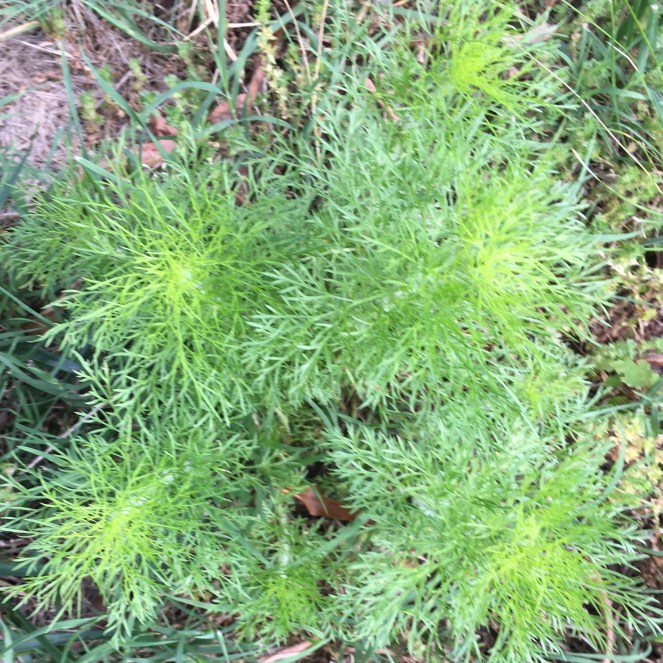
This is dog fennel, a weed that closely resembles dill. This weed should only be used externally (it can treat sunburn and can also be used as a mosquito repellent) because it has compounds that are toxic to the liver. Some people hate the smell, while others find it earthy (like pine). I actually enjoy the fragrance. I’m still researching the best way to extract the oils for a liquid repellent, but so far, I haven’t seen anything. I may just experiment a bit and see if I can come up with a good repellent recipe using dog fennel.
A cluster of dog fennel
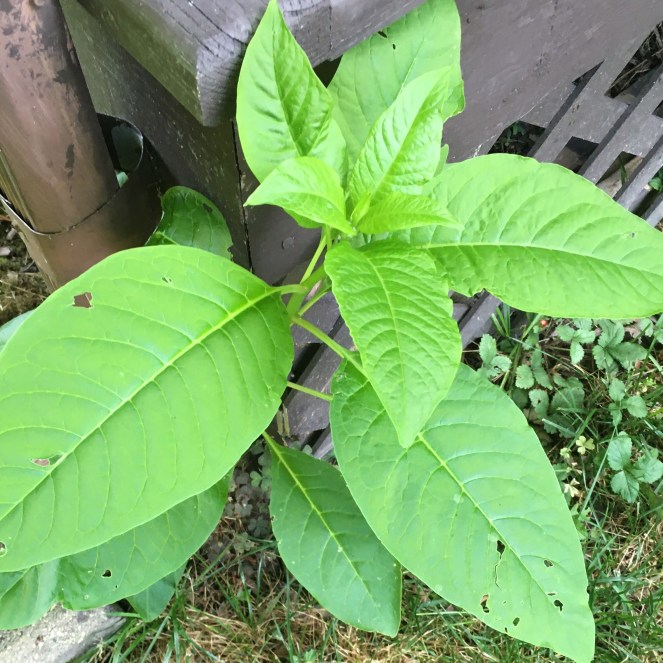
This very common plant is pokeweed (poke salad/poke sallet). It can be prepared as a cooked green, and, if done well, it’s delicious. My mother gave me a great recipe, and cautioned me that the weed should not be consumed once it starts bearing seeds (when the little berries appear). We had a chance to pick the pokeweed behind my home, and we filled a large garbage bag with the leaves, and there are still so many more plants left. However, we’re done gathering pokeweed for this season: we have plenty!
Pokeweed growing next to my back porch
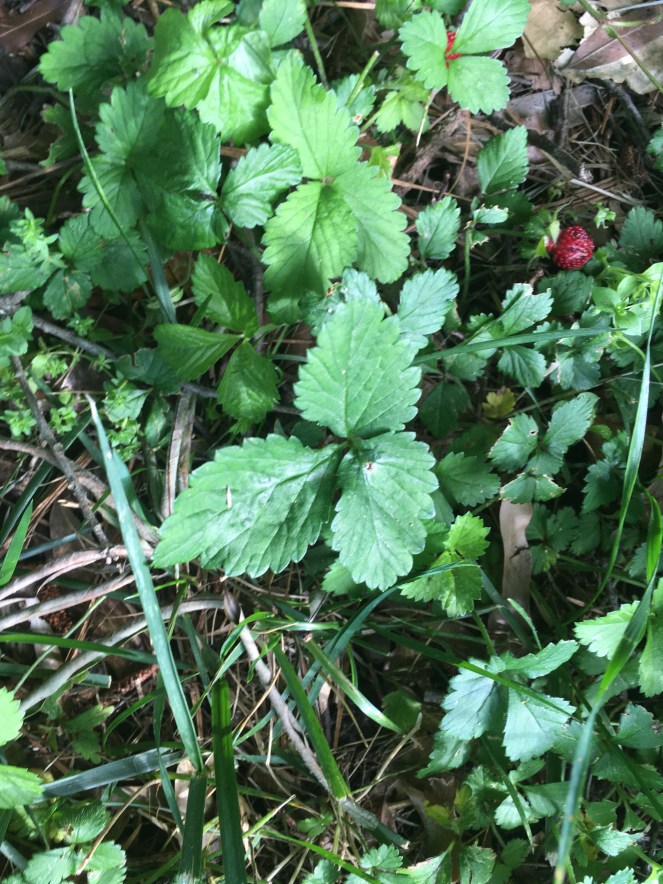
Finally, you may see a cute little berry looks like a strawberry, but it’s smaller, a bit rounder, and the seeds look a little strange. That is actually a mock strawberry. It’s nontoxic, but it doesn’t have nearly the same level of flavor or sweetness as real strawberries. However, it’s lovely ground cover and is a pretty harmless plant overall, other than the fact that it can take over a yard quickly. I learned that the berries can be eaten (some people enjoy the flavor), and the leaves can be dried and turned into a tea. So I collected a TON of the leaves and started drying them. I’m excited to let you know how the tea turns out.
Closeup of the mock strawberry leaves
So when you start seeing your grass get a little taller than you’d like, perhaps you can take some time to explore and figure out if any of the “weeds” could be useful to you! You may be pleased with what you find.
That’s all for this Tuesday. Have a great day everyone!
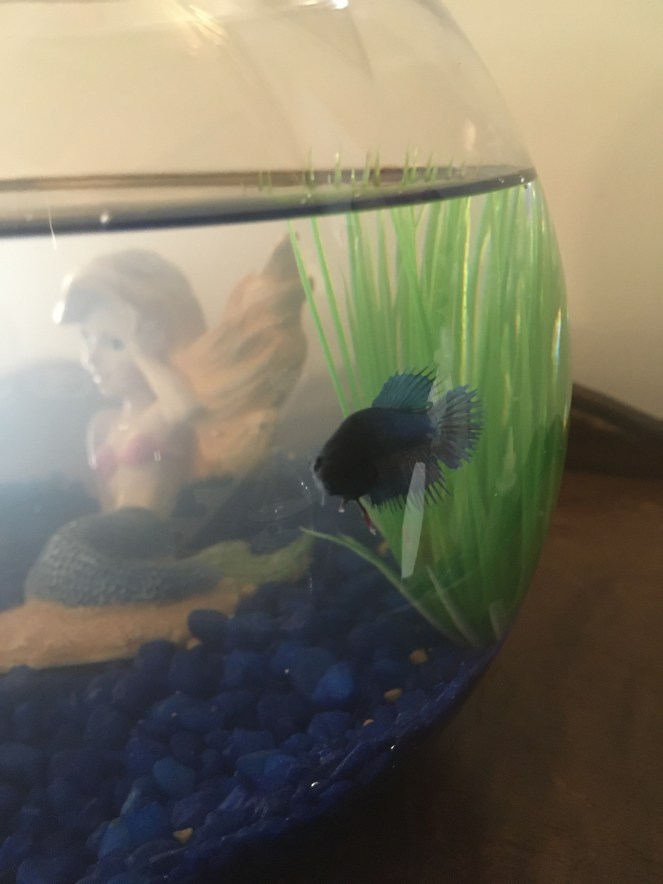
Blue betta fish are so striking, so we’re excited that he’s now part of our family. He’s so pretty!
That’s all for today (I know, it’s a brief post!). I don’t have any updates from the weekend, but no news is good news, right? I’m glad that things are calm on my end. I hope you all had a relaxing and enjoyable weekend!
Happy Friday, friends! We’ve survived another week and I’m happy to give you some more tips and insights into the fibromyalgia (and chronic pain) experience.
Magnesium is a great tool to have in your pain relief kit
Recently, I spoke to one of my friends that has also been diagnosed with fibromyalgia, and she commented on how achy she’s felt recently. When I asked her if she has been taking a magnesium supplement, she immediately went and took her daily dose. As it turns out, she’d been neglecting this supplement (this is very easy to do when you’re taking a handful of prescriptions and supplements daily). She felt relief rather quickly and thanked me for reminding her.
As I shared in my May empties post, I take chelated magnesium daily. I’ve found magnesium to be somewhat magical. This element is crucial to a multitude of biological functions and works extremely well in relieving pain in the chronically ill. Magnesium is one of the most powerful elements that our body needs, yet roughly 70% of Americans are magnesium deficient. Magnesium deficiency contributes to poor utilization of calcium, fatigue, mental disorders, nerve and muscle dysfunction and, of course, chronic pain.
What’s amazing about magnesium is that it may be even more effective when applied topically than when consumed orally (I’m still doing research on that, though several websites have confirmed that topical application is preferable). So, along with the oral magnesium supplement, I keep a topical magnesium cream nearby for especially painful days. The cream I use is Frida Botanicals Magnesium Cream (fyi this is not an affiliate link or a paid endorsement: I purchase this product with my own money).
I want to share this tidbit for anyone that is trying to improve their overall health and to help reduce pain in the body. Try magnesium and see how it works: you may find that it really helps your pain levels!

































 Bronze Butterfly