Can you all believe that we’re halfway through the year? This was the LONGEST six months ever! How are you all holding up?
It’s been a difficult year for most of us so far. We’ve been challenged with natural distasters, health pandemics, and political upheaval. Yet, we’re still here. We are survivors, and that is reason enough to celebrate.
In spite of the year we’ve experienced up to this point, there is no reason to have a negative perspective for the months to come. We can still plan to have a beautiful summer, a gorgeous fall, and a spectacular winter. There is so much to look forward to: let’s embrace it!
As for me, I’m rewriting some of my 2020 plans, as I have gotten some additional clarity on some of my goals. I’m excited to incorporate more beauty, relaxation, and quality experiences in my life during the upcoming months. The first order of business is enjoying a luxurious picnic as soon as the weather is a little more favorable (it’s far too hot to enjoy outdoor dining at this time).
Do you all have any plans for how you’ll make the most of the remainder of this year? I’d love to hear about it in the comments below!
Happy Friday! I hope you all had an amazing week and an amazing weekend ahead! It’s Fibro Friday, so I’m sharing some more tidbits from my fibromyalgia journey. One of the things I’ve noticed is that there are a few items that I keep nearby (especially during flares) to make my life a little easier and more pleasant. Here are five of my favorite “spoonie” essentials (if you want to know more about “spoonies” and Spoon Theory, you can read my post here). If you have some essentials that you think should be on my list, please share in the comments!
If I had to toss my spoonie essentials into a backpack, these are the ones I would include.
Knee pillow – Sometimes, my trigger points can be especially sensitive, to the point where it hurts for the insides of my knees to touch one another. When this happens, I love using a knee pillow for relief. There are knee pillow designed for side, back, and stomach sleepers. I have two knee pillows, but this one is my favorite.
Kindle E-reader – When I’m spending a lot more time in bed, I like having my Kindle e-reader nearby. My Kindle is OLD (LOL!) but it still works well. The most economical Kindle available right now is less than $100 USD but it is a great item to have, especially if you’re a bibliophile like me. I love that Kindle e-readers retain their charge much longer than my cellphone, and it’s far more portable than my laptop. Here is the basic black Kindle e-reader.
Easy-to-prepare foods – Some days are more exhausting than others. When I simply don’t have the energy to prepare an elaborate meal, I enjoy having a few easy-to-prepare foods around the house. I love instant soups, noodles, and even protein shakes that take less than five minutes to prepare. The local international grocers have a lot of healthier quick meals than typical grocers, so I generally prefer to shop there. However, one of my favorite meals is by Tsubi Soups (I’ve written about it here) and I can only order it online.
That’s all for this week! I hope your weekend is spectacular, and I’ll be back on Monday. Take care and be safe!
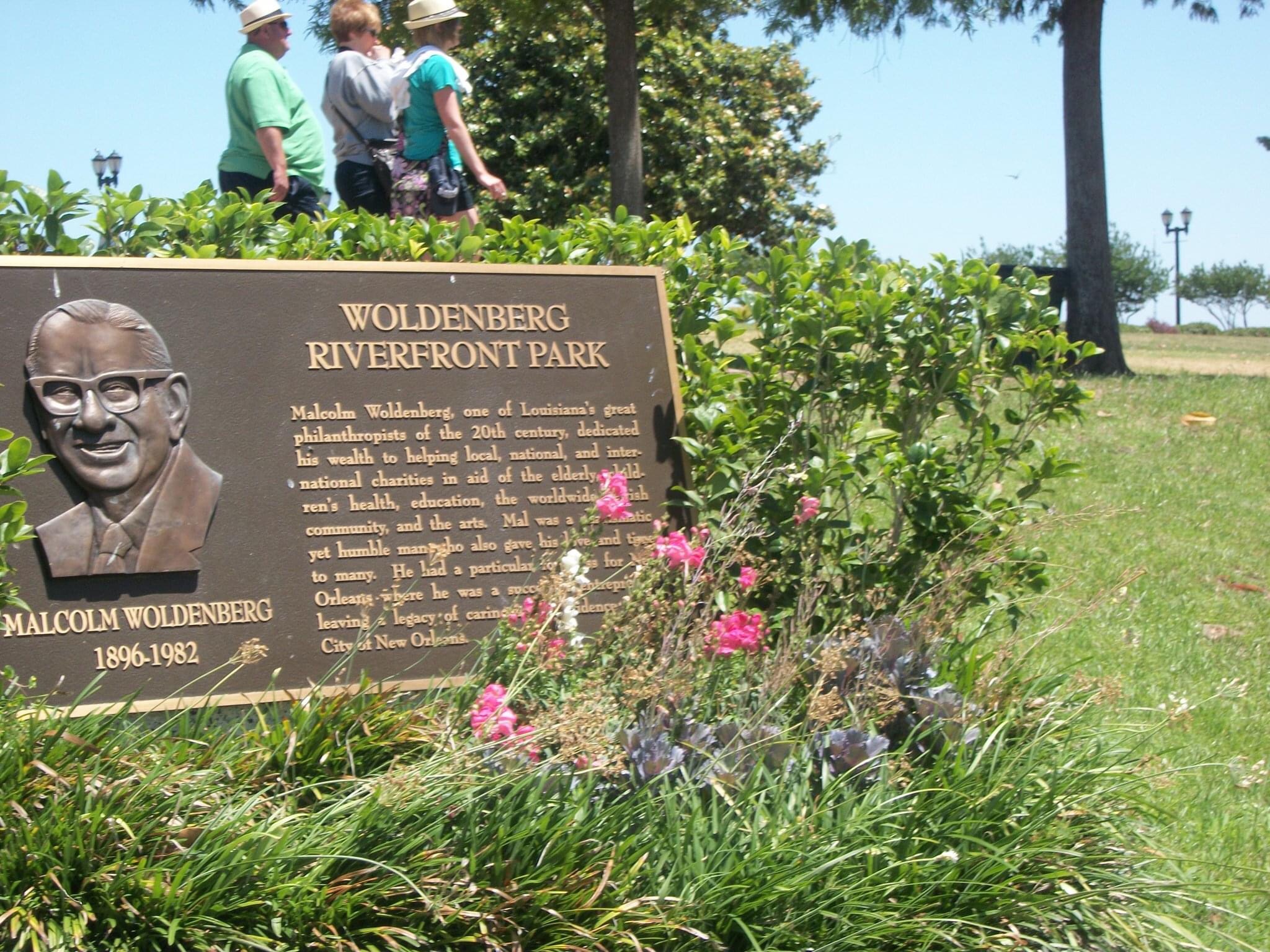
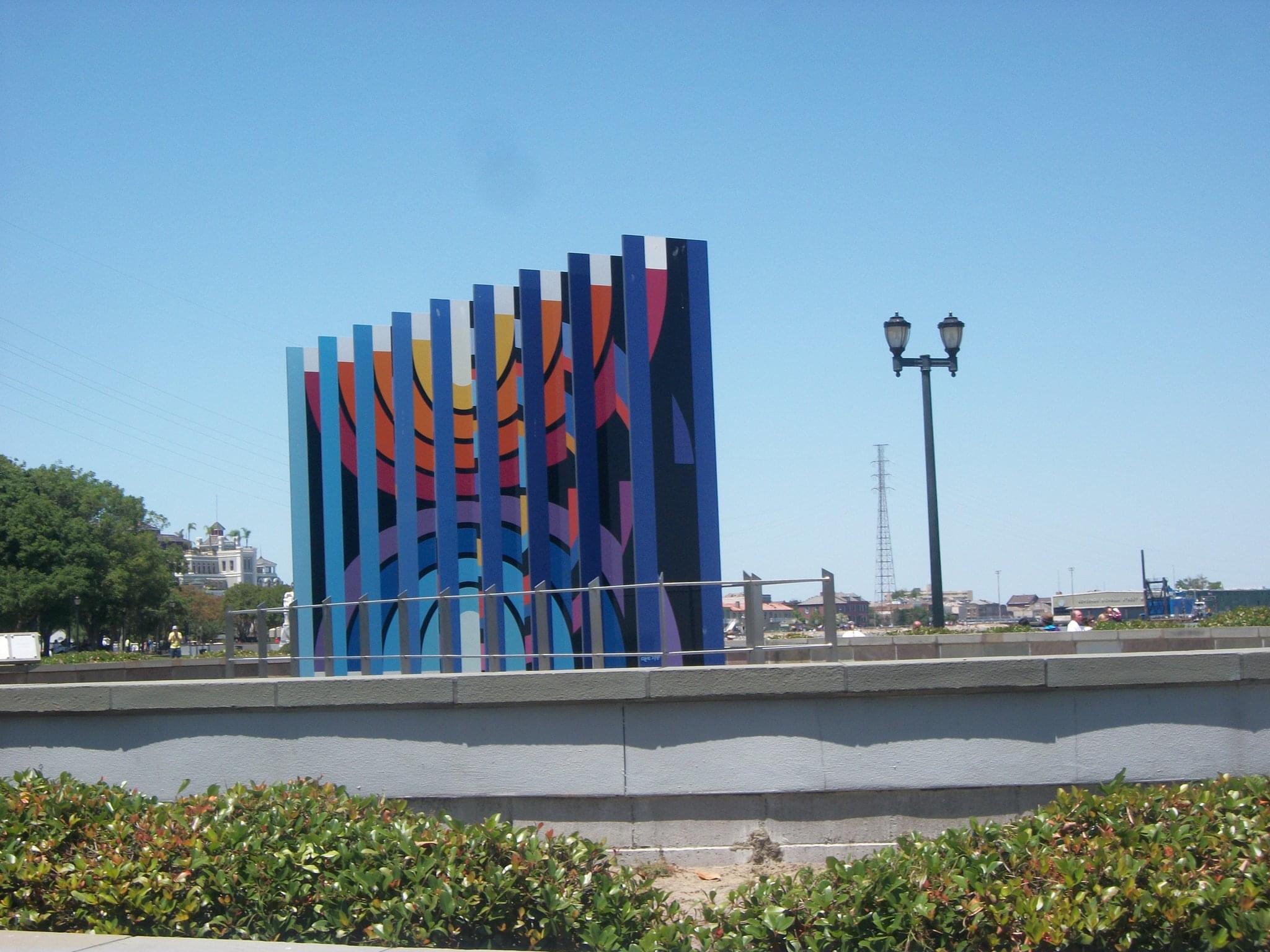
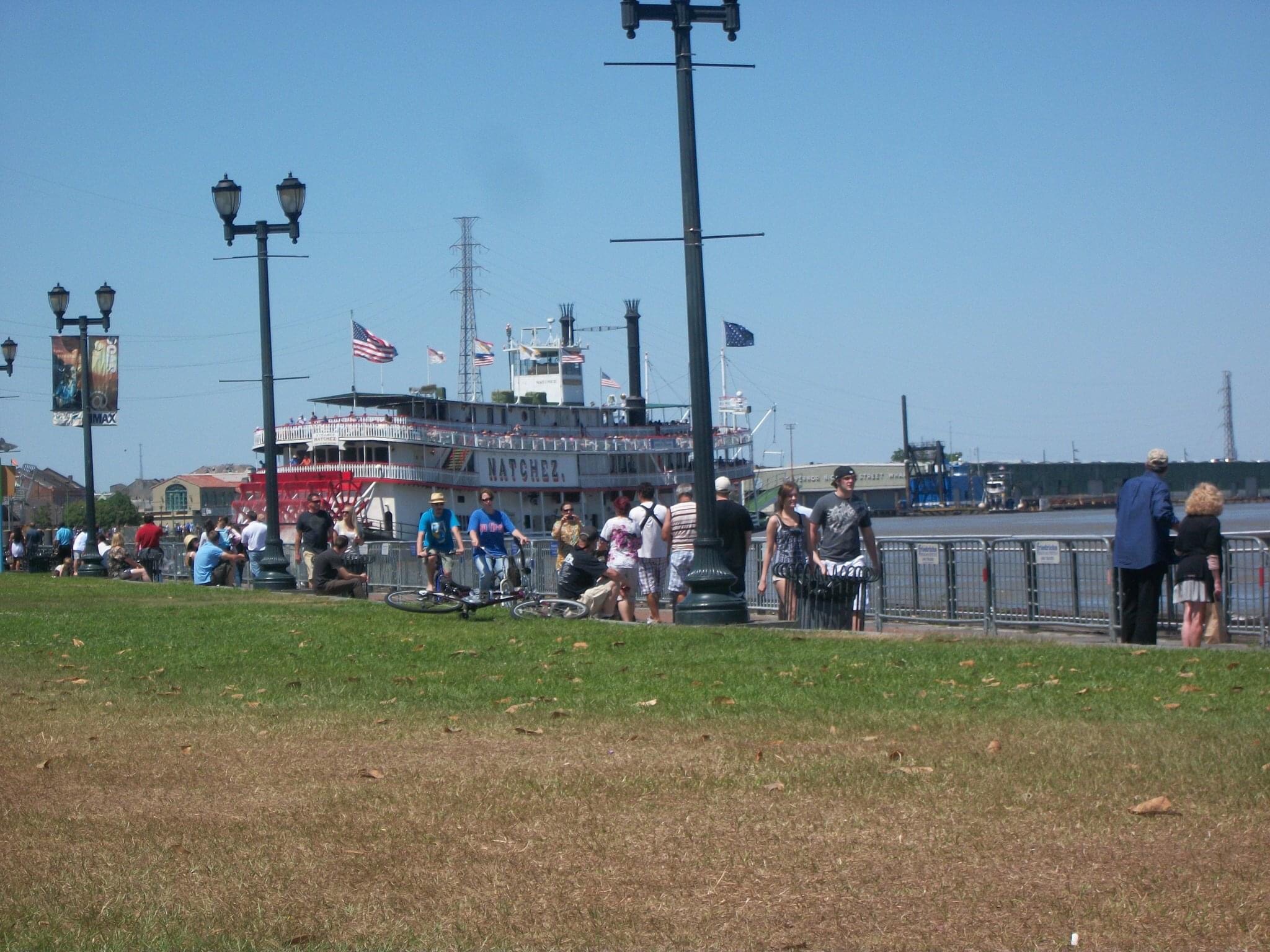
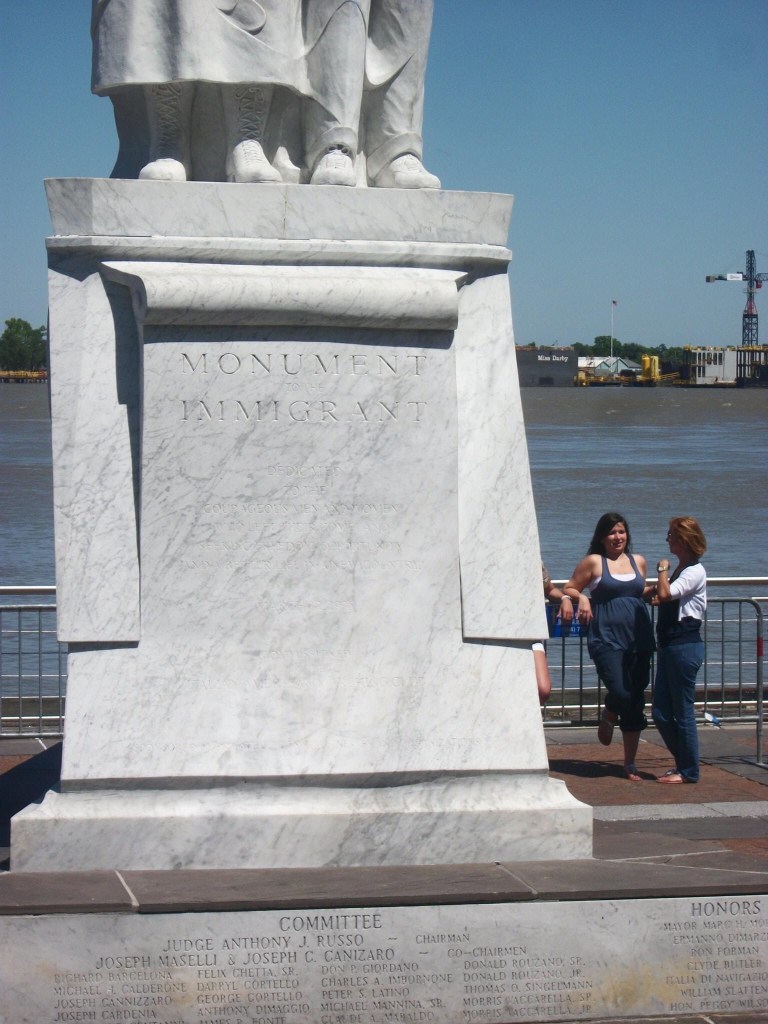
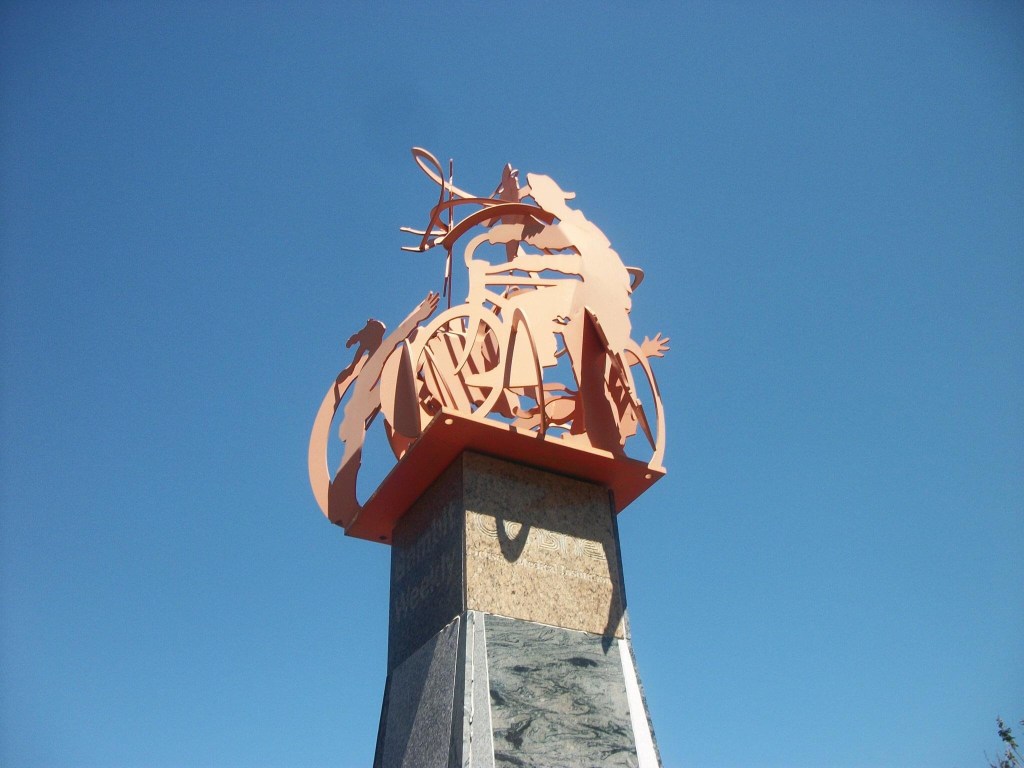
As promised, I’m sharing the second part of my photos taken during my trip to New Orleans several years ago. These photos were taken at Woldenberg Park, which is on the Mississippi riverfront. I loved the statues and beautiful setting. The only thing I wish could be improved was the cleanliness of the Mississippi River. Such a striking body of water deserves to be cleaner and beautified. However, only time will tell if this is possible. In the meantime, I hope you enjoy these pictures!
During this time, I’ve seen a myriad of articles (heck, I’ve even written a few posts!) that assume that being in quarantine automatically means that we have both time and inspiration to finally go after the things that light us up. It’s assumed that (prior to COVID-19) the only thing that was missing from our big dreams was the time to pursue them. And, for some of us, that is true.
However, there is a far more insidious culprit that many of us face when it comes to pursuing our dreams. There is a not-so-small group of us that have lots of time due to being quarantined but almost ZERO inspiration. Oh sure, we see something cool and inspiring online, or we get fired up when we listen to our favorite podcasts. But, when it comes to actually implementing our OWN ideas, we find ourselves feeling stuck and not particularly interested in walking that path just yet.
Some of us aren’t feeling very inspired at all.
I have a couple of theories on why that is, and I’ll share those in a moment. But first, let me state that even though I’m currently working on a side project that I adore, I did not feel inspired when quarantines were first implemented. I was still dealing with managing my fibro symptoms (which were intense at the time) and trying to find a compromise between my need to earn a living and my physical limitations. To say that I was uninspired would be an understatement.
But, something changed. My grandmother and her sister began staying with me, so that I could care for them while the world dealt with coronavirus. I found myself hearing stories that I’d heard before, but I was hearing them as an adult, and gleaning new lessons from them. In the midst of these conversations, I found my new inspiration. The unexpected effect has to be the single most motivating thing that has occurred in the past few years.
Now, back to why many of us aren’t motivated. Most of us are TIRED! Think of the intense schedules that most of us had pre-COVID; we needed some time to decompress and finally BREATHE after living hectic lifestyles. At this point, the only thing that can lead us to inspiration is giving ourselves room to rest and just take care of ourselves. If you are taking care of yourself, you are already doing enough. Give yourself credit and don’t worry about “inspiration”: inspiration comes in when you have room for it. It’s difficult to make room when your basic biological needs (like rest) haven’t been properly met for an extended period of time.
Exhaustion can impact our ability to create and be inspired
Another reason why many of us aren’t motivated and inspired is due to the fact that we feel anxious about the current state of the world as well as our personal well-being. This goes back to biological needs (think Maslow’s hierarchy of needs pyramid): security is a basic need. If we don’t feel secure, it can be challenging to ascend to those higher levels of the hierarchal pyramid (which is the space where inspiration usually resides).
Yes, it is possible to be inspired by feelings of insecurity and exhaustion. There have been many products developed out of these emotions, and those products have been wildly successful. But it’s important to note that inspiration – the spark that makes you want to get up and do something incredible every day – doesn’t play well in spaces of insecurity, exhaustion, anger or depression. Not to mention, these emotions tend to deplete your energy, while inspiration tends to fuel it. Basically, the energy of inspiration runs counter to the “lower” feelings that you may experience. I’ve found that I’m more inspired when I’m feeling calm, healthy, and secure. However, that’s been my personal experience: if you’ve experienced something different, then completely disregard when I’ve stated and continue doing what works for you.
So, if you haven’t feel feeling inspired, give yourself a break and a little grace. We’re all doing the best we can. Eventually, our world will return back to the hectic, exhausting place that it was before (albeit with additional safety precautions) and we may not have another opportunity to truly GO SLOWER and take time to appreciate what really matters. So enjoy this time and continue doing your best: that’s inspiring enough.
I have still been enjoying time out in my yard, and I’m considering what plants I can start in July (since I was SO behind the ball this season). For the record, I didn’t know that I was going to be so fascinated with gardening, flowers, and nature in general this spring. My fascination blindsided me, so I’m very LATE in garden planning. But that doesn’t mean that all hope is lost! There are quite a few plants that can be started in midsummer and still thrive with ease.
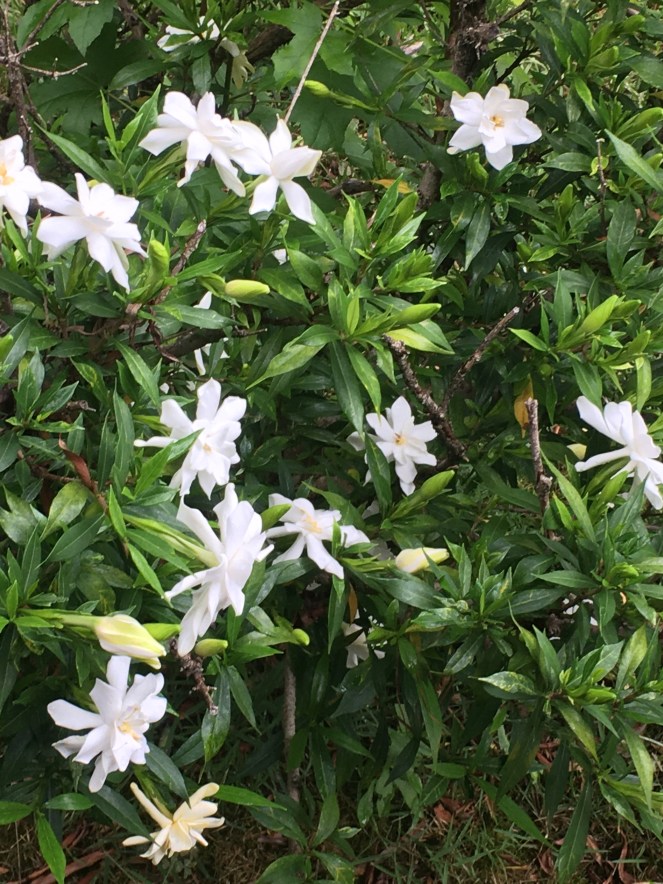
The only thing currently blooming in my yard: my gorgeous gardenias!
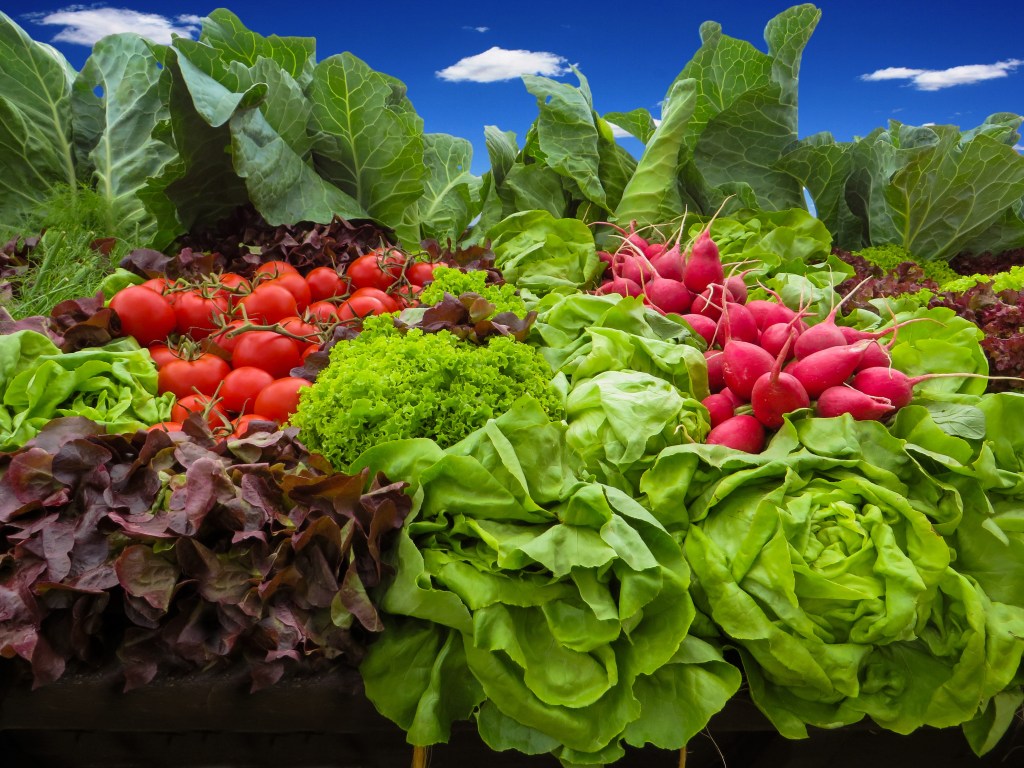
I’ve very interested in growing cilantro, garlic, basil and (perhaps) arugula or looseleaf lettuce. I want to start small and then expand into bigger plants. I really enjoyed seeing my overall growing options over on the Old Farmer’s Almanac website. There are a lot of plants that can grow in my zone (zone 7) so I’m excited to see if I can squeeze in one more herb or maybe even a fruit (perhaps blackberries or raspberries).
I watched this fantastic video that also gave me some ideas for what I may grow in my zone in July. I like that this guide can be used for multiple zones, not just zone 7. Rare Seeds’s YouTube channel is a wealth of information.
Will any of you be trying some midsummer gardening? Let me know about it in the comments!
Happy Friday! This week has been pretty good overall, even though the weather here in central Virginia has been gloomy and rainy. I suppose I should be thankful for the rain that keep my flowers growing, but can we get a little sunshine, too? I know the sunnier days will return soon: I just have to be patient.
This week’s Fibro Friday will be all about the books in my “fibro library”. While the Internet has been a fantastic resource for learning more about this complex condition, I still enjoy reading books that can give me some insight into fibro. I have several books that I’ve used in learning about fibro as well as ways to give myself some relief from the symptoms. If you or a loved one have been diagnosed with this condition, perhaps these books will be helpful to you.
My first recommendation is Career or Fibromyalgia, Do I Have to Choose? by Karen R. Brinklow. This book was one of the firsts that I read on my fibro journey. It’s actually what inspired me to hire a fibro coach last year, to help me manage this transition into a new lifestyle. My coach, Julie, was fantastic and instrumental in helping me to see that fibro can be managed and my life can still be full of fun and meaning.
This next book, 12 Healing Herbal Recipes: Herbal Medicine The Delicious Way by Mary Thibodeau, is a light read that I enjoyed tremendously. The book has little facts sprinkled through it, and has information about foods and spices that can help heal the body. I love the emphasis on the fact that we can use food as medicine, and, by giving our bodies the nutrients that they need, we can alleviate some of the symptoms that we experience.
That’s all for my fibro library! I hope this information helps you to forge a path to wellness, or, if you don’t have fibro, I hope that these books will give you additional insight into this condition so that you can better understand the symptoms.
Have a great weekend, and take care!
These are affiliate links featured in the post, but rest assured, I purchased each of these books with my own money and I’m only sharing what has worked for me 🙂
Happy Friday, friends! Today’s post is one that I’ve been eager to write, because I feel that explaining this (from the perspective of someone living with fibromyalgia) may give a little clarity to others that are struggling with their diagnosis, or may help people that are unfamiliar with the condition to better understand why there is no easy “fix” for fibro.
Whenever you try to learn about fibromyalgia online or directly from a medical professional, there is generally a lack of consensus on the causes of the condition. The condition is treated as a bit of a “catch-all” category for a set of uncomfortable (to the point of painful) symptoms. This “catch-all” designation is one reason why there are still some medical professionals that continue to deny the existence of fibro (I already wrote a post touching on this topic).
In any case, the overall lack of understanding behind the WHY of fibro leaves a lot of questions regarding the HOW of treatment. Different root causes call for different treatment protocol. However, fibromyalgia can be linked to muscular, nervous and even digestive malfunctions, so most treatment is, at best, akin to a game of darts. Medical professionals will try to hit the “bullseye”, and many treatments can offer a level of relief, but it seems that no one has hit the “bullseye” of fibromyalgia – YET.
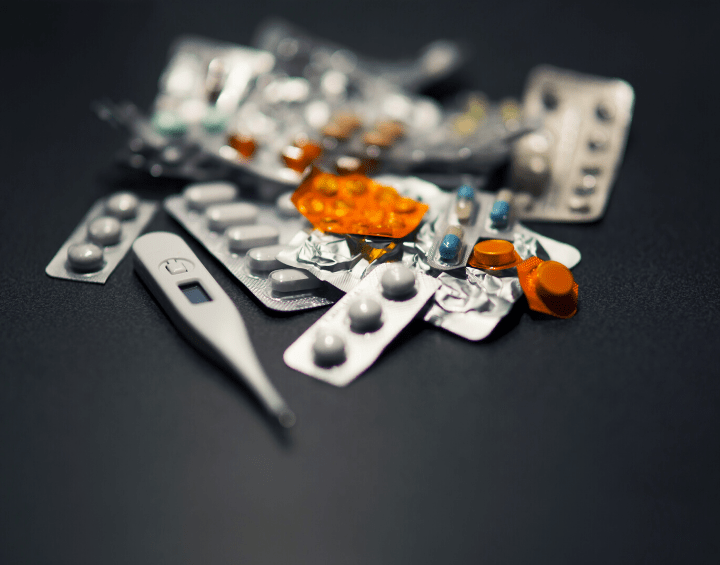
Prescription medication is one treatment option for fibromyalgia
There are many researchers that are getting closer to an agreed-upon definition of fibromyalgia, including its root causes. However, until consensus is achieved, we have an assortment of treatments that can be explored and that may have varying levels of effectiveness. Many of the most popular treatments include physical therapy, aquatic therapy, acupuncture, prescribed medication, nutritional supplements, lifestyle overhaul and lots of intentional self care (which is, by far, usually the most effective treatment [maybe I’ll write more about this in the future]), chiropractic care, etc.,. The trick to managing the symptoms is finding the perfect cocktail of treatments, along with having an excellent support system and medical team in your corner.
Well friends, that’s it for this Fibro Friday! I hope you all have a great weekend, and I’ll talk to you on Monday. Take care!
Since becoming a homeowner last year, I’ve spent a lot of time getting to know my home and yard. I enjoy the flowers that the previous owner planted, and I find so much pleasure in sitting in my morning room and looking at the woods beyond my backyard, where I can catch glimpses of rabbits, various beautiful birds, and occasionally deer.
Prior to moving here, I assumed that weeds were the bane of most homeowners. After all, weeds were usually unsightly, absorbed nutrients that could have been utilized by prettier plants, and attracted pests. However, my herbalist studies have given me a different perspective on weeds, and I’ve gotten to a point that I love to explore my yard and see if the weeds can be used for medicinal or culinary purposes.
I’m delighted to share that I’ve discovered several weeds that I can use in my herbalist practice! I also have some photos of the weeds that I’m excited to use in the upcoming months.
This weed is mullein. Isn’t it stunning? It can be used to create teas and tinctures that remove mucus from the lungs and gastrointestinal tract. I actually just love the look of it. It is wind-pollinated, so here’s hoping that it’ll bloom and those seeds will create some more plants nearby.
A young mullein plant
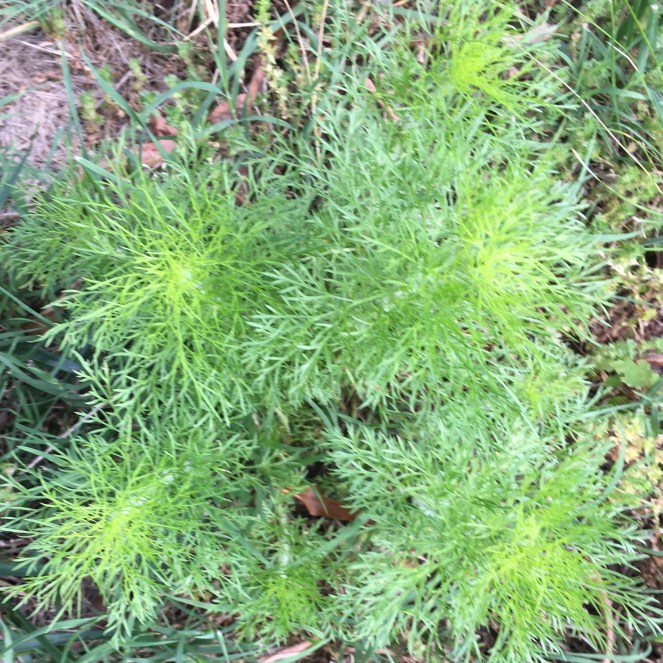
This is dog fennel, a weed that closely resembles dill. This weed should only be used externally (it can treat sunburn and can also be used as a mosquito repellent) because it has compounds that are toxic to the liver. Some people hate the smell, while others find it earthy (like pine). I actually enjoy the fragrance. I’m still researching the best way to extract the oils for a liquid repellent, but so far, I haven’t seen anything. I may just experiment a bit and see if I can come up with a good repellent recipe using dog fennel.
A cluster of dog fennel
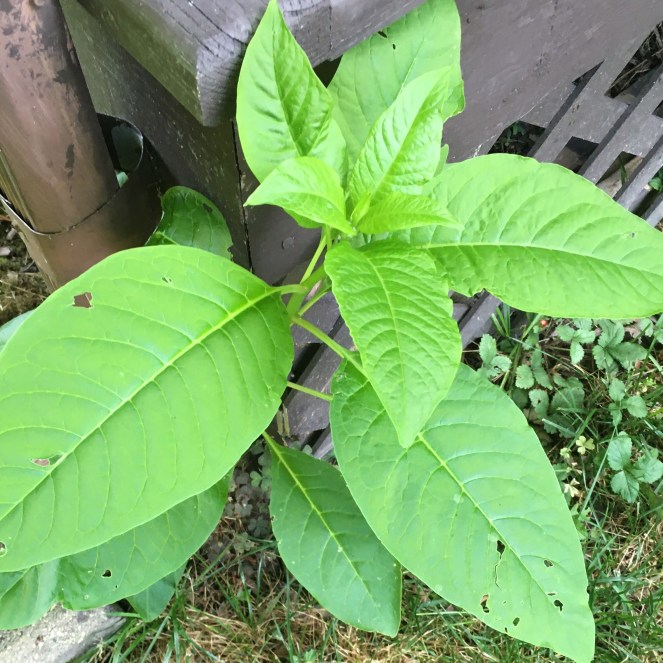
This very common plant is pokeweed (poke salad/poke sallet). It can be prepared as a cooked green, and, if done well, it’s delicious. My mother gave me a great recipe, and cautioned me that the weed should not be consumed once it starts bearing seeds (when the little berries appear). We had a chance to pick the pokeweed behind my home, and we filled a large garbage bag with the leaves, and there are still so many more plants left. However, we’re done gathering pokeweed for this season: we have plenty!
Pokeweed growing next to my back porch
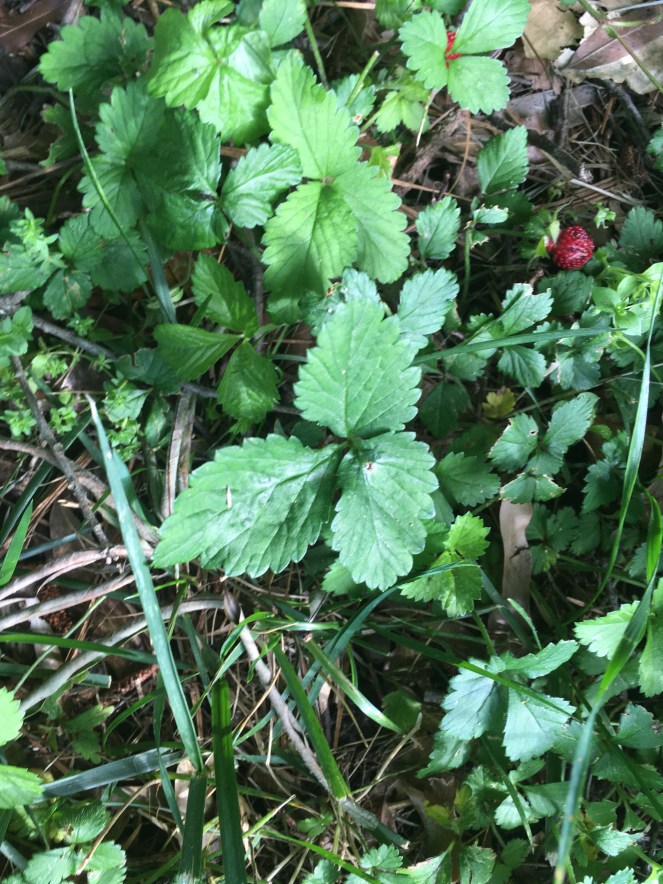
Finally, you may see a cute little berry looks like a strawberry, but it’s smaller, a bit rounder, and the seeds look a little strange. That is actually a mock strawberry. It’s nontoxic, but it doesn’t have nearly the same level of flavor or sweetness as real strawberries. However, it’s lovely ground cover and is a pretty harmless plant overall, other than the fact that it can take over a yard quickly. I learned that the berries can be eaten (some people enjoy the flavor), and the leaves can be dried and turned into a tea. So I collected a TON of the leaves and started drying them. I’m excited to let you know how the tea turns out.
Closeup of the mock strawberry leaves
So when you start seeing your grass get a little taller than you’d like, perhaps you can take some time to explore and figure out if any of the “weeds” could be useful to you! You may be pleased with what you find.
That’s all for this Tuesday. Have a great day everyone!
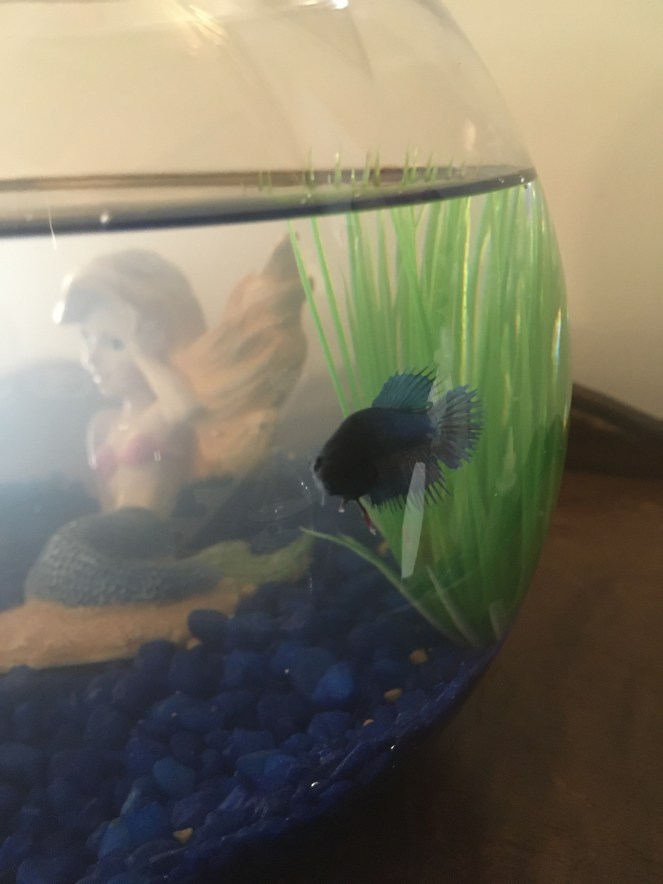
Blue betta fish are so striking, so we’re excited that he’s now part of our family. He’s so pretty!
That’s all for today (I know, it’s a brief post!). I don’t have any updates from the weekend, but no news is good news, right? I’m glad that things are calm on my end. I hope you all had a relaxing and enjoyable weekend!
Happy Friday, friends! We’ve survived another week and I’m happy to give you some more tips and insights into the fibromyalgia (and chronic pain) experience.
Magnesium is a great tool to have in your pain relief kit
Recently, I spoke to one of my friends that has also been diagnosed with fibromyalgia, and she commented on how achy she’s felt recently. When I asked her if she has been taking a magnesium supplement, she immediately went and took her daily dose. As it turns out, she’d been neglecting this supplement (this is very easy to do when you’re taking a handful of prescriptions and supplements daily). She felt relief rather quickly and thanked me for reminding her.
As I shared in my May empties post, I take chelated magnesium daily. I’ve found magnesium to be somewhat magical. This element is crucial to a multitude of biological functions and works extremely well in relieving pain in the chronically ill. Magnesium is one of the most powerful elements that our body needs, yet roughly 70% of Americans are magnesium deficient. Magnesium deficiency contributes to poor utilization of calcium, fatigue, mental disorders, nerve and muscle dysfunction and, of course, chronic pain.
What’s amazing about magnesium is that it may be even more effective when applied topically than when consumed orally (I’m still doing research on that, though several websites have confirmed that topical application is preferable). So, along with the oral magnesium supplement, I keep a topical magnesium cream nearby for especially painful days. The cream I use is Frida Botanicals Magnesium Cream (fyi this is not an affiliate link or a paid endorsement: I purchase this product with my own money).
I want to share this tidbit for anyone that is trying to improve their overall health and to help reduce pain in the body. Try magnesium and see how it works: you may find that it really helps your pain levels!


















 Bronze Butterfly