art · travel

North Carolina Museum of Art – The Sculpture Garden

In August, when I spent some time in Raleigh, I did all of my museum visits on Saturday, the day that I left the city. I spent most of my day at Nasher Museum of Art, and I was tremendously frustrated that I didn’t have enough time to tour the North Carolina Museum of Art. However, I did spend some time outside, in the sculpture garden (or, as it’s described by the museum, NCMA Park). I walked around a bit, took in the sights, and enjoyed the warmth and sunshine as I prepared for the drive back home.

Henry Spencer Moore, Large Spindle Piece (1974)

I’m always fascinated by sculpture gardens. The concept of outdoor art and massive structures that were created for aesthetics (as opposed to functionality) is so interesting to me. The thought that you can have a “garden” of sculptures is so whimsical yet, while walking around, it seems so natural and normal. There’s something wonderfully tranquil about walking around in a sculpture garden.

img_4797-1

Jaume Plensa, Awilida & Irma (2014)

There was a lot to see (164 acres!), so the pictures in this post are just a little taste of what the sculpture garden has to offer. I’d love to return in either the fall or the late spring, when the air is a tad cooler and either the plants are starting to change color or are coming into full bloom.

Ledelle Moe, Collapse I (2000)

Because I didn’t even get inside of the museum, I’m certain I’ll be returning. I have family and friends in the area, so I’m sure I will have company the next time I visit. It’ll be great to enjoy this museum with a loved one!

That’s all for this Saturday, friends! I hope you all get to do something fun to commemorate this FIRST day of autumn! Take care, and talk to you all tomorrow.
art · culture

When Maturity Was Valued

A couple of weeks ago, I gave an abbreviated review of Nasher Museum in Durham, NC. I mentioned in that post that I was considering doing a separate post about a particular exhibit that caught my eye. Well, I had a moment to really process what I saw, and I want to share my thoughts with you here.

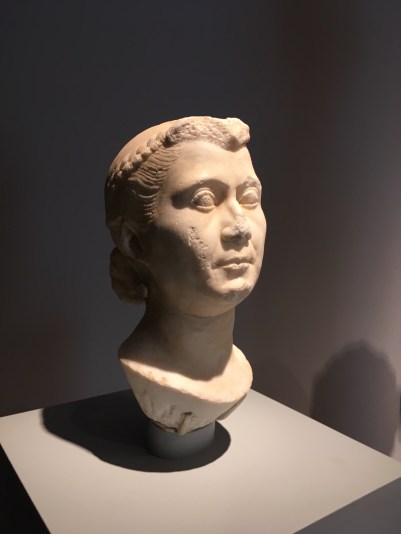
I want you all to take a good look at the marble bust below.

This is a bust of a Roman matron, sculpted sometime between 40 and 30 BCE. She’s poised, stately and undeniably mature. The sculptor didn’t attempt to depict this woman as a youthful maiden or an adorable waif. This likeness captured is that of an adult woman, self-possessed and satisfied with her position in life.

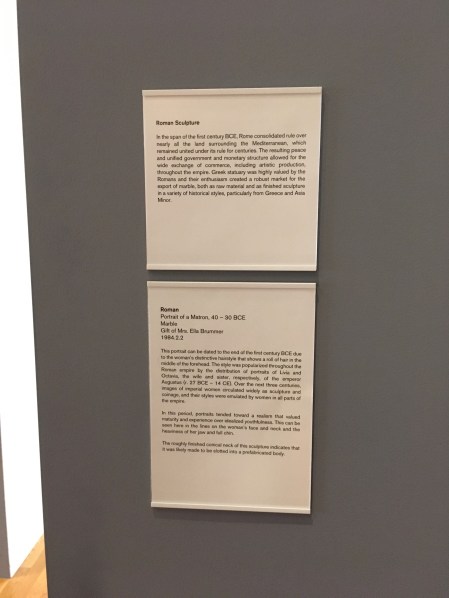
What really struck me is the caption next to the bust. The museum described this period of art as being one where “portraits tended toward a realism that valued maturity and experience over idealized youthfulness”.  I looked in awe at this woman that was able to enjoy her maturity being captured in marble and I thought to myself, “When did things change?”

I know that every adult was once young, and there are many beautiful things about youth. But I wonder why we spend so much time idealizing youth, both in art and culture. Is it because the fleeting nature of it is akin to the scarcity factor that fuels the supply/demand concept that we learned so well in those college economics courses? Is it because life’s disappointments make us long for the days before we knew the troubles that laid ahead for us? Is it because we wish for some of the fearlessness that we once knew but had to trade in for the “seriousness” of adulthood?

I’m not exactly sure when youth became the ideal, but I long for a time when we return to reverence for maturity. After all, the average person spends way more years as a mature adult than as an inexperienced youth, and if you have experience, you can make wiser choices that lead to a happier life. Even though I’ve had my share of disappointments and frustration, I can honestly say that I’ve enjoyed my 30s far more than my 20s, and once I get to my 40s, I’m sure my life will be even better.

I can’t change an entire culture that worships youth, but I can share this lovely bust with you, and encourage you to see the beauty in being aged, experienced and (hopefully) wise.

That’s it for today. Have a great afternoon, and take care!

art

Review: Nasher Museum of Art

During my trip to Raleigh, I had a chance to tour the Nasher Museum of Art (Nasher). The museum is located on Duke University’s campus and was easy to find. Nasher’s focus is contemporary art from artists of color, though there were several exhibits that covered ancient and more modern periods of time.

Screenshot 2018-08-14 at 1.07.34 AM - Edited

I spent a few hours enjoying the exhibits and taking a few pictures for you all. I will be doing a separate post about one (maybe two) of the exhibits that really caught my eye. Until then, enjoy!

img_4757

img_4758


img_4759


img_4764


art

5 Things That Will Transform the Art Market

art1

As part of my personal study of the art market, I like to see if I can predict trends and spot opportunities within this realm.

I identified 5 things that are poised to cause a complete shift in the art world as we know it. Continue reading to learn about what I suspect will completely transform the art market.

bitcoin

Cryptocurrency – Cryptocurrency and blockchain technology will continue to be a factor in the art market. Both the legal and black markets will thrive due to the fact that cryptocurrency makes it easier to exchange value without dealing with traditionally recognized currency. Blockchain can be repurposed to assist with provenance research and the public nature of its design will continue to transform how art is traded and sold.

earth-11015_1920

The Push for Diversity in Museum Leadership and Galleries – After the Brooklyn Museum faced tremendous backlash over hiring a White curator for its African Art department, a spotlight was shone on the lack of diversity within the museum world. Since then, there have been numerous discussions over how the art world will rise to the occasion and foster a more diverse environment. Even the New York Times has asked questions about the ethnic makeup of the world of art dealing. Obviously, there is a lot of potential here and the museums and galleries that take the lead in this regard will position themselves to stay current and relevant in these ever-changing times.

tax

Elimination of Section 1031 Provisions – With the implementation of the Tax Cuts and Jobs Act in 2017, Section 1031 of the tax code eliminated the loophole that allowed art investors to defer the realization of capital gains for an indefinite period of time. This has sent investors scrambling to devise a new tax strategy when it comes to the sale and later purchase of art. Fortunately, there are some preliminary measures that will offer an alternative to Section 1031, though it will take some creative accounting and subject matter mastery to execute properly. It’ll be exciting to see what other innovations come along that will benefit art investors.

art2

Virtual Art Galleries – In this increasingly digital world, it should be no surprise that the virtual art gallery will account for a healthy portion of art sales. Virtual galleries appeal to a previously unexplored group of patrons: this virtual space combines the collectors that want to enjoy art but are too busy to go browse a gallery in person with the art lovers that may have initially been intimidated by going to a gallery in person. The flexibility and ease of purchase will continue to appeal to many art enthusiasts, and I imagine that this form of art vending will continue to grow in popularity. A few of the most popular online art vendors can be found by clicking here.

Barack Obama  as painted by Kehinde Wiley; Michelle Obama as painted by Amy Sherald

Renewed Interest in Artists of Color – Artists of color are not unpopular but have largely been ignored or relegated to “supporting” roles in art museums and galleries. However, there has been a renewed interest in artists of color, especially since these artists have many influential fans and collectors. Barack and Michelle Obama both chose Black artist to create their official Presidential and First Lady portraits. High profile collectors are seeking to carve a space for these artists that will allow the artwork to shine in its own right. Pamela Joyner has graciously allowed her personal collection to be exhibited nationwide in the Solidary and Solitary exhibition. In a recent article on Artnet, Tina Knowles Lawson gives a tour of her art collection. Collectors aren’t the only ones bringing artists of color into the spotlight. Within the past 10 years, there have been more retrospectives featuring artists of color than ever before. A retrospective of Howardena Pindell’s work is slated to exhibit at Virginia Museum of Fine Arts, and it’s already gathering lots of buzz.


Those are my predictions for the changes that will transform the art market. Do you have any predictions that you think may affect the art world as we know it? Let me know in the comments below: I’d love to hear your thoughts!


art · travel

Flashback to Kansas City, Pt. 2 – The Kemper and Nelson-Atkins Museums

I mentioned in a previous post that I had spent some time in Kansas City, MO and I thoroughly enjoyed the time I spent there. In that post, I mentioned that I visited 18th and Vine and I also went to the Jazz Museum there. This post discusses two different cultural institutions in Kansas City – the Kemper Museum of Contemporary Art and the Nelson-Atkins Museum of Art.

The Kemper Museum was, sadly, closed when I went. However, there was an enchanting outdoors sculpture garden that I photographed while I was there. Fun fact: while en route to the Kemper Museum, I saw a chipmunk for the first time (they aren’t as common in the area where I currently live). I enjoyed the sculpture garden so much that I vowed to return to Kemper and see the works inside of the museum. My return trip hasn’t happened yet, but I suspect that it won’t be much longer before that trip becomes a reality.

10400143_101428711276_3424894_n

Sculpture of Bellephoron taming Pegasus

The Crying Giant at the Kemper Museum

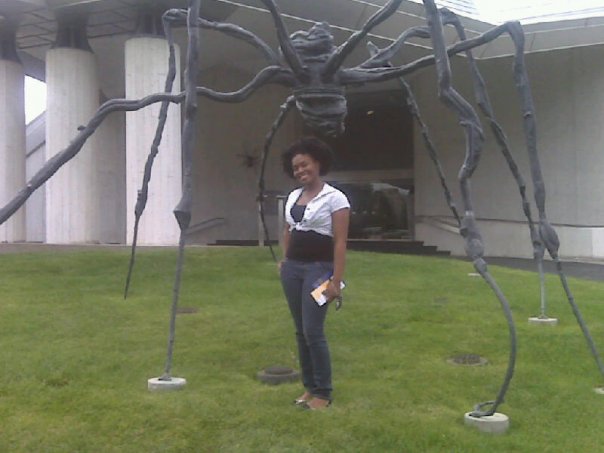
Spider Statue on the lawn of the Kemper Museum

10400143_101429246276_3870539_n

A much younger me posed under the giant spider

After leaving Kemper, I went to Nelson-Atkins, where I promptly fell in love with the meticulously maintained grounds and gardens. This was a very popular spot for newlyweds, as I saw at least 5 different wedding parties taking photographs on the lawn. I knew that these were different wedding parties because I counted the different colored bridesmaids dresses that I saw with each group!

10400143_101431151276_906116_n

Exterior of Nelson-Atkins – it looked like one of DC’s museums

10400143_101432296276_8029712_n

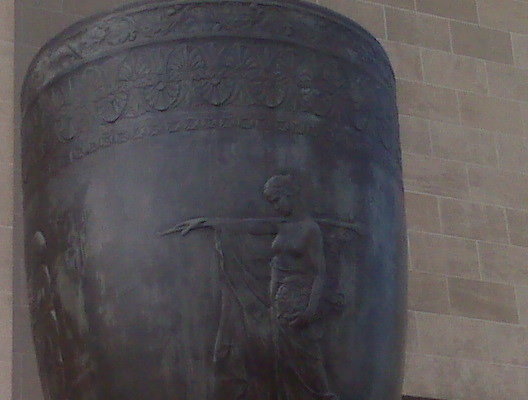
Close up detailing on a vase on the exterior of the museum

Two of the famous giant shuttlecocks on the lawn of the Nelson Atkins Museum

Rodin’s The Thinker at the museum

10400143_101432571276_2347342_n

A view of the lawn

Unfortunately, I didn’t take any pictures inside of the museum, but I have a few from from the exterior. I would love to return to Kansas City and do a proper tour of both museums. Fingers crossed, I’ll be able to make that trip happen within a year!

art · international

Portuguese Contemporary Art in Richmond, VA

Recently, I had the pleasure of visiting one of my favorite museums, Virginia Museum of Fine Art (VMFA) to view the exhibit, Contemporary Art from Portugal. As you all know, I’m currently studying the Portuguese language so this exhibit was an obvious choice. Also, last month (June) signified Portugal’s 900th anniversary of being a sovereign nation (Go Portugal!)  so there are nationwide events commemorating this incredible event. This exhibit was one of many of the commemorative events happening all over the country, and I’m delighted that my hometown participated in the festivities.

I’m beginning to really love contemporary art: this is REAL progress, as I’m a huge fan of Impressionism and Neoclassicism. I’m opening my horizons and making an effort to embrace newness and innovation, and I was very pleased with the exhibit. I’m  happy that I got to learn a little about some of the artists representing Portugal. These artists are tremendously talented and are a great representation of what this wonderful country has to offer.

img_4515

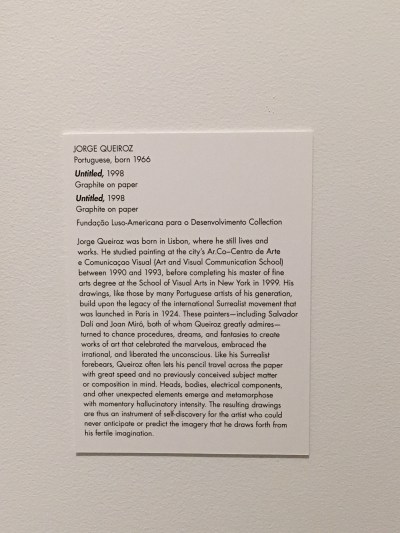
Info card from the exhibit

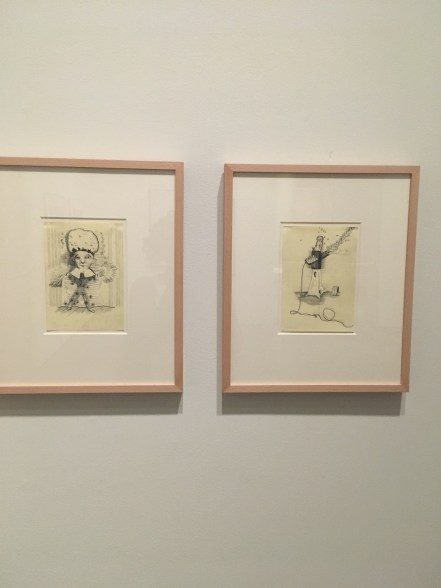
The exhibit featured work from Helena Almeida, Fernando Calhou, Ruy Leitão, and several other notable artists. The exhibit was small but impactful: I was fascinated by the the drawings and paintings enough to start doing my own research on Portuguese artists. As with pretty much all research that I do, I learned of a rich cultural heritage among Portuguese contemporary artists. I am fascinated by what I’ve learned and I’m eager to learn more as time goes on.

In the meantime, here are a few of the works that I viewed. If you are interested in checking out the exhibit for yourself, it will be at VMFA until July 22, 2018, so you still have time. However, if a trip to Richmond, VA is out of the question, you should check out your local museum to see if there are any Portuguese art or cultural exhibits on display. Just go to Facebook’s Month of Portugal page for details

img_4516img_4517


img_4518


img_4519


art

Review: Philadelphia Museum of Art, Part 2

Happy Friday, friends! There’s not a whole lot to say, especially if you’ve seen Part 1 of this review (you can view Part 1 here). I’ll stick to sharing photos that you all haven’t already seen and providing a little commentary.

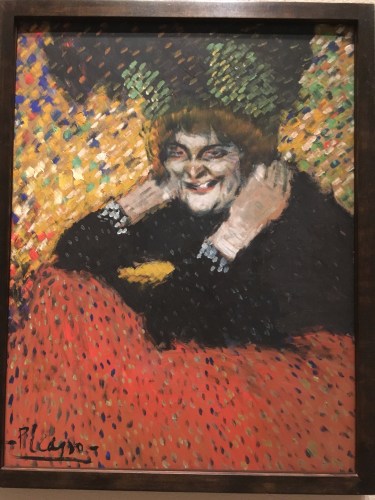
I saw a few Pablo Picasso works that I’d never seen before. I’m so accustomed to seeing his Cubist works that I forget that he didn’t always work with abstract figures. Earlier in his career, he worked with Impressionist techniques, as you can see in the paintings below.

Head of a Woman, Pablo Picassso (1901)

img_4077-3

Old Woman (Woman with Gloves), Pablo Picasso (1901)

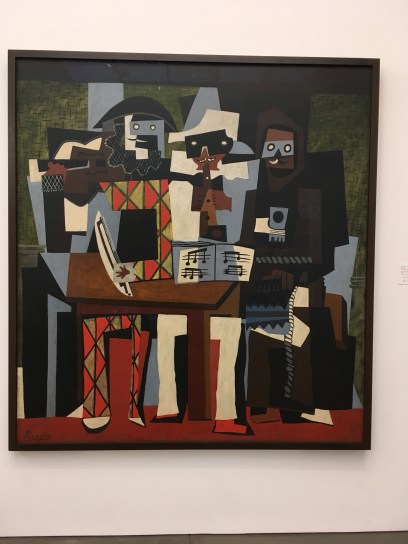
This is the style we know and love from Picasso:

img_4087-3

Three Musicians, Pablo Picasso (1921)

I always have loved Pierre-Auguste Renoir, another Impressionist. His photos are both timeless and beautiful. This is a tender portrait of his beloved wife and favorite model, Aline Charigot Renoir.

Portrait of Madame Renoir, Pierre-Auguste Renoir (1885)

This sweet-faced little girl was the daughter of an art dealer friend of Renoir’s.

img_4070-3

Portrait of Mademoiselle Legrand, Pierre-Auguste Renoir (1875)

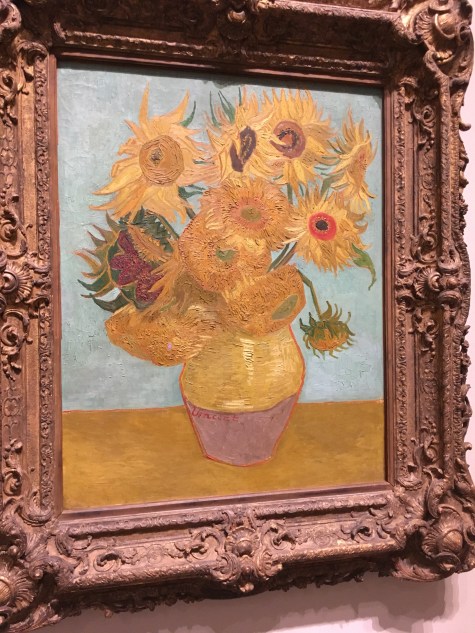
Vincent Van Gogh’s Sunflowers are a great example of post-Impressionist work: it features thick paint, more vivid color selection and slightly distorted forms. The work is paradoxical: it’s a still life but the technique used by Van Gogh gives it a feeling of movement and dynamism. This work inspired Faith Ringgold’s The Sunflower Quilting Bee at Arles, which is also at the Philadelphia Museum of Art (I missed it on this trip, but I’ll be sure to catch it next time!) Ringgold even inserts Van Gogh into her work! You can view Ringgold’s work here.

img_4083-3

Sunflowers, Vincent Van Gogh (1888 or 1889)

Lastly, I was drawn in by the beautifully serene expression on the subject’s face. She looks like she was briefly interrupted while concentrating on her embroidery. She’s still thinking about her design and this is just moments before her attention is completed diverted away from her handicraft. I love how Mary Cassatt has caught this fleeting moment.

img_4075-4

Mary Ellison Embroidering, Mary Cassatt (1877)

I can’t wait to return to the museum to see some more artwork and to take lots of photos for you all! Talk to you all tomorrow.

 

art

Henrietta Lacks, An Overdue Tribute

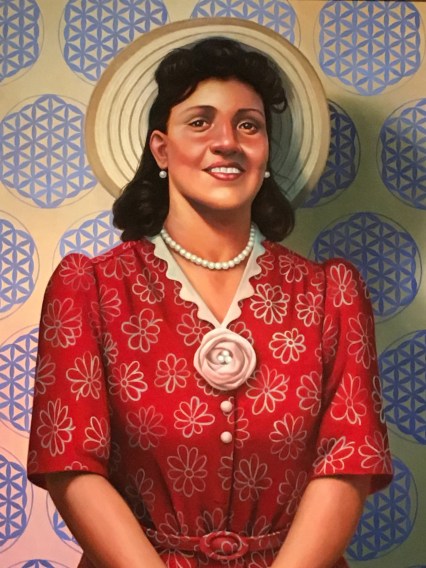
Recently, the National Portrait Gallery and the National Museum of African American History and Culture jointly acquired a painting of Henrietta Lacks, as portrayed by Kadir Nelson. Lacks died from cervical cancer at the age of 31, and her cells were subsequently studied and used over the past 60+ years. Lacks’s cells (named HeLa, for Henrietta Lacks) were instrumental in developing treatments for a variety of illnesses, such as polio, AIDS and Parkinson’s Disease.

I was familiar with Lacks’s story from many years back, as she was a Virginia native and never forgotten here, in her state of birth. Thus, I knew that I had to see the painting, titled “Henrietta Lacks (HeLa): The Mother of Modern Medicine”, for myself.

img_4259

img_4261

Henrietta Lacks (HeLa): The Mother of Modern Medicine, Kadir Nelson, oil on linen, 2017

img_4262

Information card as displayed in the National Portrait Gallery

The painting is large and breathtaking: Lacks smiling sweetly and posed with her bible. Nelson incorporated some very special details that refer to Lacks’s legacy. As stated on the National Portrait Gallery press release:

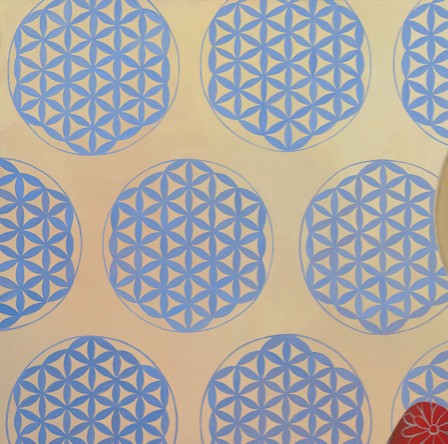
“Commissioned by HBO, Nelson used visual elements to convey Lacks’ legacy. The wallpaper features the “Flower of Life,” a symbol of immortality; the flowers on her dress recall images of cell structures; and two missing buttons allude to the cells taken from her body without permission.”

hel_0 - Edited

Close up of the background, featuring the “Flower of Life”

Henrietta Lacks’s story raises issues surrounding ethics, right to patients’ genetic information, and privacy. The fact that she died but her cells made it possible for other people to live is heartbreaking, but what’s even more tragic is the fight that her family had to undertake to challenge the medical industry that used HeLa cells without Lacks’s, or her family’s, consent.

I’m so happy that Henrietta Lacks is being featured at the Smithsonian Museum and is taking her rightful place in American history. I really enjoyed seeing this beautiful portrait for myself, and I hope that you all get a chance to check it out, too! It will be at the National Portrait Gallery until November 4, 2018, and then it will be at the Smithsonian National Museum of African American History and Culture. You’ll be glad that you made the visit!

art

Feeding My Gerome Addiction

Part of my Philadelphia trip included a visit to the Philadelphia Museum of Art. I love to believe that the muses communicate directly with me when I’m in any museum, so I am inclined to go wherever I’m “led”, so to speak. I stepped over to the European art wing, and I got the feeling that I would quickly find something incredible. My intuition didn’t disappoint: less than a few steps into the first room I entered, I was face to face with a painting by one of my favorite artists, Jean-Leon Gerome.

img_4064-1

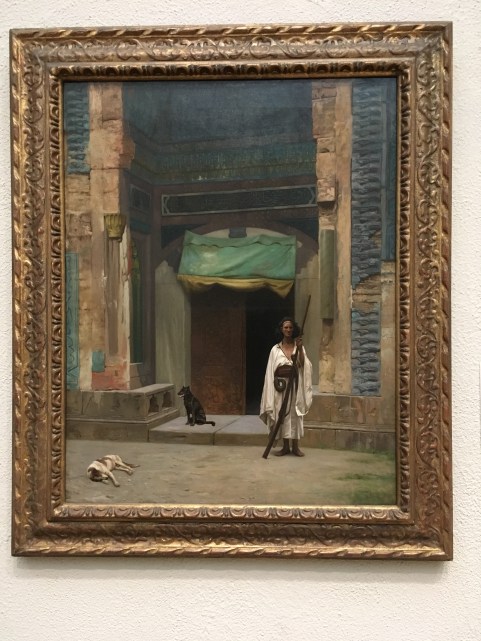
Portal of the Green Mosque (Sentinel at the Sultan’s Tomb), Jean-Leon Gerome, 1870

I’ve written about Gerome before, and back then, I struggled with expressing exactly what it is about his paintings that I love. I *think* I have the language to express myself now LOL! I love the realism in Gerome’s work. His paintings featured lots of African, Middle Eastern and Asian subjects and, unlike many European artists, he chose to depict his subjects humanely, touchingly, and accurately. For that, I’ll always be a fan.

This painting, Portal of the Green Mosque (Sentinel at the Sultan’s Tomb), was completed by Gerome in 1870. By this time, Gerome was a very experienced painter (more than 20 years experience, to be exact) and had quite a few commissions, honors, and his own atelier to his credit. He had established a name for himself and was a master at Orientalist paintings. While many may conclude that Gerome’s work objectified his subjects to the point of being lecherous, I’m inclined to take a different perspective.  The combination of “exotic”, non-White subjects and a Neoclassical or Romantic depiction of these subjects results in capturing the subjects’ humanity in ways that had never been done before.

The sentinel depicted is solemn, a little melancholy, but not to be pitied: he seems at peace with his position and dutifully stands in defense of the sultan’s remains. You can sense that this is a hot and hazy day, if the languorous hound in the foreground is any indicator. However, I sense that the dog in the background, that is standing closer to the entrance, is much like the sentinel himself: alert, solemn, ready to defend.

I enjoyed this painting, as I enjoy every other Gerome work that I’ve seen. I know that the National Gallery of Art in Washington, DC has several Gerome paintings on view. I intend to make a special trip to view and photograph some of them. Look out for that post soon! In the meantime, enjoy, and I’ll talk to you all tomorrow!


art

Spotlight on Monet

Happy Monday, beloveds! Can you believe it’s almost been a whole month since I went to Philadelphia? That trip, which was mainly for the purpose of attending my first Freeman’s auction, was a lot of fun, and a great “break” in the monotony of my day-to-day life.

While at the Philadelphia Museum of Art, I made sure to tour the European art wing, because I’d be experiencing a bit of a deficit. The museum nearest to me, Virginia Museum of Fine Arts, has an incredible European art collection featuring impressionist works by Claude Monet and Edgar Degas. However, the Monet and Degas works are on an international tour and won’t be returning to VMFA until 2020.

img_4085

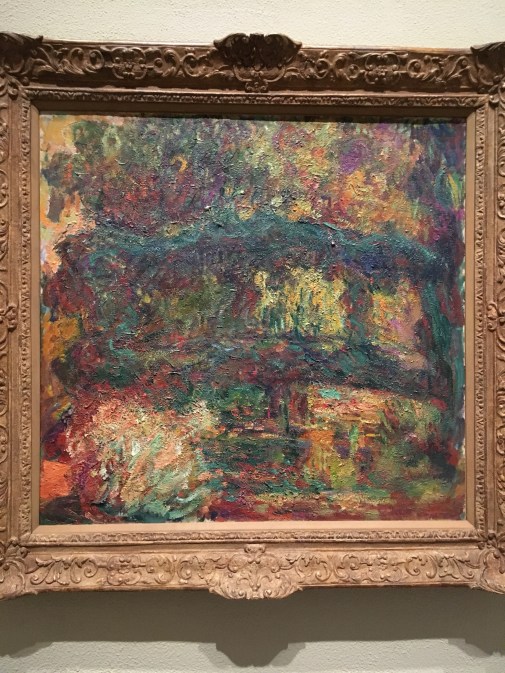
The Japanese Footbridge and the Water Lily Pond, Giverny (Monet, 1899)

So, as you can imagine, I was excited when I saw some Monet works in Philadelphia. I got to enjoy different versions of his Water Lilies series. I love both versions that I saw: the painting that has deeper tones feels more dynamic and calls to mind a scene from a lake during the autumn season. On the other hand, the painting with the lighter colors evokes warmer weather and the freshness of spring and summer.

img_4081

Water Lilies, Japanese Footbridge (Monet, 1918-2916)

What I love most about Monet is the thing he is known for: impressionism is one of my favorite art movements. The gentle intermingling of colors (the result of applying wet paint to wet paint), the way that light is captured, and the softness of nature all speak to me in indescribable ways. Monet’s depictions of his environment make me want to experience Giverny (the commune where Monet spent more than 40 years) in person.

Ah, how I enjoyed these! I’m excited to check out more of Monet’s work at the National Gallery of Art this summer. The museum currently has 16 of his works on view, and I plan to check out each of them!