health

Fibro Fridays: Magical Magnesium

Happy Friday, friends! We’ve survived another week and I’m happy to give you some more tips and insights into the fibromyalgia (and chronic pain) experience.
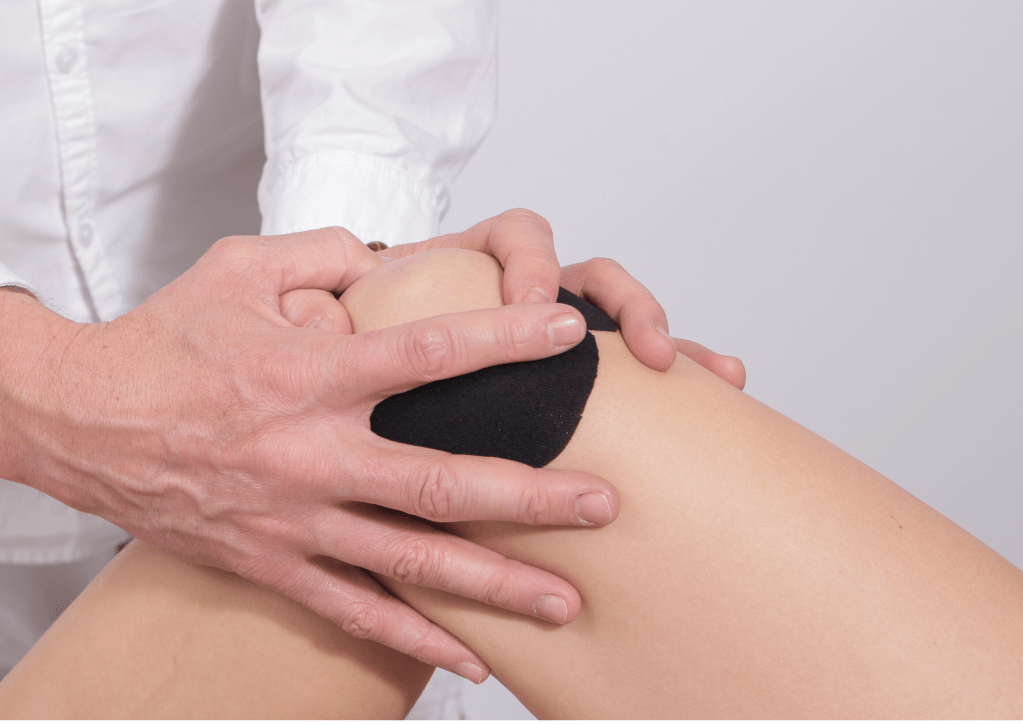
Magnesium is a great tool to have in your pain relief kit

Recently, I spoke to one of my friends that has also been diagnosed with fibromyalgia, and she commented on how achy she’s felt recently. When I asked her if she has been taking a magnesium supplement, she immediately went and took her daily dose. As it turns out, she’d been neglecting this supplement (this is very easy to do when you’re taking a handful of prescriptions and supplements daily). She felt relief rather quickly and thanked me for reminding her.

As I shared in my May empties post, I take chelated magnesium daily. I’ve found magnesium to be somewhat magical. This element is crucial to a multitude of biological functions and works extremely well in relieving pain in the chronically ill. Magnesium is one of the most powerful elements that our body needs, yet roughly 70% of Americans are magnesium deficient. Magnesium deficiency contributes to poor utilization of calcium, fatigue, mental disorders, nerve and muscle dysfunction and, of course, chronic pain.

What’s amazing about magnesium is that it may be even more effective when applied topically than when consumed orally (I’m still doing research on that, though several websites have confirmed that topical application is preferable). So, along with the oral magnesium supplement, I keep a topical magnesium cream nearby for especially painful days. The cream I use is Frida Botanicals Magnesium Cream (fyi this is not an affiliate link or a paid endorsement: I purchase this product with my own money).

I want to share this tidbit for anyone that is trying to improve their overall health and to help reduce pain in the body. Try magnesium and see how it works: you may find that it really helps your pain levels!

health

Fibro Fridays: Why It’s Hard to Get a Diagnosis

Happy Fibro Friday, friends! It’s been a fantastic week, and I’m positive that the weekend will be full of even more JOY and delight!

One of the things that I consider when reflecting back on my fibromyalgia journey is how long it took to get an accurate diagnosis. For years, I had symptoms of fibro yet it took me being completely out of commission (in bed for weeks at a time, unable to sleep for more than 2-3 hours, intense physical pain) before I got close to an accurate diagnosis.

img_0947

As it turns out, my experience isn’t unusual. In fact, most fibro sufferers take more than two years to get diagnosis. This statistic is appalling, considering the pain and diminished quality of life that we experience while we wait to get some clarity on what’s going on with us.

I have a few theories on why it takes so much time to be diagnosed. I’m sure that there are more reasons why this happens, but these are the reasons that I experienced, and I’m sure that many others with fibro can relate to at least one of these scenarios.

  • Fibro symptoms often mimic other conditions. Many times, primary care physicians (PCPs) will diagnose you as being depressed (which is a frequent comorbidity of fibro), having muscle strains, or suffering from a viral infection (again, this can often occur with fibro patients). As a result, the PCP, in an attempt to make a conservative diagnosis, ends up “under-diagnosing” (yes, I know that isn’t a word, but bear with me LOL!) their patients. And when this happens, it creates a delay in getting an accurate diagnosis.
  • Primary care doctors are hesitant to refer to rheumatologists unless there is conclusive test results indicating some sort of auto-immune issue. When having blood work done, your primary care may see unusual results . . . Or not. And if everything looks “normal”, they will often doubt that you need to be referred to a specialist. I have a whole story about this, and I will share it in a future post.
  • Some PCPs deny the validity of fibromyalgia. The vast majority of physicians believe that fibro is a real condition, but there is still a minority that aren’t convinced of the seriousness of the condition. If your PCP doesn’t believe that your condition is real, how likely is it that you will get an accurate diagnosis?
  • Some PCPs are very unfamiliar with fibro as a condition, and, while well-intentioned, they may overlook this common but still mysterious diagnosis.
  • Using a variety of PCPs, or having more impersonal relationships with care providers, makes it difficult to determine your “baseline” condition and what symptoms are truly abnormal for you. This is especially relevant for those that have milder chronic pain symptoms or higher pain tolerances. If you aren’t experiencing major, life-altering discomfort and inconvenience, it may not be apparent to a new physician (or a physician that doesn’t know you well) that you are experiencing abnormal pain.

These are just a few of the reasons why getting an accurate fibro diagnosis usually takes quite some time. Even though my symptoms were mild at first, they eventually intensified. It took me becoming incapacitated to get diagnosed, and even that occurred nearly two months after I was in bed for weeks at a time. My advice to anyone that suspects that they have fibro is to get a referral to a rheumatologist as quickly as you can (if you have an HMO), or, if you have a PPO (like I do) contact a well-reviewed rheumatology office and schedule an appointment yourself. It may take some time, but an accurate diagnosis and the right medical team can make a world of difference in your health and quality of life.

That’s all for this Fibro Friday. Have a fantastic weekend!

health · life curation

Fibro Fridays: A Thought on Spoon Theory

Happy Friday friends! We survived another week and here’s hoping that we are all feeling great as the weekend begins.

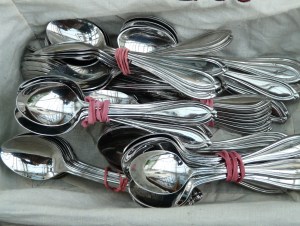
I was just thinking about how much things have changed since my fibro diagnosis last year, as well as the concepts and terminology that has become second nature to me due to fibro. One of the most fascinating concepts that I’ve heard about is spoon theory. This principle speaks to the finite energy stores possessed by the chronically ill, as well as how easy it is to fall into an energy deficit, resulting in the inevitable “crash” phase.

untitled design

The Spoon Theory essay was written by Christine Miserandino, and I love that this simple teaching has offered such an accurate visual representation of the daily reality of chronically ill individuals. Once we have used up our energy, the results of exceeding our limitations can be devastating in the days and weeks to come. Also, it illustrates how having casual/less active days can allow us to “save up” energy for anticipated intense days.

I’ve shared this theory with friends and relatives so that they can better understand what I experience. It’s hard to describe the specific feelings that I may have each day, but I can easily tell you if I’ve used too many spoons in the previous days, or if, on a particular day, I have a lot of spoons at my disposal. It’s very useful for quantifying my energy levels on any given day.

If you really want a better understanding of chronic illness, I highly encourage you to read the Spoon Theory essay for yourself. If you’ve already read it, let me know your thoughts in the comment below!

Those are my views on Spoon Theory. I hope you all are doing well, and enjoy your weekend!


health

Fibromyalgia Awareness Day

I try to bring awareness to fibromyalgia every week via my Fibro Friday posts, but I wanted to spend this Tuesday, Fibromyalgia Awareness Day, as an opportunity to share some of my insights about my condition.

32256237_1691747310917246_2687018461925736448_n

(Photo credit)

My fibro journey has been an absolute roller coaster at times. There have been some intense highs (finding occasional relief and modifying my lifestyle to make things easier for me), and some dramatic lows (which I won’t be reliving here on the blog LOL!) In any case, I’ve learned so much from this experience, and despite the discomfort, I’m thankful for this condition.

Yes, I’m thankful for fibro.

If I hadn’t been diagnosed with fibro, I would have continued to overwork myself, abuse my body through inconsistent sleeping, and deny that a deeper part of myself needed healing. My fibro forced me to slow down, learn how to really care for myself, and start taking the steps to live an authentically healthy lifestyle. Fibro led me to relocating to my dream home (which is closer to my healthcare team), find work that wasn’t mentally draining, and gave me an opportunity to spend more time at home with my family.

Mustard and Olive Chic Lifestyle Blogger Blog Post Social Media Graphics (1)

Fibro forced me to re-examine the balance within my life

Most importantly, living with fibro taught me to ask for help and to allow others to help me. I was so independent and “strong”: I never felt the need to ask for help. But now I’ve learned to rely on my wonderful support network and I can really appreciate the way that my love ones have rallied around me.

Fibro was the most painful gift I’ve ever received, and I’m grateful for it.

I can’t speak for everyone diagnosed with fibro, but as for me, I see the silver lining to this “purple cloud”. And I’m okay with how things are unfolding for me.

That’s all for today. If you know anyone suffering from fibro or another chronic illness, please send them some love today. Take care!

fitness · health

Fibro Fridays: Yoga for Fibro Relief

Happy Friday, friends! We’ve completed another week, and aren’t we happy for that? This first full week of May was pleasant, despite the fact that we’re all still adjusting to our collective new normal.

As a person managing fibromyalgia symptoms, I look for relief from multiple sources. I prefer to supplement my prescription and alternative medicine routine with physical activity that is gentle, effective and easy to do at home. For that reason, I turned to yoga tutorials on YouTube to help me to stay active and reduce physical pain.

Untitled design (5)

I’ve tried several different tutorials and I have a few that I can recommend. I hope that you can use these to get pain relief and feel better!

Firstly, Shima Flow Yoga’s Yoga for Fibromyalgia is the gentlest routine that I’ve used, and I always feel so good after I do it. It’s the perfect length (a little under 30 minutes) and doesn’t require any special equipment. I highly recommend this one!

Next, Sleepy Santosha’s Gentle Yoga for Fibromyalgia is a little longer than the previous video (a tad over 30 minutes) but is still a good one. This channel is really good because the yogi is a chronic pain sufferer, so she’s mindful of our physical limitations. I noticed that the routine is a bit more intense that the previously mentioned video, but I like that this channel does have multiple videos specifically for fibro.

Finally, when I’m pressed for time, I go to Shima Flow Yoga’s abbreviated Yoga for Fibromyalgia video. This video is less than 15 minutes and you can pace it as quickly or as slowly as you like.

Let me know if you try any of these videos, and how well they work for you. I’ll talk to you all next week. Take care, and enjoy your weekend!

health

Fibro Fridays: Fibro Awareness Month

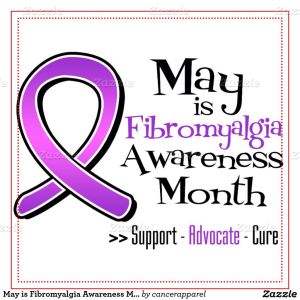
Happy Fibro Friday! As we welcome the month of May, I’m happy to share that this month is also Fibromyalgia Awareness Month. I will continue to share information about fibro every Friday, and I hope that the information I share can be used to create additional awareness around this potentially devastating condition.

mayfibromonth

(image courtesy of Zazzle)

I’ve done well with managing my symptoms and taking care of myself, but that doesn’t mean that things are perfect! No, on the contrary, I continue to learn about fibro because I’m still learning how to manage my symptoms and improve my health. I’m just glad that I’m not as negatively impacted by it as I was prior to my diagnosis.

I hope you all are healthy and safe. Enjoy your weekend, and I’ll talk to you all soon. Take care!

health

Fibro Fridays: Nervine Herbs

In the quest to reduce my fibromyalgia symptoms and treat my condition with as few chemicals as possible, I’ve began exploring and experimenting with natural supplements. I don’t claim that these options will work for everyone, but for those that are curious, there are certain plants that may relieve some of the common symptoms associated with fibro.

Untitled design

I have been reviewing The Woman’s Herbal Apothecary by JJ Pursellquite a bit over the past few months. This book offers a condensed herbal dictionary and a host of natural remedies to try. One of the best things about this book is how the various effects of certain herbs is summarized for each plant listed. I was intrigued by the herbs that have nervine properties.

My constant companion over the past few months

Nervine herbs can influence the nervous system. It can soothe the nerves and reduce the reaction within the nervous system. Since fibromyalgia is essentially an overactive nervous system that exaggerates sensation in the body, a nervine herb could, theoretically, relax some of those nervous responses and cause the system to calm down.

Below, I’ve listed some of the nervine herbs outlined in the book (the author includes several more).

  • Angelica Root
  • Black Cohosh
  • Chamomile
  • Gotu Kola
  • Hop Flowers
  • Lemongrass
  • Sage
  • Skullcap
  • St. John’s Wort

I’ve personally used chamomile tea, and I’ve made a tea from fresh sage. I have noticed that I am noticeably more relaxed after consuming either tea. I may eventually try experimenting with using these teas as a way to wean myself off of prescription medication, but for now, I’m pleased with the gentle effects from occasional use.

My current favorite chamomile tea blend

On the occasions when my grocer runs out of sage,I’ll order it from Amazon

Have any of you tried any nervine herbs? I’d love to hear about your experiences!

*

*

*

*

*

*Disclaimer: this post is not intended as medical advice. Please consult your doctor for any medical recommendations and advice.

**This post contains affiliate links.

health

Fibro Fridays: Resources for Chronic Pain Sufferers

Over the past year, I’ve compiled quite a few resources that I’ve used regularly. These resources consistently provide reliable information and guidance for handling the next steps in my health journey.

Untitled design (12)

One of the first resources I uncovered is The Fibromyalgia Digest. This is an excellent website that provides information related to obtaining government benefits if you suffer from chronic pain. Their team is very proactive about reaching out to digest subscribers and offering assistance. I most benefited from the website’s encouragement to keep a log of my daily symptoms to identify trends and keep track of what treatments work best.

WANA is We Are Not Alone, an app that provides a virtual community for chronic illness sufferers. Users can connect based on similar illness or specific symptoms.  What’s really cool is how the app lets users learn more about traditional medical treatment as well as explore alternative treatment options.

Fibromyalgia Association of Michigan is a great resource for learning about the most recent research on fibromyalgia and treatments. I usually follow their Facebook page for updates, but the main website is fantastic, too: you can easily get updates from the blog within the website.

I hope these websites can help you! This chronic illness journey doesn’t have to be a solo one: there is support for us.

That;s all for this week! I’ll talk to you all soon. Take care!

health · life curation

Fibro Friday – Unexpected Fibromyalgia Symptoms

As promised in a previous post, I’m devoting Fridays to fibromyalgia and all of the information, advice, support, and discoveries that I’ve had during my fibro journey.

Today, I’m discussing some of the unexpected fibro symptoms that I’ve noted in the past year. The most common symptoms – fatigue, muscle aches, mental fog – are well known, but there are quite a few others that I feel are worth noting.

Untitled design (5)

  • Hypersensitivity to heat and cold – I found myself unable to enter certain grocery stores due to the extreme cold within certain sections of the store. Even though summers here in Virginia are scorching, I couldn’t bear to go from the heat to the air-conditioned stores. Then, during the winter, I found myself quickly adjusting my thermostat because a little too much heat would trigger intense sweats. I’m glad that my medication has given me some relief from this particular symptom, but I still notice that those sensitivities have to be actively managed (dressing in layers so I can quickly adjust to the temperatures of whatever place I’m visiting).

Untitled design (3)

  • Pronounced thirst – I find myself drinking a LOT of water. And it seems like sometimes I can’t drink enough water to quench my thirst. I suppose it’s a good thing that I’m drinking more water, but it also gets annoying. It’s also important to be careful: too much water can be harmful to the body. So I have to also make sure that I get as much of my “water” from fresh fruit as possible. Which leads to my next point . . .

Untitled design (4)

  • Taste for “light” (fresh) foods – I’ve found myself wanting very “light” foods all of the time. I crave foods that can digest easily and leave me feeling light and refreshed. Don’t get me wrong I still enjoy the heady delights that can be found in Thai, Indian and Ethiopian cuisine. But over the past several months, I’ve craved smoothies, salads and other “light” foods that are gentle on my digestion. I think this may be because fibro is usually associated with irritable bowel syndrome (IBS) and, while I don’t have IBS, I still prefer foods that aren’t too taxing on my somewhat more sensitive digestive system.

Those are just a few of the symptoms that I’ve experienced that I suspect are related to my fibro. There are several more, but these were the most pronounced symptoms that I rarely saw mentioned when researching fibro.

That’s it for the week! I hope you all are well and continuing to take care of yourselves. Have a great weekend.

health · life curation · relaxation

Take a Moment to Feel the Sun

The sun is such a blessing. I feel very connected with sun energy, and I embrace the times where I can go outside and simply feel the sun on my skin. My good friend Diana mentioned more than once that I need to intentionally connect with sun energy, and that’s why I’m devoting this post to her. I’m listening, chica. I’m choosing to regularly connect with this incredible energy source.

Untitled design

Enjoy the sunshine

This life-sustaining ball of fire continues to remind me of all of the good things about life. Delicious fresh fruit and vegetables grow because THE SUN IS. My skin grows to a deeper chocolate hue every summer because THE SUN IS. Time and all things that we use to measure the span of our lives is possible because THE SUN IS.

So, if you can, take a moment, step outside and feel the sun. Let the rays kiss your skin and serve as a reminder that every day is magical. And then, embrace the other magic that shows up for you: it surrounds you, and it is waiting for you to see it.