Do you all remember when I said that I wanted to bring some deeper topics to this blog? I said that back in 2021, when I made a list of the types of discussions I want to do on this blog. In that post, I said that financial chats would be part of my 2022 postings, and here I am, ready to talk money!
I purchased Bitcoin for the first time ever in the past 18 months (I was late to the trend, though I knew how it worked and was interested in experimenting with this as a way to diversify my investments). You may recall that I wrote about Bitcoin in a post from 2018.I’d been contemplating investing since before I wrote the post, but I finally pulled the trigger and invested. Then, after a few months, I pulled out *some* of my investment. I needed to redirect that money toward one of my home renovation projects, and that felt like a better investment for me at this time.
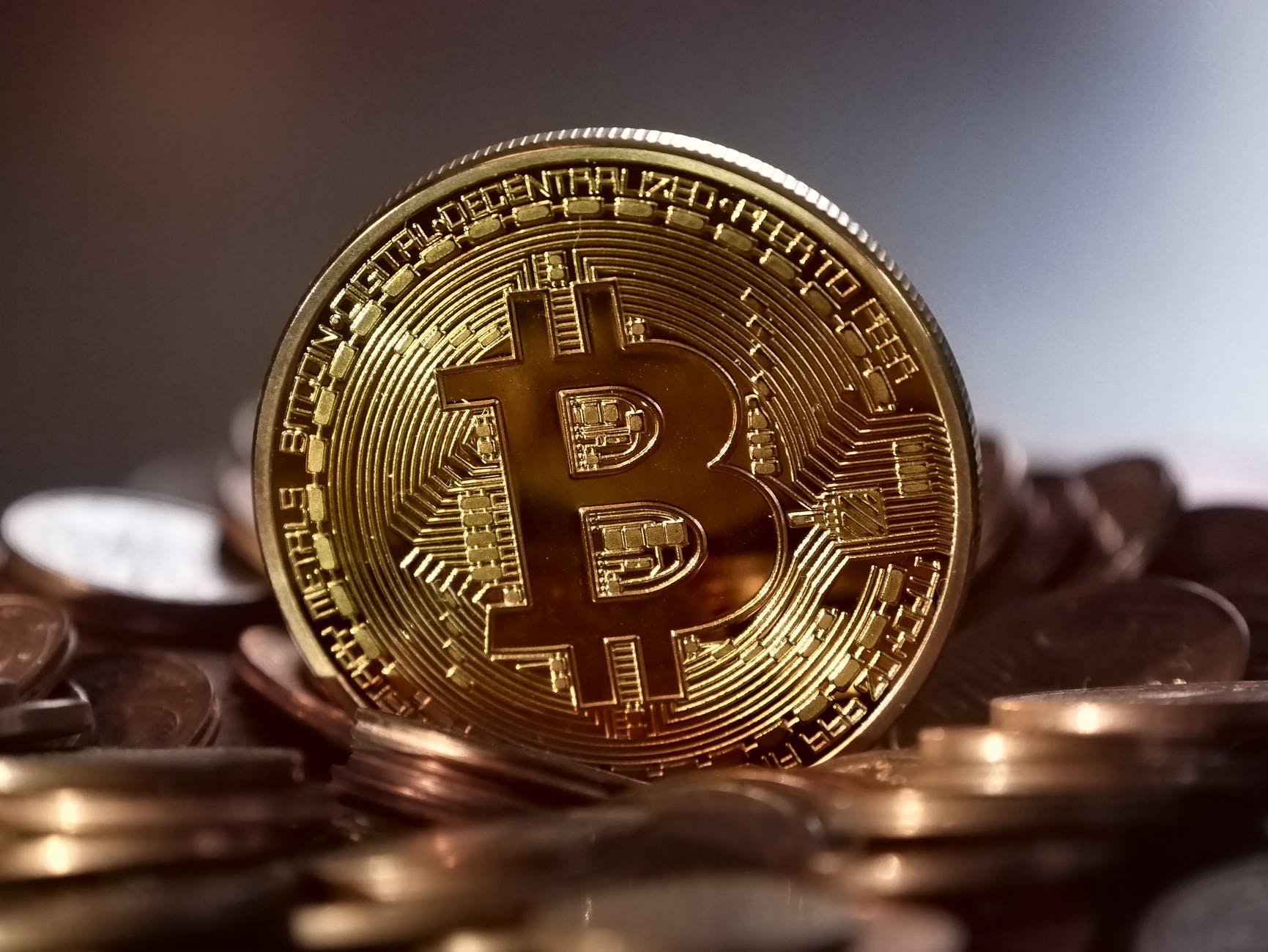
I used CashApp to purchase my Bitcoin, though you can purchase cryptocurrency on a number of different platforms. If you want to invest in crypto of any sort, your best bet is to do a lot of research on the investment vehicle that you’ve chosen, and get clear on your hold/fold thresholds (what amount of loss you’re willing to tolerate, what amount of gains are comfortable before you start feeling antsy about possible future loss, and what amount you can reach before you cash out). Crypto investing is just like any other investment, so you can walk away whenever you want.
Since I sold a portion of my Bitcoin, I have to do additional research on how to properly report the sale on my tax return. I submitted my return before I got a (delinquent) income statement, so I have to amend it anyways, so this is a good time to get more familiar with how I should report my crypto sale. I took a crypto loss last year, so whatever crypto amounts end up being reported shouldn’t create an additional liability. It’ll be interested to see the further legislation that comes out regarding cryptocurrency, since this is a medium of exchange that will continue to grow, expand, and become more widely accepted.
That’s my little tale of how I forayed into the world of crypto. Over on my finance website, I plan to discuss these sorts of things more often (I’ll actually be adding more details and resharing this post over on there by the end of this week). If you have any crypto questions, I’m happy to direct you to the same resources that I use. In these days and times, there is nothing more important than knowing your options and using these options deftly. And the only way to do that is to read, learn, and try it for yourself.
That’s it for today! I hope you all are doing well. Take care, and I’ll talk to you all tomorrow!
 Bronze Butterfly