art · luxury

Art Collectors Conundrum: Unpredictability

In the Art Collectors Conundrum series, we continue to explore some of the topics of interest for inexperienced art collectors/appreciators or aspiring art world professionals. Instead of simply noting the issue at hand, we ponder some ways to mitigate some of the invisible barriers of the art world.

Screenshot 2018-03-26 at 10.44.46 PM - Edited

(all photos by James Van Der Zee)

One of the biggest stumbling blocks on the road to art connoisseurship is unpredictability within the art market. Many would-be collectors are unnerved at the thought of investing significant amounts of money into art, only for that art to potentially never appreciate in value.

Screenshot 2018-03-26 at 10.44.58 PM - Edited

Here’s the problem with that logic: it assumes that art is purely an investment, when, in fact, art, is a tangible item that can be enjoyed now while also possibly growing in monetary value in the future. Let’s face it: we choose to invest in different things all of the time. We invest in our homes, our cars, our personal appearance, our careers, and our families. Many of these things are depreciable assets (cars will lose value, we won’t look 22 forever). However, art is one of the few investments that can be potentially monetized at a future date, though you can enjoy it right now, while you own it.

Screenshot 2018-03-26 at 10.44.53 PM - Edited (1)

The key to weathering the unpredictability of the art resale market? Only purchase art that you completely enjoy NOW. As a new collector, there’s no need to speculate about how much the art will be worth in the future if you’re enjoying the art right now, as it hangs on your wall or stands in your living space (in the case of sculptures).

Screenshot 2018-03-26 at 10.44.58 PM - Edited (1)

There’s no concern over how a piece will appreciate if you’re “appreciating” the piece right now, as it holds space in your collection. Focus on purchasing the art that moves you, the art that lights you up or makes you stop and think. Only buy the art that invokes feelings in you. Then, no matter what the art is worth today or tomorrow, you will have enjoyed it and you will have gotten immeasurable value from it right NOW.

(all photos courtesy of the Virginia Museum of Fine Arts digital exhibit, The Black Photographer’s Annual, Volume 1)


art · luxury

Art Collector Conundrum: Insecurity

In this series about issues surrounding inexperienced art enthusiasts, I want to explore another problematic aspect of art collecting. Namely, many new collectors and aspiring art professionals have a great deal of insecurity when entering into the world of art.

Screenshot 2018-02-03 at 8.17.12 PM - Edited

The Holy Family with Saints Francis and Anne and the Infant Saint John the Baptist by Peter Paul Rubens

Like many other prestigious and exclusive arenas, new entrants find themselves overwhelmed and, ultimately, insecure about their knowledge, their ability to find their niche, and their own personal tastes and judgment. How many of us can relate to being the neophyte with a differing opinion that is promptly “put in place” by the resident expert? The more elite the group, the more devastating these interactions can be to the novice.

The point of this discussion isn’t to blast the experts that offer a different perspective to newcomers. Every subject needs experts that are willing to share their knowledge and guide their predecessors. This guidance can help new entrants avoid making costly mistakes on their journeys.

Screenshot 2018-02-03 at 8.25.36 PM - Edited

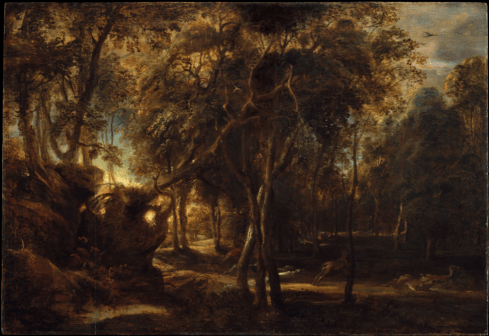
A Forest at Dawn with a Deer Hunt

This also isn’t a criticism of the new entrants that will ultimately need to grow their confidence in their own tastes and knowledge in the art arena. There’s something to be said for discerning when to take the advice of someone else and when to stick with your stance, however unpopular. There are many experts that had to go against the grain at different points in order to establish themselves.

Ultimately, this is a consideration of what can be done to reduce insecurity when entering the art world. Knowledge, on its own, isn’t enough. The art world is the intersection of business and aesthetic tastes. The business portion can be taught and modeled for new entrants. To some degree, even the aesthetic part of art collecting can be “taught”, via exposure to many works in different media, from different periods of time and movements, and from various countries and global regions.

DT2737

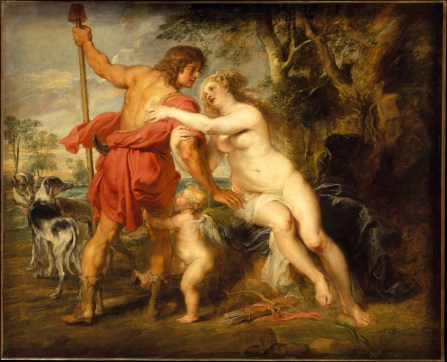
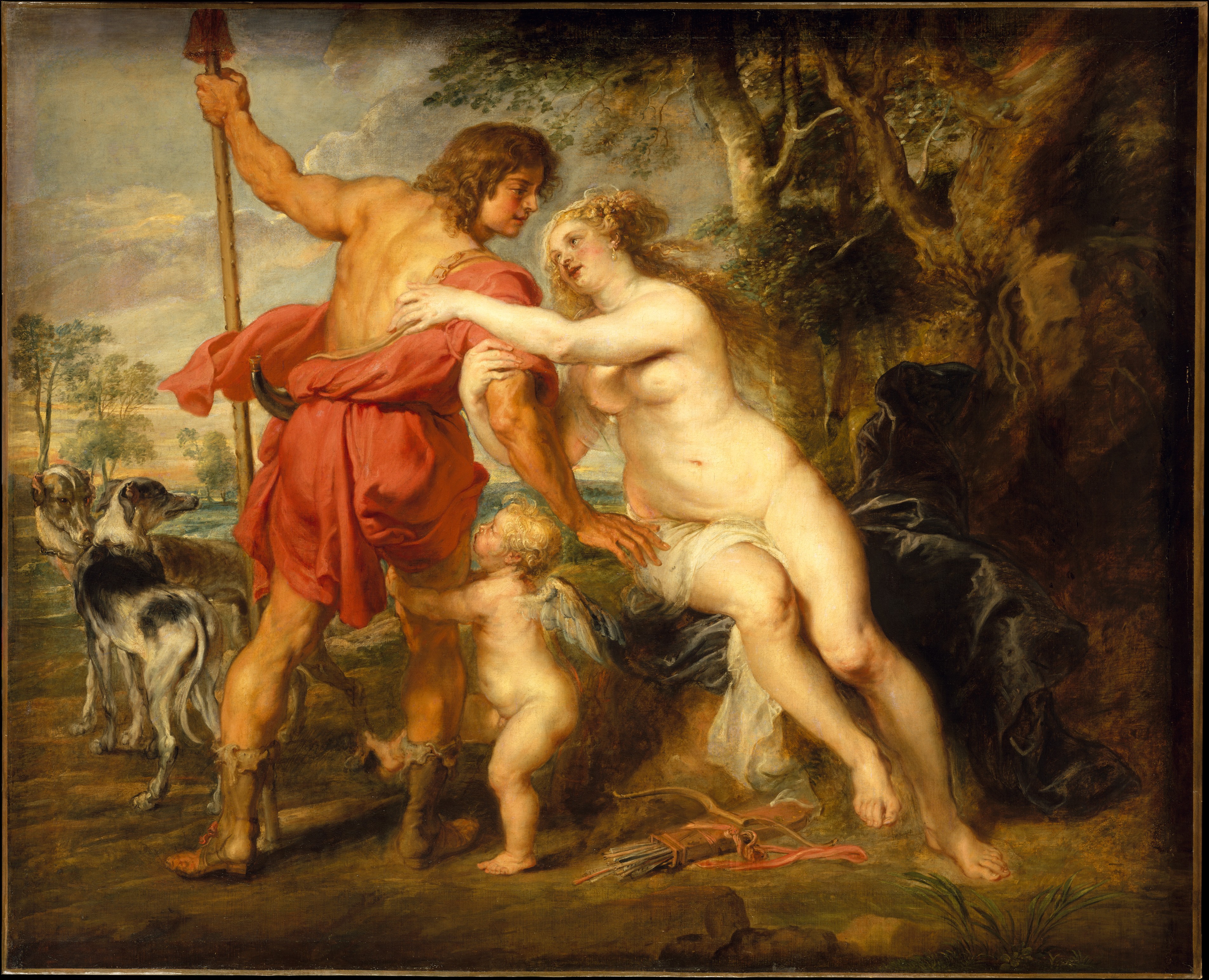
Venus and Adonis

So what does reduce insecurity? In a word, experience. The novices have to embrace the experiences that they must have, and they have to be ready to have MANY experiences outside of their comfort zones. Experience will teach a novice who to listen to and who to disregard; it will also help a novice learn when to listen to “gut nudges” and when those “nudges” are more fear-based (and generally inaccurate) than intuitive knowledge (which is usually spot-on).

To all of the newcomers to the art world: gain all of the experience that you can, remember that you BELONG wherever you’re going, and take comfort in the fact that you don’t have to know everything to be skilled, competent and worthy of your space in the art world.

(all art from the Metropolitan Museum of Art, photos from Archive.org and )

art · luxury

Art Collector Conundrum: Affordability

As part of this (informal) series, I want to explore some of the difficulties I see within the art world. These things aren’t obstacles, per se, but they can be challenging for people that are on the outside “looking in”. As I learn more and find myself exploring the business, historical, and aesthetic side of art, I can see the individual factors that make art collecting and the entire business of art frustrating and intimidating to the average person.

One of the biggest obstacles to pursuing either a career in or a collection of art is affordability. Prestigious disciplines and hobbies have always been cost prohibitive, and rightly so: this maintains the integrity, prestige and lucrative nature. But in these increasingly egalitarian times, the question remains: how can affordability be part of the art world while maintaining esteem?

Screenshot 2018-01-27 at 7.45.32 PM - Edited

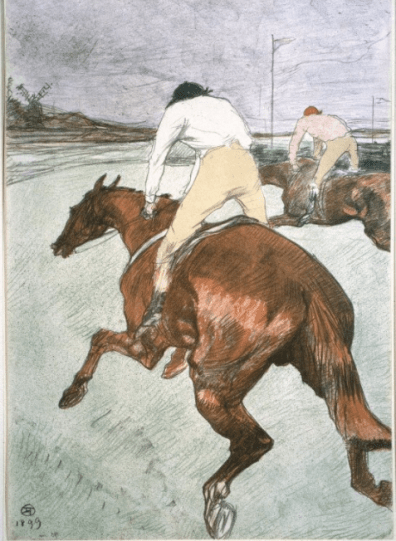
Le Jockey by Henri de Toulouse-Lautrec (uploaded by the Brooklyn Museum)

The best recommendation I can pose is this: start where you are. That applies no matter where you want to fit into within the art world. Instead of aiming to have a personal art collection on the level of the Louvre, new collectors that have less capital to invest should start where they are and purchase what they enjoy and can afford. People aspiring to be curators and consultants should start by educating themselves as affordably as possible: attend free or low-cost art courses (some of which can be done online), volunteer at a museum or gallery, or even purchase used art textbooks and read the material.

The key to avoiding overwhelm is to take it one step at a time.

There are some entities that are striving to make art more affordable. Educators like ALISON, Coursera and Saylor (especially the Saylor Legacy Courses) make art education affordable. Taking classes at local museums, galleries, art organizations, and community colleges is also another another way to obtain art knowledge at a low cost.

Entering the art collecting world need not be expensive. New collectors should seek out local artists that are talented but not yet famous. Being an “early adopter” often means securing wonderful artwork at an affordable price. Also, it’s important to support smaller artists that may one day become one of the big names in the art world.

brooklynmuseum-o4399i000-21.125_SL1

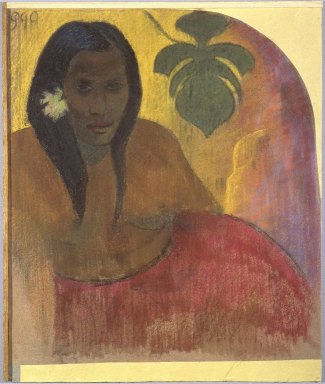
Tahitian Woman by Paul Gauguin (uploaded by the Brooklyn Museum)

There are also companies that will finance the purchase of high dollar art. One of these is ArtMoney, a company that offers financing options for people that want to buy art. ArtMoney is currently affiliated with 500 galleries nationwide to help art appreciators acquire works of art that would normally be out of their budgets. Also, there are innovative artists that offer lease and lease-to-own option for interested parties. This allows collectors to enjoy the art of their choice on the terms that best suit them.

So there are always ways to navigate around issues of affordability. Many times, this means setting aside preconceived limitations and approaching a solution with a fresh perspective. By exploring unorthodox and less popular strategies, it’s possible to make any part of the art world affordable.

art · luxury

Art Collector Conundrum: Accessibility

As I learn more about the art world, I see, not only the beauty and complexity of it, but the problems surrounding it.

Here’s the thing: every industry is plagued with its own problems. As a result, the professionals within each industry are tasked with serving current needs as well as creatively attempting to solve existing and potential problems. This presents a bit of a conundrum for both the problem solvers (who are trying their best but may be limited in what they can do) and those awaiting a solution (that feel excluded and frustrated).

There are several big issues within the art industry, which I’ll attempt to explore over several posts. I’m no art expert, but I love the thought of toying around with solutions to existing issues, because, at the heart of it, I’m a problem solver.View of Children placing poppies on the grave stone of the Unknown soldier

(Courtesy of the War Museum in Ottawa)

One of the biggest issues I see within the art world is the issue of accessibility. Like many subjects and areas associated with the elite/wealthy/exclusive groups, there is no definitive path for entry. Those that want to make sense of this world are overwhelmed by the options but really don’t have any clear directions on how they can make art and the art world a part of their lives.

That’s both great and confusing.

The upside to lacking a defined path of “entry” is that the barriers aren’t clearly defined, either. If those desiring entry want to find a way “in”, they can probably ease in through many different paths and still eventually “arrive” at their desired destination. Let’s be clear: there are ALWAYS barriers in every realm. But these can often be navigated in unconventional ways so long as the person desiring entry is willing to explore the options available and be creative.

The confusing part is figuring out where to start. Unlike college or the corporate world, there is no simple, straightforward way to enter the world of art collecting/patronage.

This undefined path presents an amazing opportunity for art galleries, auction houses and museums. For the huge names in the art world, there may not be an urgent need to reach out to novice or aspiring collectors: after all, these entities aren’t hurting for sales! But for the entities that are interested in undertaking the challenge of opening the art world to a new kind of patron and clientele, there are several ways to accomplish this. The Guggenheim Museum is leading the way with their Young Collectors Council, a subgroup of museum membership that allows millenials and other inexperienced collectors under the age of 40 to have a more active role in museum acquisitions.

moma

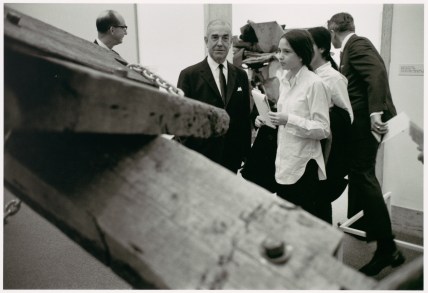
Young visitor touring Metropolitan Museum of Art in 1969

Other museums, art galleries and auction houses can modify the structure pioneered by the Guggenheim and create their own Collectors Councils to help nurture and develop interest in the art world among those that are inexperienced. Setting aside two or three annual events to be organized by councils and offering mentoring opportunities from senior individuals involved in the organization would be great for collectors that are trying to find their way on the art scene.

Do you all think there are some other ways to increase accessibility in the art world? Let me know in the comments below!